How to keep track of invoices and payments: UK guide
Learn how to keep track of invoices and payments, including powerful tools and common mistakes.


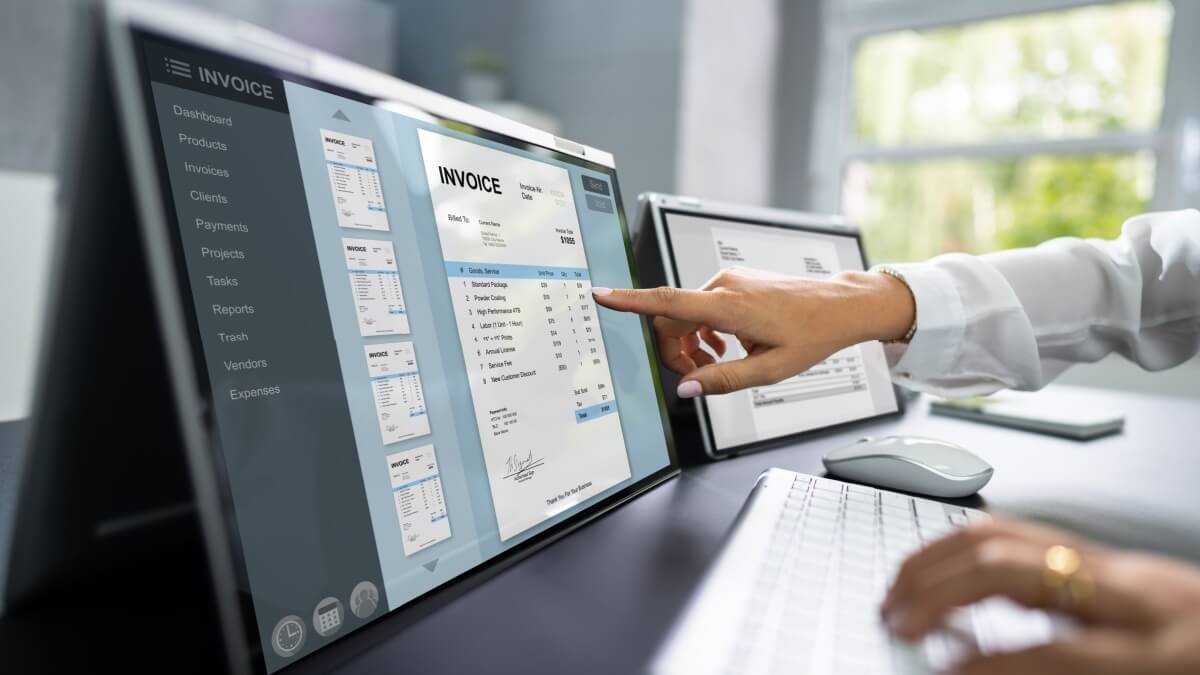
Billing and invoicing are two terms you will hear constantly in business. Most people use them interchangeably, but they actually mean different things - and confusing the two can cause real problems for your records, your cash flow, and your client relationships.
For UK small business owners and freelancers, getting this right matters. Using the correct document at the right time helps you get paid on time, stay compliant with HMRC, and keep your finances accurate.
By the end of this article, you will know exactly what billing and invoicing mean, when to use each, what UK law requires on your invoices, and how to build a reliable process around both. We will also cover Wise Business, as a way to manage your payments domestically and internationally with ease.
💡 Learn more about Wise Business
The simplest way to think about it: billing is the whole process; invoicing is one part of it.
Billing refers to the overall process of requesting payment from a client or customer. It covers everything from agreeing on a price to following up on an overdue payment. Billing is the end-to-end system your business uses to charge for goods or services.
Invoicing is a specific action within that process. An invoice is a formal document you send to a client that details exactly what was provided, how much is owed, and when payment is due. It is a legally recognised request for payment.
Think of a restaurant: the moment the waiter presents a total at the table, that is billing. The itemised breakdown on the slip showing each dish and the VAT charged is closer to what an invoice does, just in a simpler form. Whereas, in formal B2B (business-to-business) transactions, the document you send to your client is almost always called an invoice. Managing when you send it, how you follow up, and how you record the payment is the billing process around it.
Using the right financial management tools can help you keep both billing and invoicing organised, reduce manual errors, and get paid faster.
Billing covers the full lifecycle of a payment. For most UK businesses, it follows a similar pattern:
This is a continuous cycle for service-based businesses. Consultants, for example, may bill monthly for retainer work, sending a new invoice at the end of each billing period. Subscription-based businesses repeat this cycle automatically.
Payment terms sit at the heart of the billing process. They tell your client how long they have to pay. Common terms in the UK include Net 30 (payment due 30 days after the invoice date), Net 60, and payment in advance (PIA). If you do not set specific terms, the default under UK law is that your client must pay within 30 days.1 The terms you set directly affect your cash flow, so it is worth thinking about them carefully before you start working with a new client.
If your business works with international clients, billing also involves deciding which currency to invoice in, how you will receive the payment, and who covers any conversion costs. Wise Business can support businesses managing payments in multiple currencies40+ currencies , making international billing more straightforward to track.
💡 Learn more about Wise Business
A valid UK invoice is not just a document asking for money. HMRC sets out specific requirements for what an invoice must include, and getting this wrong can cause problems with VAT returns, tax records, and even payment disputes.
A UK invoice must include: 2
If you are VAT-registered, your invoice must also include:3
You are required to register for VAT if your taxable turnover exceeds the VAT registration threshold.3 You can also register voluntarily below this threshold. If you are not VAT-registered, you do not charge VAT and do not need to include VAT details.
Keeping your invoices accurate and consistent protects you if HMRC ever reviews your records.
In formal business terms, you almost always send an invoice, not a bill. Bill is generally used in two ways:
So the same document can be called an invoice by the person who sends it and a bill by the person who receives it. This is the source of much of the confusion.
In practice, for UK businesses and freelancers, here is how to think about it:
The key rule: when you are formally requesting payment from a client in a B2B context, always issue an invoice. It is the correct document, it protects you legally, and it gives your client everything they need to process the payment.
| 💡 See how to track business expenses |
|---|
Freelancers often handle billing and invoicing themselves, without a finance team to help. A clear, repeatable workflow makes the process far easier to manage.
Step-by-step billing workflow for UK freelancers:
Setting payment terms: Common choices for freelancers in the UK are Net 7, Net 14, and Net 30. 4 For new clients or larger projects, payment in advance or a deposit upfront can protect your cash flow.
Accounting and invoicing software can automate much of this process. Tools like FreeAgent, QuickBooks, and Xero let you create professional invoices, track what is outstanding, and send automatic reminders.
For international clients, invoicing becomes more complex. You need to confirm the invoicing currency, check VAT rules for cross-border services3, and make sure you can receive payment efficiently.
| 💡 You may also like our guides to invoice as a freelancer in the UKinvoicing EU customers as a UK business and our full guide on UK invoice payment terms |
|---|
Wise Business is a multi-currency account built for businesses and freelancers who manage payments across borders. And, it makes a powerful tool for your everyday payment management.
Here is how it can support your billing and invoicing process:
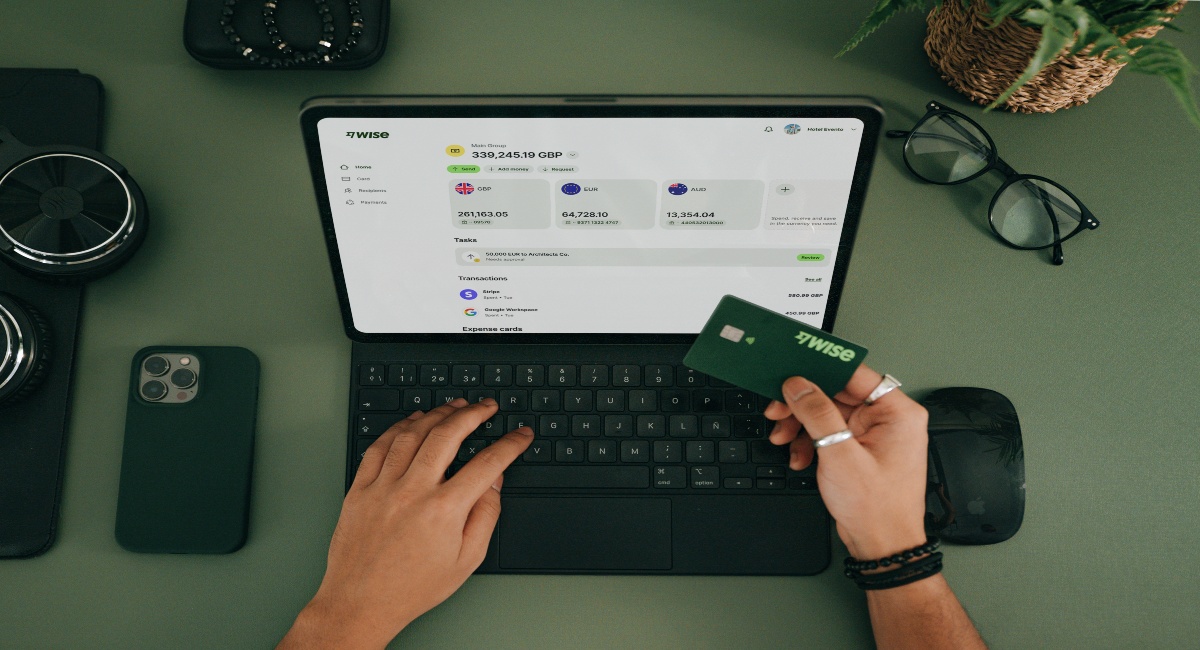
With Wise Business, you can:
Make the wise choice when selecting a business account for all your domestic and global needs.
Be Smart, Get Wise.
Investments can fluctuate, and your capital is at risk. Interest is offered by Wise Assets UK Ltd, a subsidiary of Wise Payments Ltd. Wise Assets UK Ltd is authorised and regulated by the Financial Conduct Authority with registration number 839689. When facilitating access to Wise investment products, Wise Payments Ltd acts as an Introducer Appointed Representative of Wise Assets UK Ltd. Please be aware that we do not offer investment advice, and you may be liable for taxes on any earnings. If you're uncertain, we urge you to seek professional advice. To find out more about the Funds, visit our website.
*Disclaimer: The UK Wise Business pricing structure is changing with effect from 26/11/2025 date. Receiving money, direct debits and getting paid features are not available with the Essential Plan which you can open for free. Pay a one-time set up fee of £50 to unlock Advanced features including account details to receive payments in 22+ currencies or 8+ currencies for non-swift payments. You’ll also get access to our invoice generating tool, payment links, QR codes and the ability to set up direct debits all within one account. Please check our website for the latest pricing information.
No. Not in a formal business context. An invoice is a specific document with defined legal requirements in the UK, used to formally request payment for goods or services. Billing refers to the broader process of managing payment requests. In day-to-day conversation these terms are often mixed up, but when issuing a document to a client, always call it an invoice.
An invoice is sent before payment is received. It is a request for payment. A receipt is sent after payment is made, confirming that funds have been received. Both are important records: your invoice supports your right to be paid, and your receipt confirms the transaction is complete.
Only if you are VAT-registered. You must register for VAT if your taxable turnover exceeds the current VAT registration threshold.3 If you are registered, you must charge VAT on applicable goods and services and include all VAT details on your invoice.3 If you are not registered, you do not charge VAT and do not include it on your invoices.
Understanding the difference between billing and invoicing is not just about terminology - it has a direct impact on your cash flow, your client relationships, and your compliance with HMRC.
Clear processes, accurate documents, and the right tools make the difference between chasing late payments and getting paid on time. Review your current invoicing setup, confirm you are meeting UK requirements, and consider how the right payment tools can take some of the admin off your plate.
Sources used:
Sources last checked: 20th May 2026
*Please see terms of use and product availability for your region or visit Wise fees and pricing for the most up to date pricing and fee information.
This publication is provided for general information purposes and does not constitute legal, tax or other professional advice from Wise Payments Limited or its subsidiaries and its affiliates, and it is not intended as a substitute for obtaining advice from a financial advisor or any other professional.
We make no representations, warranties or guarantees, whether expressed or implied, that the content in the publication is accurate, complete or up to date.
Learn how to keep track of invoices and payments, including powerful tools and common mistakes.

Learn how to manage global payment processing for UK businesses. Our guide covers costs, risks, compliance and Wise Business UK tools for growth and scale.

Read this roundup of the best multi-currency invoicing software in 2026 for UK businesses, including Xero, QuickBooks, Sage, FreeAgent and more.

Learn a few quick tips to improve and maintain accounting accuracy, from choosing the right software, managing FX and more.
An essential guide to sending bulk payments internationally as a UK business, including best providers, fees, and steps to send your first bulk transfer.
Learn how invoicing management works, how to optimise it, and how Wise Business can help you streamline international payments.