Is there stamp duty in Ireland? Guide for Brits
Complete guide to stamp duty in Ireland for British buyers. Check current rates, the 15% surcharge, new build VAT rules, and when the tax is due.


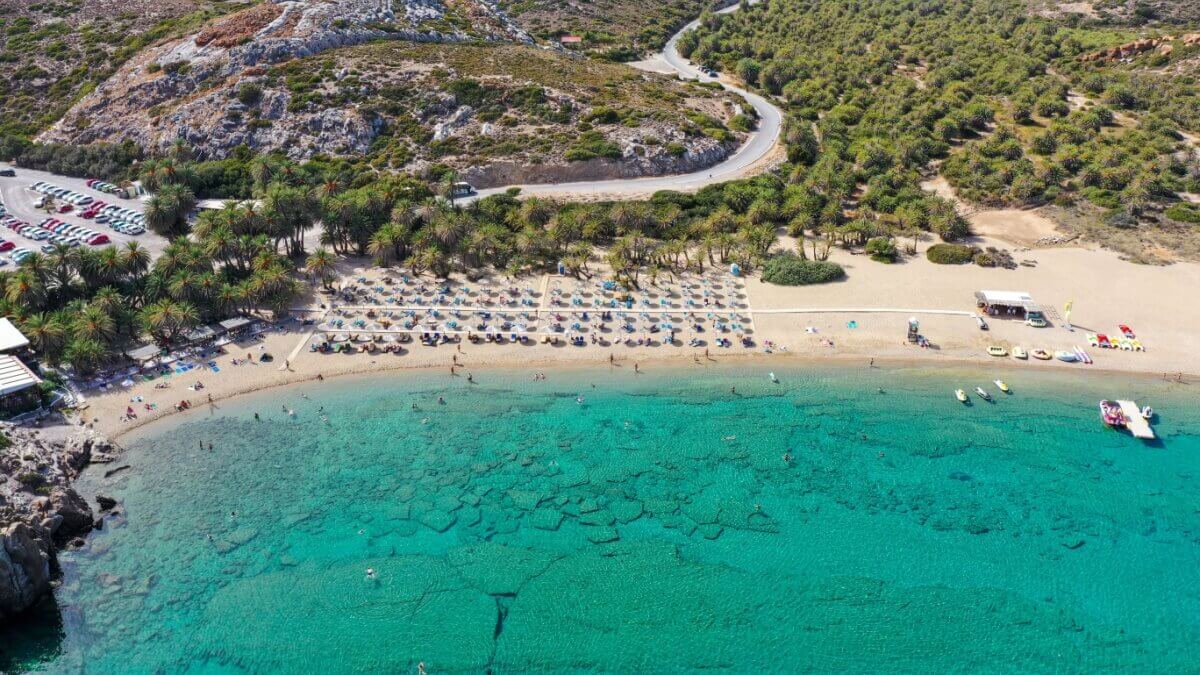
Thinking about buying a holiday home in the gorgeously green region of Lasithi, Crete? The easternmost part of Greece’s largest island is famed for its natural beauty, with stunning rural charm and laid-back pace of life.
It’s easy to see why it's popular with tourists and second-home-buyers alike.
If you’re interested in snapping up your own slice of paradise, read on for a practical guide to buying property in Lasithi as a foreigner. This includes info on mortgages, property prices, pitfalls to avoid and where to start your search.
We’ll also introduce a reliable and cost-effective way to send large sums internationally from the money services provider Wise. Over 14.8 million people worldwide use Wise to move £36 billion every quarter.
With low, transparent fees, great mid-market exchange rates, and secure, trackable transfers, Wise makes international money transfers simple and stress-free. Plus, you’ll get dedicated support and volume discounts when sending large amounts. On a £50,000 transfer, you could save up to £1,000 with Wise vs your bank.
Get expert support for your large transfer 📞
| Please see the terms of use and product availability for your region or visit Wise fees and pricing for the most up to date pricing and fee information. |
|---|
Yes, UK nationals and other foreign nationals can freely buy property in Lasithi and the rest of Crete, without any restrictions.¹ This is one of the reasons it's such a good place to buy property.
However, you might find the process a little more complicated if you’re not an EU resident.
For example, you’ll need a Greek Tax Number (AFM). A Greek bank account may be helpful for payments and ongoing bills, but whether it’s required for the purchase itself can vary (confirm with your solicitor). You may also face restrictions on how much you can lend from a Greek bank or mortgage provider.
| 📚 Read more: Selling property abroad and bringing money to the UK |
|---|
The property market in Crete seems to have recovered well after the COVID-19 pandemic, and prices have been on an upward trend - rising around 5% to 8% per year.²
In general, house prices in Crete tend to be cheaper than on other Greek islands such as the Cyclades.
The area of Lasithi is particularly affordable, with average prices between €2,000 and €2,500 EUR per square metre, compared to €4,000 EUR in Chania.²
However, luxury villas in Lasithi do typically come at a premium - with average prices around €5,000 EUR per square metre.² And you can expect to pay even more in sought-after areas like Elounda.
As a prospective buyer, you may not need to spend as much to secure your dream home. Plus, you may look forward to its value rising over time, if the current price trends continue.
The only thing to keep an eye on is Crete’s growing popularity with foreign buyers - this may drive up competition for the best properties.
Keen to invest in property abroad, but not sure if Lasithi is the best place to do it? Here are a few of the pros and cons to consider:
Pros:
Cons:
| 📚 Read more: Cost of Living in Greece |
|---|
So, how much is property in Lasithi? This is an essential thing to know as you set your budget and start your search.
Ultimately, it depends very much on what and where you buy.
On average, prices for property in Lasithi are around €2,000 to €2,500 EUR per square metre. But if you want to buy a luxury village, you could be looking at upwards of €5,000 EUR per square meter.²
And if you’re arranging your property purchase from the UK, you’ll need a reliable and preferably low-cost way to send over fees, deposits and other payments.
The Wise account could be a great solution, with transparent, low fees, and multiple layers of security, so you can safely transfer large amounts both in the UK and overseas.
➡️ See how Wise compares with other providers
The best place to buy property in Lasithi all depends on why you’re buying.
If you have the budget, the upscale coastal town of Elounda - famed for its luxury resorts and stunning blue waters - is ideal for a second home or a holiday let.
Many expats and property investors also love Agios Nikolaos, a picturesque coastal town and popular tourist destination.
Another sought-after spot is Sissi, which boasts high-end properties as well as some older homes. These tend to be more affordable than nearby areas, but you’ll need to budget for renovation costs.
If you’re house hunting on a budget, the best places in Lasithi to try are Sitia, the rural areas surrounding Neapoli, and traditional inland villages dotted around the district.
If you’re new to the Greek property market, it could be worth using a specialist real estate agent to help you find the right property.
This can be particularly useful if you’re moving to Greece from the UK and aren’t familiar with how the real estate market works there.
An agent will have knowledge of the local market, and can walk you through the process of buying a property. This service is likely to come with a fee, however.
You can also start the search online yourself, using one of these popular Greek property websites and portals:
| 📚 Read more: Buying property in Greece: Guide for UK Buyers |
|---|
Before buying a property in Lasithi, there are a few key things to check. These include:
Now, let’s run through the steps involved in buying property in Lasithi as a foreigner:
Before you do anything, it’s a good idea to get your finances sorted. This means setting a budget, getting a mortgage offer (approval in principle) and getting all your paperwork together.
Foreign nationals need a Greek tax number called an AFM to buy and sell property in Greece.
You can apply for your AFM at the local tax office with your passport and a completed application form. You’ll also need to open a Greek bank account.
Now it’s time to start searching for your dream home. You can use online property portals and/or local estate agents to find properties. If you’re using an agent, make sure they’re registered with the Hellenic Association of Realtors (HAR).
If you’ve found somewhere you like, arrange a viewing as soon as you can, and start researching the area in the meantime.
The next important step is to submit a competitive offer to the estate agent, or to the buyer directly. You can negotiate, just like in other countries.
While it’s not mandatory, it’s strongly recommended to find and appoint a lawyer experienced in Greek property law.
They will check over and translate all documents and contracts, as well as carrying out due diligence on the transaction. This includes conducting a thorough title search at the Land Registry or Cadastre.
A personal recommendation is a good way to find a solicitor, but you can also find a list of English-speaking property solicitors on the UK Government website.
A building survey isn’t mandatory, but it could help to flag up any serious issues early on.
If the technical report flags anything up, you may be able to go back to the seller to negotiate on price, or arrange to have issues rectified before the sale completes.
If your offer is accepted and you’re ready to proceed, it’s time to sign the preliminary contract.
It expresses your commitment to buying the property, and sets out the terms of the transaction.
You’ll also need to arrange a transfer to pay the deposit, which in Crete (and Greece in general) is usually around 10%.¹
Consider using the Wise account here to convert your pounds to euros, avoiding hidden fees and getting the mid-market exchange rate.
A notary is a key part in property purchases in Greece. They are a public officer who ensures that the transaction, documents, contracts and processes are carried out in line with the law.
You can learn more about finding a notary through the Hellenic Notary Association website - your solicitor may also be able to point you in the right direction.
This is the final crucial step, involving the following actions:
All of the main steps will need to be done in person at the notary’s office, and it’s crucial to have your solicitor there as it may be conducted in Greek (including documentation).
Buying property in Lasithi typically takes around 4 to 6 weeks,¹ although it can potentially take longer for more complex transactions or if there are any delays with mortgage financing.
Here are the main fees and taxes for buying property in Lasithi, which you’ll need to factor into your budget:⁴
| Fee/tax | Amount |
|---|---|
| Stamp duty | 3% for new builds 3% to 24% for resale properties |
| VAT (FPA) - new builds only | 24% |
| Registration fees (land registry) | 0.5% to 1% |
| Legal fees | Around 1% |
| Notary fees | 0.5% to 1% |
You may also have to pay the following:
Fees for these services can vary, so you’ll need to do some research, get quotes and factor them into your overall budget.
Once you’ve bought your Lasithi property and paid those initial costs, you’ll also have some ongoing Greek property taxes to cover.
The main one is an annual property tax called ENFIA, which is calculated based on the location, size, use, age and other factors relating to the specific property.
In Crete, the rates for most holiday homes are typically around €3 to €4 EUR per square metre. So for a house of around 100 square metres, you can expect to pay around €300 to €400 EUR a year in property taxes.⁵
If you rent out the property, you may also pay personal income tax as a landlord.
Banks in Greece do offer mortgages to foreign nationals and non-residents. However, bear in mind that foreign buyers tend to face stricter lending criteria, and the application process can be more complex.
You may also find that you can’t borrow as much as local residents, with typical loan-to-value (LTV) ratios for foreign applicants being around 70%. And if you’re a non-resident, you may be limited to mortgages with higher interest rates, unlike for Greek residents.⁴
So, you'll need a larger deposit, along with lots of documentation (translated into Greek) to prove you’re a good candidate for a loan.
One of the main things to watch out for when buying or selling property abroad are scams.
To avoid these, it’s strongly recommended to work with qualified and credible professionals such as real estate agents and solicitors.
Ideally, you should also check for membership of a professional body when working with any property experts, brokers or agents.
In Greece, it’s best to use an estate agent who is licensed and registered with the Hellenic Association of Realtors (HAR).
Other important things to remember include the following:
Before you can get the keys to your new home, you’ll have a final few tasks to check off your list.
It’s strongly recommended to take out a buildings insurance policy starting from your completion date. In fact, you might find it's a mandatory condition of your mortgage offer.
If you know when your completion date will be, it makes sense to get some essentials set up in advance of moving in.
A prime example is utilities, such as heating, power and water. Get these sorted as early as you can, and the moving process should be a little smoother.
If you’ve bought an older or historic property in Lasithi, you might want to make some energy efficiency improvements to it. For example, upgrading the air conditioning system or replacing the windows.
Need a secure, convenient and low-cost way to send large sums of money internationally? Take a look at the Wise account from the money services provider Wise. It's not a bank account but offers some similar features and your money is safeguarded.
With Wise, you can send large amount transfers worldwide to 140+ countries for low, transparent fees and the mid-market exchange rates with no markup.
| Here’s an overview of the main benefits of using Wise: |
|---|
|
**Investments in funds are never guaranteed and your capital can be at risk. In the UK, Interest and Stocks are provided by Wise Assets — this is the trading name of Wise Assets UK Ltd, a subsidiary of Wise. Wise Assets UK Ltd is authorised as an investment firm and regulated by the Financial Conduct Authority (FCA). Our FCA number is 839689. We do not give investment advice, and you may be subject to pay tax. If you're not sure, seek qualified advice. You can find more information about the funds on our website.
sources used:
Sources last checked 29-Jan-2026
*Please see terms of use and product availability for your region or visit Wise fees and pricing for the most up to date pricing and fee information.
This publication is provided for general information purposes and does not constitute legal, tax or other professional advice from Wise Payments Limited or its subsidiaries and its affiliates, and it is not intended as a substitute for obtaining advice from a financial advisor or any other professional.
We make no representations, warranties or guarantees, whether expressed or implied, that the content in the publication is accurate, complete or up to date.

Complete guide to stamp duty in Ireland for British buyers. Check current rates, the 15% surcharge, new build VAT rules, and when the tax is due.

Read our essential guide to buying land in Spain as a UK foreigner, covering land prices, fees and taxes, land types, and where to start your search.
Read our essential guide to buying land in Thailand as a UK foreigner, covering land prices, fees and taxes, land types, and where to start your search.
Read our essential guide to buying land in Turkey as a UK foreigner, covering land prices, fees and taxes, land types, and where to start your search.

Read our guide to find out where’s the cheapest place to buy a house in the world and make the most of your property search.
Read our guide to discover the cheapest country to buy land and explore the best locations abroad.