Is there stamp duty in Ireland? Guide for Brits
Complete guide to stamp duty in Ireland for British buyers. Check current rates, the 15% surcharge, new build VAT rules, and when the tax is due.


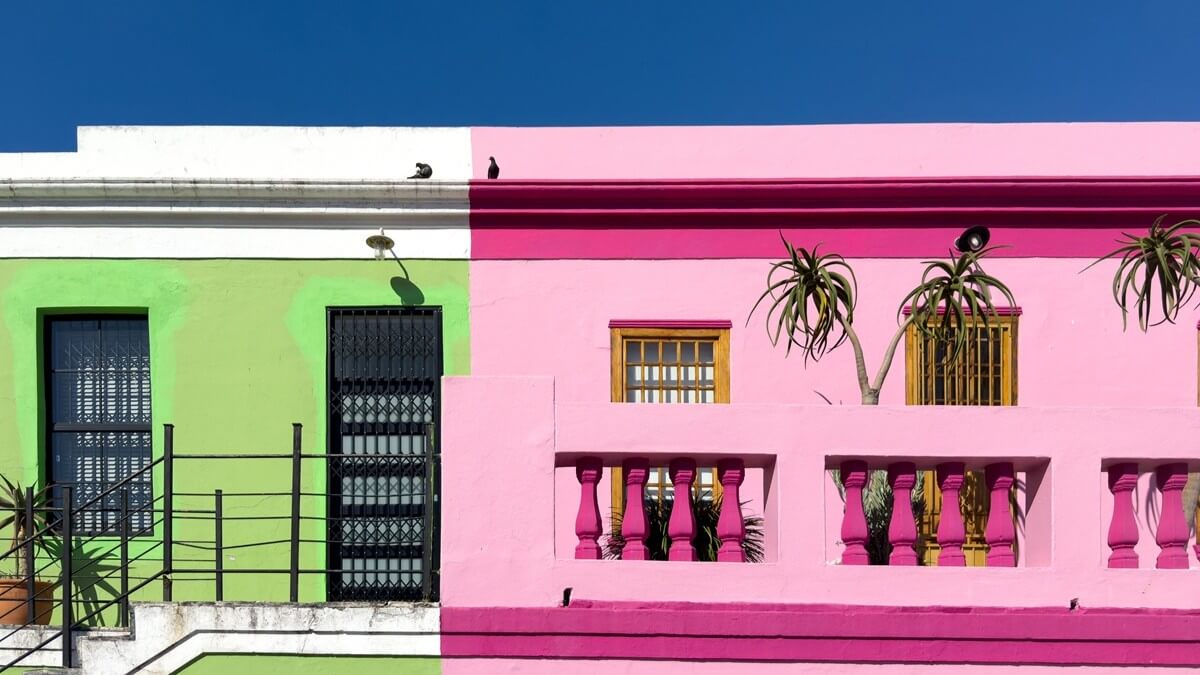
Are you thinking about taking on a house renovation project in South Africa? This can be an exciting way to add value and personalise a property, but it also involves a number of important decisions along the way.
This guide explains the full process of renovating a house in South Africa, from the earliest planning stages through to completion. We’ll cover the pros and cons of renovating a property in South Africa, provide an overview of the costs you should expect and help you put together a renovation timeline.
Since renovations can be costly and demanding, finding ways to simplify the process can make a real difference. The Wise account allows you to send large amounts of money between the UK and South Africa with low fees*.
This means you could use the money saved on fees or hidden markups to cover upfront renovation payments. On a £50,000 transfer, you could save up to £1,000 with Wise vs your bank.
Wise also converts your pounds to rand at the mid-market rate, helping you save even more.
For large amounts, Wise has a dedicated team of experts to guide through every step of your transfer so you can move bigger amounts of money to South Africa with ease.
Get expert support for your large transfer 📞
There are plenty of reasons you might be thinking about renovating a house in South Africa. Maybe you’re moving to South Africa or want a second home or holiday retreat, or perhaps you’re looking at it as a property project you can sell or rent out once the work is done.
Before you jump in, it’s worth taking a step back to decide whether renovating is the right move for you. Like building a house from scratch, renovation requires careful planning, a realistic budget and a clear understanding of the costs involved.
To sum it up, here are the pros and cons to renovating a house in South Africa:
Pros:
Cons:
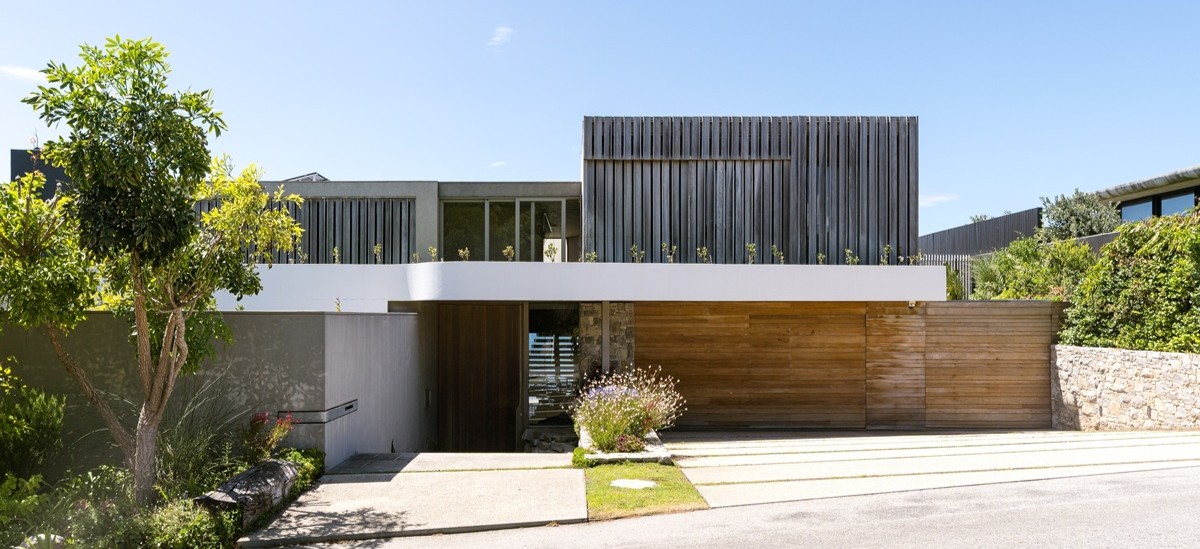
If you’re not familiar with the South African property market or would like expert support, working with an agent can be very helpful. If you’d rather search on your own, here are some popular property websites you can use:
Home renovations can be difficult even when carried out in the UK, so taking on a project abroad introduces an extra level of complexity. When you renovate in another country, you may face unexpected delays, permit issues or challenges keeping the work on track with your original timeline.
Because of this, it’s important to think about whether you’re ready for the full process, including the possibility of unforeseen complications. If you decide to go ahead, the following points are worth keeping in mind to help your renovation in South Africa run more smoothly:
Protected properties in South Africa typically refer to buildings that have heritage status. Under the National Heritage Resources Act (NHRA), any building older than sixty years is automatically protected, even if it has not been formally declared a heritage site.1
You can confirm whether a property is subject to this protection by visiting the local municipal plans archive and locating the original building plans, which will show the date of construction. Any renovations to a protected property, including alterations or demolition, require permission from the relevant Provincial Heritage Resources Authority (PHRA).1
Under the National Building Regulations and Building Standards Act 103 of 1977, you must get written approval from your local municipality before starting most renovations. Major work, such as removing walls or making structural changes, also requires a professional architect registered with SACAP.2
Depending on the type of building plan approval required, you may need a conveyancer to check for restrictive title deed conditions that could prevent the work. If restrictions exist, they must be removed before you proceed. If your property is in an estate with a Homeowners Association, you will also need their approval.2
Application forms are available on the municipality’s website or at their offices. In Cape Town, applications must be submitted through the Development Management Services (DAMS) e-services portal, with supporting documents sent to the relevant district office.2
In South Africa, a property evaluation is carried out by a professional valuer registered with the South African Council for the Property Valuers Profession. The valuer inspects the property and uses recognised valuation methods to estimate the market value.3
To ensure a successful renovation, it’s important to create a clear timeline. A standard schedule generally looks like this:
Choosing the right contractor is one of the most important parts of the renovation process. You should hire professionals who are registered with the National Home Builders Registration Council (NHBRC), check their references and obtain multiple quotes to compare prices.2
Consider hiring a translator, especially in the initial stages or when talking about international invoices.
It’s important that your contractor has insurance to cover liability or damages during the renovation. Some of the most common types of cover include Contractors’ All Risks (CAR) insurance, public liability insurance, professional indemnity insurance and project delay insurance.4
Renovations often change from the original plan, so it’s important to prepare for adjustments. Include change-order rules or contract amendments so you know how changes are approved and how extra costs are handled.
Since schedules and scope can shift due to weather, material shortages, or other delays, it’s also wise to set aside extra funds.
The main costs you’ll have are the fees for the required building permits. Some banks have hidden markups in their exchange rate fees. With Wise, the exchange rate is the mid-market one (this is the one you’ll normally find on Google) and you’ll see all fees upfront so using Wise to pay your renovation costs may be cheaper, since your pounds will be automatically converted at the mid-market exchange rate and fees are low*.
📚Tax implications of buying property abroad
For a house renovation in South Africa, it’s best to use qualified professionals whenever possible. If you can’t, make sure you consult an expert to confirm that the work meets all legal and regulatory requirements.
If you run into an issue, seek independent legal advice immediately and make sure you collect all relevant documents, including contracts and invoices.
It’s important to understand that the Foreign, Commonwealth & Development Office (FCDO) can’t get involved in private legal disputes overseas. They may, however, provide you with a list of translators and English-speaking lawyers.5

Now that we’ve covered the essential points, let’s explore how much it costs to renovate a house in South Africa. We’ll give you an idea of the average costs you can expect, although prices can vary depending on the location.
Roof reconstruction costs between 450 ZAR and 1,000 ZAR per square metre, depending on the material, which is roughly between £21 and £46. For example, a concrete roof is more expensive than a terracotta roof.6
On top of this, old roof removal costs 50–100 ZAR per square metre, or £2–£5.6
The price of new flooring starts at 300 ZAR/sq.m. for laminate (£14) and goes up to 1,000 ZAR/sq.m. (£46).7
The kitchen is often the most expensive room to renovate. Minor updates will set you back around 10,000 ZAR, while extensive changes can exceed 250,000 ZAR (£458–£11,440).8
Depending on the scope of remodelling, a new bathroom in your South African home can cost around 8,000–24,000 ZAR, or £366–£1,100.8
Interior painting costs between 63 ZAR and 100 ZAR/sq.m. (£3–£5) on average. Exterior painting typically costs 50–100 ZAR/sq.m. (£2.30–£5) excluding materials.8
Complete rewiring, including a new switchboard, additional power outlets and new cabling, can cost 50,000–150,000 ZAR (£2,290–£6,860).9
The cost of a basic loft conversion starts at around 50,000 ZAR (£2,290), but a more luxurious transformation can exceed 500,000 ZAR (£22,900). The exact cost depends on your property and the materials used.10
Depending on the region and scope of work, you can expect to pay an average of 7,000–18,000 ZAR per square metre (£320–£820). If the renovation involves significant structural changes, this can cost up to 12,000 ZAR/sq.m. (£550).11
Roughly the same costs apply when renovating a farmhouse and a heritage house, but heritage properties also require a permit before any alterations can be made.
The South African Heritage Resource Agency (SAHRA), which is responsible for protecting and managing national heritage resources, typically charges 1,200–3,000 ZAR (£55–£137) for this permit.12
Let’s list the main expenses in your South African renovation:
| Renovation type 🔨 | Average cost 💶 |
|---|---|
| New roof | 500–1,100 ZAR/sq.m. (£23–£46) |
| Flooring | 300–1,000 ZAR/sq.m. (£14–£46) |
| New kitchen | 10,000–250,000+ ZAR (£458–£11,440) |
| Bathroom renovation | 8,000–24,000 ZAR (£366–£1,100) |
| Painting | 63–100 ZAR/sq.m. (£3–£5) for interior 50–100 ZAR/sq.m. (£2.30–£5) for exterior |
| Rewiring | 50,000–150,000 ZAR (£2,290–£6,860) |
These are the key points to consider before renovating a house in South Africa, helping you understand the likely costs and what the process involves.
Renovating a home in South Africa often comes with significant costs, including contractor fees, materials, and municipal permits. A Wise account can help you avoid hidden fees and reduce costs when making foreign currency transactions.
The Wise account is an alternative to traditional bank accounts. It will allow you to send money between the UK and South Africa at the mid-market exchange rate, for low, transparent fees*.
There’s even a dedicated support team for all large amount transfers to help put your mind at ease when transferring high amounts of money to South Africa.
Get expert support for your large transfer 📞
Let’s answer some common questions about renovating a house in South Africa:
It’s cheaper to buy a house in South Africa than to build a new one. On average, building a house in South Africa costs up to 30% more than buying an existing property.13
The cost of rezoning a South African property depends on the municipality and the complexity of the process. In total, you can pay up to 100,000 ZAR.14
Rezoning a property in South Africa can take anywhere from seven months to two years, depending on the complexity of the application.14
Sources used:
1. The Heritage Register - heritage status
2. C&A Friedlander Attorneys - planning permission
3. Rawson - property valuation
4. Berkley Risk - construction insurance
5. Gov.uk - guidance for buying property abroad
6. GP Roof Repairs - roofing costs
7. Procompare.co.za - flooring prices
8. House Renovations Johannesburg - renovation costs
9. Localpros.co.za - rewiring costs
10. The Handyman Johannesburg - loft conversion costs
11. Builders in Gauteng - renovation costs
12. SAHRA - fees
13. Procompare.co.za - is it cheaper to buy or build a house
14. Glensburg - rezoning guide
Sources last checked on date: 21-Jan-2026
*Please see terms of use and product availability for your region or visit Wise fees and pricing for the most up to date pricing and fee information.
This publication is provided for general information purposes and does not constitute legal, tax or other professional advice from Wise Payments Limited or its subsidiaries and its affiliates, and it is not intended as a substitute for obtaining advice from a financial advisor or any other professional.
We make no representations, warranties or guarantees, whether expressed or implied, that the content in the publication is accurate, complete or up to date.

Complete guide to stamp duty in Ireland for British buyers. Check current rates, the 15% surcharge, new build VAT rules, and when the tax is due.

Read our essential guide to buying land in Spain as a UK foreigner, covering land prices, fees and taxes, land types, and where to start your search.
Read our essential guide to buying land in Thailand as a UK foreigner, covering land prices, fees and taxes, land types, and where to start your search.

Read our essential guide to buying land in Turkey as a UK foreigner, covering land prices, fees and taxes, land types, and where to start your search.

Read our guide to find out where’s the cheapest place to buy a house in the world and make the most of your property search.
Read our guide to discover the cheapest country to buy land and explore the best locations abroad.