Is there stamp duty in Ireland? Guide for Brits
Complete guide to stamp duty in Ireland for British buyers. Check current rates, the 15% surcharge, new build VAT rules, and when the tax is due.


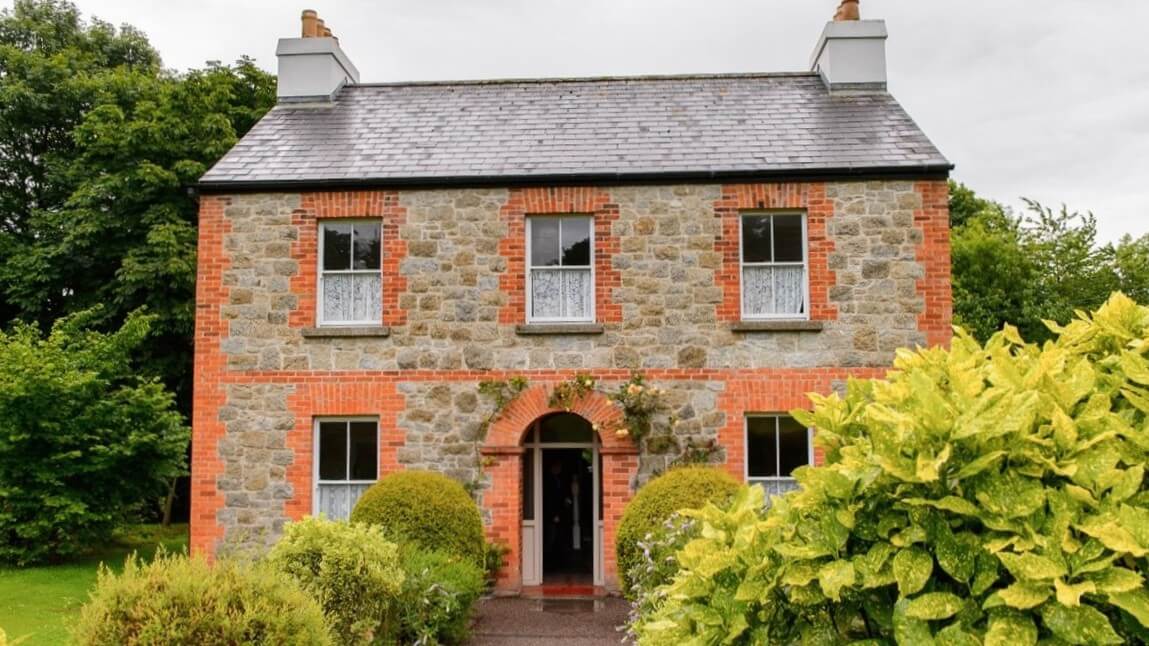
Are you considering buying a house in Ireland that requires renovation, or planning a refurbishment project further down the line? This guide breaks down everything you need to know about renovating a house in Ireland, from the early planning stages through to completion.
We’ll cover the key benefits and challenges of renovating a property in Ireland, explain the costs involved and help you organise a clear renovation plan. We’ll also highlight the important points to think about before work begins.
Finally, since renovation can be costly and chaotic, you may want to make this process less stressful. The Wise account will allow you to send large amounts of money between the UK and Ireland for low fees*.
That means you could use what you save in fees or hidden markups to cover any upfront renovation payments.
It can even auto-convert your pounds to euros at the mid-market rate and help you save even more.
For large amounts, Wise has a dedicated team of experts to guide through every step of your transfer so you can move bigger amounts of money to Ireland with ease. Plus, there's volume discounts when sending large amounts. On a £50,000 transfer, you could save up to £1,000 with Wise vs your bank.
Get expert support for your large transfer 📞
There are several reasons you might be considering renovating a property in Ireland. You may be looking to sell your Irish home for a profit, rent it out as a long-term investment or create a holiday home.
Before you commit, it’s worth taking a step back and deciding whether renovation is the best option for you. Like building a house from scratch, renovation requires careful planning and budgeting and a clear understanding of the costs involved.
Here is a quick overview of the pros and cons of renovating a house in Ireland:
Pros:
Cons:

For those unfamiliar with the Irish real estate market, an agent can offer valuable support. If you’d rather search on your own, here are some popular property websites:
Ireland also offers a range of renovation grants. One of the most important ones is the Vacant Property Refurbishment Grant, which helps fund the refurbishment of vacant or derelict properties built in 2007 or earlier.1
To qualify, the property must be converted into either your main home or a rental property and you must prove it has been vacant for at least two years. The grant can provide up to €50,000 for vacant properties and up to €70,000 for derelict ones (£43,360–£60,700).1
Renovating can be demanding even in the UK, so it becomes even more complex when you’re doing it somewhere else. You may run into different delays along the way, such as planning permission issues or schedule changes.
Before you begin, it’s worth thinking carefully about whether you’re ready for the process and any potential setbacks. If you choose to go ahead, here are some important points to keep in mind to help your renovation in Ireland go more smoothly:
You can check whether an Irish property is a protected structure by searching the planning authority’s Record of Protected Structures (RPS), which every local authority includes in its development plan.2
When a structure is on the RPS, the protection typically covers the land around it and any additional buildings on that land.2
In Ireland, planning permission is usually needed for major renovations, including significant alterations, extensions or structural changes.3
When you apply for planning permission, you must first notify the public of your intentions by placing a notice in a local newspaper and displaying a site notice at the property. After these notices are in place, you can submit your application to the local authority, either through the Local Government Ireland website, by email or by post.3
In Ireland, property evaluations are usually done by chartered surveyors registered with the Society of Chartered Surveyors Ireland (SCSI). They can perform various types of inspections, but the key priority is identifying any structural problems before you buy a house.4
Your renovation will run more smoothly if you have a clear schedule. This is what a common timeline usually looks like:
To hire a contractor in Ireland, start by getting recommendations and checking verified reviews. Make sure they’re also registered with a recognised body, such as the Construction Industry Register Ireland (CIRI).5
Since you’ll likely be paying from the UK, request detailed invoices and agree payment terms upfront to keep everything clear.
Having the right insurance during a renovation is strongly recommended, especially employers liability, public liability and contract works cover.6
Renovation projects rarely stay exactly as planned. Make sure your contract includes clear change-order rules, so you know how alterations and costs will be handled. This helps protect you if things shift due to outside factors like weather, material delays or other unexpected problems.
In Ireland, home renovations are usually subject to 13.5% VAT.7 However, if you’re using the Vacant Property Refurbishment Grant, the grant amount already includes VAT.1 You’ll also need to pay any planning permission or building control fees required by your local county or city council.
Some banks have hidden markups in their exchange rate fees. With Wise, the exchange rate is the mid-market one (this is the one you’ll normally find on Google) and you’ll see all fees upfront so using Wise to pay your renovation costs may be cheaper, since your pounds will be automatically converted at the mid-market exchange rate and fees are low*.
📚Tax implications of buying property abroad
If you can, it’s worth getting professionals on board when renovating a house in Ireland. If you’re doing some of the work yourself, make sure you check in with an expert so everything meets the rules.
If you run into any issues, get independent legal advice as soon as possible and make sure you collect all relevant documents, such as contracts and invoices.
Bear in mind that the Foreign, Commonwealth & Development Office (FCDO) can’t intervene in private legal disputes overseas. However, they can still provide a list of translators, interpreters and English-speaking lawyers if you need assistance.8
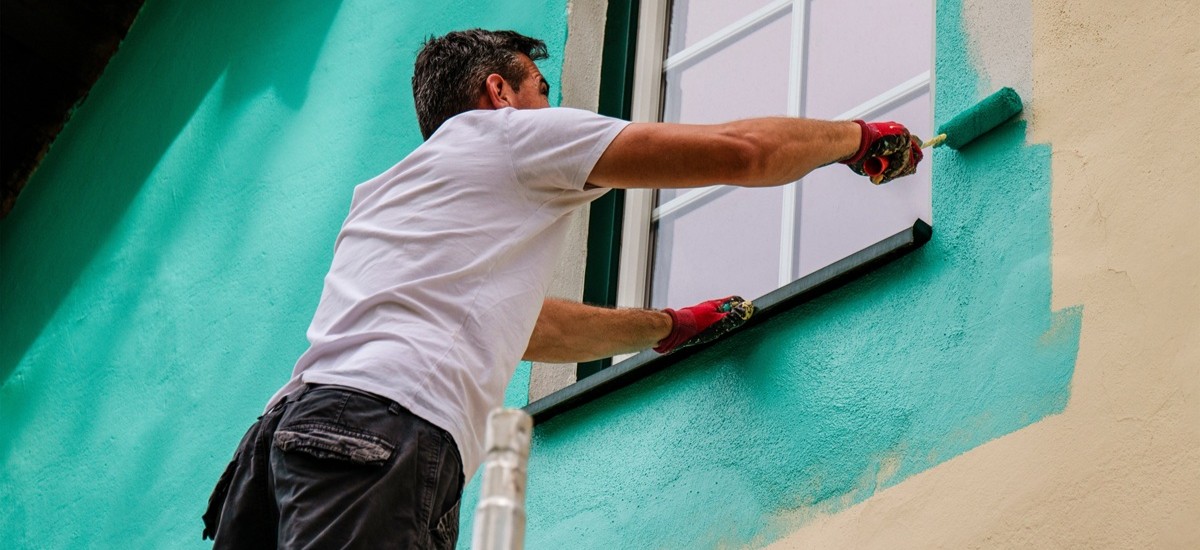
Now that we’ve covered the key points, let’s look at how much it costs to renovate a house in Ireland. We’ll explain the main expenses and what you might expect to pay on average.
Partial roof replacements start at €1,200 on average, while a full re-roofing can set you back over €10,000 (£1,040–£8,670).9
The price of new flooring depends on the material. For example, laminate and vinyl flooring costs around €20–€40 per square metre (£17–£35), while hardwood or tiled flooring costs €40–€80+ per square metre, or £35–£70.10
Installation costs will be another €300–€1,000 (£260–£870).10
Budget kitchen renovations in Ireland cost €10,000–€20,000 on average, or approximately £8,670–£17,340. However, luxury kitchens with custom cabinets and premium appliances can cost more than €60,000 (£52,000+).11
A basic bathroom upgrade in your new Irish house starts at €5,000 on average, or £4,300. Luxury bathrooms with custom tiling and fittings can exceed €30,000 (£26,000+).11
On average, you’ll pay €400–€800 per room for interior painting in Ireland or €1,200–€6,600 (£1,040–£5,720). The average price of exterior painting is €1,500–€5,500 (£1,300–£4,770), depending on the size of the house.12
A full house rewire can set you back €38–€55/sq.m or £33–£48. Just updating the fuse box costs around €350 on average (£304).13
The cost of converting a loft varies widely depending on the size and condition of the property. On average, you can expect to pay between €20,000 and €60,000, or roughly £17,300–£52,000.11
A basic renovation can cost up to €1,200–€1,500/sq.m. (£1,040–£1,300), while high-end refurbishment can cost over €4,000/sq.m. (£3,470).11
The exact number depends on the state of the house and your standards. On average, renovating a 100 sq.m. house costs between €120,000 and €400,000+ (£104,060–£346,860+), but you can try getting a grant.11
Let’s list the main expenses in your Irish renovation:
| Renovation type 🔨 | Average cost 💶 |
|---|---|
| New roof | €1,200–€10,000+ (£1,040–£8,670+) |
| Flooring | €20–€80+ per square metre (£17–£70+) |
| New kitchen | €10,000–€60,000+ (£8,670–£52,000+) |
| Bathroom renovation | €5,000–€30,000 (£4,300–£26,000+) |
| Painting | €1,500–€5,500 (£1,300–£4,770) for exterior €1,200–€6,600 (£1,040–£5,720) for interior |
| Rewiring | €38–€55/sq.m (£33–£48) |
This should give you a clear overview of the key factors to consider before renovating a house in Ireland, including likely costs and the steps involved.
Renovating a house in Ireland can be expensive, with expenses including contractors, materials, permits and approvals. A Wise account can help you avoid hidden fees and reduce the cost of foreign currency transfers.
The Wise account is an alternative to traditional bank accounts. It will allow you to send money between the UK and Ireland at the mid-market exchange rate, for low, transparent fees*.
There’s even a dedicated support team for all large amount transfers to help put your mind at ease when transferring high amounts of money to Ireland.
Get expert support for your large transfer 📞
Let’s answer some common questions about renovating a house in Ireland:
If your renovation involves significant changes such as structural alterations, extensions or changes of use, you’ll need to apply for planning permission.3
Yes, there are several grants available for house rewiring, including the Vacant Property Grant and various local authority schemes.14
You can apply for the grant if you’re buying a property vacant for at least two years and built in 2007 or earlier, even if you’re not an Irish resident. The property must either be your main home or available to rent.15
The 12-year boundary rule usually refers to adverse possession, meaning that if someone uses land openly and continuously for 12 years without the owner objecting, they may be able to claim legal ownership of it.16
Sources used:
1. Gov.ie - Vacant Property Refurbishment Grant
2. Citizens Information - protected structures
3. Citizens Information - planning permission
4. SCSI - building survey
5. OS Holding - finding a reliable builder
6. S.A. Faughnan (Brokers) - renovation insurance
7. Richard Oshea Consultancy - VAT on construction services
8. Gov.uk - guidance for buying property abroad
9. O’Shea Roofing - cost
10. CalcIreland - flooring
11. OS Holding - old house renovation cost
12. Painter Adam - painting a house
13. Brosnan Property Solutions - house rewiring cost
14. Gorman Electrical Services - house rewiring grants
15. Gov.ie - grants
16. Mason Hayes Curran - adverse possession
Sources last checked on date: 23-Jan-2026
*Please see terms of use and product availability for your region or visit Wise fees and pricing for the most up to date pricing and fee information.
This publication is provided for general information purposes and does not constitute legal, tax or other professional advice from Wise Payments Limited or its subsidiaries and its affiliates, and it is not intended as a substitute for obtaining advice from a financial advisor or any other professional.
We make no representations, warranties or guarantees, whether expressed or implied, that the content in the publication is accurate, complete or up to date.

Complete guide to stamp duty in Ireland for British buyers. Check current rates, the 15% surcharge, new build VAT rules, and when the tax is due.

Read our essential guide to buying land in Spain as a UK foreigner, covering land prices, fees and taxes, land types, and where to start your search.
Read our essential guide to buying land in Thailand as a UK foreigner, covering land prices, fees and taxes, land types, and where to start your search.

Read our essential guide to buying land in Turkey as a UK foreigner, covering land prices, fees and taxes, land types, and where to start your search.

Read our guide to find out where’s the cheapest place to buy a house in the world and make the most of your property search.
Read our guide to discover the cheapest country to buy land and explore the best locations abroad.