
Is there stamp duty in Ireland? Guide for Brits
Complete guide to stamp duty in Ireland for British buyers. Check current rates, the 15% surcharge, new build VAT rules, and when the tax is due.


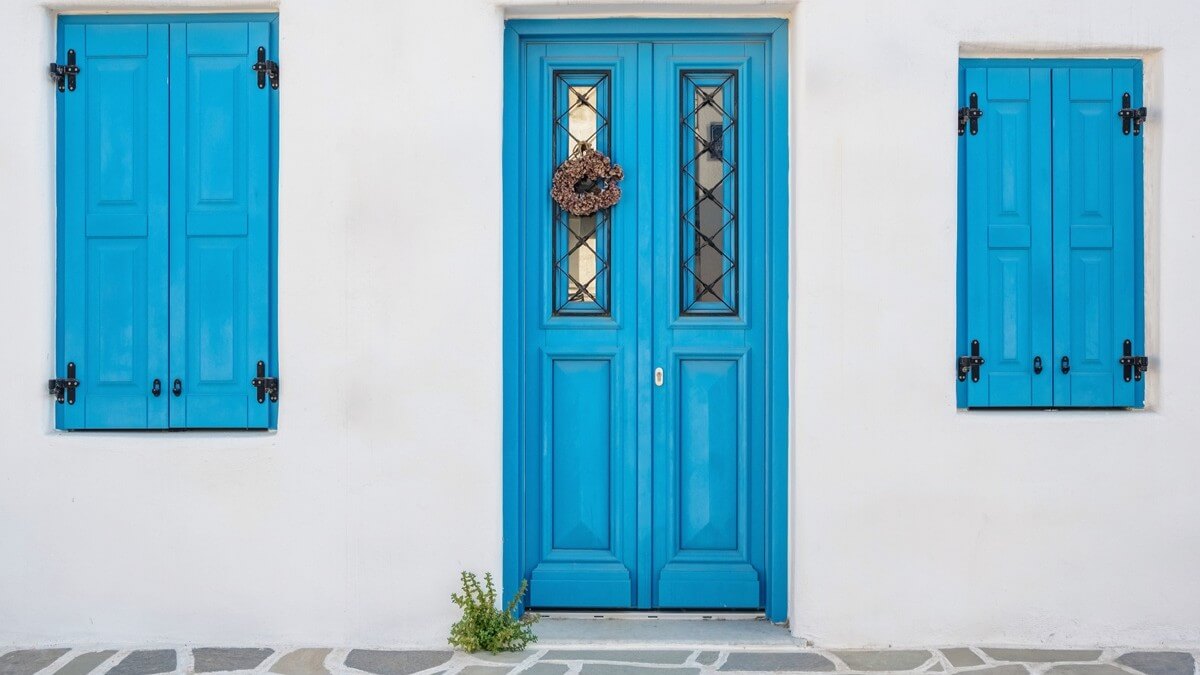
Thinking about a renovation project in Greece? Whether you’re just starting to explore the idea or already planning a project, it helps to know what to expect.
This guide will take you through the full renovation process, from early planning to the finished project. We’ll outline the main benefits and challenges, explain what costs to expect and help you put together a clear renovation plan.
Because renovations can be expensive and stressful, a Wise account can help with low-fee* transfers between the UK and Greece. You can send large amounts of pounds to Greece and Wise will auto-convert them at the mid-market rate.
That means you could use what you save in fees or hidden markups to cover any upfront renovation payments.
For large amounts, Wise has a dedicated team of experts to guide through every step of your transfer so you can move bigger amounts of money to Greece with ease. On a £50,000 transfer, you could save up to £1,000 with Wise vs your bank.
Get expert support for your large transfer 📞
There are many reasons why people consider renovating a house in Greece. You might be planning to sell the property for a profit, rent it out or create a holiday home for yourself.
Before you move forward, it’s important to think about whether renovation is the best option for your goals. Renovation can be as complex as building new, so you need to plan and budget carefully and know exactly what the expenses will be.
Here is a quick overview of the main pros and cons of renovating a house in Greece:
Pros:
Cons:
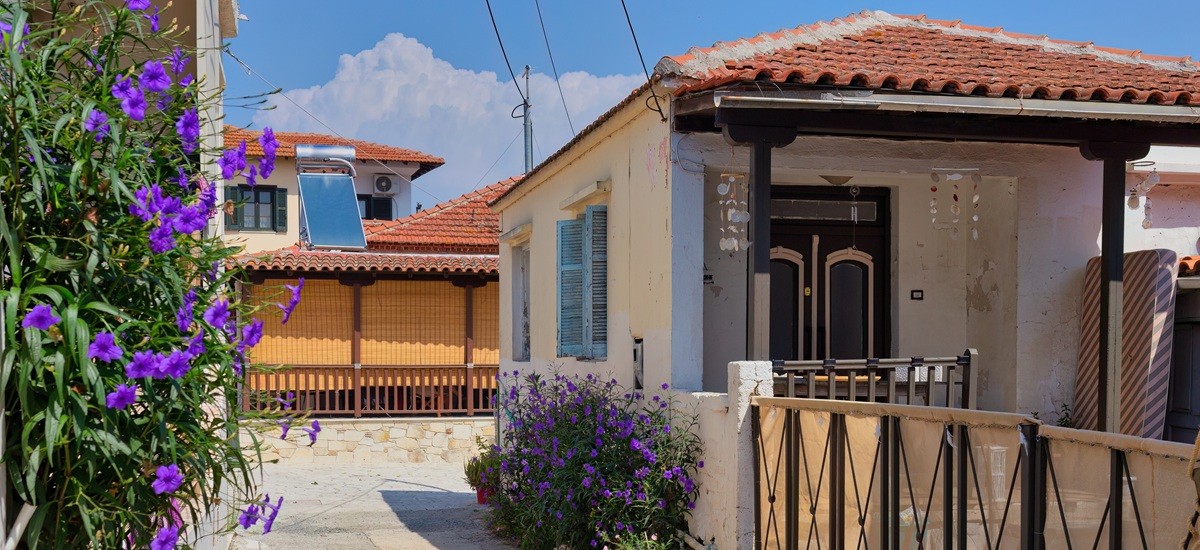
If you’re just now moving to Greece, working with a real estate agent can be a big help. If you prefer to search independently, here are some popular property websites:
Greece will also launch a renovation support programme in February 2026, offering subsidies of up to 90% on renovation expenses. It applies to properties built before 1991 with a maximum area of 120 sq.m and it will cover up to €300 per square metre.1
Renovations can be challenging even at home, so tackling one abroad adds extra complexity. You may face unexpected delays along the way, such as planning permission hurdles or changes to the project schedule.
Before you get started, it’s a good idea to think through whether you’re ready for the process and the possibility of setbacks. If you do decide to move forward, here are some points to keep in mind:
You can check whether a Greek property is protected by searching the archive of traditional settlements and listed buildings. There you’ll be able to find information on these buildings, such as their descriptions and the Government Gazette designation.2
The National Archive of Monuments also has an interactive map of Greece on their official website, including historical and archeological sites and their protection zones.3
In Greece, planning permission is required for most construction and renovation work that goes beyond small-scale changes. This includes demolition of structures, construction of retaining walls and underground tanks.4
There are three categories of permits and renovations are normally covered under Category 3. However, this will depend on the scale of work you plan on doing.4
Applications are submitted through the e-adeies online platform, by the owner or by a person with legitimate rights through an assigned engineer. The fees are €10–€20.4
In Greece, property evaluations can be done by chartered surveyors, independent property valuers, licenced real estate agents and bank-appointed appraisers as part of a mortgage application.5
These professionals may perform different types of checks, but the main goal is to determine the condition of a property before you buy a house.5
To keep your renovation on track, it helps to have a clear plan. Here’s what a usual timeline looks like:
Hiring a reliable contractor is essential for preventing problems and keeping the renovation running smoothly. You can ask the engineer managing your permit application for trusted recommendations.
Since you’ll likely be paying from the UK, make sure you ask for detailed invoices and agree on payment terms before work begins to ensure transparency.
Renovation insurance isn’t mandatory, but it can help you avoid major financial risk. If you’re taking out a mortgage, some banks offer construction coverage that covers risks such as employer liability, third-party liability and damage to the property during the work.6
Renovations often require adjustments along the way, so your contract should be built to accommodate that. Include specific terms for change orders, including any associated fees and how changes to the original agreement will be managed.
This is crucial because project scope, design or timelines can change due to external factors such as weather or delays in sourcing materials.
Renovation work such as additions, extensions, alterations and repairs is usually subject to VAT (Φόρος Προστιθέμενης Αξίας - ΦΠΑ). The standard VAT rate in Greece is 24%.7
However, Greece currently offers a tax deduction for a range of renovation works, which can significantly reduce your income tax bill if you meet the requirements. Owners can claim up to €3,200 per year for renovation expenses, with a maximum total of €16,000 over five years. To qualify, you must pay the expenses electronically and keep all invoices or receipts.8
Building permit fees are €10–€20.4 And it’s helpful to stay up-to-date and be aware of the property taxes in Greece.
You may decide to use your bank to pay for renovation fees but some banks have hidden markups in their exchange rate fees. With Wise, the exchange rate is the mid-market one (this is the one you’ll normally find on Google) and you’ll see all fees upfront so using Wise to pay your renovation costs may be cheaper, since your pounds will be automatically converted at the mid-market exchange rate and fees are low*.
📚Tax implications of buying property abroad
For renovations in Greece, professional support can make the process smoother and help you avoid legal issues. Even if you do some work yourself, check with a qualified expert to confirm that it meets the required standards.
If something goes wrong, try to get legal advice early and keep all the relevant documents, such as contracts and invoices.
Keep in mind that the FCDO can’t intervene in private legal disputes overseas, although they can offer contact details for translators, interpreters, and English-speaking lawyers if needed.9
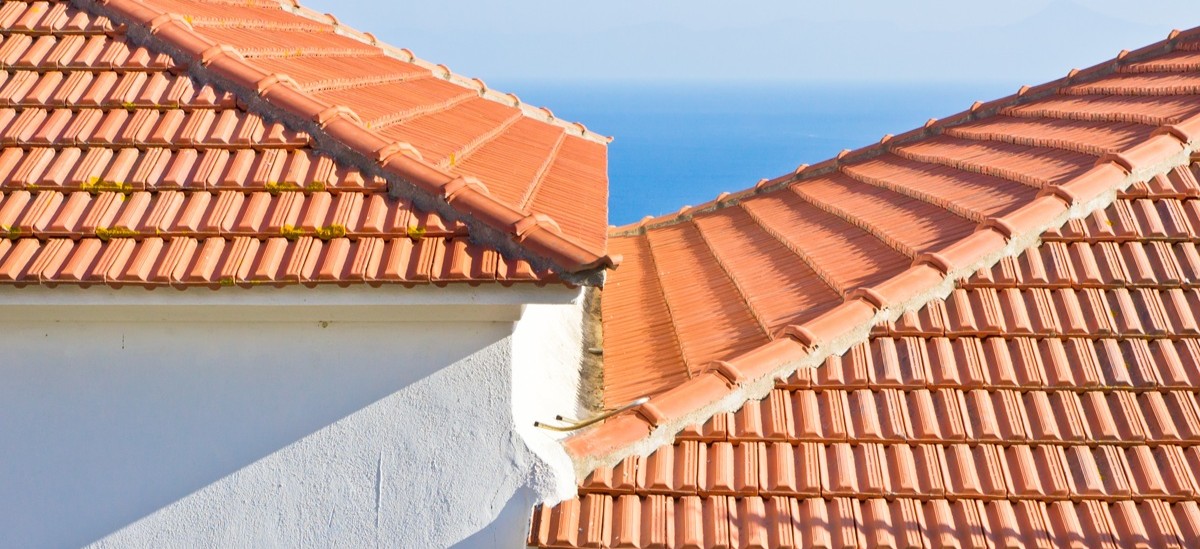
Now that we’ve covered the essentials, let’s move on to renovation costs in Greece. We’ll break down the main expenses and give you an idea of what you can expect to pay on average.
The price of roofing depends on the material. PVC or iron tiles cost €15–€25/sq.m.(£13–£22), while porcelain tiles cost up to €50 per square metre (£43). Installation costs another €10–€25/sq.m. (£9–£22).10
On average, tiles cost around €30 per square metre (£26), including installation. Keep in mind that hardwood floors can be much more expensive and require ongoing maintenance, such as sanding and polishing.11
The cost of a new kitchen in Greece is €4,500 for an average 100 sq.m. house (about £3,900). On top of this, you’ll need to pay around €800 (£695) for replacing the sink, faucet and wall tiles. However, luxury kitchen appliances and cabinets can raise the price significantly.11
Buying basic toilet fittings for your Greek home costs €800 on average (£695), while a bathroom renovation, including a shower, a bathroom vanity and a sink costs about €1,500 (£1,300).11
Exterior painting in Greece costs about €8/sq.m. (£7).12 Although it varies on the colour and technique, the average cost of interior painting of a 100 sq.m. house is around €2,000 (£1,740).11
Changing the electrical installations, including alarm wiring, can set you back €6,000 for a 100 sq.m. house (£5,210). This doesn’t include another €1,000 for all the outlets and switches (£870).11
The cost of converting a loft in Greece depends on the scope of work and whether a permit is required. For a small-scale conversion, the renovation can cost you €800–€2,000 (£695–£1,740), while the cost of work with a full building permit can exceed €7,000 (£6,080).13
On average, light renovation costs €400–€800/sq.m. (£347–£695), but the cost can exceed €2,000/sq.m. (£1,740).14
Since traditional houses often require more refurbishment, the average renovation cost can range from €700 to €2,000/sq.m. (£610–1,740).14
How much does it cost to renovate a Greek maisonette (Μεζονέτα)?
The overall renovation costs for a Greek maisonette can be between €700–€2,000/sq.m, depending on the condition of the property.14
Let’s go through the main expenses in your Greek renovation:
| Renovation type 🔨 | Average cost 💶 |
|---|---|
| New roof | €25–€75/sq.m. (£22–£65) |
| Flooring | €30 per square metre (£26) |
| New kitchen | €4,500 for a 100 sq.m. house (£3,900) |
| Bathroom renovation | €800–€1,500+ (£695–£1,300+) |
| Painting | €800 (£695) for exterior painting of a 100 sq.m. house €2,000 (£1,740) for interior painting of a 100 sq.m. house |
| Rewiring | €7,000 for a 100 sq.m. house (£6,080) |
This should help you understand the main considerations before renovating a house in Greece, including the typical costs and the steps involved.
Renovating a house in Greece can be expensive, with expenses including contractors, materials, permits and approvals. A Wise account can help you avoid hidden fees and reduce the cost of foreign currency transfers.
The Wise account is an alternative to traditional bank accounts. It will allow you to send money between the UK and Greece at the mid-market exchange rate, for low, transparent fees*.
There’s even a dedicated support team for all large amount transfers to help put your mind at ease when transferring high amounts of money to Greece.
Get expert support for your large transfer 📞
Let’s answer some common questions about renovating a house in Greece:
Greece is generally considered a solid place to invest in property, especially in tourist areas.
For an average 100 sq.m. house, a new kitchen can set you back around €4,500 (about £3,900).11
Some of the most affordable Greek islands for property include Samos, Chios and Lesvos.15
Sources used:
1. Proto Thema - subsidy for renovations
2. Gov.gr - listed buildings
3. National Archive of Monuments - Archaeological Cadastre
4. National Registry of Administrative Procedures - building permits
5. Chase Real Estate Corfu - property evaluation
6. Alpha Bank - home construction insurance
7. Ministry of Economy and Finance - VAT
8. Proto Thema - tax deduction
9. Gov.uk - guidance for buying property abroad
10. Anakainisis-spitiou.gr - roofing costs
11. Mecha Engineering - home renovation costs
12. Protio.gr - exterior painting
13. Steges.gr - converting a loft
14. iLand - renovation costs
15. Investropa - best areas to buy property
Sources last checked on date: 26-Jan-2026
*Please see terms of use and product availability for your region or visit Wise fees and pricing for the most up to date pricing and fee information.
This publication is provided for general information purposes and does not constitute legal, tax or other professional advice from Wise Payments Limited or its subsidiaries and its affiliates, and it is not intended as a substitute for obtaining advice from a financial advisor or any other professional.
We make no representations, warranties or guarantees, whether expressed or implied, that the content in the publication is accurate, complete or up to date.

Complete guide to stamp duty in Ireland for British buyers. Check current rates, the 15% surcharge, new build VAT rules, and when the tax is due.

Read our essential guide to buying land in Spain as a UK foreigner, covering land prices, fees and taxes, land types, and where to start your search.
Read our essential guide to buying land in Thailand as a UK foreigner, covering land prices, fees and taxes, land types, and where to start your search.
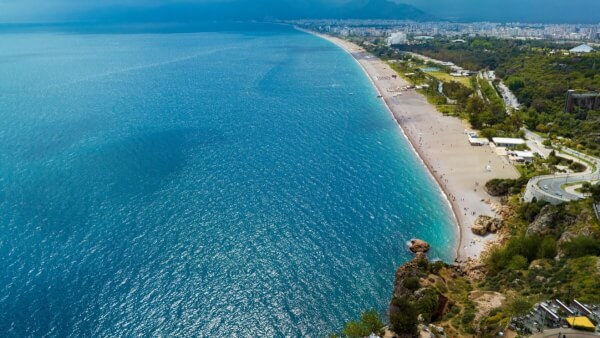
Read our essential guide to buying land in Turkey as a UK foreigner, covering land prices, fees and taxes, land types, and where to start your search.

Read our guide to find out where’s the cheapest place to buy a house in the world and make the most of your property search.
Read our guide to discover the cheapest country to buy land and explore the best locations abroad.











