
What is a DCC fee? Dynamic currency conversion, charges and how to avoid it
What is a DCC fee? Learn how dynamic currency conversion can add costs to overseas card payments and how choosing local currency may help you save abroad.




Pricing claim based on comparative data for select airports and passes. Live pricing is subject to exchange rate fluctuations.
📱Find out how to get lounge access
Found a cheaper flight with a stopover on the way? Before you book, there’s one travel document that’s easy to miss: a transit visa.
A transit visa is a short-term visa or travel permission that lets you pass through a country on the way to another destination. You may need one for a layover, airport transfer or connecting flight — even if you’re not planning to stay in that country.
Rules can change quickly, so check official immigration sources for your exact route before you travel.¹
We'll also introduce the Wise card, a handy travel companion to make seamless card payments when you're overseas.
| Table of Contents |
|---|


A transit visa lets you pass through a country on your way somewhere else.
It’s usually used when you have a layover or connecting flight. The transit country isn’t your final destination, it’s the country you pass through to get there.
For example, if you fly from Singapore to Canada via the UK, the UK is your country of transit. Canada is your final destination.
A transit visa may be called different things depending on the country, such as:
The important bit: a transit visa doesn’t always let you enter the country like a tourist. Some only let you stay inside the airport’s international transit area. Others may let you clear immigration for a short time before your next flight.
The meaning of the transit visa is simple: it’s about passing through, not visiting.
But the details can get tricky because every route is different. Your visa needs can depend on your passport, the airport, your airline, your ticket type and whether you need to go through immigration.
There are 2 common types of transit to understand.
Airside transit usually means you stay inside the airport’s international transit area.
You normally don’t:
This sounds simple, but you may still need an airport transit visa in some countries.
For example, a Schengen airport transit visa lets some travellers connect through the international transit area of a Schengen airport during a stopover or flight change. It doesn’t let them leave that international transit area.⁶
Landside transit means you go through immigration before your next flight.
This can happen if you need to:
This is where many travellers get caught out. If you clear immigration, you’re no longer just sitting in the transit area. You’re entering the country, even if it’s only for a few hours.
The UK is a good example. It has one transit visa route for travellers who don’t go through UK border control, and another for travellers who do go through border control and leave the UK within 48 hours.⁴
Maybe. It depends on the rules of the country you’re transiting through and how your connection works.
You may need a transit visa for a layover if:
Even with a Singapore passport, it’s worth checking. A strong passport doesn’t remove the need to follow visa and entry rules, and these rules can change at short notice.
A good way to think about it is this:
If you stay in the international transit area, you may still need an airport transit visa, depending on the country.
If you clear immigration, you may need a visitor visa, transit visa or another form of entry permission.
A transit visa may be required for connecting flights when the transit country wants you to have permission before you pass through its airport or border.
This can happen even when your stop is short.
Common situations include:
Australia is a useful example of how specific the rules can be. Some eligible travellers can transit Australia without a visa, but only if they meet conditions such as arriving by aircraft, holding a confirmed onward ticket to a third country within 8 hours, and not needing to clear immigration or leave the airport transit lounge.⁷
So if your route involves collecting bags, changing terminals through immigration, or checking in again, don’t assume “connecting flight” means “no visa”.
The names vary by country, but this table gives a general idea.
| Visa or permission type | Usually used for | Can you leave the airport? |
|---|---|---|
| Airport transit visa | Connecting through the international transit area | Usually no |
| Transit visa | Passing through a country for a short time | Depends on the country and visa type |
| Visitor or tourist visa | Entering the country for tourism, visits or a longer stopover | Usually yes, within the visa rules |
Always check the conditions. A visa name alone won’t tell you everything.
For example, some transit permissions only allow airside connections. Others allow you to pass border control for a short time before your next flight.
Don’t leave this until the airport. Airlines can refuse boarding if you don’t have the right documents.
Here’s a simple way to check.
Write down every country and airport you’ll pass through.
Don’t just check your final destination. Check the transit country too.
Look at your ticket and baggage rules.
You’re more likely to go landside if you booked separate tickets, need to collect your bags, or need to check in again.
Search for the transit country’s official immigration or government visa page.
Look for terms like:
Airlines deal with boarding rules every day. They can usually tell you whether your connection requires you to clear immigration.
For travellers transiting through Singapore, for example, passengers who need to enter Singapore to collect tickets or baggage and check in again are not considered transit travellers. Those unsure whether they need to clear immigration should check with their airline.
Visa rules can change. Check again close to your travel date, especially if you booked the trip months earlier.
Transit rules are different around the world. Use these examples to understand the kinds of rules you may need to check, not as a complete list.
If you’re transiting through Singapore and staying in the transit area, you may not be treated the same as someone entering Singapore.
But if your flight requires you to clear arrival immigration, collect baggage, collect onward tickets or check in again, you’re not considered a transit traveller. You’ll need to meet Singapore’s entry requirements.
Singapore also has a Visa-Free Transit Facility for eligible nationals from selected countries and places, subject to criteria. Eligible travellers must still meet prevailing entry requirements, and entry is assessed at the point of entry.
The UK has different transit routes depending on whether you go through border control.
If you’re changing flights in the UK and won’t go through UK border control, you may need a Direct Airside Transit visa.
If you’re going through UK border control and leaving the UK within 48 hours, you may need a Visitor in Transit visa.
If you need to stay in the UK for more than 48 hours, you may need a Standard Visitor visa instead.
For the US, transit is treated seriously. A Transit (C) visa is for travellers passing through the US in immediate and continuous transit on the way to another country.
If your layover in the US is mainly for another purpose, like visiting friends or sightseeing, you may need a different visa. Some travellers may be able to transit using a valid visitor visa or the Visa Waiver Program, if eligible.
The Schengen area has airport transit visas for some non-EU nationals connecting through the international transit areas of Schengen airports.
An airport transit visa lets you connect during a stopover or change of flights. It doesn’t let you leave the international transit area.⁶
If your journey involves entering the Schengen area, for example, taking another flight that counts as an internal Schengen flight, check whether you need a short-stay Schengen visa instead.
Australia allows some eligible travellers to transit without a visa if they meet all the criteria. This can include leaving by aircraft within 8 hours and not clearing immigration. If you need to clear immigration, such as to collect baggage or board an onward flight, you’ll need an Australian visa.⁷
Canada’s transit rules depend on how you travel, how long you’ll transit, your passport nationality and other factors. Some travellers from visa-required countries need a transit visa for airport connections through Canada lasting 48 hours or less.⁸
New Zealand’s transit rules are also specific. Transit passengers pass through Auckland International Airport on the way to another country, stay in the transit area or on board the plane, and stay for less than 24 hours. Many travellers need a Transit Visa or NZeTA to transit, and transit passengers can’t enter New Zealand.⁹
The documents depend on the country and visa type.
You may be asked for:
Some applications are online. Others may need an appointment or supporting documents.
Start early if your transit country requires a visa. Processing times can vary, and a missing transit visa can stop your trip before it starts.
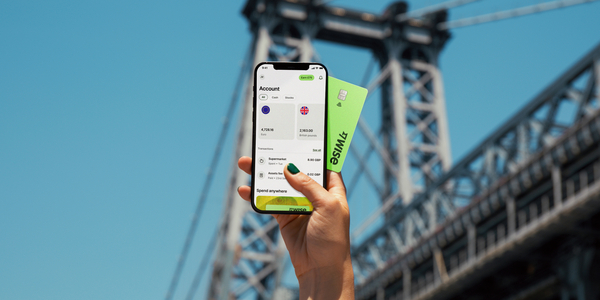
The Wise card lets you spend in 40+ currencies at the mid-market rate including MYR, JPY, CNY, and USD so you know you'll be getting a great deal in over 150+ countries. Simply create a free Wise account, order a card and top-up SGD to get started.
Virtual cards are free and can be added to your Google or Apple Pay wallet, while a physical Wise card can be ordered for a low fee of 8.50 SGD. Having a physical Wise card allows you to make chip and pin payments, as well as free ATM withdrawals up to the value of 100 SGD each month, before low fees start.
While abroad, you can choose to spend with directly in SGD and let auto-conversion do the trick, or convert to your desired currency with your Wise account. Either way, you’ll get the exchange rate you see on Google, with low, transparent fees from 0.26%.
Plus, you can activate Wise Interest to earn returns* on your SGD and other currencies, meaning your travel money could be growing right up until you spend it.
*Growth is not guaranteed. Capital at risk.
A transit visa is a short-term visa or travel permission that lets you pass through a country on your way to another destination.
It’s commonly used for layovers, airport transfers and connecting flights.
Sometimes.
A transit visa may be required for connecting flights depending on your passport, the transit country, whether you clear immigration, your baggage arrangements and how long your layover is.
You might.
Some countries require certain travellers to have an airport transit visa even if they stay in the international transit area. Check the official immigration rules for the country you’re passing through.
It depends on the visa.
Some transit visas only allow you to stay airside in the airport. Others may let you go through immigration for a short time. If you want to leave the airport, check whether your visa allows it before you travel.
Your country of transit is the country you pass through on the way to your final destination.
For example, if you fly from Singapore to France via the UK, the UK is your country of transit.
An airport transit visa is a visa or travel permission that lets you connect through an airport’s international transit area.
It usually doesn’t let you enter the country or leave the airport.
Transit without visa means eligible travellers can pass through a country without applying for a transit visa, as long as they meet all conditions.
These conditions can be strict. They may include limits on layover time, airport type, onward tickets, passport nationality and whether you clear immigration.
No.
A transit visa is for passing through a country on the way somewhere else. A tourist or visitor visa is for entering a country to visit, stay or travel around.
A US Transit (C) visa is for travellers passing through the US in immediate and continuous transit to another country. If you want to visit, sightsee or stay for another purpose, you may need a different visa.⁵
*Please see terms of use and product availability for your region or visit Wise fees and pricing for the most up to date pricing and fee information.
This publication is provided for general information purposes and does not constitute legal, tax or other professional advice from Wise Payments Limited or its subsidiaries and its affiliates, and it is not intended as a substitute for obtaining advice from a financial advisor or any other professional.
We make no representations, warranties or guarantees, whether expressed or implied, that the content in the publication is accurate, complete or up to date.

What is a DCC fee? Learn how dynamic currency conversion can add costs to overseas card payments and how choosing local currency may help you save abroad.

Travelling from Singapore to Taiwan? Learn how to use your Wise card for payments, ATM withdrawals, and mobile wallet spending, with transparent fees.

Planning a Disney Cruise from Singapore? Compare prices, ticket options, cabin types and booking tips - plus how to avoid hidden FX fees when paying in USD.

Driving overseas? Compare the best travel insurance with car rental excess cover in Singapore. See coverage limits, prices, and top providers for 2026.

Compare the best extreme sports travel insurance in Singapore, including what’s covered, exclusions, prices, and top providers for adventurous trips.

Compare Agoda, Booking.com, Trip.com and Expedia to see how prices, features, rewards and payment options stack up for travellers in 2026.











