
What is a DCC fee? Dynamic currency conversion, charges and how to avoid it
What is a DCC fee? Learn how dynamic currency conversion can add costs to overseas card payments and how choosing local currency may help you save abroad.



Pricing claim based on comparative data for select airports and passes. Live pricing is subject to exchange rate fluctuations.
📱Find out how to get lounge access
Vietnam's shift to a cashless economy has been fast. Remarkably fast.
Today, QR payment codes are everywhere – from luxury shopping malls in Ho Chi Minh City to tiny roadside coffee carts lining the streets of Hanoi.
The catch? Many e-wallet providers require in-person identity verification and biometric data collection before you can even activate an account¹⁴. For foreigners, that's a real barrier.
But thanks to cross-border QR integrations, expanding international wallet support, and fintech services like Wise, you can pay like a local in Vietnam without carrying large amounts of cash.
Read on to find out how VietQR works – and how to use it as a foreigner in Vietnam. We'll also introduce the Wise account, a handy companion to make your money go further with low, transparent fees.
| Table of Contents |
|---|
VietQR is Vietnam's national QR payment standard. It was developed by the National Payment Corporation of Vietnam (NAPAS) together with 14 pioneering Vietnamese banks¹.
The way it works is simple: users make instant bank transfers between accounts by scanning a QR code with a supported banking app. No cash. No manual account details. Just scan, confirm, done.
The key to its appeal is interoperability. Rather than each bank running its own QR system, VietQR provides a unified standard that connects partner Vietnamese banks and payment providers. A single VietQR code can accept payments from multiple banking apps and e-wallets – including MoMo, ZaloPay, ShopeePay, and MobiFone Money⁵.
And the network keeps growing. NAPAS has expanded the VietQR service-providing network to 40 participating units, helping accelerate QR payment adoption across Vietnam³. This standardisation has also supported cross-border QR payment initiatives within Southeast Asia.
For consumers, paying is quick and straightforward. Open your payment app of choice, scan the VietQR code, confirm the amount, and the transaction completes instantly⁷.
The system is especially useful for smaller merchants who don't use traditional card terminals. QR codes are cheaper to deploy, easier for businesses to set up, and convenient for customers to use.
VietQR is now widely accepted across Vietnam – from large retail chains to convenience stores like WinMart and Circle K, all the way to restaurants and small food vendors⁸.
That reach is possible because VietQR is designed as an open payment solution. It connects banking systems with businesses across different platforms – physical stores, websites, mobile apps, POS terminals, bill payment systems, Web-in-App environments, and even vending machines and IoT-enabled devices⁶.
Small vendors and micro businesses benefit the most from this, especially those powering Vietnam's "street food economy," thanks to the low cost of getting set up. Generating or printing a QR code takes minutes.
For consumers and tourists alike, this creates a genuinely seamless cashless experience. Whether you're buying a banh mi from a street stall or paying for goods at a wet market, VietQR makes everyday transactions quick, simple, and widely accessible.
Worth knowing: there are two types of QR codes.
- A static QR code – usually a printed one – requires the user to enter the payment amount manually. This makes the process a little slower and can introduce errors.
- A dynamic QR code pre-fills the transaction amount, making payment faster and less error-prone. You only need to confirm. These are typically generated by a POS terminal at larger establishments⁶.
QR payment adoption in Vietnam has grown so significantly that NAPAS, in collaboration with banks including BVBank, has launched a cross-border QR payment service called VIETQRGlobal.
Officially introduced in 2025, the service is designed to support international tourists and business travellers by enabling QR-based payments across borders. A common VIETQRGlobal mark makes it easy to identify participating merchants in Vietnam.
It is currently being rolled out to visitors from Thailand, Laos, Cambodia, and most recently China, with BVBank among the pioneering banks supporting its adoption⁹.
Here's how tourists, expats, and international visitors can use VietQR in Vietnam today.
Previously, tourists couldn't easily access VietQR – mostly because they lacked a Vietnamese bank account. That's changing fast.
With VIETQRGlobal, cross-border payment integrations have dramatically improved accessibility in 2025⁹. Several regional payment systems now connect into Vietnam's QR ecosystem, including China's UnionPay¹⁰, South Korea's GLN¹¹, Cambodia's ABA¹², Thailand's PromptPay¹³, and more.
That said, not every QR code or merchant supports foreign wallets consistently. For global travellers, having a flexible international spending solution remains important – and this is where a multi-currency account like Wise can fill the gap.
With a Wise account, you can hold, convert, and spend in 40+ currencies. Conversion is done at the mid-market rate – the one you see on Google – with a low, transparent fee shown upfront, and no hidden markups. Those with a Wise card can spend abroad like a local or withdraw VND at an ATM for vendors that only take cash.
| Planning your trip? It's also worth reading up on the best time to visit Vietnam before booking flights and accommodation. |
|---|
Expats working in Vietnam can generally open a Vietnamese bank account once they have been residing in the country for 12 months or more and hold a Temporary Residence Card or a long-term visa with at least one year of validity. A valid work permit is also required.
Banking options include international banks like HSBC Vietnam, Standard Chartered, Shinhan Bank (South Korea), and UOB (Singapore), as well as local banks such as BIDV, Vietcombank, Techcombank, TPBank, and digital bank Timo.
E-wallet apps like MoMo and ZaloPay are also widely used.
However, from 2026, tighter regulations mean these apps come with extra steps. E-wallet providers must verify a user's identity documents and biometric data before activating an account – often requiring an in-person check. For foreigners based outside Vietnam, verification can still be completed through authorised third parties or partner organisations. Businesses must also verify their legal representatives, either in person or through an authorised third party if they are outside Vietnam¹⁴.
For many expats, pairing a local account with an international solution like Wise just makes sense. You can receive international transfers, convert currencies at transparent rates with no hidden markups, and track your Vietnam spending – all in one place. And getting set up is quick and easy.
For expats who travel frequently, Wise's ability to hold 40+ currencies is especially useful for regular jetsetters.
Don't have a local Vietnamese e-wallet? You can still make QR code payments in Vietnam using Wise. Through its integration with Alipay+, Wise allows eligible customers to scan and pay using local QR codes wherever the Alipay+ logo is accepted.
This feature is currently available to Wise customers residing in Europe, Malaysia, Singapore, and the United Kingdom.
To make a payment with Wise:
- Open the Wise app and tap the Scan button.
- Alternatively, go to the Card tab.
- Swipe left to view your Wise card.
- Select Scan QR code to use your camera, or Import QR code if you've already saved an image of the QR code.
- Follow the on-screen instructions to complete your payment.
To check the status of your transaction, return to the Wise app homepage.
One of the main benefits of using Wise is access to the mid-market exchange rate – the same rate you'll typically find on Google. Rather than building extra costs into the exchange rate, Wise charges a transparent fee upfront. This can help reduce the overall cost of spending abroad and makes it easier to see exactly what you're paying for.
Want to see today’s mid-market rate? Take a look below:
Even with growing interoperability, there will be situations where VietQR doesn't work for you.
You might be using an unsupported foreign wallet. Your internet connection could be patchy. The merchant may be using a personal QR code, or they might not have digital payment capabilities at all – in rural areas, cash is often still king.
With the Wise card, you can be confident paying at restaurants, hotels, chain retail stores, and international merchants. You can also use it to withdraw VND at local ATMs as a cash backup.
Some banks, such as TPBank¹⁵ and VPBank¹⁶, offer low or zero withdrawal fees, with rates that may be more competitive than others. One thing to watch for: if you choose to receive cash or pay in your home currency instead of VND, the payment network will charge an additional Dynamic Currency Conversion (DCC) fee. Always choose to pay in the local currency to avoid this.
If you're staying in Vietnam long-term, MoMo is one e-wallet you'll hear about constantly.
It's widely accepted across Vietnam – including by small street vendors – and lets users store funds, pay for goods or taxis, transfer money, pay bills, and more.
From 2026, however, MoMo and other digital wallets are more tightly regulated. Identity and biometric verification is now required for all e-wallet users¹⁴, which may limit accessibility for some foreigners in Vietnam.
There's also an important restriction to be aware of: e-wallet service providers cannot accept cash deposits or allow cash withdrawals at their locations. All transactions must go through linked bank accounts – and this applies to MoMo too¹⁷.
This is where a global multi-currency solution like Wise can bridge the gap.
Singapore's NETS and Vietnam's NAPAS signed a Memorandum of Understanding in 2025 to establish cross-border payment services, but the system is not yet active. In the meantime, some merchants and payment platforms may offer an indirect workaround¹⁸.
Cards are widely accepted in Vietnam's major cities and stores. That said, it's still a good idea to carry cash – especially if you're visiting rural areas or need a backup payment option.
There's no shortage of options. Foreigners in Vietnam can use international credit cards, travel e-wallets like Wise, cash, or VietQR via integrations from their own apps. Long-term residents and expats may also use local options such as MoMo, ZaloPay, or a local bank account.
Yes. VNPAY is Vietnam's super app built with international travellers in mind, allowing tourists to set up an account using just an international phone number and passport details.
Registration is straightforward: enter your details (name, nationality, passport number, entry date, and email), verify via OTP, and create a 6-digit transaction PIN. Your account is ready in minutes.
Once set up, you can link an international Visa, Mastercard, or JCB card – including a Wise card – to start paying instantly. Payments are charged directly to your linked card, with no cash withdrawals or currency exchange needed. To pay, simply scan a QR code at any merchant, enter the amount and PIN, then confirm with OTP.
QR payments are accepted widely across Vietnam – from supermarkets and cafés to taxis and local markets – making VNPAY a fast, easy, and fully cashless way to get around¹⁷.
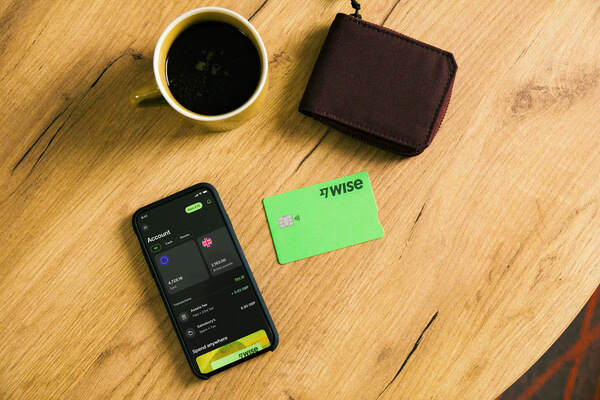
The Wise account is an easy way to hold and exchange 40+ currencies, including SGD, MYR, EUR, CNY, and more. All you need to do is create a free account to get started.
With Wise, you can exchange currencies at the mid-market rate each time, with low, transparent conversion fees from 0.26% and absolutely no markups. Plus, you can order a linked Wise card for convenient spending without any foreign transaction fees, and free ATM withdrawals up to the value of 100 SGD when you're overseas. You'll even get 8+ local account details to get paid conveniently to your Wise account in SGD and a selection of other major global currencies.
What's more, you can activate Wise Interest to earn returns* on your eligible balances while keeping your money available to spend.
*Growth is not guaranteed. Capital at risk.
Sending money or making payments abroad? Wise also offers fast, low cost transfers to 140+ countries - you can track your transfer in your account and your recipient will also be notified when a transfer reaches them.
Sources:
*Please see terms of use and product availability for your region or visit Wise fees and pricing for the most up to date pricing and fee information.
This publication is provided for general information purposes and does not constitute legal, tax or other professional advice from Wise Payments Limited or its subsidiaries and its affiliates, and it is not intended as a substitute for obtaining advice from a financial advisor or any other professional.
We make no representations, warranties or guarantees, whether expressed or implied, that the content in the publication is accurate, complete or up to date.

What is a DCC fee? Learn how dynamic currency conversion can add costs to overseas card payments and how choosing local currency may help you save abroad.
What is a transit visa? Learn when you may need one for a layover, how airport transit visas work, and how to save money while travelling overseas with Wise.

Planning a Singapore Grand Prix trip? See ticket prices, current availability, race dates, travel costs, and how to buy tickets safely.

Looking for Tomorrowland Belgium 2026 tickets? See ticket prices, sale dates, accommodation options, travel costs, and tips for buying passes.
Can you use Wise in Malaysia? Learn how Singaporeans can use the Wise card for MYR payments, ATM withdrawals and supported QR payments when travelling.

Can you use Wise in South Korea? Learn how Singaporeans can use the Wise card for KRW payments, ATM withdrawals and supported QR payments when travelling.











