
Cost of Outsourcing Social Media: A Guide for UK Businesses
Learn how much it can cost to outsource social media in the UK. Our guide explains average rates, pricing models, cost drivers, and more.


Trying to crack the Germany market from the UK? It’s a smart move, but Germany can be a lot of work if you aren't prepared.
This guide covers the opportunities and challenges of doing business in Germany, plus practical setup tips. And when it’s time to invoice in EUR, pay German suppliers, and keep FX costs visible, Wise Business helps UK firms stay in control.
There are lots of reasons why UK businesses choose Germany in which to expand their operations. From its accessibility to Europe, an advanced workforce and support for innovation, we’ll explore these opportunities in more detail below.
Germany has a population of about 83.5 million, which is a lot of customers, users, and procurement teams in one place. For many UK companies, it’s also a strategic base for wider EU growth once the model works.1
Cross-border momentum is often won or lost in finance ops. Being able to receive EUR, pay in EUR, and separate German cash flow from UK cash flow makes expansion feel less like “international” and more like business as usual.
Germany’s economy is built on serious industry, which can be great news for UK companies selling specialist services, components, or software. Germany Trade & Invest flags strong UK interest post‑Brexit in sectors like software, fintech, and digital health.2
Germany is Europe’s largest economy by GDP and market size. The German government is embarking on a major transformation driven by massive public investment in infrastructure, energy, digitization, and defence. They are working to ease bureaucracy and make it even easier to get a business up and running.
Germany combines technical talent with a reputation for structured training and professional standards. Unemployment was 3.4% in 2024 (World Bank), which suggests competition for hires in many fields.3
That can be a positive for quality, but it can stretch timelines and budgets. Build a hiring plan early, include local HR support, and assume your first hires will care about process, contracts, and clarity as much as pay.
Germany is known for stability and predictable processes, even if they can feel bureaucratic. For innovation-led firms, Germany’s R&D tax credit (Forschungszulage) is one incentive to explore. The OECD lists a 25% rate, with SMEs able to apply for 35%.4
In practice, the wise approach is to treat Germany like a long game. Invest in compliance, document decisions, and choose tools that keep costs transparent, especially for cross-border payments, currency conversion, and recurring supplier invoices.
| 💡 Read our international expansion checklist |
|---|
Germany can be an excellent place to grow, but it expects preparation. The main roadblocks tend to be admin, compliance detail, and the practicalities of operating in EUR while the home base still runs on GBP.
Company formation and registrations can involve several steps, and some requirements are handled at municipal level. Germany Trade & Invest describes clearly defined steps for setting up, but it still pays to build in extra time for approvals and documentation.2
If the plan is to expand business in Germany quickly, avoid procrastination with admin. Delays often land at the worst moment, such as when a major customer is ready to sign or a hire needs payroll set up.
Germany’s talent can be a big advantage, but employment rules and employee protections are robust. Contracts, notice periods, and benefits are typically treated as standard, not negotiable afterthoughts.
For UK firms, the practical challenge is speed. Hiring, onboarding, and payroll setup can take longer than expected. Budget for professional advice, and write job specs that are specific enough to attract the right candidates.
Corporate tax can vary by municipality, and VAT treatment depends on what’s being sold and to whom. Even experienced finance teams can stumble over invoice requirements, language expectations, or local reporting norms.
A simple way to reduce risk is to standardise processes early. Use consistent invoice templates, keep evidence for cross-border transactions, and avoid mixing UK and German books in ways that make reporting harder later.
Many German teams speak excellent English, but contracts, customer comms, and technical documentation often land better in German. If your product touches regulated areas, German-language documents can move from a nice-to-have to being absolutely essential.
This is also a brand signal. Localisation shows commitment, which can help sales cycles. It’s one of the quieter ways to build trust when competing against suppliers already embedded in the market.
UK firms sending staff to Germany, or delivering certain services, may face additional requirements after EU exit. The UK government publishes specific guidance on providing services and travelling for business to Germany and the wider EU.5
There could be issues such as: getting an authorisation or getting a licence to provide a service; complying with local business regulations; obtaining the correct visa, work permit or other documentation. It’s also vital to find out if EEA nationality requirements could prevent you from providing services in some sectors.
Don’t leave this to the week before a client visit. Check rules early, especially for regulated services, longer stays, or projects that look like practical work rather than meetings and conferences.
| 💡 Learn more about navigating risks of international expansion |
|---|
If you're thinking of starting your own new business venture in Germany, then there’s a few things to know to get started. We’ll walk through how to start a business in Germany, the costs involved and why doing business in Germany could give your UK business a boost.
| 💡 See our full guide to full guide to starting a business in Germany 🇩🇪 |
|---|
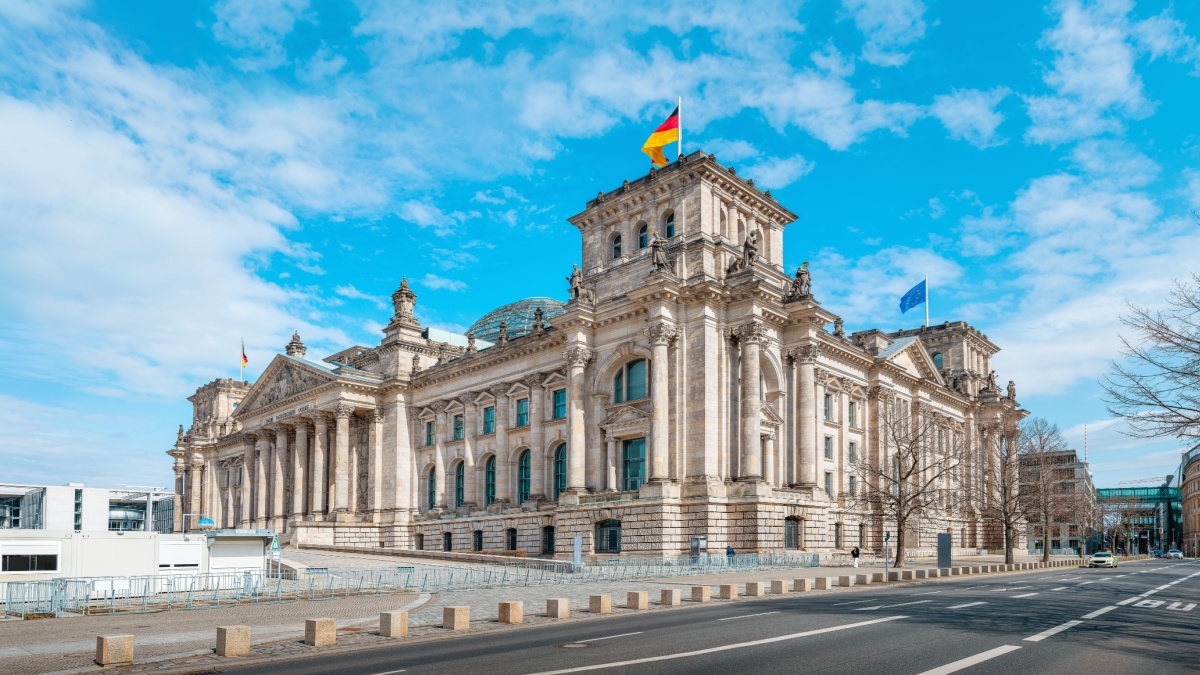
Berlin leads Germany’s startup scene and is ranked 14th globally by StartupBlink. Berlin’s ecosystem is significantly stronger than Munich’s, which hints at the concentration of founders, talent, and startup services.6
For UK startups, Berlin can be a good launchpad for partnerships and early hires. The trade-off is competition. Expect strong candidates to have options, and plan a clear employer brand and compensation strategy.

Munich is associated with B2B, hardware, and industrial innovation. If your offer targets engineering-heavy sectors, enterprise buyers, or high-value manufacturing supply chains, Munich can be a strong fit.6
Costs can be higher, but so can deal sizes. A wise approach here is to align overheads with sales strategy, and avoid committing to an expensive footprint before the pipeline proves it can carry it.

Hamburg benefits from its role as a major port and trading city. For companies shipping goods, managing supply chains, or selling into Northern Europe, Hamburg can reduce operational friction.6
It can also work well for ecommerce and consumer brands that need dependable fulfilment routes. Pairing a Hamburg base with EUR collections and EUR supplier payments can help ensure the smooth running of business.
There’s quite a distinction between UK and German business cultures. The UK tends to favor relationship building, with notes of informality. Whereas in Germany, business is more formal and direct.
Here are some considerations below to be aware of:7
Many expansion plans look great until the first invoice is sent, paid late, or paid with unexpected fees. Before signing major contracts, test your end-to-end flow: quoting in EUR, invoicing, receiving EUR, and reconciling payments cleanly.
Quoting in GBP while paying German suppliers in EUR can expose you to FX swings and hidden spreads. Pricing in EUR where possible can make costs and profit clearer, especially for repeat contracts and subscription billing.
Wise Business can support EUR workflows alongside GBP, so finance teams can track German revenue without month-end close being unnecessarily complex. It’s a small operational win that can protect bigger commercial wins. Wise Business also shows the mid-market exchange rate and Wise’s fee separately, so businesses can see what they’re paying for conversion. That visibility makes it easier to compare options and keep pricing decisions grounded.
Prioritise Compliance early
Compliance isn’t exciting, but it can be expensive when it’s late. Confirm which registrations apply, how VAT should be handled, and what invoice details German customers expect. Then lock it into templates and checklists.
If your team uses multiple tools, align them early. A consistent process across sales, finance, and operations reduces rework and supports growing business in Germany without constant debate around how things are done.
Build strong business relationships
As direct communication, punctuality and integrity are all foundational to Germany’s business culture, it’s crucial to demonstrate trust from the start of all client, supplier, or employee relationships.
Supplier relationships are easier when payments arrive as expected and fees don’t get shaved off along the way. Plan how you will pay German suppliers in EUR, and keep arrival times and payment references consistent. This is a quiet but core way to build trust in the German market.
Even when buyers speak English, German-language pages, contracts, and help articles can increase confidence and reduce friction. Localisation also improves all channels of marketing, which matters if your growth channel includes inbound leads.
This doesn’t mean translating everything on day one. Start with the high-impact pieces: pricing pages, core contracts, onboarding emails, and support paths linked to your highest-value products.
| 💡 You may also like: Germany's Freelance Visa |
|---|
Expanding into Germany gets easier when money moves with the same discipline as your plan. Wise Business helps UK companies manage EUR revenue, pay German suppliers, and keep FX costs transparent as they scale.

Wise Business lets businesses hold and convert between 40+ currencies using the mid-market exchange rate, with fees shown upfront so quotes and budgets are easier to defend. You can also receive payments with local account details in 8+ currencies, which helps German customers pay in EUR like they would a local supplier via getting paid or receiving money.
Add international payments for suppliers and partners, and the Wise Business card for travel and team spend across 150+ countries, and the Germany setup starts to feel seamless.
If the goal is to grow business in Germany without losing margin to avoidable costs, start with the account built for cross-border work.
Be Smart, Get Wise
*Disclaimer: The UK Wise Business pricing structure is changing with effect from 26/11/2025 date. Receiving money, direct debits and getting paid features are not available with the Essential Plan which you can open for free. Pay a one-time set up fee of £50 to unlock Advanced features including account details to receive payments in 22+ currencies or 8+ currencies for non-swift payments. You’ll also get access to our invoice generating tool, payment links, QuickPay QR codes and the ability to set up direct debits all within one account. Please check our website for the latest pricing information.
Pros include a large customer base, strong B2B demand, and a reputation for quality and long-term supplier relationships. Cons often include heavier admin, detailed compliance, and the practical challenge of operating in EUR while managing UK reporting in GBP.
It can be. Germany Trade & Invest reports increased UK company interest in Germany post‑Brexit, partly to maintain EU market access. The best approach depends on whether you need an EU entity, local hiring, or local contracts.2
Expect punctuality, structure, and direct communication. Agendas, written follow-ups, and clear deliverables matter. Early interactions can be formal, so default to professional titles and clarity until the relationship naturally relaxes.
Sources used
Sources last checked: 05-Mar-2026
*Please see terms of use and product availability for your region or visit Wise fees and pricing for the most up to date pricing and fee information.
This publication is provided for general information purposes and does not constitute legal, tax or other professional advice from Wise Payments Limited or its subsidiaries and its affiliates, and it is not intended as a substitute for obtaining advice from a financial advisor or any other professional.
We make no representations, warranties or guarantees, whether expressed or implied, that the content in the publication is accurate, complete or up to date.

Learn how much it can cost to outsource social media in the UK. Our guide explains average rates, pricing models, cost drivers, and more.
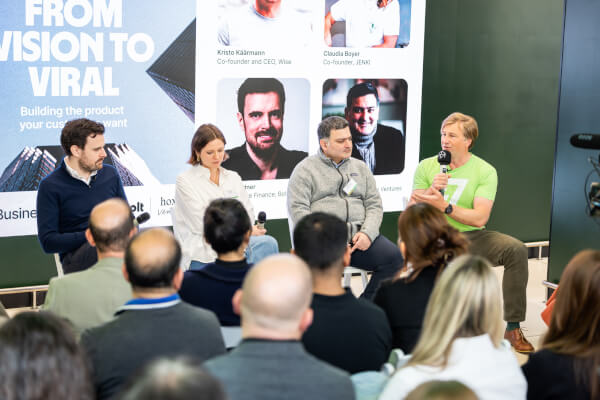
Startups today have never faced tougher competition. With investor expectations as sky high as valuations, nearly 20% fail because they are outcompeted and...

Learn how much it costs to start a business in Japan as a UK entrepreneur. Our guide breaks down setup fees, capital needs, and ongoing expenses.

It’s never too early to start getting your business finances in order to simplify your tax admin. To help you start the new tax year on the right foot, we sat...

Learn how much outsourcing software development costs in 2026 and what drives pricing. Our guide explains rates, models, hidden costs, and more.

Learn how much it costs to start a business in Finland as a UK entrepreneur. Our guide breaks down fees, taxes, and ongoing expenses.











