
Best time to visit Japan from the UK
Wondering when the best time to visit Japan from the UK is? Learn about the weather, planning your trip and things to do in Japan.


Are you planning on travelling from the UK to Japan? Maybe you’ll be exploring the towering streets of Tokyo, or using a Japan Rail Pass to pay a visit to the ancient temples and traditional tea houses throughout the country.
Wherever (and however) you plan to spend your time in Japan, there are some cultural etiquette rules to keep in mind - from the polite way to use public transportation to the best bath house behaviour. In this article, we explore 10 of the top travel etiquette rules you need to know to not just observe the culture, but also take part in it as a respectful visitor.
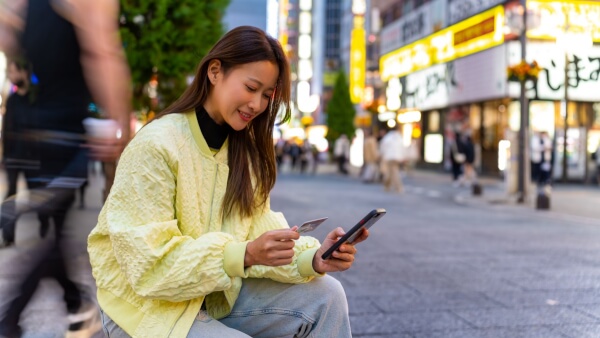
For the travel expenses you pick up during your journey, the Wise debit card is a convenient and cost-effective option. It’s designed for low-cost spending in 150+ countries, and it automatically converts your pounds to Japanese yen (JPY) whenever you spend, for low, transparent fees* and mid-market exchange rates.
Learn more about the Wise debit card 💳
| Etiquette Rule | What to Remember |
|---|---|
| Rubbish | Take your rubbish with you - public bins are limited. |
| Eating in public | Avoid eating while walking in most cities. |
| Shoes indoors | Remove shoes indoors and follow slipper rules. |
| Public transport | Stay quiet and keep phones on silent. |
| Onsen | Shower thoroughly before entering the bath. |
| Punctuality | Arrive 5-10 minutes early. |
| Chopsticks | Never stick them upright in rice. |
| Language | Learn a few basic Japanese phrases. |
| Paying | Handle cash with both hands. |
| Tipping | Don’t tip - it’s generally not expected. |
You might find it a bit peculiar that large Japanese cities like Tokyo appear nearly spotless and there are no rubbish bins around. How can that be? In Japan, it’s expected that you hold on to your own rubbish until you find a proper bin to dispose of it in.
They’re often inside convenience stores (konbinis), at train stations, or back at your hotel or holiday home, where you’ll be able to meticulously sort it into bins for plastic, paper and other waste. Don’t fancy holding on to a sticky wrapper all day? It’s also the norm to bring a small extra bag for bottles and packaging.1
Ready to go on a sightseeing stroll with that big ice cream cone you just bought? It’s better to stay put and enjoy it right where you purchased it - just like with any street food or snack. *Konbinis *will even have special stands to consume the coffee or packaged product at hand.
As the rule around rubbish shows, the Japanese place a high value on cleanliness and don’t want others to be disturbed by potential waste or even unpleasant smells. It’s also considered disrespectful to the food itself to simply chow down on the go without being mindful of what you’re eating.2
Before entering a home, it’s customary to remove your shoes at the threshold, a practice deeply rooted in cultural values of cleanliness and respect for shared spaces. This custom extends beyond private homes: many public places, including temples, tea houses, and some restaurants, also require visitors to take off their footwear.
Guests are often provided with indoor slippers, though in rooms with traditional (and delicate) tatami mats, it’s customary to walk in socks or barefoot to avoid damaging the surface. In both homes and private establishments, you’ll usually find a separate pair of slippers reserved exclusively for the bathroom, helping to prevent impurities from spreading elsewhere.3
Even if you’re on a packed subway train, you might only be able to hear the shuffling of feet — or a whisper here or there. In order to stay considerate to others, Japanese commuters will only take part in hushed conversations, read or simply close their eyes and rest.
Any louder voice tone is usually only coming from an announcement reminding passengers to keep their phones on silent mode. Most of the time you won’t even hear (or see) a sneeze: since long before the Covid-19 pandemic, it’s been a cultural norm to wear a face mask if you’re feeling sniffly so as not to disturb — or infect — other passengers.4
Onsen (traditional hot springs) and bath houses are a wonderful cultural experience not to be missed. But before you take a rejuvenating soak in the flesh, you’re meant to get as clean as possible with soap and warm water at the sit-down showers provided.
The kakeyu (water for pouring over yourself at the entrance) is also a custom that’s not meant to replace a thorough shower. Many onsen don’t allow tattoos, but if you have them and are still keen on a dip, ryokan (traditional Japanese inns) often have private baths without this policy.5
Whether you’re going to a business meeting or a restaurant reservation, it’s the norm to be on time -- which in Japan means 5 to 10 minutes earlier than the scheduled time. If you’re running late, don’t rely on excuses like your train being delayed, as public transport in Japan is famously punctual.
In fact, a common expression if you don’t make it by the agreed upon time is Moushi wake gozaimasen (I have no excuse), which conveys regret and focuses on the apology rather than trying to justify your tardiness.6
First of all, kudos to you for making an effort to use chopsticks, by far the default cutlery in Japan. You don’t need to master them, but there are a few *faux pas *to avoid. The biggest among them is avoiding sticking your chopsticks upright in a rice bowl, as this practice is only reserved for funeral rituals.
On the same token, you won’t want to directly pass food from your set of chopsticks to another’s, which mimics a well known custom at Buddhist burials. You also shouldn’t stab food or use them as tongs, even if you might get a slight pass if travelling with kids.7
You don’t have to string full sentences together, but learning a few common words and phrases in the language will go a long way in showing locals you’re making an effort to adapt to their culture.
Plus, outside of bigger cities and towns you’ll be more hard pressed to find English speakers. Wherever you are, useful vocabulary include: arigatō gozaimasu (a formal thank you), konnichiwa (a formal hello), sumimasen (sorry/excuse me), hai (yes), iie (no) and - one practical question all travellers will need at some point - Toire wa arimas ka? (Do you have a toilet?)8.
You’ll likely be handling a lot of cash in Japan, considering that it’s still the country’s most popular payment method. So it’s important to know the correct way to give and receive it: when you get cash back following a transaction, it’s considered polite and respectful to accept it with both hands.
On the contrary, this is also how you give it to others, even if you’re just setting the money on a tray at a convenience store. This practice, which extends to receiving business cards and gifts, acknowledges the other person’s status and demonstrates humility.3
If you’ve just enjoyed a fabulous meal at a restaurant in the UK, it’s a no-brainer to leave a little tip behind as a sign of appreciation. But doing so in Japan is taboo and even considered rude, as excellent service is meant to be included in the price and part of a strong hospitality culture.
You can instead express your gratitude with an *arigatō gozaimasu *and a slight bow before you leave. In certain cases, like when you’ve hired a private guide or interpreter used to international practices, it’s acceptable to hand over a tip in a small white envelope. Then it’s considered a gesture of kokorozuke, or giving straight from the heart.9
Open a Wise account online and you can order the Wise debit card for a one-time fee of £7. You can use this card in 150+ countries.
It automatically converts your pounds to local currency whenever you spend using the mid-market exchange rate, only adding a tiny, transparent conversion fee* – or it’s free if you already have the local currency in your Wise account.
You also get free ATM withdrawals up to 250 GBP (or currency equivalent) each month. Wise will not charge you for withdrawals up to this limit, regardless of how many withdrawals you make. After that, a 2.69% fee applies. Additional charges may occur from independent ATM networks.
Yes. In many Japanese cities, eating while walking is discouraged. It’s best to eat near where you bought your food and dispose of rubbish properly.
Usually, yes. When entering homes, traditional accommodation, temples or some restaurants, you’ll be expected to remove your shoes. Indoor slippers are often provided.
Often no. Many traditional onsen still restrict visible tattoos, although some now allow them or offer private baths you can book.
No. Tipping is not customary in Japan and can cause confusion. Good service is included in the price.
Cash is still widely used, but cards and contactless payments are common in major cities. Smaller shops and rural areas may still prefer cash.
Sources used for this article:
Sources checked on 14-December-2025
*Please see terms of use and product availability for your region or visit Wise fees and pricing for the most up to date pricing and fee information.
This publication is provided for general information purposes and does not constitute legal, tax or other professional advice from Wise Payments Limited or its subsidiaries and its affiliates, and it is not intended as a substitute for obtaining advice from a financial advisor or any other professional.
We make no representations, warranties or guarantees, whether expressed or implied, that the content in the publication is accurate, complete or up to date.
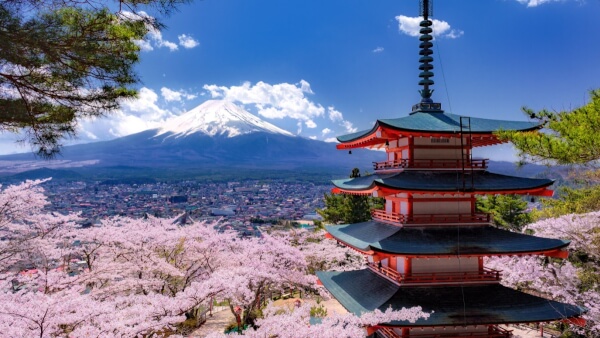
Wondering when the best time to visit Japan from the UK is? Learn about the weather, planning your trip and things to do in Japan.
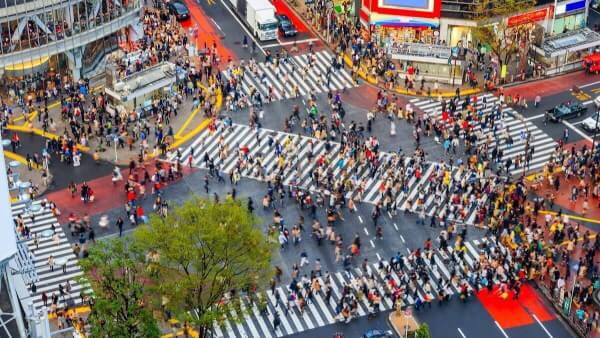
Read our essential guide to ATMs in Japan, including how to find them, fees, exchange rates, withdrawal limits and more.
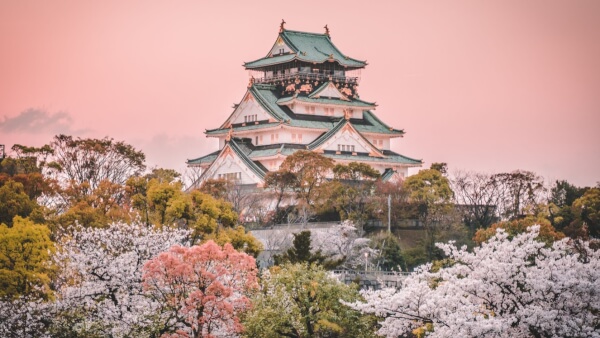
Want to stay connected while travelling in Japan? Our guide explores the best eSIMs for your trip, including factors to consider, how to activate and top tips.

Read our guide detailing how to withdraw money from Wise in Japan and what are the limits and fees included.
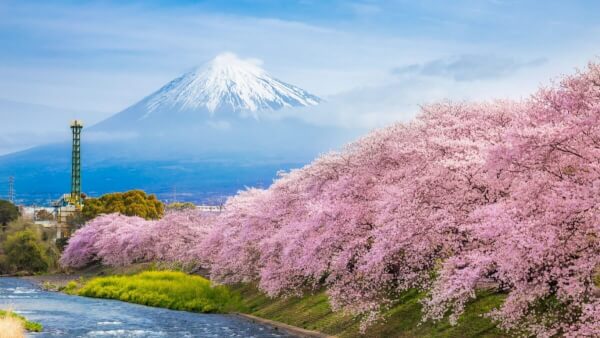
Read our essential guide on travel to Japan from the UK, featuring must-know travel advice on money, safety, visas, transport and more.
Travelling to Japan? Read our roundup of the best UK credit cards to use in Japan, comparing interest rates, fees and more.











