Japan Etiquette for Tourists: 10 Tips for Your Trip
Planning a trip from the UK to Japan? Read our guide to 10 essential etiquette rules, from onsen tips to chopstick use and public transport.


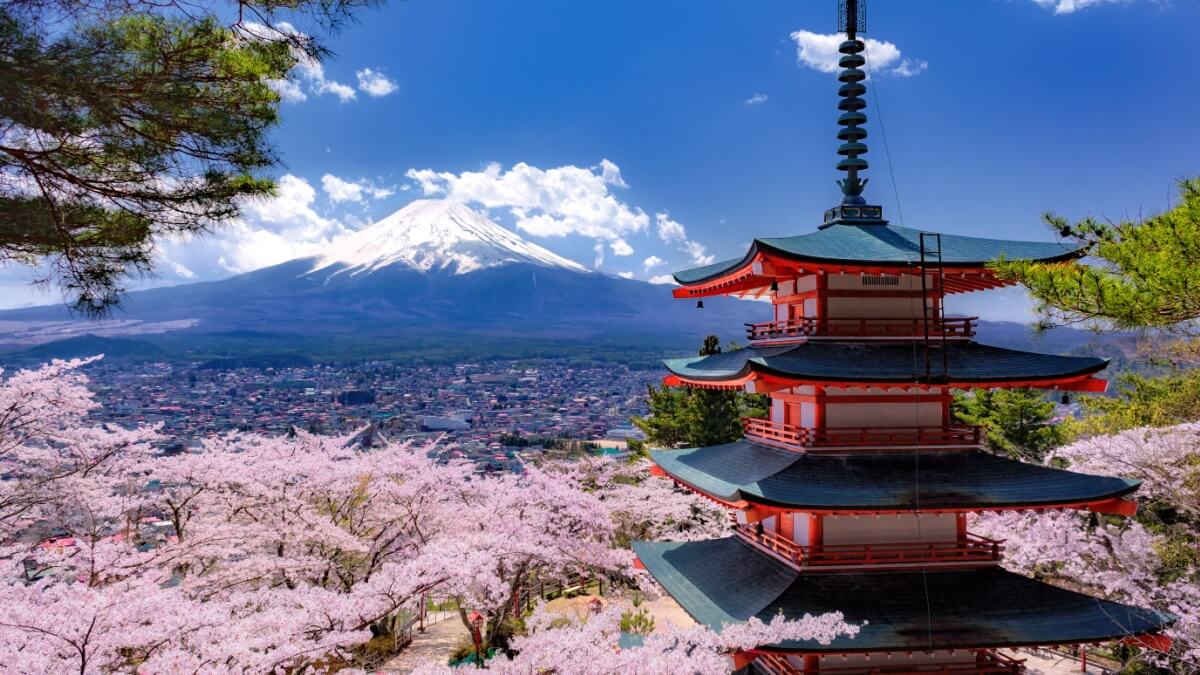
If you are looking for a holiday destination that blends stunning natural landscapes, vibrant cities and rich culture, Japan checks all the marks. While you can enjoy the country in any season, the weather can make a big difference to your plans.
Wondering when is the best time to visit Japan from the UK? Read our guide for information on weather, flight prices and things you can do in Japan. This will help you plan your trip, avoid large crowds and keep costs under control.
We’ll also mention the Wise card, a cost-effective option for spending in Japan. It allows you to spend in 150+ countries, with low, transparent fees* and the mid-market exchange rate.

The best time to visit Japan depends on your interests and your travel budget. In general, the most pleasant weather for sightseeing falls between March and May or September and November. However, these periods also tend to be the most expensive times to travel.
Japan offers plenty to enjoy in every season, from cherry blossoms in spring to snow sports and mountain landscapes in winter. Understanding the seasonal patterns can help you plan, but you can still have a memorable trip if the weather isn’t perfect.
We’ll break down the seasons and help you decide the best time to visit Japan, along with ideas for what you can do throughout the year.
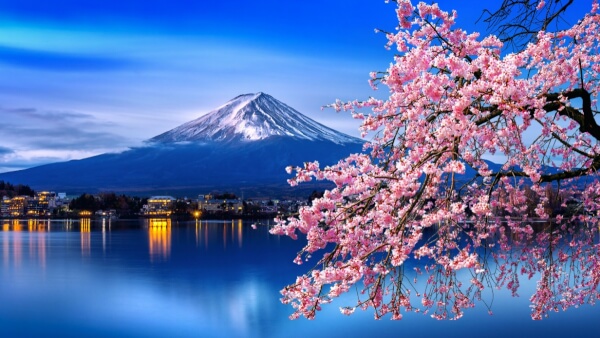
Spring is one of the most popular times to visit Japan, largely because many people plan their trip around the cherry blossom season. The weather is mild, with temperatures reaching 20 degrees in some regions.
The iconic cherry blossoms can usually be seen from late March to early April, but they can even bloom in late February in coastal areas. In northern regions such as Hokkaido, the season starts a bit later. There are many sakura-themed events, such as the Takayama Festival and the Sanja Matsuri.
May is another excellent month to visit, but it can be quite crowded. Locals have a week off during Golden Week, a series of national holidays at the beginning of the month, so they’re also travelling around the country. Booking accommodation in advance is highly recommended.
If you’re worried about the crowds, the south of Japan sees fewer tourists even in peak season. Exploring this part of the country can be a great alternative, and you can still take advantage of the warm spring months.
Summers in Japan are hot and humid, with temperatures often exceeding 30 degrees in big cities like Tokyo and Osaka. Once the rainy season starts, you can expect frequent showers and high humidity, so it’s best to explore the countryside during these months.
The Japanese Alps, Hokkaido’s national parks and other natural gems are great alternatives to the hot cities. You can go hiking or trekking in the mountains, or try scuba diving in the Okinawa islands, whichever you prefer.
If you can handle the heat, Japanese cities host a variety of festivals in summer. The Sumidagawa Festival in Tokyo, Nagaoka Fireworks in Niigata and Tanabata in Sendai are just a few highlights.
Visiting Japan in autumn is a great choice. The main attraction during this season is the stunning fall foliage, particularly in regions such as Kyoto, Nikko and the Japanese Alps.
The leaves start changing colour in Hokkaido first, then spread to the rest of the country in October and November. If you’re visiting Tokyo and want to go hiking, this is a great time to visit the nearby Mount Takao or Mount Mitake.
There are plenty of festivals during this season, such as the Takayama Autumn Festival or the Tokyo International Film Festival. The Nagasaki Kunchi Festival is a great opportunity to see traditional taiko performances and dragon dances.
Autumn can also be a good time for hitting the beach. Although Japan isn’t usually associated with beach holidays, coastal towns on the Izu Peninsula enjoy warm weather and pleasant waters.
Winter in Japan is perfect for snow sports enthusiasts and those seeking less crowds in the cities. Temperatures can be quite cold, particularly in the Japanese Alps, but cities like Tokyo and Osaka remain relatively mild.
Accommodation is generally the cheapest in the winter months, except if you’re visiting the Japanese ski resorts. The world-class ski resorts in Hokkaido, Nagano and Niigata are packed between December and February, so it’s necessary to book well in advance.
Winter is also the season for festivals such as the Sapporo Snow Festival or the Sounkyo Ice Waterfall Festival in Hokkaido. The festival in Sapporo is an opportunity to see stunning snow and ice sculptures.
If you’re comfortable with colder weather, the winter is a great time to visit the destinations that are more expensive and busy in the warmer part of the year.
Japan mixes tradition and modern life like nowhere else. From bright city streets to beautiful landscapes, there’s something for everyone to enjoy. Let’s go over some experiences you can add to your itinerary.
Onsen hot springs are a perfect way to warm up after a day in the snow. You can find them in towns such as Hakone, Beppu and Kusatsu, as well as in some larger cities.
Onsens are an important part of Japanese culture, offering health benefits and a sense of community. There are over 3,000 hot spring resorts in the country, so you should be able to find one in your area.¹
Japan hosts festivals throughout the year, including spring celebrations like Ueno Sakura Matsuri, Gion Matsuri in Kyoto in July and the Sapporo Snow Festival during winter. Festivals are a colourful way to experience local traditions, art performances and street food.
Attending a traditional Japanese tea ceremony is a must for anyone visiting the country. You’ll see the art of preparing and serving matcha and learn about the rituals that have been followed for centuries. It’s a memorable experience that offers a glimpse into Japan’s traditions.
Although sushi is the first thing that comes to mind when you think of Japanese food, there’s so much more to discover. Japan has incredible street food, unique convenience store treats, Michelin-star restaurants and plenty of other culinary experiences. Don’t be afraid to ask the locals for their favourite spots.
Whether you’re planning to wander through Tokyo’s neon-lit streets, admire the temples in Kyoto or hike through Japan’s countryside, you’re in for an unforgettable trip. Before you go, there are a few practical things to sort out to make sure everything goes smoothly.
British tourists can enter Japan visa-free and stay up to 90 days. If you wish to extend your stay, it’s possible to apply for an additional 90 days at a local immigration office, as long as your passport remains valid.²
For longer stays or if you plan to work or study, you’ll need to obtain the appropriate visa.²
There are flights to Japan from a few major UK cities, such as London, Manchester, Birmingham, Glasgow and Edinburgh. The average flight time is close to 14 hours and the most popular airline is Japan Airlines. Other airlines operating this route include Iberia, British Airways and ANA.³
Flight prices vary throughout the year, based on factors such as how far in advance you book and your departure airport. But, the cheapest month to fly to Japan from the UK is usually January, with fares starting at around £370. Flying at the end of summer can be much more expensive, sometimes costing twice as much.³
Open a Wise account online and you can order the Wise debit card for a one-time fee of £7. You can use this clever card in 150+ countries.
It automatically converts your pounds to local currency whenever you spend using the mid-market exchange rate, only adding a tiny, transparent conversion fee* – or it’s free if you already have the local currency in your Wise account.
You also get free ATM withdrawals up to 250 GBP (or currency equivalent). Wise will not charge you for withdrawals up to this amount, regardless of how many withdrawals you make, but additional charges may occur from independent ATM networks. After this, a variable fee of 2.69% applies.
Sources used:
Sources last checked on date: 27-Nov-2025
*Please see terms of use and product availability for your region or visit Wise fees and pricing for the most up to date pricing and fee information.
This publication is provided for general information purposes and does not constitute legal, tax or other professional advice from Wise Payments Limited or its subsidiaries and its affiliates, and it is not intended as a substitute for obtaining advice from a financial advisor or any other professional.
We make no representations, warranties or guarantees, whether expressed or implied, that the content in the publication is accurate, complete or up to date.
Planning a trip from the UK to Japan? Read our guide to 10 essential etiquette rules, from onsen tips to chopstick use and public transport.
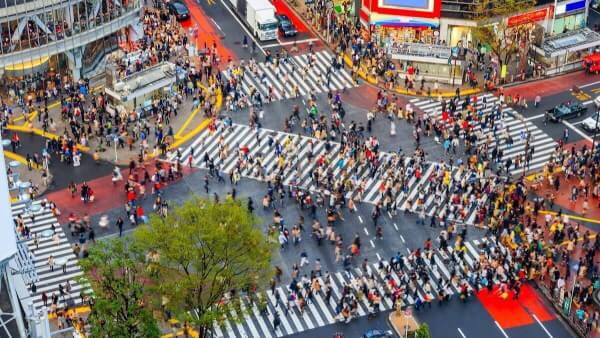
Read our essential guide to ATMs in Japan, including how to find them, fees, exchange rates, withdrawal limits and more.
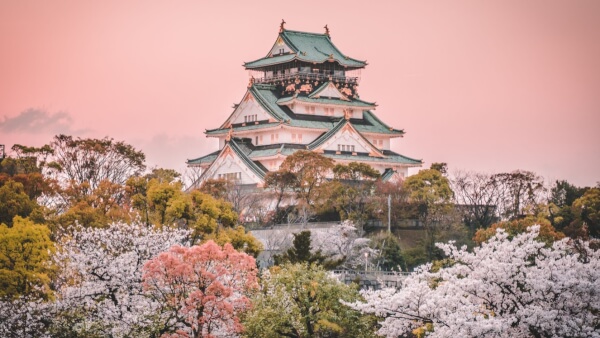
Want to stay connected while travelling in Japan? Our guide explores the best eSIMs for your trip, including factors to consider, how to activate and top tips.

Read our guide detailing how to withdraw money from Wise in Japan and what are the limits and fees included.
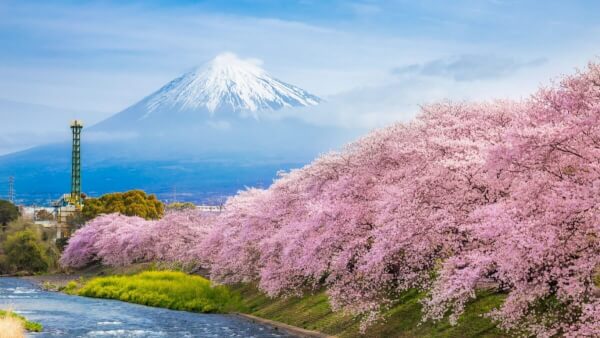
Read our essential guide on travel to Japan from the UK, featuring must-know travel advice on money, safety, visas, transport and more.

Travelling to Japan? Read our roundup of the best UK credit cards to use in Japan, comparing interest rates, fees and more.