
Japan Etiquette for Tourists: 10 Tips for Your Trip
Planning a trip from the UK to Japan? Read our guide to 10 essential etiquette rules, from onsen tips to chopstick use and public transport.


Planning a trip to Japan usually starts with setting a budget, but understanding how you’ll actually pay for things is just as important. Local payment habits can be quite different from what you might be used to and knowing when to use cash or cards can save you time and hassle along the way.
Even though card use is on the rise, Japan is still not a fully cashless country. In major cities like Tokyo, digital payments are widely accepted, while in smaller towns and rural areas, cash is often still the norm.
In this article, we’ll take a closer look at whether using cash or cards in Japan is the better choice for your trip. We’ll explain how people usually pay in different situations so you can handle everyday transactions with ease.
We’ll also introduce the Wise card, a cost-effective option for spending abroad or online. It allows you to pay and withdraw cash like a local in 150+ countries, with low, transparent fees* and the mid-market exchange rate.
Learn more about the Wise card 💳
Even though Japan is technologically among the top countries in the world, cash is still the primary payment method. Cash is still the primary payment method and statistics show that just under 60 percent of all payments are made in cash. It’s thought to be a more reliable and secure option, especially due to a high share of senior customers.1
However, the use of cashless methods is rising, so even the near future might look different. If you’re travelling to bigger Japanese cities, such as Tokyo or Osaka, you’ll mostly be able to get by without cash. However, the Japanese countryside is where you’ll encounter problems with cashless payments.
Even if you plan to rely on digital payments in Japan, make sure to carry some cash regardless. Small denominations, such as ¥10, ¥100 and ¥1,000, are especially useful in rural areas and at smaller businesses.
In some situations, particularly at vending machines, larger bills may not be accepted.2
While cash is often used for tipping in other countries, this practice is uncommon in Japan. Not only is tipping not expected, it can even be considered rude and locals may return the money.
That said, tour guides or tourist-oriented hotels may occasionally accept tips, but these should always be given discreetly. The best approach is to put the money in an envelope and hand it over in person.2
When paying in cash, whether at restaurants, shops or in taxis, you’ll usually be expected to place your money on a tray instead of handing it directly to the staff. Your change will be returned the same way, so avoid taking it directly from someone’s hand.2
Want to work out exactly how much things cost? Explore our live Japanese yen exchange rate currency converter.
We’ve listed some common situations where you’ll be paying for things in Japan. Here’s whether you’ll be able to pay by card, in cash or both:
| Paying for… | Card 💳 | Cash 💴 |
|---|---|---|
| 🚕 Taxis | Usually (indicated on the taxi door)3 | Yes |
| 🏪 Convenience stores | Yes | Yes |
| ⛩ Temples and shrines | Usually no4 | Yes - often preferred, especially coins |
| 🚌 Public transport | Depends on transport5 | Yes |
| 🛒 Vending machines | Sometimes | Yes |
| 🏯 Museums and castles | Yes | Yes |

ATMs in Japan are widely available, especially in urban areas, so finding one is generally not a problem. They are commonly located in convenience stores such as 7-Eleven, as well as in post offices and department stores. However, not all Japanese ATMs accept international cards, so it’s best to look for a Seven Bank or postal ATM.6
If you are using a post office ATM, be aware that its hours may be shorter on Sundays and national holidays. In such cases, it is best to use an ATM located at a bank or in a convenience store.6
The withdrawal limit for international cards is usually ¥100,000.7
You can use international cards in Japan, including your UK debit card. If your card’s symbol isn’t displayed in a store, make sure you ask whether it’s accepted.8
If you plan on visiting smaller towns, make sure you also have cash on you.
Yes, you can use your UK credit card throughout Japan.8
Although cards are widely accepted in Japan, many places still operate on cash only. Smaller shops and independent businesses often prefer cash, so it’s a good idea to carry smaller denominations. Not all taxis accept cards either, so you may find yourself needing cash regularly.
If you plan to travel to the countryside, be prepared for cash-only businesses and attractions. Some of Japan’s most well-known landmarks, including Buddhist temples and Shinto shrines, accept only cash at the entrance.
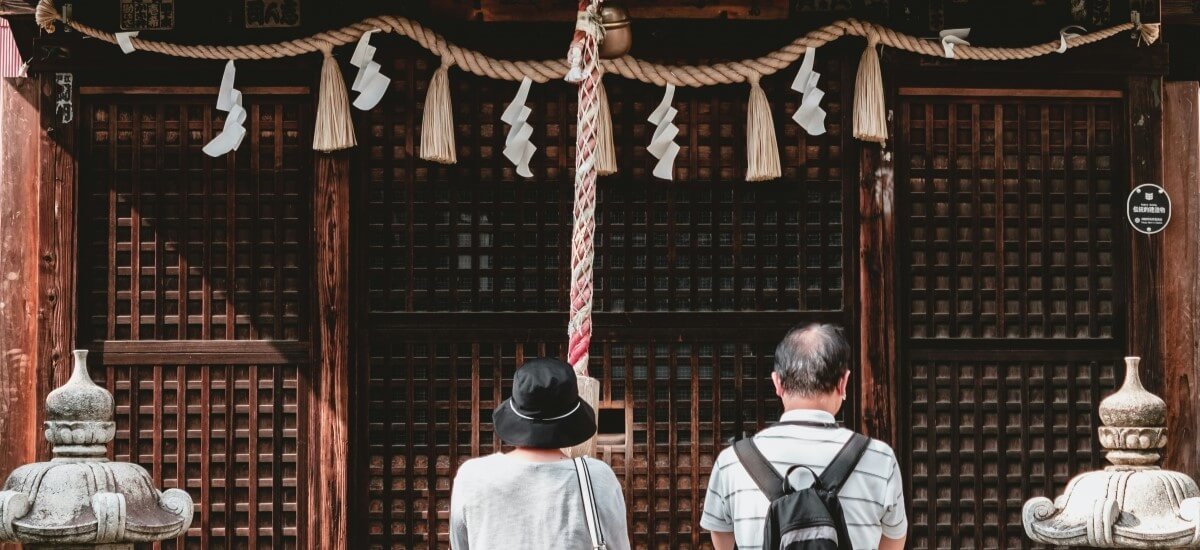
Keeping some coins on hand can also enhance your experience. For instance, it’s believed that tossing a 5-yen coin into a Shinto shrine offering box brings good fortune. The Japanese pronunciation of “5 yen” sounds similar to the word for “luck,” which is the origin of this tradition.9
In Japan’s major cities, payment cards are accepted almost everywhere, making them a hassle-free way to pay. You can simply tap and go, without worrying about carrying or losing cash. Cards are especially convenient for short trips, helping you avoid leftover money that would need to be exchanged back home.
That said, it’s smart to carry some Japanese yen just in case. Some smaller shops, local eateries and tourist attractions still operate on a cash-only basis, so having cash ensures you won’t miss out on anything.
Contactless card payments are being implemented more in Japan, but they’re not available everywhere. Stores that accept them will usually display a contactless symbol, but it’s best to ask and check.10
The contactless limit in Japan is ¥20,000.11
Your Wise card is a good payment option for contactless transactions in Japan. But, if you prefer leaving your cards at home, you can get the Wise virtual card with the same features.
Besides the traditional cards and cash, other payment methods are available in Japan.
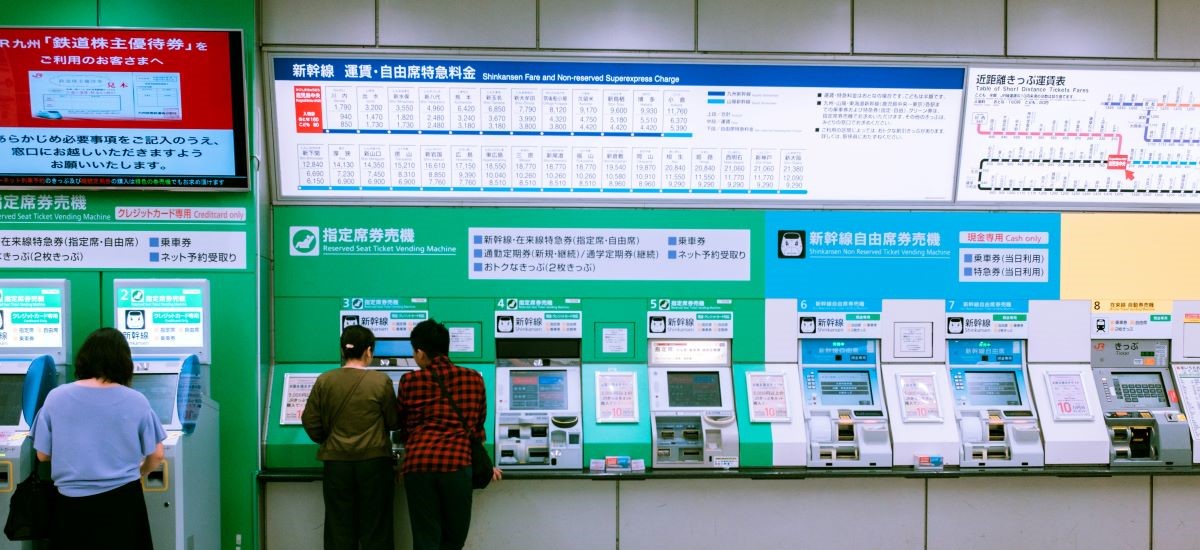
Japanese IC cards were originally designed for public transportation, but they can now be used to pay for a variety of services in urban areas. This includes vending machines, shops and some cafes and restaurants.2
Some of the most popular IC cards include Suica, PASMO, ICOCA, Kitaca, PiTaPa, Hayakaken and TOICA. If you’re already getting one for trains and buses, you can also use it as a convenient payment card.2
There are also digital versions of Suica and PASMO available through their official apps. However, while you can use these apps on most Apple devices, they’re only available on Android phones sold within Japan. This is because those phones support Japan's FeliCa (Osaifu-Keitai) system.2
FeliCa is a contactless smart-card technology widely used in Japan for transportation and electronic payments. Its mobile version, originally called Osaifu‑Keitai, allows compatible smartphones and wearable devices to function like contactless cards. Users can tap their devices on compatible readers to pay for transit or purchases.12
Some commonly used mobile payment methods, including Apple Pay, Google Pay and Alipay, might not always be available for use in Japan. Certain stores only accept local payment methods such as QR code-based systems. The most popular ones are PayPay, LinePay, RPay and MerPay.10
You can add Suica, Pasmo and ICOCA cards to your Apple Wallet and use them to pay in stores and public transport. Just make sure your Apple Pay is updated before you leave for Japan.13
The Wise virtual card is a great digital option. It has all the benefits of a regular Wise card, but it exists in your phone only. You can freeze your Wise virtual card after every transaction, so top-notch security is guaranteed.
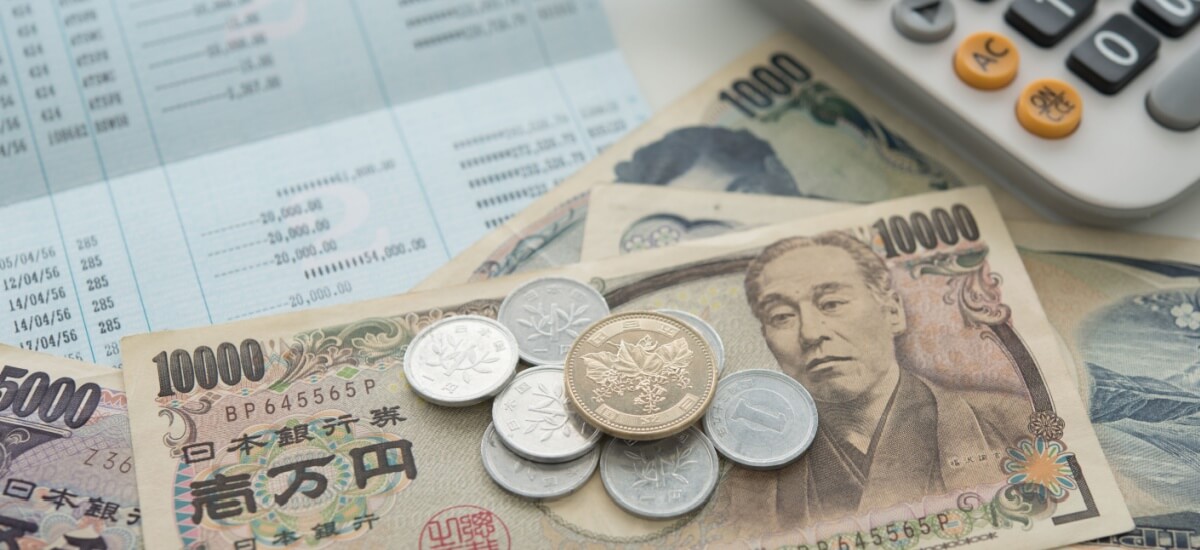
Cash is still the most popular payment method in Japan. If you travel to the countryside, it will most likely be your only option. Although cards and other cashless ways of paying are widely accepted in urban areas, you should still have some old-fashioned cash on you.
Want to spend like a local in 150+ countries, including Japan, without worrying about exchange rates and hidden fees? The Wise card, from the money services provider Wise, might be just the thing you’re looking for.
The Wise card can be used for any international payment, including accommodation costs and daily expenses. It automatically converts the currency at the mid-market exchange rate with only a small, transparent currency conversion fee. You can also use it to easily withdraw yen from the ATMs in Japan.
You can also order the Wise prepaid travel card before your trip to Japan. Top it up with a specific amount of money and you won't have to worry about overstepping your budget or exchanging pounds to yen. You can also get it in digital form to add another layer of security.
To summarise, here are some of the most frequent questions about using cash or cards in Japan.
In general, yes. Although cards are widely accepted in big cities, it’s better to have cash when travelling to the countryside.
You don’t have to get yen in advance. Instead, use your Wise card at a Japanese ATM and have it automatically convert the currency for you.
It depends on the ATM. For example, Japan Post Bank’s ATMs may charge a ¥220 fee for certain international cards.14
Many of them do, but there will usually be a sticker on the door to indicate accepted payment methods.3
That depends on your spending habits. On average, budget travellers spend between ¥8,000 and ¥16,000 per day.15
Use cash or your Wise card.
Some ATMs are available 24 hours a day, while others have limited operation hours. For example, ATMs in small post offices are often closed on weekends.6
Sources used in this article:
1. Statista - cashless payments in Japan
2. Japan Travel - money in Japan
3. Japan Guide - Japanese taxis
4. Consumer Hotline for Tourists - fees for visiting shrines and temples
5. Unseen Japan - credit card tap-to-pay in Tokyo trains
6. Japan Guide - ATMs in Japan
7. Seven Bank - Seven Bank ATMs
8. Japan National Tourism - credit cards in Japan
9. Japanese Airlines - etiquette tips when visiting temples and shrines
10. Japan National Tourism - cashless payments in Japan
11. Merchant Machine - contactless limits
12. FeliCa Networks - mobile FeliCa platform
13. Apple Support - Suica, PASMO or ICOCA cards in Apple Wallet
14. Japan Post Bank - international ATM service fees
15. Trip.com - 2026 Japan travel cost breakdown
Sources last checked on date: 23-Mar-2026
*Please see terms of use and product availability for your region or visit Wise fees and pricing for the most up to date pricing and fee information.
This publication is provided for general information purposes and does not constitute legal, tax or other professional advice from Wise Payments Limited or its subsidiaries and its affiliates, and it is not intended as a substitute for obtaining advice from a financial advisor or any other professional.
We make no representations, warranties or guarantees, whether expressed or implied, that the content in the publication is accurate, complete or up to date.

Planning a trip from the UK to Japan? Read our guide to 10 essential etiquette rules, from onsen tips to chopstick use and public transport.
Wondering when the best time to visit Japan from the UK is? Learn about the weather, planning your trip and things to do in Japan.
Read our essential guide to ATMs in Japan, including how to find them, fees, exchange rates, withdrawal limits and more.
Want to stay connected while travelling in Japan? Our guide explores the best eSIMs for your trip, including factors to consider, how to activate and top tips.

Read our guide detailing how to withdraw money from Wise in Japan and what are the limits and fees included.
Read our essential guide on travel to Japan from the UK, featuring must-know travel advice on money, safety, visas, transport and more.











