
Complete guide to retained profit for businesses
Growth costs money, but the question is whether yours should come from outside investors and lenders, or from the profits you’ve already earned and kept in...



Duplicate payments slip in quietly, usually when AP processes are stretched, inboxes are messy, and you’re tempted to pay vendors without verifying payment details. Unless you address the root causes, duplicate payments recur, leaking valuable company funds.
This guide shows you how duplicate payments happen, how to reduce them, and what to do if they still occur. It also shows how Wise Business can support cleaner payment execution as your supplier list grows.
💡 Learn more about Wise Business
A duplicate payment is when your business pays more than once for the same goods or services. In accounts payable, that often means paying the same invoice twice, but it can also look like two bank transfers for one bill or repeated card charges for a single purchase. The hard part is that duplicates are not always identical, so simple same invoice number checks can miss them.
In practice, duplicates tend to fall into two buckets, exact duplicates and near-duplicates.
Duplicate payments usually come from a chain of small failures rather than a big one. The most frequent causes below map to people, process, and technology, with vendor file duplication cutting across all three.
Manual processes create duplicate risk at every handoff. If invoice data is keyed in from PDFs, emails, or spreadsheets, typo errors can generate a second record that does not match the first. This can cause mistakes in the recorded invoice numbers or amounts, which reduce the chance of catching duplicates before disbursing money.
Manual work also makes controls harder to scale. As volumes rise, teams rely on memory and quick judgment instead of structured checks. This creates loopholes for duplicate payments.
When invoices land in multiple inboxes, duplicates happen before AP even sees them. If procurement, ops, and finance can each receive and approve supplier bills, the same invoice can be processed in parallel. When different departments submit and approve similar or almost similar invoices identical or near-identical invoices simultaneously the risk of payment duplication rises.
Create clear policies and procedures for invoice submission and approval to minimise duplicate payments and keep accounts payable consistent. A single, shared intake route is not just tidy, it is protective.
Invoice management issues show up as missing references, inconsistent numbering, and unpredictable approval steps. When invoices are not linked to purchase orders, receipts, or contract milestones, it becomes harder to tell whether you are paying for something new or not. Standardise accounts payable workflow and match invoices as controls for preventing duplicates and erroneous payments.
Duplicate vendor numbers for the same vendor are a primary cause of duplicate payments, because payment history becomes scattered across records, and duplicates become harder to spot. You might be paying “Leeds Delivery Services Ltd” and “Leeds Delivery Services Limited” without realising they are the same supplier.
Duplicates also emerge when systems disagree about reality. Say there are syncing issues between systems, and an invoice appears missing, gets entered manually, and then reappears when systems update. In fast-growing businesses, purchasing, accounting, and payment tools often move at different speeds, and duplicates can creep in the gaps.
Also, multiple source documents amplify the problem. If an invoice arrives by email and post, or through different contacts at the same vendor, two teams can process the same invoice without a shared reference point.
Most duplicates are unintentional, but fraudulent payments can mimic duplicate patterns. Fraudsters outside your company may submit invoices with minor changes to trigger a second payment, and a worker may create duplicate or fake invoices to push money out through AP. So duplicate payments can be both an efficiency issue and a fraud signal, depending on the pattern and context.
| 💡 See our guides on: tracking invoices, streamlining vendor payments and payment fraud prevention strategies |
|---|
The effects of duplicate payments compound. About 0.5-1.5% 0f a company’s outgoing cash may be duplicate payments.¹ Even if you recover some of that, the business still pays in time, attention, and process disruption. The impact is usually felt across cash flow, reporting, and risk.
A duplicate payment uses cash that was already allocated to something else. For startups and growing SMEs, that can mean delayed hiring, postponed marketing, or an uncomfortable payroll buffer. Even when refunds arrive, they often arrive on the vendor’s timeline, not yours, which turns a forecast into guesswork for weeks.
Duplicate payments also distort the timing of spend. Your monthly burn can look worse than it is, then improve when a credit note arrives later, making performance tracking noisier than it needs to be.
Recovery sounds easy until it becomes a workflow. Someone must confirm the duplicate, locate proof, contact the vendor, chase a response, reconcile the refund or credit, and document the fix. Duplicate payments will cost you increased administrative burden and potential loss of goodwill, even when you recover the funds. Your finance team ends up doing rework instead of higher-value work.
Duplicates can lead to inaccurate reporting by making it appear you have spent more than you have, with knock-on effects for planning and management. Duplicates also create reconciliation noise, such as supplier balances that do not make sense, unexpected credits, and a longer close. When the ledger is noisy, spotting genuine anomalies becomes harder.
Duplicate payments can point to flaws in the integrity of your financial systems and processes, which can strain your relationships with auditors and investors. A higher duplicate rate suggests that invoice management, approvals, or vendor governance are not working as intended. If fraud is involved, the control implications are even larger, because the same weaknesses that allow duplicates often allow unauthorised vendor changes.
Asking for refunds is awkward and time-consuming. Duplicate payments can distort reporting and harm vendor relationships. Even cooperative vendors can get irritated if your team repeatedly requests reversals, credits, or special reconciliations.
| 💡 Explore the best automated invoicing software |
|---|

Preventing duplicate payments works best as a layered defence. You want to reduce the number of duplicates created, increase the chance of spotting near-duplicates, and make payment execution harder to repeat accidentally. The practices below focus on what a lean UK business can easily implement.
Have a firm policy that invoices must come in one way, to one place, with one minimum data set. Have clearly spelt-out policies and procedures covering invoice submission, approvals, and payment terms. Consistent practices reduce the chance of duplicate payment events.
Define what valid data means (supplier name, invoice number, PO reference if relevant, bank details on file) and reject anything that does not meet it. Write it down, keep it short, and make it easy for vendors to follow. If you make it complicated, they will route around it, and duplicates thrive in exceptions.
Have a central point of collecting invoices to prevent vendors from sending invoices to multiple people or departments. A dedicated AP inbox, a supplier portal, or a ticketing workflow all work, as long as there is one front door. This will avoid paper-and-email duplicates and improve traceability.
Central intake also improves visibility. When everyone can see received, approved, scheduled, and paid, vendors are less likely to resend, and teams are less likely to double-handle.
Treat vendor file duplication as a priority risk, not an admin inconvenience. Regularly review and cleanse the master vendor file to remove duplicates and dormant vendors, standardise names, and limit access to vendor maintenance to an authorised group.]
Add validation rules for new vendors, and require a review before bank details can be changed. Where possible, enforce one unique identifier per supplier, such as a tax ID, to reduce duplicate vendor creation.
Manual processes do not just slow things down. They create inconsistency. Automation can reduce human error in data entry and improve cross-checking during matching and approvals. This way, you’ll spot duplicate payments before money leaves the business. Even partial automation helps, such as OCR-assisted capture, mandatory fields, and automatic duplicate flags.
If you can’t fully automate AP right now, create structured checks. Require invoice number formats, use controlled dropdown suppliers, and standardise naming conventions so your tools can detect duplicates more reliably.
Inconsistent workflows increase the chance that invoices are entered multiple times in slightly different formats, making duplicates harder to detect. Make approvals predictable: who approves what, when, and based on which evidence.
Where possible, separate duties so the same person is not creating vendors, entering invoices, and releasing payments. This reduces duplicate risk and lowers exposure to fraudulent payments.
Unique identifiers, such as purchase order numbers, reduce confusion and make it easier to track and verify payments. Matching should include two-way matching for services or simple purchases, three-way matching for goods where receipts matter. Matching inconsistently is the same as not matching at all.
If suppliers do not provide strong references, push for them. Good vendors will adapt, and the rest will reveal how much they rely on your process being loose.
Exact matching is not enough. Invoice controls can be bypassed with tiny changes, like adding a letter to an invoice number or changing a penny on the amount, which is why fuzzy matching (approximate matching) and multi-field checks matter.
Before releasing payments, review for the same supplier plus similar invoice numbers, similar dates, and the same or near-same amounts. These checks are especially important when your business processes invoices from multiple channels.
Even strong controls occasionally miss, especially during growth spurts, system changes, or supplier onboarding waves. Recovery is about confirming facts quickly, contacting the right party, and documenting the resolution so the same leak does not reopen next month.
Start by confirming status and context. For bank payments, check whether both payments actually left the account or whether one is scheduled, queued, or reversed. For card charges, check whether the duplicates are pending or completed, because pending duplicates can often drop off without further action, depending on how the merchant processed authorisations.
Capture evidence, such as invoice copies, payment confirmations, dates, amounts, and any approvals, early. The faster you gather proof, the smoother vendor conversations become.
If the duplicate is spotted mid-run, cancel it immediately. Remove it from the payment batch, flag the invoice record, and notify approvers so the same item does not get re-approved.
If duplicates come from system sync issues, pause and reconcile source systems before re-entering anything manually.
Build a habit of checking indicators that a payment has already been paid before releasing transfers. It is faster to stop a payment than to recover one.
Notify the vendor promptly with details of the overpayment and request a refund or credit toward future invoices, ideally with a deadline and clear resolution instructions. Keep the note factual and polite, and include proof of both payments. For strategic vendors, a quick phone call can speed up action and protect the relationship.
Track communications centrally. If three people email the supplier separately, you recreate the same decentralisation problem that caused the duplicate in the first place.
Document the duplicate, recovered funds, how it was discovered, and follow-up actions to address the root cause. This is not busywork. It is how you learn whether duplicates are random or patterned. Patterns point to fixes, such as vendor master clean-up, training, or workflow changes.
If you see repeated duplicate payments tied to one vendor, check their billing practices. If you see repeats tied to one internal team, check how invoices reach them and how they approve.
If your business uses cards for software subscriptions, travel, or supplier spend, duplicate card charges can happen due to merchant error or technical issues. Seeing multiple charges can be worrying, but it does not necessarily mean you will be charged multiple times, and duplicate transaction amounts are often returned within 7 working days when they are pending.
If multiple charges are completed, contact the merchant or vendor to request a refund first. If the merchant or vendor is unwilling or unable to refund, you may need to contact the bank or the support team of the platform you made payments through. Include screenshots or communication records where possible to strengthen the case.
| 💡 You may also like: guide on payment settlements |
|---|
Duplicate payments are created upstream, but they are made real at the moment money leaves your account. That is why smart prevention includes payment execution that is visible, traceable, and easy to verify. WithWise Business, teams can keep payment activity searchable and organised, which helps reduce “did this already go out” moments during busy payment runs.
Wise Business can also simplify multi-currency operations by letting businesses hold and convert money using the mid-market exchange rate, with fees shown clearly before sending. That kind of transparency makes it easier to spot anomalies, compare costs, and avoid rushed decisions that later turn into recoveries.
For day-to-day spending, using a Wise Business card can separate employee spend from supplier payouts, which makes duplicate detection easier in both lanes. When card spend and transfers are structured, finance teams can reconcile faster, spot repeats earlier, and keep invoice management clean as the vendor list expands.
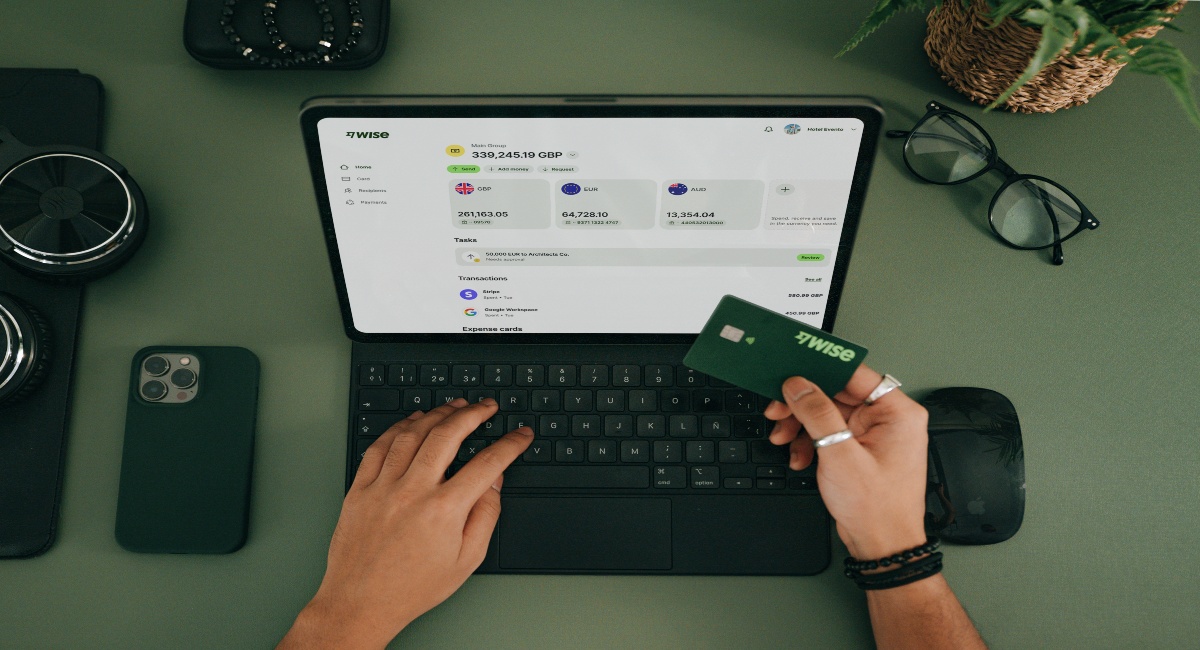
With Wise Business, you can:
Make the wise choice when selecting a business account for all your domestic and global needs.
Be Smart, Get Wise.
Investments can fluctuate, and your capital is at risk. Interest is offered by Wise Assets UK Ltd, a subsidiary of Wise Payments Ltd. Wise Assets UK Ltd is authorised and regulated by the Financial Conduct Authority with registration number 839689. When facilitating access to Wise investment products, Wise Payments Ltd acts as an Introducer Appointed Representative of Wise Assets UK Ltd. Please be aware that we do not offer investment advice, and you may be liable for taxes on any earnings. If you're uncertain, we urge you to seek professional advice. To find out more about the Funds, visit our website.
*Disclaimer: The UK Wise Business pricing structure is changing with effect from 26/11/2025 date. Receiving money, direct debits and getting paid features are not available with the Essential Plan which you can open for free. Pay a one-time set up fee of £50 to unlock Advanced features including account details to receive payments in 22+ currencies or 8+ currencies for non-swift payments. You’ll also get access to our invoice generating tool, payment links, QR codes and the ability to set up direct debits all within one account. Please check our website for the latest pricing information.
Common causes include weak invoice management, decentralised intake, and manual processes that create inconsistent records. A major root cause is also vendor file duplication; duplicate vendor numbers for the same vendor is a primary cause of duplicate payments.
Prevention works best as a layered approach. Standardise and centralise invoice intake, require consistent identifiers such as PO numbers, and enforce workflow standardization for approvals and matching. Clean the vendor master file to prevent vendor file duplication, reduce manual processes through automation, and run fuzzy duplicate checks before each payment run.
Usually not. Most duplicate payments are not related to fraud, but they are still significant, preventable leakage. Sometimes fraudulent payments can be disguised as duplicates via altered invoices, vendor impersonation, or internal collusion. Treat duplicates as a control signal: if they are frequent or patterned, investigate for process weaknesses and fraud risk.
Sources used:
Sources last checked: 10th June 2026
*Please see terms of use and product availability for your region or visit Wise fees and pricing for the most up to date pricing and fee information.
This publication is provided for general information purposes and does not constitute legal, tax or other professional advice from Wise Payments Limited or its subsidiaries and its affiliates, and it is not intended as a substitute for obtaining advice from a financial advisor or any other professional.
We make no representations, warranties or guarantees, whether expressed or implied, that the content in the publication is accurate, complete or up to date.

Growth costs money, but the question is whether yours should come from outside investors and lenders, or from the profits you’ve already earned and kept in...

Get some top tips to help you choose the right accounting software for your business needs.

Learn how to optimise payments across speed, accuracy, cost reduction and acceptance.

Thinking of switching your accounting software? Read on to see how to prepare and common pitfalls.

Learn more about the different types of payment fraud businesses can experience and prevention strategies.

A guide on how to avoid common banking fees for UK businesses, with tips to save on monthly charges, cash deposit fees and international payment costs.











