Do Qantas Points Expire? All You Need To Know
Worried about losing your Qantas Frequent Flyer points? Learn exactly when they expire, how to check your balance, and simple ways to keep them active.



Planning to spend some time abroad? In all the excitement and busyness of planning, one crucial aspect that’s not to be overlooked is getting some insurance keep yourself protected.
International medical insurance and travel insurance both offer financial protection to travellers heading abroad, but with different core purposes. Understanding what they cover and who they’re best suited to is important in deciding what’s right for your plans.
In this guide we’re going to break it down for you, looking at the key differences between travel insurance and medical insurance. Plus, we’ll touch on how to save money while traveling with Wise.
| Table of contents |
|---|

Travel insurance is designed to cover the financial fallout of unexpected events that disrupt your travels. It provides protection for things like trip interruptions, emergency medical expenses, personal belongings and luggage, and is usually purchased for a specific trip.
The coverage offered by travel insurance can vary somewhat depending on the plan you choose, but these are the things that are typically covered by comprehensive international travel insurance policies.¹
- Emergency medical, repatriation and evacuation
- Cancelling or changing the trip before departure
- Stolen, lost and damaged baggage and personal items
- Cash, passports and travel documents
- Personal accident and liability
- Rental car excess
- Changes to the trip after departing, including delays, interruptions and cutting it short
Many travel insurance companies also offer coverage extensions for specific activities that are excluded from the standard policies, such as motorcycling and riding a moped, skiing and snowboarding, and cruise ship cover.
International medical insurance offers health coverage to people who’ll be overseas for longer periods of time. The basic level covers medical emergencies and there’s usually options to add other services, similar to a domestic health insurance policy.
Depending on the level of coverage and optional extras chosen, these are some of the services that can be covered by an international health insurance plan.²
- Emergency medical treatment
- Medical evacuation and repatriation
- Inpatient hospital services
- Local ambulance and air ambulance transportation
- Global telehealth
- Maternity care
- Outpatient treatment including therapy, medication and rehabilitation
- Medical and genetic testing including cancer screenings
- Vaccinations
- Mental health and wellbeing services
- Optical
- Dental
As you can see there’s no coverage outside of health related expenses but the range of medical situations that can be covered is far wider than travel insurance.
To make it easier to understand the difference between travel insurance and medical insurance, let’s compare some of the key features you’ll find in each.
| Feature | Travel Insurance | International Medical Insurance |
|---|---|---|
| Coverage Scope | Medical, travel events, personal belongings | Medical |
| Medical coverage | Emergency medical treatment, repatriation and evacuation | Emergency medical treatment with options to add non-emergent coverage |
| Travel coverage | Delays, cancellations, lost baggage, theft, damaged belongings, rental car excess | Not covered |
| Personal liability coverage | Included | Not covered |
| Policy duration | Usually for a specific trip | Often annual |
| Payment | One time fee paid before the policy commences | Premiums paid annually or at set intervals |
| Purchase location | Generally needs to be purchased before departing home country | Can usually be purchased from any location |
As you can see, the type of trip you’re going on, length of trip and the extent of your medical needs all play a part in deciding what type of insurance is best.
This question can only be answered by reflecting on your travel plans and personal circumstances.
Just getting travel insurance is worth considering for short term holidays or business trips where a mix of medical and trip coverage is good to have. The only downside is routine or non-emergent medical care has to be put aside for when you’re home or be paid out of pocket.
International medical insurance can be the way to go if you’re going to be away for a long period of time, maybe to study abroad, take an overseas job or live out extended travel plans as a retiree, or digital nomad. It’s about addressing emergent medical problems and ensuring you have coverage for the healthcare services that are important to you, rather than protecting from holiday interruptions.
One consideration here is pre-existing conditions as many travel insurance policies have limited coverage for these. Be sure to read the fine print carefully, and weigh up whether a medical insurance policy that covers pre-existing conditions is the safer choice.
For some people, the best option is to get both types of insurance. Expats with medical insurance tied to one country may want it to take short trips elsewhere. Frequent travellers with complex medical needs and pre-existing conditions might need it to access comprehensive healthcare coverage abroad.
Travel to the United States can also be a factor in getting both, with some international medical insurers separating their coverage areas into Worldwide Including the United States, and Excluding the United States.² Depending on costs, it may be better to exclude the United States in from an annual medical insurance policy, and buy travel insurance for that specific trip.
Choosing between travel insurance and medical insurance all comes down to your travel plans and healthcare needs.
If you’re going on a short trip and want general coverage against unexpected events like trip interruptions, medical emergencies and loss of belongings, then travel insurance is the way to go.
If you’re looking for a long term solution with healthcare as the main priority, then international medical insurance may be the better choice.
Once you’ve figured out your insurance, it’s time to work out the best way to spend when you’re abroad. Meet the Wise account and card.
Open a Wise account online or in the Wise app, add money in AUD right from your bank account, and switch to any of the supported 40+ currencies with the mid-market exchange rate. You’ll be able to get a linked Wise card to use for contactless payments, add your card to a wallet like Apple Pay, or make ATM withdrawals when you need cash. That can mean you save significantly compared to using your bank, as you’ll avoid foreign transaction fees and can rest assured you’re getting one of the fairest exchange rates out there.
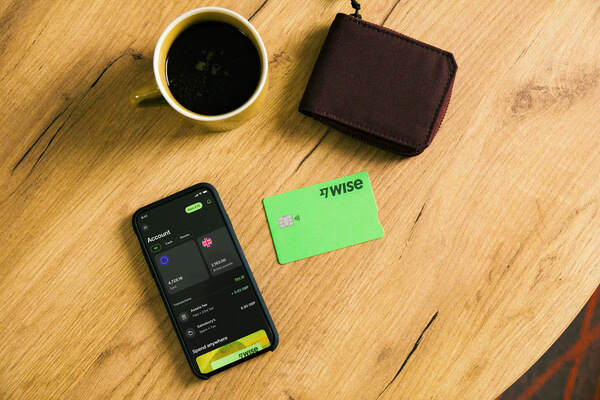
No matter where you’re headed, take Wise with you, to cut the costs of your overseas spending.
Please see Terms of Use and product availability for your region or visit Wise Fees & Pricing for the most up to date pricing and fee information.
Travel insurance usually includes health insurance but it’s generally limited to emergency care for events that happen during your trip. Things like outpatient care, chronic conditions, routine-check ups and prescription medication are usually outside the scope of coverage.
Standard private health insurance usually doesn’t cover international medical expenses, instead they’re designed primarily for domestic treatment in the country the policy is from. If you’re not sure about your policy, you could check directly with the provider to see what their terms and conditions are.
If you have universal healthcare coverage like Medicare or Health New Zealand, you may be afforded some coverage abroad through reciprocal agreements. For example, Australians travelling to New Zealand and vice versa are given access to certain publicly funded healthcare services. That includes emergency medicine. To find out, you can check your government’s health insurance website for more information on current reciprocal healthcare agreements.
Primary insurance is the main policy that pays for your claimed expenses first, up to the benefit limit. Secondary insurance can then pay for any remaining costs that are eligible within that policy, again up to the coverage limit.
Bringing it to a real life scenario, the question of primary and secondary insurance can arise if you have a travel insurance policy from an insurance company as well as complimentary travel insurance through a credit card. Usually the insurance company policy would be the primary insurance while the credit card policy acts as secondary insurance.
Sources last checked on date: 26 February 2025
*Please see terms of use and product availability for your region or visit Wise fees and pricing for the most up to date pricing and fee information.
This publication is provided for general information purposes and does not constitute legal, tax or other professional advice from Wise Payments Limited or its subsidiaries and its affiliates, and it is not intended as a substitute for obtaining advice from a financial advisor or any other professional.
We make no representations, warranties or guarantees, whether expressed or implied, that the content in the publication is accurate, complete or up to date.

Worried about losing your Qantas Frequent Flyer points? Learn exactly when they expire, how to check your balance, and simple ways to keep them active.

Find out who you can transfer points to and how to move Qantas points on desktop or app. Check the latest rules, limits, and how to avoid fees.

Planning a trip? Discover the best way to take money overseas. Compare travel cards, cash, and your standard bank cards.

Planning a trip to Kyoto from Osaka? This guide breaks down the best ways to travel, from the bullet train to the budget-friendly train lines.

Planning a trip? Find out exactly when the summer season in Europe begins, the best months to visit, and top destinations for your summer holiday.

Planning to head to Mt. Fuji from Tokyo? This guide will break down all you need to know about your journey.