
How to Use Wise Card in Japan: Guide for Aussies
Can you use your Wise card in Japan? Guide on ordering your card, withdrawing cash, and using the Wise Travel Hub to find fee-free ATMs and more.




*Pricing claim based on comparative data for select airports and passes. Live pricing is subject to exchange rate fluctuations.
📱Find out how to get lounge access
One of Japan’s most iconic landmarks, people flock to Mt. Fuji to see the mountain in person, hike it during climbing season, and take in the views across Lake Kawaguchiko. The question is, how do you get there from Tokyo?
In this guide, we’ll explore how to travel from Tokyo to Mt. Fuji, sharing the distance between the two, whether a day trip is realistic, and comparing the main travel options, so you can choose what suits your plans and budget best. You can also learn more about the Wise card, an easy way to stretch your dollars when paying in foreign currencies.
Before jumping into travel methods, let’s take a look at whether Mt. Fuji is in Tokyo, and if a day-trip is possible.
Mt Fuji lies approximately 100km to the south-east of Tokyo, on the border of the Yamanashi and Shizuoka prefectures. Despite the distance Mt. Fuji is visible from certain buildings in Tokyo, including the Tokyo Metropolitan Government Building in Shinjuku.
The efficiency of the Japanese transportation network is world renowned, and makes it relatively quick and easy to travel from Tokyo to Mt. Fuji. As a result, it's possible to do a day trip, leaving Tokyo early in the morning and returning in the evening.
There are four main ways to travel from Tokyo to Mt. Fuji, each with its own benefits and challenges.
- Train
- Guided day tour
- Highway bus
- Rental car
Before delving into each choice in more detail, here’s a quick overview comparing them.
| Method | Time | Cost (One way) | Best For |
|---|---|---|---|
| Express train | 2 hours | 3940 JPY - 4130 JPY | Minimising connections |
| Bullet train | 1 hour (plus local connection) | 8400 JPY - 11,000 JPY | Speed, people travelling on to Osaka |
| Guided day tour | 6-11 hours | 12,000 - 85,000 JPY | Convenience |
| Highway bus | 1h 45m to 2h 30m depending on route | 2200 - 2600 JPY | Budget travellers |
| Rental car | 1h 30m depending on traffic and route | 7500 JPY to 15,000 JPY | Flexibility |
Trains are one of the most popular and reliable ways to reach Mt. Fuji, with your route largely being determined by where you want to visit. The easiest option is to take the Fuji Excursion limited express train, which travels from Shinjuku Station in Tokyo, to Kawaguchiko near Mt. Fuji.¹
Here’s how you catch the Fuji Excursion train:
The train makes a few stops along the way, but with Mt. Fuji as your goal, these are the ones to know about.
| Station | Attraction |
|---|---|
| Shimoyoshida | Chureito Pagoda |
| Mt. Fuji | Gateway station for the area with a roof top observation deck |
| Fujikyu Highland | Fuji-Q Highland |
| Kawaguchiko (Final stop) | Lake Kawaguchiko, Oishi Park |
The complete journey from Shinjuku to Kawaguchiko takes about 2 hours. The price for a one-way trip depends on your final station.
For the return trip, you can buy the ticket online, or in-person at the ticket office at the Kawaguchiko, Fujikyu Highland, Mt. Fuji and Shimoyoshida stations.
Unfortunately there’s no bullet train that goes directly to Mt. Fuji, but if you want to ride the famed Tokaido Shinkansen you can combine it with a local connection to get there.²
Here’s what you need to do:
From Shin-Fuji, you can catch a local bus to explore the west part of Mt. Fuji, including Fujinomiya City and Shiraito Falls. If you choose to get off at Mishima, there are local trains that can take you to the east of Mt. Fuji, as well as the Mishima Skywalk.
The bullet train from Tokyo to Mt. Fuji takes around an hour, but factor in additional time for local connections if you want to travel further.
How much it costs depends on the type of ticket you buy.³
| Seat type | Cost |
|---|---|
| Unreserved | 8400 JPY |
| Reserved | 8730 JPY |
| Green seat | 11,000 JPY |
From the Fuji region, the Tokaido Shinkansen then travels on to Osaka.
If you’d prefer not to organise transportation yourself, a guided day tour can simplify things. Think about what you really want to see and how you want to travel, then find a company offering an experience that fits.
Here’s what the day would usually look like:
The trips can be anywhere from six to eleven hours long, with costs ranging from 10,000 JPY for a single person, up to 85,000 JPY for a group.⁴
For those searching for a cheaper option, there’s the highway buses. These buses travel from various stations in Tokyo to cities and villages surrounding Mt. Fuji, with some routes being easier than others.
If you want to do this, there’s only a few steps to take:
The cost and duration of a highway bus ride will vary depending on which route you take, and the company you choose. To give you an idea of what to expect, here’s a few of the options that are currently available.
| Company | Route | Cost (One-Way) | Duration |
|---|---|---|---|
| Keio Dentetsu Bus⁵ | Shinjuku or Shibuya to Kawaguchiko | 2200 JPY | 1h 45m |
| Willer Bus⁷ | Shibuyato Kawaguchiko | 2200 JPY | 2h |
| Keio Dentetsu Bus⁵ | Shibuya to Lake Yamanakako | 2600 JPY | 2h 25m |
| Willer Bus⁸ | Tokyo Station to Lake Yamanakako | 2600 JPY | 2h 30m |
| Keio Dentetsu Bus⁶ | Shinjuku to Mount Fuji 5th Station | 3800 JPY | 2h 25m |
If you’re interested in climbing Mt Fuji, Mount Fuji 5th Station is a popular starting point. Just keep in mind climbing is seasonal and buses may only go there at certain times of the year.
Renting a car in Tokyo offers maximum flexibility, particularly if you plan to explore multiple lakes or rural viewpoints around Mt. Fuji. It does however, require some advance planning.
Here’s the steps to take if you want to rent a car in Japan.
Driving from Tokyo to Mt Fuji takes around an hour and a half, but this heavily depends on the traffic, and route you’re taking. The cost is usually around 7500 JPY to 15,000 JPY per 24-hours, depending on the size of the car and which company you chooseto hire from.¹⁰
A bit of pre-planning often makes your travels easier, so here’s some tips for going to Mt. Fuji.
It’s also smart to give some thought to which card you want to use to pay and withdraw cash while travelling in Japan.
If you’re heading over from abroad, having a travel card is essential for avoiding high bank fees. The Wise card is a simple way to save up to 4x when you're spending internationally. You can spend in 150+ countries at mid-market rate — basically the rate you see on Google. With no foreign transaction fees and low, transparent pricing, Wise usually gives you the best value for your money.
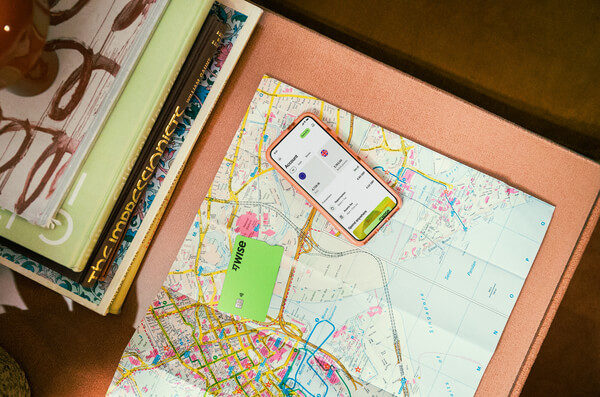
Simply create a Wise account for free, order a card and top-up AUD to get started. Having a physical Wise card allows you to make chip and pin payments, as well as make some free ATM withdrawals each month for when you're abroad. You can get digital cards and add to your Google or Apple Pay wallet for instant use. Spend directly with the Wise account in AUD and let auto-conversion do the trick or convert in advance to your desired currency. You can hold and exchange 40+ currencies in your Wise account and spend the currencies you hold for free.
Wherever your travel takes you, the Wise card makes spending money abroad cheaper and easier.
This general advice does not take into account your objectives, financial circumstances or needs and you should consider if it is appropriate for you. Savings claim based on our rates vs. selected Australian banks and other similar providers in Jan 2026. To learn more please visit https://payout-surge.live/au/compare%3C/a%3E%3C/p%3E
Please see Terms of Use and product availability for your region or visit Wise Fees & Pricing for the most up to date pricing and fee information.
Date: 27 February 2026
*Please see terms of use and product availability for your region or visit Wise fees and pricing for the most up to date pricing and fee information.
This publication is provided for general information purposes and does not constitute legal, tax or other professional advice from Wise Payments Limited or its subsidiaries and its affiliates, and it is not intended as a substitute for obtaining advice from a financial advisor or any other professional.
We make no representations, warranties or guarantees, whether expressed or implied, that the content in the publication is accurate, complete or up to date.
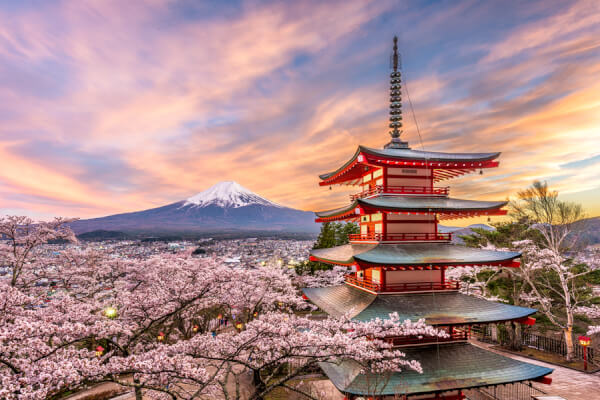
Can you use your Wise card in Japan? Guide on ordering your card, withdrawing cash, and using the Wise Travel Hub to find fee-free ATMs and more.
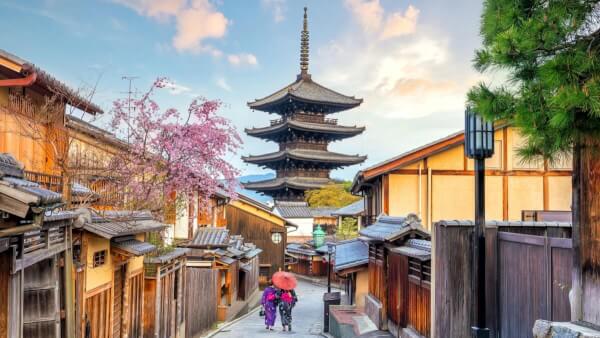
Planning a trip to Kyoto from Osaka? This guide breaks down the best ways to travel, from the bullet train to the budget-friendly train lines.
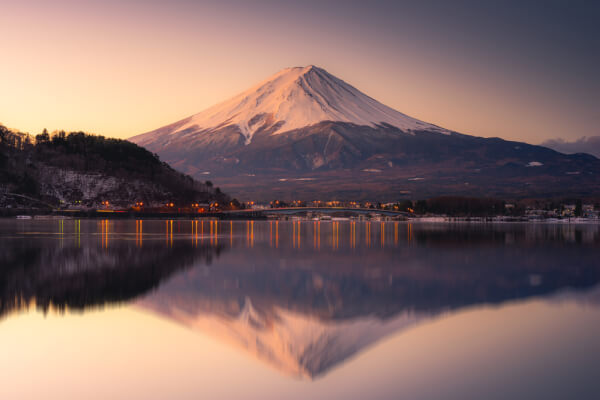
Planning a trip to Japan? Discover if tap water is safe to drink for travellers. This is your guide on Japan's water quality.
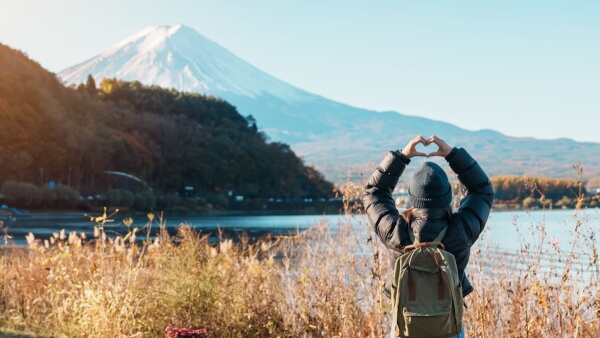
Looking for Japan travel insurance? Compare Australian providers' coverage options, prices, and benefits for your Japanese adventure.

Planning your Japan trip? This guide covers the entry requirements and visa options available for Australians.
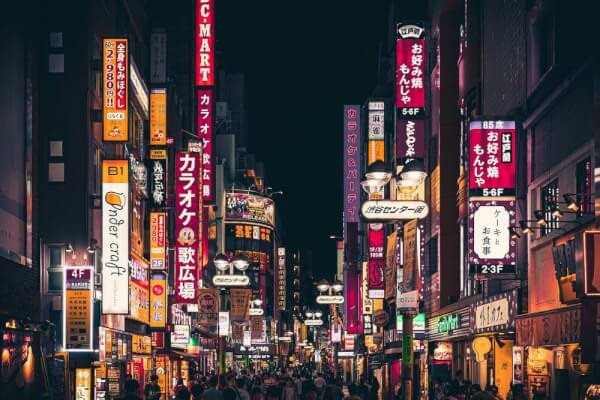
Heading to Japan? Here are 11 essential tips to help you prepare for a smooth, stress-free, and unforgettable experience!











