Wise Card Australia Review: Is Wise a Good Travel Card for You?
Our Wise travel card review explores the features, benefits, and fees to help you decide if it’s the best fit for your next trip.




*Pricing claim based on comparative data for select airports and passes. Live pricing is subject to exchange rate fluctuations.
📱Find out how to get lounge access
If you have a trip coming up, you’ll need to figure out how to pay for things overseas while you’re away. There are a few common options – from cash to debit and credit cards, or dedicated travel cards from providers like Wise. This guide looks at the best way to manage money when travelling overseas for different traveller needs.
| Table of Contents |
|---|
Before we get started, let’s take a look at a few tips to manage your money overseas:
So, what is the best way to take money overseas for your next trip? Here are some top choices.
Here’s a rundown of the ways to take money overseas we’ll examine, and what they’re best for:
- Travelling with Cash: best for small purchases, tips, and a backup in case your cards are out of action.
- Using Bank Debit Cards: best for convenient payments – choose a low-cost card to avoid unnecessary fees.
- Using Travel Money Cards: best for locking in exchange rates and managing your travel budget closely.
- Using a Credit Card: best for emergency spends, with opportunities to earn points, rewards, and miles.
Having cash in your wallet when you hop on a plane is reassuring, as you’ll know you can manage your spending on arrival without any additional hassle. In some destinations like Japan, cash is king, and in many countries, cash is often preferred by merchants for small payments and tipping.
However, it’s important to note that travelling with large amounts of cash – in any currency – can be a risk. Tourists and travellers can be the targets of opportunistic thieves and pickpockets, so government advice from services like Australia’s Smart Traveller website¹ is to keep cash and valuables close at all times.
If you prefer to use cash, having a low-cost international debit card from a provider like Wise can help you manage risk by allowing you to take out money from global ATMs for low or no fees, as and when you need it. Don’t worry about carrying too much money at any given time; just pop to the cashpoint when you run low.
Packing your bank debit card is an obvious choice when you head abroad. It’s convenient and familiar, and as long as your card has been issued on a global network like Visa or Mastercard, you’ll normally find it can be used more or less globally.
However, there are a couple of downsides to using a bank debit card when you travel – including additional costs you may not anticipate. Many bank debit cards add a foreign transaction fee to every payment you make in a foreign currency. While this depends on the card and bank you use, it can mount up quickly. Commbank debit cards charge a 3.5% foreign transaction fee² – and cards issued by overseas banks are often similar. Bank of America foreign transaction fees are 3%, for example³.
The other common concern is around security. While card payments are very safe, if your main bank card is lost or stolen you will need to cancel it, which is inconvenient and can leave you without access to your funds while you wait for a new card to be issued.
Using a dedicated travel card can be a great alternative to spending with your bank debit card when you travel. Your options do vary – but the best travel money cards on the market allow you to hold a balance in dozens of currencies to spend and withdraw when you’re away from home.
Travel money cards aren’t linked to your bank, adding an extra layer of security when you are overseas. You can top up and manage your card with a phone, and then spend in foreign currencies while avoiding foreign transaction fees.
It’s important to check the details of the card you’re interested in as terms and conditions can vary. Travelex is a major global provider which offers travel cards in many countries including Australia⁴ and the UK⁵. You can hold 10 currencies and get ATM withdrawals with no Travelex fee. However, some costs, including inactivity fees, do apply, and you’re likely to pay a markup when exchanging currencies.
Compare your options, including the multi-currency Wise card, which supports 40+ currencies and uses the mid-market rate for currency conversion with no hidden markups.
Spending with a credit card when you’re abroad is secure and convenient – and if you can find a credit card with no foreign transaction fee, you may find the costs are fairly low, too.
Foreign transaction fees, where added, can be pretty steep. Commbank has a charge of 3.5% where applied⁶ – although there are a few Commbank cards which waive this cost that are worth considering. This fee is pretty common globally – UK-issued Barclaycards have a 2.99% foreign transaction fee⁷, while Chase US has a 3% foreign transaction fee, for example⁸.
If you can find a way to limit or avoid foreign transaction fees, using a credit card can allow you to earn points, rewards, or airmiles when you spend, depending on the specific card you have. Plus, you’ll have the option to roll over the costs of your travel for a few months if you don’t mind paying interest fees.
Ultimately, there’s no single best way to use money overseas – for many people, it’s ideal to have several payment methods to allow you to choose the best option for a specific transaction type.
You may decide to pack a dedicated travel card from a service like Wise for your day-to-day spending in foreign currencies, and have your credit card as a backup, with a small amount of cash for tipping and small purchases, for example. By weighing up all the different payment methods available, you can choose the optimal combination for your next trip, considering costs, convenience, and security.
The Wise card is a simple way to save up to 4x when you're spending internationally. You can spend in 150+ countries at mid-market rate — basically the rate you see on Google. With no foreign transaction fees and low, transparent pricing, Wise usually gives you the best value for your money.
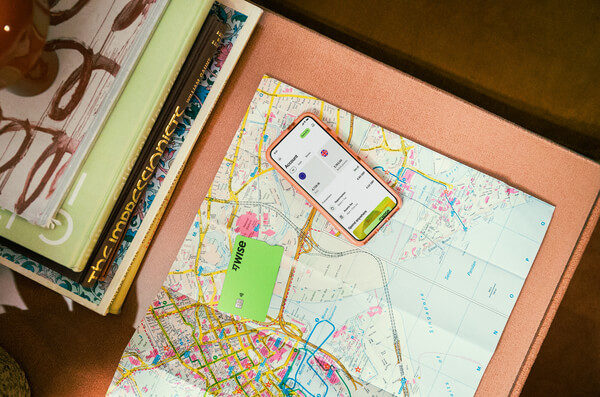
Simply create a Wise account for free, order a card and top-up AUD to get started. Having a physical Wise card allows you to make chip and pin payments, as well as make some free ATM withdrawals each month for when you're abroad. You can get digital cards and add to your Google or Apple Pay wallet for instant use. Spend directly with the Wise account in AUD and let auto-conversion do the trick or convert in advance to your desired currency. You can hold and exchange 40+ currencies in your Wise account and spend the currencies you hold for free.
Wherever your travel takes you, the Wise card makes spending money abroad cheaper and easier.
This general advice does not take into account your objectives, financial circumstances or needs and you should consider if it is appropriate for you. Savings claim based on our rates vs. selected Australian banks and other similar providers in Jan 2026. To learn more please visit https://payout-surge.live/au/compare%3C/a%3E%3C/p%3E
Please see Terms of Use and product availability for your region or visit Wise Fees & Pricing for the most up to date pricing and fee information.
Sources:
*Please see terms of use and product availability for your region or visit Wise fees and pricing for the most up to date pricing and fee information.
This publication is provided for general information purposes and does not constitute legal, tax or other professional advice from Wise Payments Limited or its subsidiaries and its affiliates, and it is not intended as a substitute for obtaining advice from a financial advisor or any other professional.
We make no representations, warranties or guarantees, whether expressed or implied, that the content in the publication is accurate, complete or up to date.

Our Wise travel card review explores the features, benefits, and fees to help you decide if it’s the best fit for your next trip.
Choosing between Travelex vs Wise? Compare features, fees, and exchange rates for the Travelex Money Card and Wise card to save on your next trip.
Our YouTrip Australia review breaks down everything you need to know about the card, from its key features and fees to how it compares for Aussie travellers.
Wondering what’s a travel card and how they work? Compare travel money cards, standard debit cards, and credit cards to decide what’s right for your travels.

*Pricing claim based on comparative data for select airports and passes. Live pricing is subject to exchange rate fluctuations. 📱Get your lounge pass Got a...

Looking for a travel card to use overseas? We compared the fees, features, and benefits of two top travel cards: Ubank vs Wise, for Australian travellers.