
Property taxes in Poland: Full guide for Americans
Want to learn about property taxes in Poland? This guide covers types of property taxes and how they are calculated to help you navigate the process.


Colombia is becoming one of the top choices for American expats moving abroad, especially among digital nomads, families, and retirees. The draw is clear: year-round spring weather in places like Medellín, affordable living costs, and improving infrastructure in major cities.
If you're thinking about moving to Colombia from the US, you need practical answers about visa requirements, finding housing, navigating healthcare, and managing your finances across borders.
This guide walks you through everything you need to know to successfully relocate from the US to Colombia with minimal hurdles.
We'll also introduce the Wise account, which allows you to send, spend, and receive your money across the globe in over 40 currencies – all at the fair mid-market rate.
| Table of contents |
|---|
Colombia sits in the northwest corner of South America, bordered by both the Pacific Ocean and Caribbean Sea. Over the last two decades, the country has evolved from a place many Americans avoided to a destination where foreigners live, work, and retire comfortably.
Here are a few important facts:
| Capital | Bogotá |
|---|---|
| Language | Spanish |
| Population | 53,736,520¹ |
| Currency | Colombian Peso (COP) |
| Government type | Presidential republic |
| Religion | Predominantly Roman Catholic |
| Weather | Varies by altitude—tropical on coasts, eternal spring in highlands, cooler in the mountains |
| Tax treaty | No |
Colombia offers a few different visa pathways for Americans. Moving there, especially temporarily, is usually pretty straightforward if you can show a steady monthly income.
That said, you still need to follow the Colombian immigration law and apply for the appropriate visa category. Here are the main options:
This visa is for Americans who receive passive income like pensions, rental payments, investment dividends, disability benefits, insurance settlements, or annuities.
You can live in Colombia for up to 2 years but can't work or earn business income there.²
The monthly income requirement is at least 2,577 USD, but it can change depending on government requirements, so make sure to check the most up-to-date amount.²
You'll need to provide documentation proving that this income arrives regularly, such as bank statements, pension letters, or investment account records.
Colombia's digital nomad visa lets remote workers stay for up to 2 years.²
You need to show income from working remotely for foreign companies or freelancing for international clients. Part-time work may meet the threshold.
Income requirements fluctuate based on Colombia's minimum wage but typically hover around 900 USD or more monthly. You'll provide employment contracts or bank statements showing regular foreign income.²
Migrant visas are for Americans who are planning a long-term stay in Colombia. These visas last up to 3 years, but you must visit Colombia at least once every 6 months to keep them active.²
Common migrant visa categories include:²
- Retirement visa (M-type): For retirees living off pension income
- Real estate investor visa: For foreigners who purchased property valued at more than 650 times Colombia's monthly minimum wage or made a qualifying foreign direct investment
- Marriage visa: For foreigners married to Colombian citizens or residents
- Business visa: For entrepreneurs starting a business in Colombia
| Requirements and minimum amounts change periodically based on Colombia's economic conditions. Many Americans hire an immigration lawyer to help them with the paperwork. |
|---|
Resident visas are for foreigners who've lived in Colombia several years and want permanent status. This visa grants access to Colombia's national healthcare system and removes work restrictions that apply to other visa types.
You qualify for a resident visa if you:²
- Are the parent of a Colombian citizen by birth
- Previously renounced Colombian nationality
- Accumulated sufficient time in Colombia through other visa types
- Made a qualifying foreign investment
- Are married to a Colombian citizen or permanent resident
Most Americans won't be able to apply for the resident visa right away and will need to hold a temporary visa or a migrant visa first.
Technically, Americans can get work visas if a Colombian employer sponsors them. In practice, this rarely happens. Colombian salaries are low compared to US wages, and companies face bureaucratic hurdles sponsoring foreign workers.
The exception is multinational companies relocating American employees to Colombian offices. If your employer has Colombian operations and transfers you there, they can often handle the work visa process.
Americans enrolled full-time at Colombian universities need student visas. You'll typically need an acceptance letter, proof of funds for tuition and living expenses, and health insurance.
This option isn't popular with many Americans, but it can definitely work if you want to pursue a degree in Colombia.

Generally speaking, living in Colombia costs a lot less than in the US. Overall living expenses run about 51% lower, and rent is approximately 71% cheaper.³
Here's what common expenses look like:
| Expense | Approximate cost³ |
|---|---|
| 1-bedroom apartment (city center) | 459 USD per month |
| 3-bedroom apartment (city center) | 905 USD per month |
| Meal at inexpensive restaurant | 5 USD |
| Meal for 2, mid-range restaurant (3 courses) | 34 USD |
| Utilities | 98 USD |
| Mobile phone plan (monthly) | 11 USD |
| Toyota Corolla (or equivalent new car) | 30,237 USD |
| International school (annual per child) | 7,175 USD |
A family of four needs around 2,072 USD monthly, excluding rent, to live comfortably in Colombia. A single person needs just about 576 USD monthly, plus rent.³
That said, these are just theoretic numbers. In practice, your living costs depend heavily on your lifestyle choices.
For example, many expats send their children to private international schools, which creates a major expense. While the average is 7,175 USD annually, many schools charge more, especially well-regarded institutions in cities like Bogotá and Medellín.³
If you have multiple children, education costs add up quickly.
But overall, Colombia offers high quality of life at prices far below US standards if you're earning in USD or have a US-based income. You'll likely be able to afford domestic help, eat out frequently, live in a nice neighborhood, and still save money.
However, this advantage disappears if you earn in COP. Local salaries match local costs, so working for a Colombian company usually means living like other middle-class Colombians. It's comfortable, but not the expat lifestyle Americans often imagine.
Opening a local bank account will make it easier to manage your money in Colombia. However, to do that, you'll typically need to have legal status in the country, such as a temporary visa or residency.
Banks will typically request:
- Valid passport
- Colombian visa or cédula de extranjería
- Proof of Colombian address
- Proof of income or employment
- Possibly, additional documents
Many American expats bank with major Colombian banks such as Bancolombia, Banco de Bogotá, and Davivienda. If you don't speak Spanish, some branches have English-speaking staff.
| 💡 At the same time, you may also want to open an international account like Wise for the first few months while sorting out your Colombian banking, which helps manage money between currencies. |
|---|
Colombia uses a progressive income tax system with rates from 0% to 39%.⁴
You become a Colombian tax resident if you stay more than 183 days in a calendar year or establish your primary economic ties there.
Colombian residents pay tax on their worldwide income. But non-residents only pay tax on their Colombian-sourced income. For example, you may have rental income from your Colombian property.
It's also important to remember that Americans living in Colombia face tax obligations in both Colombia and the US, even if you spend most of the year in Colombia. This is because the US taxes citizens on their worldwide income even if they live abroad.
In other words, you'll need to file tax returns in both Colombia and the US every year.
Colombia and the US don't have a tax treaty, which means no automatic relief from double taxation. However, you can still use tools like the Foreign Earned Income Exclusion to reduce your US tax burden.
If you're uncertain about your US tax obligations, it's always best to consult with a tax professional.
Renting in Colombia is usually less formal than in the US. Many expats find apartments through Facebook groups and word-of-mouth as opposed to real estate agencies.
Landlords usually want one month's deposit plus the first month's rent upfront. However, when renting to foreigners who don't have many ties to the country, some Colombian landlords may ask for a larger deposit to mitigate their risks.
Buying property in Colombia is also often affordable, especially when compared to doing it in the US. Plus, ownership can help you qualify for residency visas and generate rental income.
That said, it's usually a good idea to live in Colombia for a few months first and learn the market before committing. This will help you avoid expensive mistakes.
Colombia has both public and private healthcare. Major cities like Bogotá and Medellín have many excellent hospitals with modern equipment and skilled doctors.
Residents must enroll in the public system, which provides comprehensive coverage but often has long wait times for specialists and non-urgent procedures.
This is why many American expats get private health insurance and use it for routine care.
Keep in mind that digital nomad visas and other non-resident visas don't qualify you for public healthcare. You'll need private insurance, which most visa applications require anyway.
But once you get residency, you have the option of using public healthcare services.

Medellín attracts many American digital nomads and remote workers. This city has year-round spring-like weather, the cost of living is low, and it's easy to make connections with other expats.
It's also quite simple to travel to the US if you want to visit your family and loved ones.
Colombia's capital offers more job opportunities than other cities, as well as world-class restaurants, museums, universities, and nightlife. It's more urban than Medellín and the weather is a bit cooler.
Many American expats enjoy living in Bogotá for convenience and because it feels more authentically Colombian.
Cartagena draws many retirees and beach-focused expats with its Caribbean coastline. The city is hot and humid year-round, and tourism is one of the biggest industries. If you want to live near the beach, this can be a great option!
However, keep in mind that job opportunities can be limited.
Most of the time, yes.
Colombia has improved dramatically over the past 20 years, but safety can still be a concern in some areas. Crime rarely affects expats who take basic precautions, but it's important to stick to safer neighborhoods and be cautious in nightlife situations.
When in doubt, it's a good idea to ask locals or established expats which areas to avoid.

Colombia attracts American expats with low living costs and an improving infrastructure.
You can rent a modern apartment in a safe neighborhood and live a comfortable lifestyle, spending much less than you would in most US cities, especially if you earn in USD.
Getting a visa isn't complicated if you have a steady monthly income, such as from remote work or retirement funds. However, finding work in Colombia as a foreigner is usually difficult, and local salaries aren’t very high.
When planning out your budget, one expense that many Americans overlook is international money transfers. If you're sending rent payments from a US account or converting income from USD to COP, bank transfers drain your money through fees and poor exchange rates.
This is why it's important to look at alternatives.
| Send money internationally with Wise to 140+ countries and 40+ currencies – all at the fair mid-market exchange rate with low, transparent fees. |
|---|
Sources
Sources checked 01/29/2026
*Please see terms of use and product availability for your region or visit Wise fees and pricing for the most up to date pricing and fee information.
This publication is provided for general information purposes and does not constitute legal, tax or other professional advice from Wise Payments Limited or its subsidiaries and its affiliates, and it is not intended as a substitute for obtaining advice from a financial advisor or any other professional.
We make no representations, warranties or guarantees, whether expressed or implied, that the content in the publication is accurate, complete or up to date.
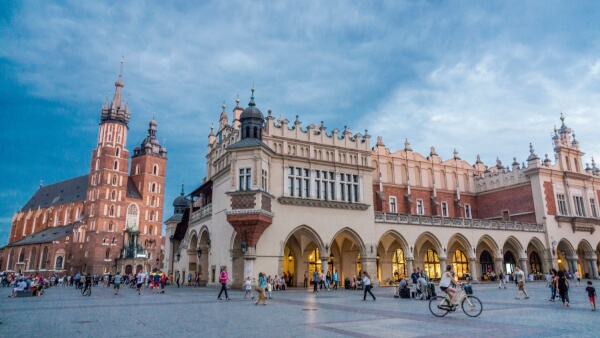
Want to learn about property taxes in Poland? This guide covers types of property taxes and how they are calculated to help you navigate the process.

Want to learn about property taxes in Mexico? This guide covers types of property taxes and how they are calculated to help you navigate the process.

Want to learn about property taxes in Costa Rica? This guide covers types of property taxes and how they are calculated to help you navigate the process.

Want to learn about property taxes in Japan? This guide covers types of property taxes and how they are calculated to help you navigate the process.

Want to learn about property taxes in New Zealand? This guide covers types of property taxes and how they are calculated to help you navigate the process.

Want to learn about property taxes in Malta? This guide covers types of property taxes and how they are calculated to help you navigate the process.











