Moving to Malta from USA: Everything you need to know
Moving to Malta from the US? This guide covers all the essential information for relocating to Malta as an American, including tips and insights.



Buying property in Malta is an attractive prospect for US investors, with a low cost of living and favorable tax policies for property purchases and sales.
We take a look at everything you need to know about property tax in Malta, including the types of property taxes you’ll face and how to pay your tax bill.
We'll also introduce Wise — your international money transfer alternative. Use Wise to send stress-free transfers to over 140 countries - all at the standard mid-market exchange rate.
| Table of contents |
|---|
Malta doesn’t have any annual property taxes. Unlike other countries, you won’t pay an annual municipal tax just for owning property in Malta.
However, the Maltese government does charge some taxes on property transactions, such as buying and selling a new home. You’ll also pay tax on rental income if you plan to rent your home out to tenants or tourists.
The same property tax rules apply to both locals and foreigners in Malta. Whether you’re a tax resident or not, you’ll be required to pay property transaction taxes.¹
Malta’s property tax system is favorable for foreign investors or buyers looking to purchase property overseas. You won’t face annual property taxes – and you can apply for a range of useful tax exemptions.

Although there are no annual municipal property taxes in Malta, you may still pay tax for owning, selling, or purchasing Maltese property. Let’s take a look at some types of property taxes in Malta.
Malta charges a property transfer tax for all property sales. The standard rate for property transfer tax is 8% of the sale value of your home, but rates can vary depending on how long you’ve owned your house and when you decide to sell it.
For example, if you sell your property within 5 years of purchasing it, and you don’t make any significant renovations, you may be able to access a reduced rate of 5%.
If you sell a primary home within 3 years of purchasing it, and you don’t own any other real estate, you may only pay 2% of your property’s value.
If you’re selling a property purchased before 1 January 2004, you’ll likely pay an increased property transfer tax rate of 10%.
Property transfer tax is withheld by the notary in charge of your property sale. When you receive the net gains of your sale, the property transfer tax will be subtracted from your overall total.¹
You’ll pay stamp duty whenever you purchase a new home in Malta. The standard rate for stamp duty is 5% of your property price.
You’ll typically pay your stamp duty in 2 installments through the notary responsible for your property transaction.
You’ll pay 1% of your stamp duty within 21 days of signing your preliminary Promise of Sale agreement and 4% upon the final deed transfer for your home.¹
If you plan to rent your home out to tenants, you’ll also need to consider Malta’s rental income tax. You can choose to pay a 15% flat rate of tax on your gross rental income or declare your net profits on your annual tax return.
If you choose the latter, you’ll be charged an applicable marginal tax rate on your overall annual income. Marginal rates range from 0% to 35%.¹

Your property transfer tax rate will be calculated using the value of your home and factors like how long you’ve owned your property and when you decide to sell it.
Stamp duty is typically charged at a standard rate of 5%. Rental income tax will be calculated using a flat rate or your overall annual income.
Here are some rough estimates for property tax rates in Malta.
| Tax | Rate |
|---|---|
| Property transfer tax | Standard rate of 8% of your property’s sale value – usually ranges from 2% to 10%, depending on sale conditions |
| Stamp duty | 5% of property price – some buyers may qualify for an exemption |
| Rental income tax | Flat rate of 15% or marginal tax rates of 0% to 35%¹ |
You’ll pay your property taxes through the Office of the Commissioner for Revenue (CFR). For stamp duty, you’ll pay your tax to the CFR within 14 days of the final deed for your property purchase.²
Consult a local or international tax expert for more information about filing your taxes and paying your tax bill. You may need additional support if you have multiple properties, or if you’re a landlord, for example.
If you’re paying your tax bill in euros, look out for foreign transaction fees and exchange rate markups, as most US banks charge for currency conversion.
Choose an international money transfer app like Wise to save on all your global transactions. Pay your tax bill at the mid-market exchange rate, with no markups or hidden fees for transfers in over 160 countries.

Malta is known for its extensive property tax exemptions. Let’s take a look at how to reduce your property transfer tax or stamp duty in Malta.
If you sell your home within 5 years of purchasing it, you’ll pay a reduced rate of property transfer tax.
You can also access a full exemption from property transfer tax if your property is your sole primary residence, if you’ve lived in the property for at least 3 consecutive years, or if you sell the property within 12 months of moving out.
To qualify, you’ll need to declare your property as your main residence when you come to issue the final deed of acquisition for your home. You also won’t pay property transfer tax to sell property to family, which makes Malta an enticing prospect for foreign investors.¹
Although most property buyers in Malta will pay 5% of the property price for stamp duty, you may qualify for a tax incentive in some cases.
If you’re a first-time buyer, for example, you can receive an exemption on the first 200,000 EUR of your property’s value. The rest will be taxed at 5%.
Second-time buyers can access 86,000 EUR tax-free, before regular stamp duty applies. If you plan to purchase an old or vacant property, you may also qualify for a stamp duty exemption on the first 750,000 EUR of your purchase.¹
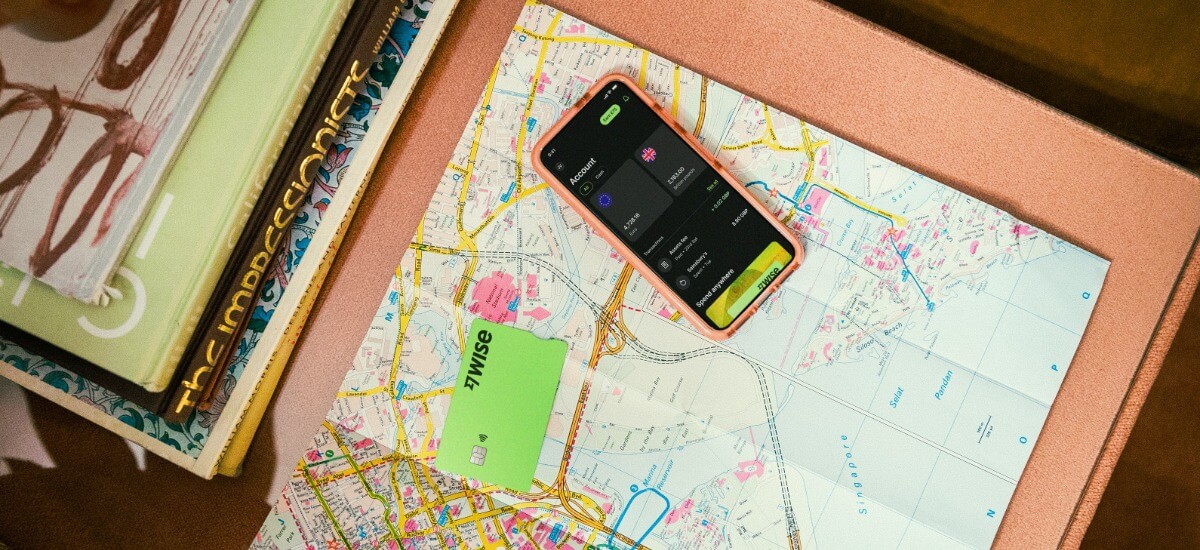
Now that we covered some of the basics, the only question left is how to send money to pay for your property overseas.
Wise offers you a quick, secure and transparent way of sending money abroad. You get the mid-market exchange rate for your payments and see how much it’s charged for the transfer before sending the money from your bank.
With the Wise Account you can also hold 40+ currencies, spend money in 150+ countries, and receive like a local in 8+ different currencies.
Please see Terms of Use for your region or visit Wise Fees & Pricing for the most up to date pricing and fee information
You’ll need to correctly identify your tax obligations and pay your tax on time. If you choose to submit a tax return, you’ll need to declare your rental income, as well as any other earned income.
For Malta’s property transfer tax, the money you owe will be withheld by your notary. For stamp duty, you’ll also likely pay your tax to the CFR via a notary.
You’ll need to accurately declare the price of your home for stamp duty calculations, as the Maltese government may conduct its own checks to determine the value of your property.
If the government’s official valuation is 15% higher than your declared price, you may need to pay additional taxes and penalties.
Even if you’re not a tax resident in Malta, you’ll still need to pay property transaction taxes. Look into your tax obligations to ensure you always submit, file, and pay your property taxes on time.¹

Here are some frequently asked questions about Malta’s property tax system – everything you need to know.
Malta is generally considered a good location for US citizens to buy property abroad. There are no general annual property taxes. You can also access reduced rates of stamp duty and property transfer tax in some cases.
Foreigners and locals must pay the same property transaction taxes in Malta. Even if you’re not a tax resident, you’ll still be required to pay Malta’s one-time property taxes, including stamp duty and property transfer tax.
If you’re an expat in Malta, you’ll need to look out for double taxation. Malta has a tax treaty with the US, which determines which country can tax residents in certain areas, such as property or pensions.
This treaty should help you avoid double taxation and access key relief policies as a US citizen living and working abroad.¹

Property tax in Malta is relatively simple for foreigners, but you’ll need to understand all your tax obligations before purchasing or selling property.
Speak to a Maltese tax specialist about stamp duty, property transfer tax, and rental income tax. You’ll also need to research Maltese tax exemptions to understand if you can save on your tax bill.
| With Wise, you can send up to 1,000,000 USD per wire transaction to 140+ countries, with the mid-market exchange rate and low, transparent fees. |
|---|
Sources
1. Nomad Capitalist - Property tax in Malta
2. Really Moving - Complete guide to stamp duty
Sources checked 05/26/2026
*Please see terms of use and product availability for your region or visit Wise fees and pricing for the most up to date pricing and fee information.
This publication is provided for general information purposes and does not constitute legal, tax or other professional advice from Wise Payments Limited or its subsidiaries and its affiliates, and it is not intended as a substitute for obtaining advice from a financial advisor or any other professional.
We make no representations, warranties or guarantees, whether expressed or implied, that the content in the publication is accurate, complete or up to date.

Moving to Malta from the US? This guide covers all the essential information for relocating to Malta as an American, including tips and insights.

Everything you need to know about getting a Golden Visa in Malta.

All you need to know about getting a Malta work visa or permit as an American.