
Property taxes in Poland: Full guide for Americans
Want to learn about property taxes in Poland? This guide covers types of property taxes and how they are calculated to help you navigate the process.


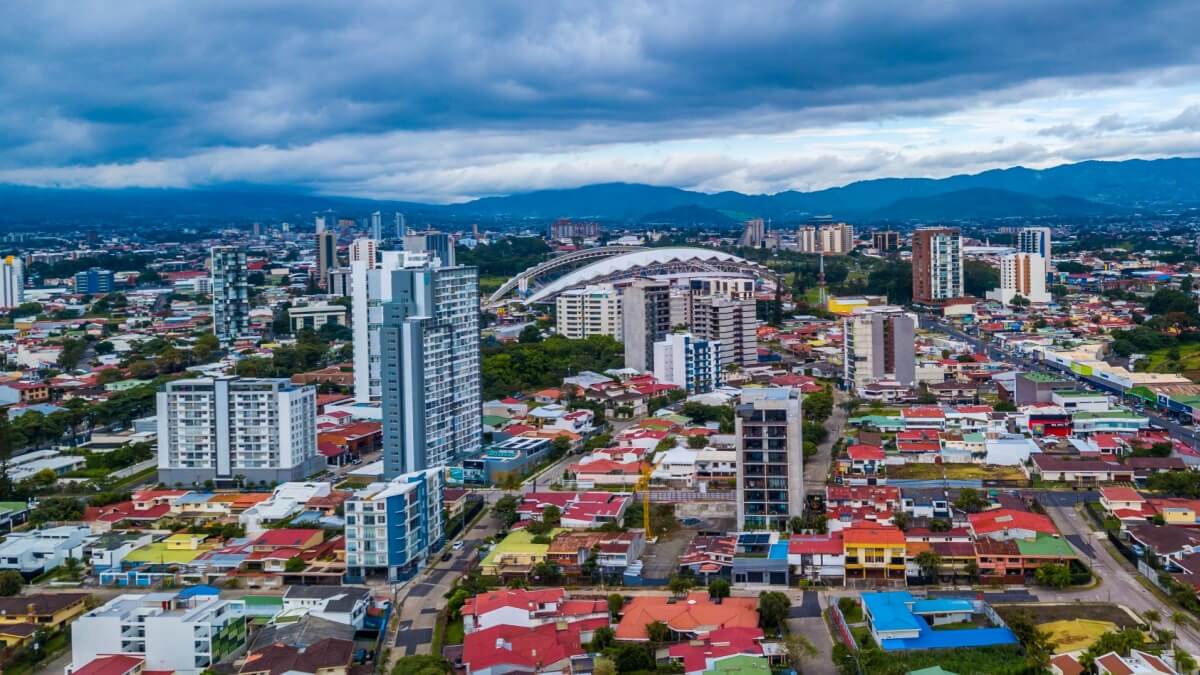
Costa Rica is a beautiful, idyllic place to live, with stunning beaches and a low cost of living. However, you’ll need to understand Costa Rica’s property tax system before purchasing a new home abroad.
We take a look at everything you need to know about property tax in Costa Rica, including the property taxes you’ll pay and how to file your first tax return.
We'll also introduce Wise — your international money transfer alternative. Use Wise to send stress-free transfers to over 140 countries - all at the standard mid-market exchange rate.
| Table of contents |
|---|
Costa Rica is an attractive prospect for US citizens looking to purchase a new home overseas. You can enjoy a lower cost of living and a favorable tax system.
The Costa Rican government charges an annual property tax of just 0.25% of your home’s declared value. This is a flat rate for all homeowners, although homes valued at over 137 million CRC may also be subject to an additional luxury tax.¹
If you plan to rent out your home to tenants or tourists, you’ll pay rental income tax to the Costa Rican government. You’ll also pay capital gains tax when you sell your home.²

There are a few types of property taxes in Costa Rica, including annual property taxes and rental income tax for international landlords.
Let’s take a closer look at how much you’ll pay to own, sell, or rent out your property in Costa Rica.
If you own property in Costa Rica, you’ll pay a 0.25% flat tax per year. This is considerably lower than the property tax in most US states.
You’ll pay 0.25% of your property’s registered municipal value. This is the assessed price of your home, which is often lower than its purchase price or market value.²
You’ll need to have your property reassessed every 5 years to ensure you’re paying the correct amount of tax each year.³
If you own a high-value property, you’ll pay a luxury tax, also known as the Solidarity Tax for the Strengthening of Housing Programs. This money goes toward housing some of the country’s poorest citizens.
Your eligibility for Costa Rica’s luxury tax will depend on the value of your home, including any renovations, improvements, or amenities. The tax ranges from roughly 0.25% to 0.55%, depending on your home’s value.³
The threshold for paying luxury tax changes each year, but it’s likely to apply to homes worth more than 137 million CRC.¹
Many US citizens rent out their homes in Costa Rica. This is a great way to make money, especially in popular tourist areas. However, you’ll pay rental income tax on your earnings.
The government automatically deducts 15% for expenses, which means you’re only taxed on 85% of your total rental income. You’ll pay a flat rate of 15%.
Rental income is due once a month, unless you have at least 1 employee in your home. If this is the case, you’ll pay your taxes once a year. You’ll only be taxed on your net income – and you’ll be subject to specific government rates.³
If you sell a property in Costa Rica, you’ll pay capital gains tax. This is typically charged at 15% of the profit from your property sale.
As a foreigner, you’ll pay the same capital gains tax rate as a local. However, you may face a 2.5% withholding tax on the total sale price of your home.
You’ll only pay tax on any gains from your property sale. This is calculated as the difference between your home's original purchase price and its final sale price.²

Annual property taxes in Costa Rica are calculated using the registered municipal value of your home. Each municipality will use its own property assessment criteria, so the exact amount you’ll pay may vary.⁴
For Costa Rica’s luxury tax, the tax threshold only applies to your home’s construction value, including home improvements like swimming pools.
However, if you meet the government’s threshold, your value will be calculated as the value of your construction plus the value of your land. You’ll pay a percentage based on this value.³
Here are some rough estimates of how much you’ll pay for property taxes in Costa Rica. Speak to a tax expert for more information on your tax rates, obligations, and filing deadlines.
| Tax | Cost |
|---|---|
| Annual property tax | 0.25% of your property’s assessed value |
| Luxury tax | From 0.25% to 0.55%, depending on the value of your home |
| Rental income tax | 15% flat rate If you hire at least one employee in your property, you’ll pay the government’s set tax rates |
| Capital gains tax | 15% flat rate³ |
You’ll likely pay your annual property taxes to your local municipal tax office. You can pay your tax in quarterly installments or as one lump sum. Some municipalities may offer a discount if you pay for the full year upfront.⁴
If you owe other taxes, such as rental income tax, you can use the Costa Rican government’s digital tax system to submit your tax return.
The tax year in Costa Rica runs from 1 January to 31 December. You’ll need to file your tax return by 15 March of the following year.¹
If you owe annual luxury tax for your property, you’ll also need to fill out a *Formulario Único de Inscripción, Declaración y Pago Impuesto Solidario para el Fortalecimiento de Programas de Vivienda, Ley 8683.*³
Paying tax in a foreign currency is expensive, with many US banks adding hefty exchange markups to convert your US dollars into CRC.
Choose an international provider like Wise to pay your tax bill in local currency at the mid-market rate. That’s the standard ‘fair’ rate for currency conversion, with no markups or hidden fees.

There are some property tax exemptions for foreigners in Costa Rica. You may be able to access a reduced rate of annual property tax if your property is part of a social housing scheme, for example.
You can also access an exemption from capital gains tax if you’re selling your primary residence. You’ll need to have lived in the property for at least 183 days per year to qualify.²
Now that we covered some of the basics, the only question left is how to send money to pay for your property overseas.
Wise offers you a quick, secure and transparent way of sending money abroad. You get the mid-market exchange rate for your payments and see how much it’s charged for the transfer before sending the money from your bank.
With the Wise Account you can also hold 40+ currencies, spend money in 150+ countries, and receive like a local in 8+ different currencies.
Please see Terms of Use for your region or visit Wise Fees & Pricing for the most up to date pricing and fee information
If you refuse to submit your tax return or you fail to pay any tax owed on time, you’ll likely pay a fine or penalty. You may pay a percentage of the tax you owe, as well as any interest accrued.¹
For some taxes, such as Costa Rica’s luxury property tax, it’s your responsibility to get your home assessed. You’re also required to determine how much tax you owe without help from the government.³
This means you’ll need to fully understand Costa Rica’s tax thresholds, rates, and rules. Speak to an international tax specialist to ensure you always meet your property tax obligations.

Let’s take a look at some frequently asked questions about property tax in Costa Rica, including how you can reduce your tax bill as a foreigner.
You’ll pay the same rate of annual property tax in all regions of Costa Rica. The flat rate is 0.25% of your home’s assessed value.
However, it’s up to individual municipalities to determine the value of your home. If your property is in a more affluent area or your municipality uses a less favorable assessment methodology, it may increase your home’s value for tax purposes.
If your home is more than 137 million CRC, you’ll also pay a luxury tax on top of your annual property tax obligations.
You may qualify for some tax exemptions in Costa Rica. For example, you can get an exemption from capital gains tax if you sell a primary residence.
You may also be exempt from Costa Rica’s annual property taxes if your property is used for social housing. Consult an international tax expert for advice.
Yes, US citizens will pay the same property taxes in Costa Rica as Costa Rican locals. However, there are some nuances for foreigners.
You may be subject to a 2.5% withholding tax when paying your capital gains tax. This is like an advance on your tax, which only applies to foreign citizens.²

Costa Rica’s property tax system is appealing to foreign investors. You can purchase a beautiful new villa or rent out your apartment to tourists, with low annual property taxes and key exemptions for US citizens living in Costa Rica.
However, you’ll still need to do your research. You’ll need to correctly assess the value of your home and ensure you meet any Costa Rican luxury tax obligations.
| Send money internationally with Wise to 140+ countries and 40+ currencies – all at the fair mid-market exchange rate with low, transparent fees. |
|---|
Sources
1. Taxes for Expats - A guide for American expats about taxes in Costa Rica
2. The Latinvestor - Property taxes, fees and costs in Costa Rica
3. Special Places of Costa Rica - Costa Rica Tax Guide
4. OSA Property Management - Costa Rica property taxes
Sources checked 05/26/2026
*Please see terms of use and product availability for your region or visit Wise fees and pricing for the most up to date pricing and fee information.
This publication is provided for general information purposes and does not constitute legal, tax or other professional advice from Wise Payments Limited or its subsidiaries and its affiliates, and it is not intended as a substitute for obtaining advice from a financial advisor or any other professional.
We make no representations, warranties or guarantees, whether expressed or implied, that the content in the publication is accurate, complete or up to date.

Want to learn about property taxes in Poland? This guide covers types of property taxes and how they are calculated to help you navigate the process.

Want to learn about property taxes in Mexico? This guide covers types of property taxes and how they are calculated to help you navigate the process.

Want to learn about property taxes in Japan? This guide covers types of property taxes and how they are calculated to help you navigate the process.

Want to learn about property taxes in New Zealand? This guide covers types of property taxes and how they are calculated to help you navigate the process.

Want to learn about property taxes in Malta? This guide covers types of property taxes and how they are calculated to help you navigate the process.

Take a look at the full in-depth guide for Cyprus Category F Visa requirements and prepare for the next exciting international chapter of your life.











