
Mexico City 2026 World Cup Guide: Where to Stay, What to See, and Getting Around
Visiting Mexico City to watch the World Cup 2026 games? Have a look at our guide to see where to stay and what to do throughout your trip.


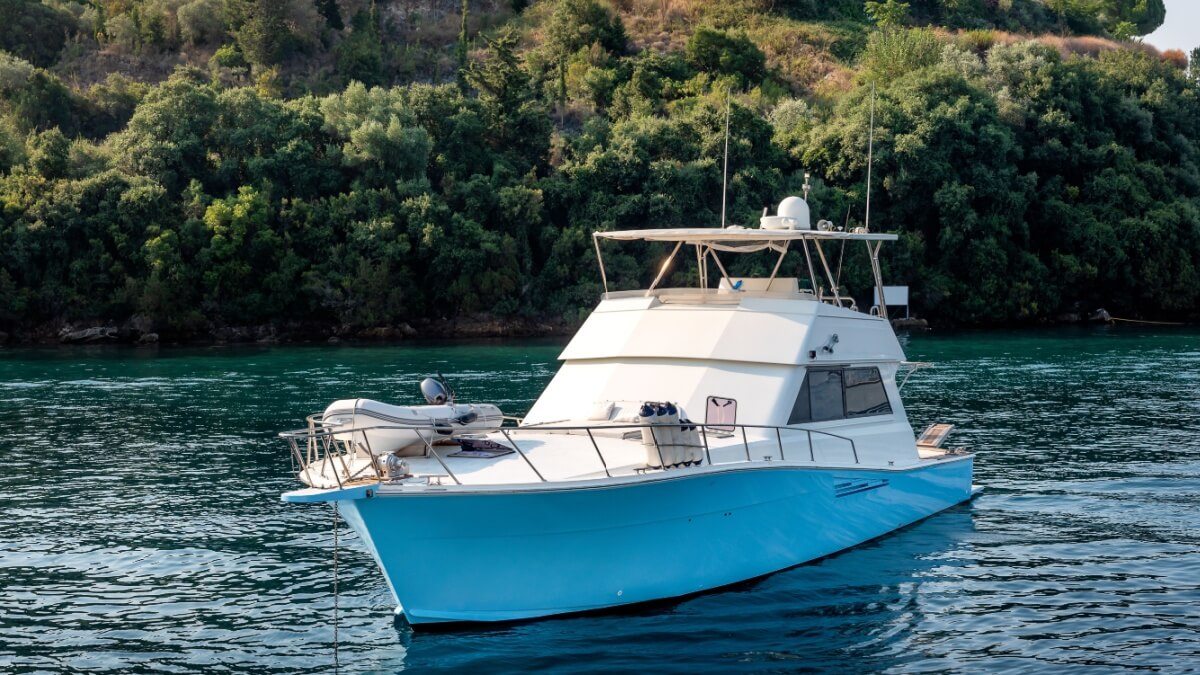
You've got a yacht and big plans, but standard yacht insurance policies often come with geographic restrictions that stop at national borders or certain regions.
If you plan to cross multiple countries and oceans, you may need a global yacht insurance policy to protect your vessel from risks.
So, can you get global yacht insurance as an American, and what does the process look like? Here's everything you need to know to make it happen.
We'll also introduce Wise — your international money transfer alternative. Use Wise to send stress-free transfers to over 140 countries - all at the standard mid-market exchange rate.
Yes, Americans can get yacht insurance that covers global cruising.
You have two main approaches: securing a single international policy that covers worldwide navigation, or arranging separate policies in each country where you spend a lot of time.
Truly international yacht insurance policies work for extended voyages and cover your vessel regardless of which waters you're in, but you'll need to do some research to find the right provider.
The alternative—getting separate policies in different countries—makes sense if you maintain permanent moorings in multiple locations or spend several months in one region each year.
For example, you may go down this route if you summer in Greece and winter in the Bahamas, or have another type of “seasonal” approach. In this case, you might decide to carry a couple of regional policies instead of one global plan.

Before contacting insurers, map out where you plan to sail. Your itinerary will largely shape what coverage makes sense (AKA, fully international or separate policies in different countries).
You should also consider how long you'll be gone and whether you're living aboard full-time or leaving the yacht unattended for periods.
Plus, think about the value of your vessel and what level of protection you need. Most policies will protect your yacht against physical damage, theft, and loss, but third-party liability will also cover harm you might cause to other vessels, docks, or people.
Many yacht owners carry both types of coverage.
Global yacht policies can be quite rare, so you'll need to do some research if your goal is true international coverage.
Here are a few reputable providers you can start with:
For something as specialized as a global yacht insurance policy, you'll have to get in touch with the brokers and ask about your options.
Global doesn't always mean truly everywhere, so it's important to read the fine print about restricted zones. Insurers may exclude high-risk areas unless you pay extra for special coverage.
For example, hurricane-prone waters might be off-limits during storm season, or require you to move the vessel to a safe harbor by certain dates.
The insurance company will need extensive information about your yacht, including vessel registration, proof of ownership, and specifications, including age, construction materials, and current market value.
Many policies will also ask for a recent marine survey to verify your yacht's seaworthiness and identify any existing issues that might affect coverage.
You may also compile records of your sailing history, such as the passages you've completed, certifications you hold, and any formal training.
It's a smart idea to request quotes from at least 3 insurers.
You should compare annual costs, deductibles, agreed versus actual cash value coverage, how claims are paid in foreign currencies, whether salvage and recovery are included, and what happens if you need repairs in remote locations.
Once you've selected an insurer, complete the full application and provide all requested documentation.
Review the final policy carefully before signing, and make sure you understand the geographic limits and coverage amounts.

Global yacht insurance premiums generally fall between 1% and 5% of your vessel's insured value each year. Most yacht owners end up paying around 1.5% annually.¹
In other words, if your yacht is valued at 300,000 USD, expect to pay roughly 4,500 USD per year for global coverage.
However, your rate will largely depend on factors like your experience level, the boat's age and condition, and where you plan to cruise.
| 💡 Learn more about yacht charter costs. |
|---|
Once you narrow down your search and start reaching out for quotes, the insurers will let you know the exact documents they'll need, but you should expect to provide the following:
Some insurers ask for additional items, like crew information, if you're hiring professional help.

Tax obligations can get a little complicated when you're moving your yacht across international borders.
Most importantly, VAT (Value Added Tax) can be an issue in many countries, especially in Europe. Some nations charge VAT when you import a vessel or keep it in their waters beyond a temporary visit period.
You may also have to pay for cruising permits or cover temporary import taxes that let you sail for a limited time without paying the full VAT.
Overall, it largely depends on which countries you visit and how long you stay in each location, but be prepared to cover at least some tax costs.
Here are a few details that can affect your coverage and costs:
- Most policies require you to notify the insurer before entering officially restricted or high-risk zones, and some won't cover you there at all
- Hurricane and cyclone seasons often come with mandatory movement requirements, and you'll have to relocate to approved safe harbors
- Currency fluctuations affect your premiums and coverage limits since your policy might be written in USD while repairs happen in EUR, GBP, or other currencies
You should also check if your yacht insurance policy allows amateur crew or requires everyone aboard to have sailing qualifications, since going against the rules can void your policy.

You can get global yacht insurance as an American to cover your vessel worldwide, but you'll have to do extensive research since there are only a few providers that offer fully international coverage.
If you can't find a provider with global coverage, you may consider getting separate policies in the countries where you'll spend the most time.
But there's also a cost that many American yacht owners often overlook.
If you're cruising internationally and hopping between countries, you're likely losing a lot of money to bank transfer fees and credit card foreign transaction charges every time you pay for things like fuel and yacht maintenance, not to mention just everyday life costs.
Converting currencies and dealing with poor exchange rates only increases these expenses.
If you want to spend like a local in different countries, try Wise.
| With Wise, you can send up to 1,000,000 USD per wire transaction to 140+ countries, with the mid-market exchange rate and low, transparent fees. |
|---|
Get a Wise Account
in minutes 💰
Sources
Sources checked 12/18/2025
*Please see terms of use and product availability for your region or visit Wise fees and pricing for the most up to date pricing and fee information.
This publication is provided for general information purposes and does not constitute legal, tax or other professional advice from Wise Payments Limited or its subsidiaries and its affiliates, and it is not intended as a substitute for obtaining advice from a financial advisor or any other professional.
We make no representations, warranties or guarantees, whether expressed or implied, that the content in the publication is accurate, complete or up to date.

Visiting Mexico City to watch the World Cup 2026 games? Have a look at our guide to see where to stay and what to do throughout your trip.

Visiting Guadalajara Mexico to watch the World Cup 2026 games? Have a look at our guide to see where to stay and what to do throughout your trip.

Visiting Montterey Mexico to watch the World Cup 2026 games? Have a look at our guide to see where to stay and what to do throughout your trip.

Discover the best eSIM options for tourists visiting the USA. Compare our 5 picks by data, price, coverage, and setup to choose the right plan.

Explore the top 5 travel medical insurance options for your trip to the US. Compare coverage, limits, prices, and pros to pick the best plan.

B1/B2 visa requirements explained: eligibility, required documents, fees, and interview tips to help you apply confidently and avoid delays.











