
Guide on registering a foreign company in India
Know what qualifies as a foreign company under Indian law, the available registration options, key approvals and documents required. Read here to know more


India’s online economy is no longer emerging. It is established and still growing. The number of online shoppers in India is expected to reach up to 450 million by 20271, and the e-commerce industry is projected to grow to $345 billion by 20302. Launching an online business is often the most practical entry point for entrepreneurs. It gives you the flexibility to test concepts, keep expenses in check, and expand your customer base geographically.
This guide explains how to start an online business in India, step by step. It covers ideas, legal basics, setup decisions, and daily operations. It also explains how to manage payments if your business serves customers outside India.
| Table of Contents |
|---|


An online business is one where customers discover you, understand your offer, and pay you through the internet. While some work may still happen offline, the main sales and payment flow stays digital. This helps keep costs low and allows businesses to grow at a steady pace.
In India, this often includes:
Online businesses offer flexibility, but they also come with limits. Understanding both helps you plan better.
| Pros | Cons |
|---|---|
| Lower startup costs: You can begin without renting a physical store or hiring staff. | High competition: Many online categories already have several established players. |
| Wider reach: You can sell across India and often to international customers. | Trust takes time: New brands need to earn credibility before customers feel confident buying. |
| Flexible work setup: Many founders start from home or run the business alongside a job. | Regulatory responsibility: Tax, GST, and compliance rules still apply. |
| Easier testing: You can validate ideas before investing large amounts of money. | Platform dependence: Marketplaces and ad platforms can change terms or fees. |
India’s online fashion and apparel market is expected to reach $35 billion3 by FY28, growing at a 25% CAGR. The widespread adoption of e-commerce has significantly boosted online apparel sales. Retailers are successfully targeting specific market verticals, including casual wear, ethnic garments, inclusive sizing, and eco-friendly materials. Shoppers often prefer online platforms for convenience, wider variety, and the ability to compare prices easily. As a result, the online fashion market maintains robust, year-round demand.

Starting an online jewellery business requires planning but can scale once trust is built. Many sellers focus on lightweight, imitation, or silver jewellery for daily wear, gifting, or niche styles. Demand stays steady year-round, with higher sales during festivals and wedding seasons.
Selling packaged food online takes planning but can grow with repeat demand. Many founders start with regional snacks, ready mixes, or traditional sweets that ship well. Clear ingredient labels and safe packaging help build customer trust.
Online coaching in India covers career guidance, fitness, life coaching, and skill-based learning such as embroidery and art. Most coaches focus on one area and deliver sessions through live classes or structured lessons. Many use monthly subscriptions, where trust builds through consistent teaching and clear outcomes.
Online tutoring in India works best when you choose a specific subject or exam such as school boards, NEET, JEE, or government exams. Tutors usually run live classes with doubt-clearing sessions and shared study material. Monthly fees or batch-based models work well, where results and consistency matter more than scale.
Planning an Indian wedding involves a lot of moving parts, which is why all-in-one digital wedding platforms are a lifesaver for couples looking to easily compare venues, decorators, and photographers These platforms typically earn revenue through advertisements, paid vendor listings, and booking commissions built on local vendor networks.
Niche beauty and personal care brands in India focus on specific needs such as skincare, hair care, or grooming for local climates. Many start with one or two products and test demand online, using clear ingredient labels and basic compliance to build trust. Many brands also work with relevant influencers to reach the right audience.
From an online business point of view, home organisation products in India work well because they solve everyday space problems. Sellers usually start with a few practical items and sell through websites. Clear product details and sizing help reduce returns and support repeat sales.
When it comes to big decisions about careers, finances, or marriage, many people in India look for a guiding light. Digital platforms are meeting this need by offering online consultations, reports, and subscriptions for astrology, numerology, and spiritual services. Founders often focus on a specific niche, such as astrology or numerology, to build their authority as trust and word-of-mouth matter more than scale in this segment.

Investment education in India works well as an online business when it focuses on one clear area such as savings or investing. Educators offer short courses, newsletters, or one-to-one guidance online. Clear explanations build trust, leading to referrals and long-term learners
Starting an online business works best when you move step by step. Each stage helps reduce risk and keeps costs under control.
Start by defining what you want to sell and who you want to sell it to. Focus on a clear problem or need. Check if people already search for or buy similar products online. Look at pricing, reviews, and gaps. This step helps you avoid building something no one wants.
Decide how your business will operate. This could be selling products, offering services, running subscriptions, or earning commissions. In India, many founders start small with direct-to-consumer models or services they can run from home. Pick a model that fits your budget and time.
If you are starting an online business, you can register either as a sole proprietorship or as a company, firm, or LLP. Many online sellers choose to operate as sole proprietors, especially when selling through marketplaces or their own web store.
For online payments and smoother operations, registering your business helps with integrating payment gateways and maintaining a proper business bank account. Formal registration also helps avoid legal confusion and builds more trust as your business grows4.

If you run an e-commerce platform, you must register for GST5. Keep your PAN-linked records in place and issue proper invoices from the start. Basic compliance reduces risk and avoids problems as your business grows.
If you plan to ship products outside India, check export requirements early. Many sellers need an Import Export Code (IEC)6 to ship goods overseas. You may also need customs invoices and shipping declarations. Courier partners often guide you, but responsibility stays with the seller. Getting this right avoids delays and rejected shipments.
Keep personal and business money separate from the start. A business bank account makes tracking income and expenses easier. It also helps with tax filing and payments. Most Indian banks allow online account opening once you have basic documents.
Choose payment options your customers trust. This usually includes UPI, cards, and net banking. If you plan to sell to customers outside India, set up a way to receive international payments. Track every payment and expense, even when revenue is small. Good records save time later.
Create a simple website or store that clearly explains what you sell. Focus on clear product details, pricing, and contact information. Many Indian founders start with ready-made platforms like Shopify or Woocommerce, instead of custom builds. Your site should work well on mobile, as most users shop on phones.
For products, add clear photos, descriptions, and delivery details. For services, explain what is included and how clients can book or contact you. Avoid overloading pages. Clear information builds trust and reduces questions later.
Decide how customers will reach you with questions or concerns. Many Indian businesses use WhatsApp, email, or phone support to handle enquiries and order updates. Clear and timely communication builds trust and helps reduce cancellations and returns.
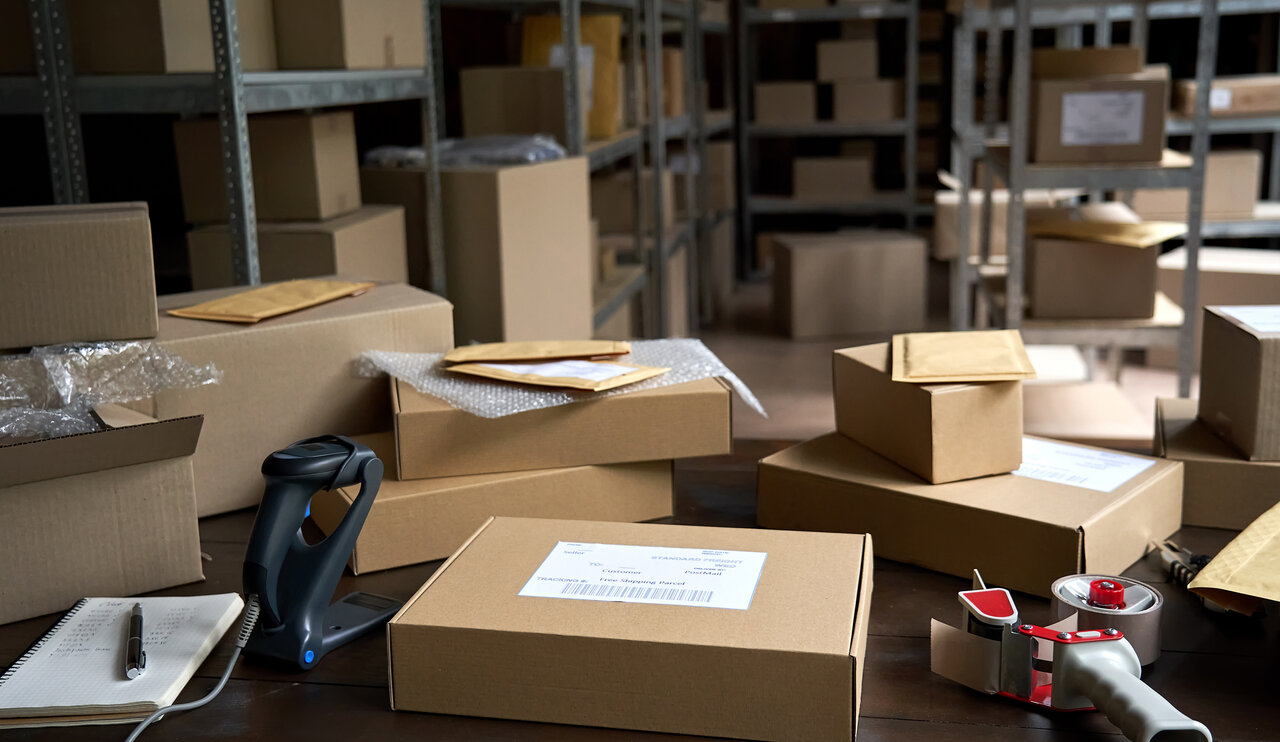
If you sell physical products, plan how you will pack and ship orders. Start with courier partners like Delhivery, Shiprocket, Blue Dart, Ecom Express, or India Post, and account for returns early. For local orders, same-city delivery through Dunzo or local couriers can reduce costs. For international shipping, expect longer timelines and higher costs. Choose partners that handle customs and set clear expectations on delivery, duties, and returns.
Once your business is live, start with a small audience. Test pricing, messaging, and delivery flow. Pay attention to customer questions and feedback. Improve one part at a time.
For Indian businesses that start online and plan to sell within and outside the country, international payments can feel complex.
Expanding a business globally opens up exciting opportunities, but also new challenges like receiving payments across borders. Hidden foreign transaction fees and hefty markups involved with international payments can eat into your profits and time.

Wise Business addresses this gap by enabling Indian businesses to receive money from abroad using local account details in supported foreign currencies. Conversions are offered mid-market exchange rates with no hidden markups and a transparent upfront fee.
Are you a small business or freelancer receiving payments from overseas? Transform the way you receive global payments with Wise Business:
Sign up for the Wise Business account! 🚀
1. Do I need a business license to sell online?
There is no single “business license” required for all online sellers in India. However, you may need certain registrations depending on your activity, such as GST (if you cross the turnover limit), Professional Tax (if you hire employees), or specific industry licenses. Requirements vary based on what you sell and where you operate.
2. Can I start an online business from home?
Yes. Many online businesses in India operate from home, including product, service, and digital businesses. You usually do not need a separate office at the start.
3. How much money do I need to start an online business?
It depends on the business type. Service and digital businesses can start with low costs. Product-based businesses may need more for inventory and delivery, so many founders start small and scale later.
Sources:
*Please see terms of use and product availability for your region or visit Wise fees and pricing for the most up to date pricing and fee information.
This publication is provided for general information purposes and does not constitute legal, tax or other professional advice from Wise Payments Limited or its subsidiaries and its affiliates, and it is not intended as a substitute for obtaining advice from a financial advisor or any other professional.
We make no representations, warranties or guarantees, whether expressed or implied, that the content in the publication is accurate, complete or up to date.

Know what qualifies as a foreign company under Indian law, the available registration options, key approvals and documents required. Read here to know more

Explore business travel insurance options in India. Learn about coverage, costs, providers, and how to protect employees during business trips.

Explore foreign business ideas which are not in India. Identify proven global models, assess demand locally, and understand challenges. Read more here.
Compare different providers in India based on pricing, features, and suitability to identify the best payment gateway for your small businesses in India.

Learn how Indian businesses can hire remote employees, manage payroll, follow labour laws, and handle compliance. A clear guide for 2026.

Learn how to register a company in India. From choosing a legal structure to MCA filings, tax registration, and compliance. 2026 guide for businesses.











