Ski resorts in Italy: Best areas and resorts for Brits
Explore the best ski resorts in Italy for luxury escapes, family holidays and group getaways. Get tips for packing, dining, staying safe and saving money.


Italy is a favourite among UK tourists, offering art, history, beautiful landscapes and delicious cuisine. However, since Brexit, some travellers are unsure whether a visa is required.
You might be wondering: Do I need a visa to visit Italy? This guide explains everything you need to know. This includes requirements, visa types, documents and upcoming changes.
We'll also introduce the Wise card from the money services provider Wise. This clever debit card automatically converts your pounds to the local currency at the mid-market exchange rate in 150+ countries, only adding a tiny, transparent conversion fee* - or it's free if you already have the local currency in your Wise account.
🔎 Learn more about the Wise card
No, UK citizens don’t need a visa for a short-term visit to Italy.1
British passport holders can enter Italy without a visa for tourism, to attend cultural or sporting events or to visit family and friends. This stay is allowed for up to 90 days within a 180-day period. Visa-free entry is also permitted for attending business meetings or participating in short-term study programmes.1
Even though a visa isn’t required for short visits, UK nationals must comply with the entry rules for the Schengen Area.
First, make sure your passport was issued within the last ten years and that it’s valid for at least three months after the date you plan to leave Italy. If you don’t meet these requirements, you’re likely to be refused entry at the border.1
Border guards will also check whether you’ve exceeded the 90-day visa-free limit within the Schengen Area. They might also ask for additional documents, such as proof of onward travel, travel insurance and accommodation. You might also be asked to show evidence of sufficient funds for your stay, but the amount required can vary based on the accommodation you’ve arranged.1
If you’d like to stay longer than 90 days, you should check which type of visa or work permit is required with the Italian Ministry of Foreign Affairs.1
The EU’s Entry/Exit System (EES), which was introduced on 12 October 2025, is an additional requirement for anyone entering Italy and the wider Schengen Area. Travellers are now required to register their fingerprints and a photo at the border, usually before immigration checks. However, if you travel through Dover, Eurotunnel at Folkestone or Eurostar at St Pancras, you can complete this before leaving the UK. Until EES is fully implemented and replaces the current procedure, your passport will continue to be stamped.1
It’s also important to be aware that from the final quarter of 2026, UK travellers will need to apply for the ETIAS travel authorisation before entering Italy. This isn’t a visa, but an online authorisation introduced to improve border security within the Schengen Area.2
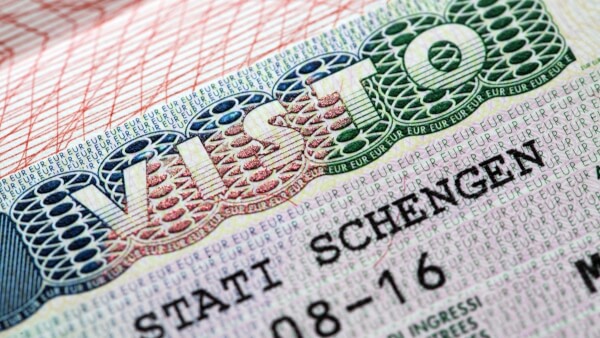
UK citizens don’t need a visa for short trips to Italy, while people living in the UK who do not hold a British passport might need to apply for a short-stay Schengen visa. On the other hand, several different visa categories are available for longer stays or specific purposes.
For stays of more than 90 days, you’ll need a long-stay visa, also known as the National visa or Type D visa. It allows you to move freely in the Schengen Area for up to 90 days in total during each six-month period.3
Long-stay visas cover a wide range of purposes, such as studying, working, family reunification and retirement. If you have a confirmed job offer in Italy, you can apply for a Work visa, while entrepreneurs should explore the Self-employment visa category.4 There’s also a Digital nomad visa available for freelancers.5

You should begin by determining the purpose of your visit and the length of your stay in Italy. This will help you in choosing the right visa, especially if you’re considering one of the work visa options.
All Italian visa appointments in the UK are arranged through VFS Global and their offices in cities like London, Manchester and Edinburgh. Processing times can take up to 45 days for Schengen visas and up to 90 days for National visas. You’re allowed to apply up to six months before you travel.6
Some paperwork may need to be shown in both original and copy form, depending on your circumstances. Even if you provide everything requested, you might still be asked for extra information.6
Most UK citizens visiting Italy for less than 90 days don’t pay any visa fees, as a visa isn’t required.
National visas have different fees depending on the category. For example, a Student visa costs €50, while the Work visa and Start-up visa each cost €116.7
UK travellers will also need to pay the ETIAS fee from the end of 2026. The cost is €20, but some categories of travellers are exempt.8
Most UK travellers visiting Italy don’t need a visa, so short trips are simple and hassle-free. However, if you plan to work, study or live in Italy for more than 90 days, you’ll need to apply for the appropriate visa.
If you're planning to travel to Italy soon, why not check out Wise.
Open a Wise account online and you can order the Wise card for a one-time fee of £7. You can use this clever card in 150+ countries. It automatically converts your pounds to local currency whenever you spend using the mid-market exchange rate, only adding a tiny, transparent conversion fee* – or it’s free if you already have the local currency in your Wise account.
You also get two free ATM withdrawals for up to 200 GBP (or currency equivalent) each month. Wise will not charge you for these withdrawals, but some additional charges may occur from independent ATM networks.
Sources used:
1. Gov.uk - Italy entry requirements
2. European Union - who should apply for ETIAS
3. Ministry of Foreign Affairs and International Cooperation - types of visa
4. IASS - moving to Italy from the UK
5. Consolato Generale d'Italia Londra - digital nomad visa
6. Consolato Generale d'Italia Londra - visas
7. Ministry of Foreign Affairs and International Cooperation - visa for Italy
8. European Union - what is ETIAS
Sources last checked on date: 09-Dec-2025
*Please see terms of use and product availability for your region or visit Wise fees and pricing for the most up to date pricing and fee information.
This publication is provided for general information purposes and does not constitute legal, tax or other professional advice from Wise Payments Limited or its subsidiaries and its affiliates, and it is not intended as a substitute for obtaining advice from a financial advisor or any other professional.
We make no representations, warranties or guarantees, whether expressed or implied, that the content in the publication is accurate, complete or up to date.

Explore the best ski resorts in Italy for luxury escapes, family holidays and group getaways. Get tips for packing, dining, staying safe and saving money.

Read our essential guide to ATMs in Italy, including how to find them, fees, exchange rates, withdrawal limits and more.

Read our complete guide to the Italy digital nomad visa, covering fees, documents, eligibility requirements and how to apply.
Planning a trip to Italy? From eligibility to the necessary paperwork, here's a comprehensive guide on how to apply for an Italian Schengen visa from the UK.

Travelling to Venice soon? Find out everything about the Venice tourist tax and essential travel tips.

Check out our in-depth guide on everything you need to know about buying a prepaid Italy SIM card, including different providers, pricing, and features.