
Do you need a visa to visit Italy from the UK: Italy travel requirements
Do you need a visa to visit Italy? Learn whether you need one, explore the available visa types, and find out how to apply.


Think “Italy” and you might picture sunny beaches, romantic architecture and fresh Mediterranean food. But the country is also a surprising gem for snowsports. From the Dolomites’ dramatic peaks to hidden powder paradises, Italy has something for every skier and snowboarder.
This guide explores some of Italy’s top ski resorts including luxury and budget options, family-friendly destinations, and the best areas for beginners, intermediates and experts. It also covers travel tips on packing, après-ski, staying safe on the slopes, and spending money in euros.
Get your travel money sorted with the Wise card. Spend in up to 40+ currencies with fair exchange rates and low transparent fees*.
💳 Learn more about the Wise card
Italian ski resorts blend adventure with relaxation, offering dazzling scenery, good infrastructure, exceptional food and wine, and a vibrant après-ski scene.
Italy’s largest lift-connected area is in the Dolomites — a mountain range so stunning that it holds UNESCO World Heritage status. The country also offers access to the Western Alps, often at lower prices than France or Switzerland.
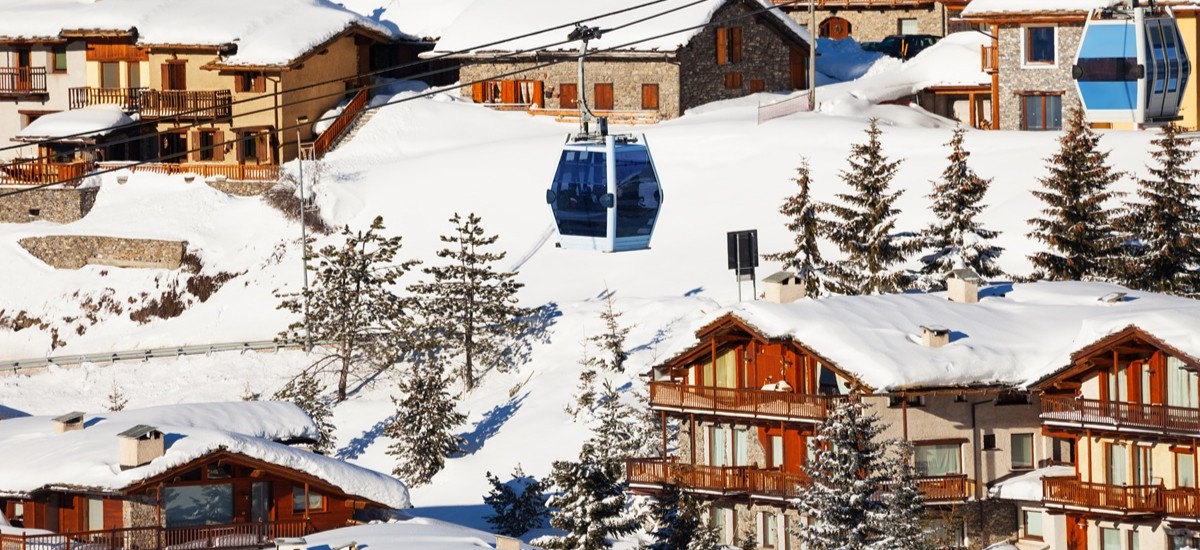
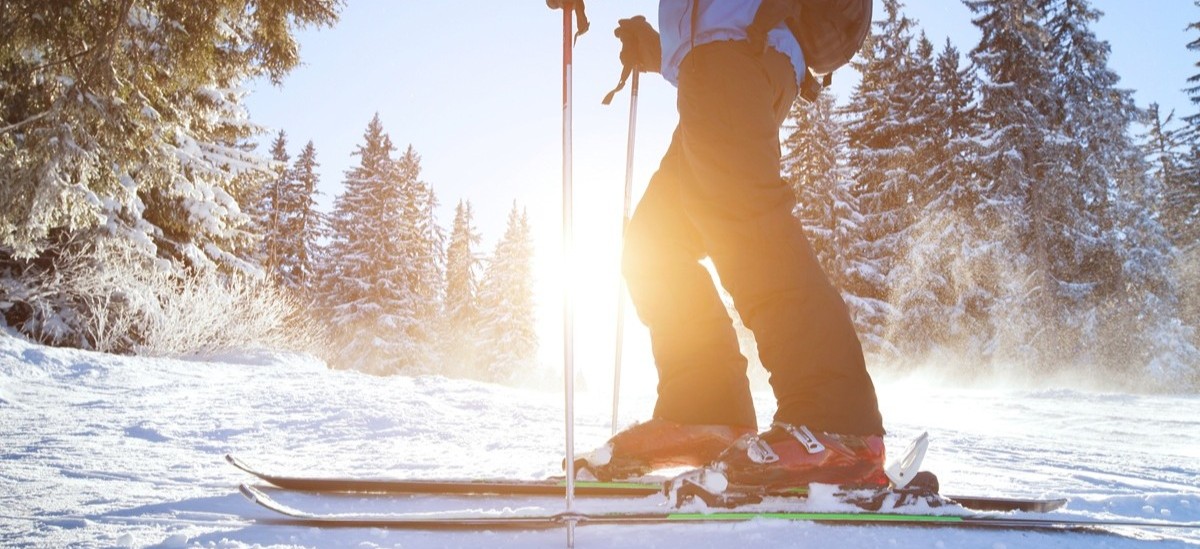
The Italian ski season generally runs from late November to April. High-altitude resorts like Cervinia and Livigno offer reliable snow well into May. Prices tend to go up around Christmas, New Year and school holidays, while many resorts offer discounts for spring skiers.
Milan Malpensa (MXP) and smaller Milan airports provide access to Italian ski resorts in the western Alps, including the regions of Lombardy, Piedmont and Aosta Valley.
Innsbruck (INN) in Austria offers great access to the Dolomites in Italy, especially if you plan to rent a car and drive from the airport. If you prefer to fly into Italy, Verona (VRN) is also an option.9
Taking the train to your ski resort in Italy is a great way to see some gorgeous scenery and reduce your carbon footprint. London to Milan takes around 13h 45m via high-speed trains including the Eurostar, Deutsche Bahn and Italo. Tickets start from around €99 if you book early.11
Looking to hop between ski resorts? Trains provide station-to-ski-lift access between three peaks Dolomites, Kronplatz & Madonna di Campiglio.10
Make sure you understand the local road rules before driving in Italy as a Brit. Be prepared for road tolls on the Autostrade (motorways) and narrow, icy roads in the mountains.
If you’re taking your UK car, you must carry:
Renting a car in Italy is often cheap and convenient. But most rentals won’t come with winter tyres, ice scrapers or snow brushes.
You’ll find more winter-ready rentals in Austria or Switzerland. Just be aware that many major cross-border tunnels charge tolls of around €50. Finally, if you have a diesel rental, make sure to refuel near your first mountain stop with sub-zero tolerant fuel.10
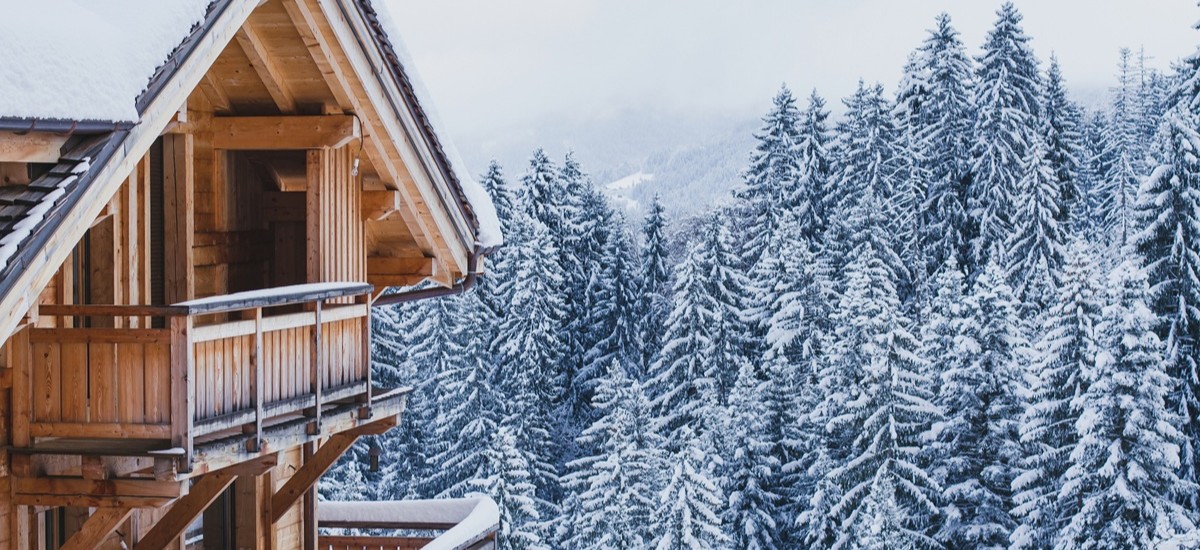
Catered chalets provide a cosy retreat after a day on the slopes, with cooking and household chores done for you. Many are located in the Dolomites and South Tyrol, offering alpine charm and Italian hospitality.
These chalets are ideal for groups seeking a high-end, all-inclusive ski experience.
Hotels range widely in price and quality. For an authentic Italian experience, consider staying in a family-run hotel. Many offer a cosy, intimate setting and traditional local dishes.
Self-catered apartments are perfect for families or groups looking for flexibility, space and cost-effectiveness. These accommodations allow you to prepare your own meals, which can be a significant saving, especially for longer stays.
Here’s what to add to your Italy packing list if you’re visiting for a skiing trip:
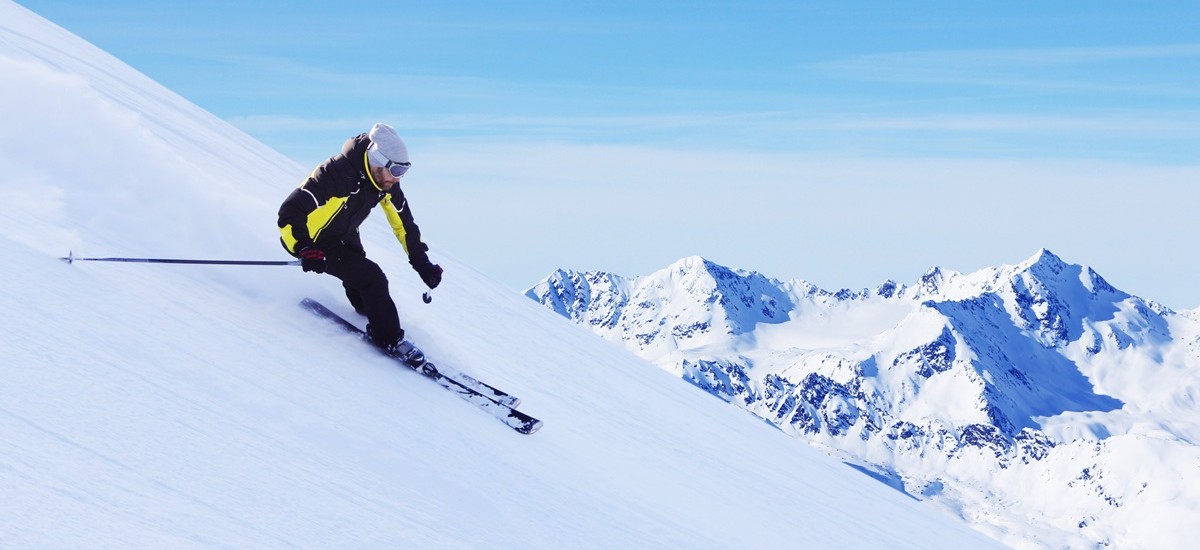
Standard travel insurance usually won’t cover a skiing or snowboarding holiday. Look for winter sports insurance that covers related injuries, mountain rescue and your equipment. Some policies also cover piste closures, lost ski passes and unused rentals or lessons due to illness or injury.
Italy follows 10 rules for safety on the slopes:12
Important laws to know about include:13
Après-ski in Italy ranges from lively party spots to relaxing mountain retreats. Cervinia and Livigno are famous for energetic bars and nightlife, while Cortina d’Ampezzo offers a more sophisticated scene with wine bars and Michelin-starred restaurants. Bormio is ideal for a slower pace, with cosy bars and thermal spas, and Piani di Bobbio provides a quaint, relaxed atmosphere with inviting bars like the Bar Igloo.
Italian resorts offer plenty of winter fun beyond skiing and snowboarding. Try dog sledding, tobogganing, ice skating or a peaceful snowshoe walk. Madonna di Campiglio is a top pick for spas, Alta Badia offers a ‘sommelier on the slope’ wine-tasting course, and Piedmont is home to adventure activities like canyoning and hang-gliding.
Traditional mountain cuisine in Italy often incorporates local ingredients such as wild greens, alpine herbs, mushrooms and chestnuts. South Tyrolean cuisine in particular offers a unique blend of Italian, Austrian and German flavours. Look for authentic dishes such as:
It’s customary to tip in Italy - around 10% of your bill, or 15-20% for really great service.
Cards are widely accepted in the larger ski resorts, hotels and restaurants. But many small establishments, taxi drivers and guides ask for cash. Some stores in Italy even offer a discount (sconto) if you pay with physical money.
Many debit and credit card providers will charge high fees and marked-up exchange rates if you use an ATM in Italy.
With the Wise card, you get the mid-market rate every time and only pay a super-low fee* on withdrawals after the first £200. Wise will not charge you for these withdrawals, but some additional charges may occur from independent ATM networks.
Ski resorts in Italy are generally more affordable than those in France and Austria, and much cheaper than ski resorts in Switzerland. Even the more luxurious resorts offer reasonably priced lift passes and some budget-friendly accommodation options.
Using Cervinia as an example, you can expect to pay around:
Accommodation costs vary, with self-catered apartments often being the cheapest option for families and groups. As a ballpark, 7 nights in mid-January can cost up to €4,500 for a 5-star hotel, or as little as €850 for a 2-star hotel or €1,150 for a four-person apartment.
Order the Wise card in minutes. You’ll get fair exchange rates when paying in a local currency and never have to worry about high hidden fees. It could save you money so you have more to spend on some extra aprés ski activities. And with notifications for every transaction, it’s easy to keep an eye on your holiday spending.
Ready to get started? Open a Wise account in less than five minutes to manage money in up to 40+ currencies including Euros. Make your money go further wherever you’re headed this winter.
➡️ Learn more about the Wise account
Sources used in this article:
1. Luxury Editor - luxury ski resorts in Italy
2. Snow Magazine - Livigno ski resort
3. Post Office - Bardonecchia ski resort
4. Holiday Expert - San Vito di Cadore ski resort
5. Bergfex - Colore ski resort
6. Snow Online - Colore ski resort
7. Maison Sport - Piani di Bobbio ski resort
8. Snow Magazine - ski resorts for families
9. Snow Magazine - ski resorts for beginners
10. Powder Hounds - travel to the Dolomites
11. Powder Hounds - travel to Italy
12. Trainline - London to Milan trains
13. Skialo - ski rules and restrictions
14. Ski Racing - new ski rules
15. Cervinia Travel - average ski pass costs
16. Post Office - average ski resort costs
Sources last checked on: 8 Dec 2025
*Please see terms of use and product availability for your region or visit Wise fees and pricing for the most up to date pricing and fee information.
This publication is provided for general information purposes and does not constitute legal, tax or other professional advice from Wise Payments Limited or its subsidiaries and its affiliates, and it is not intended as a substitute for obtaining advice from a financial advisor or any other professional.
We make no representations, warranties or guarantees, whether expressed or implied, that the content in the publication is accurate, complete or up to date.

Do you need a visa to visit Italy? Learn whether you need one, explore the available visa types, and find out how to apply.

Read our essential guide to ATMs in Italy, including how to find them, fees, exchange rates, withdrawal limits and more.

Read our complete guide to the Italy digital nomad visa, covering fees, documents, eligibility requirements and how to apply.
Planning a trip to Italy? From eligibility to the necessary paperwork, here's a comprehensive guide on how to apply for an Italian Schengen visa from the UK.
Travelling to Venice soon? Find out everything about the Venice tourist tax and essential travel tips.

Check out our in-depth guide on everything you need to know about buying a prepaid Italy SIM card, including different providers, pricing, and features.











