
Best savings accounts for non-UK residents
Read our roundup of the best savings accounts for non-UK residents, including options from Barclays, HSBC Expat, NatWest and Skipton International.


Thailand is a dream holiday destination, but it can also be a great place to move for a longer period - to work, retire or study for example. If you’re planning an extended stay in Thailand you’ll need to make sure you have ways to manage your money in Thai baht (THB).
This guide to opening a bank account in Thailand is a great place to start. Here, we’ll cover the process of applying for an account, including eligibility and what documents you’ll need. Plus, tips on foreigner-friendly banks and accounts.
We’ll also show you a smart alternative to a bank account from the money services provider Wise - the Wise account. It’s not a bank account but offers some similar features, and your money is safeguarded.
Over 14.8 million people worldwide use Wise to send, spend and convert money in pounds, Thai baht and 40+ more currencies – for low, transparent fees and mid-market exchange rates close to what you can see on Google. Plus, you’ll get dedicated support and volume discounts when sending large amounts.
➡️ Learn more about the Wise account
| Please see the terms of use and product availability for your region or visit Wise fees and pricing for the most up to date pricing and fee information. |
|---|
You may find it difficult to open a Thai bank account as a non-resident, as most banks require applicants to have a long-term visa.¹
If you’re only in the country, temporarily, it may be possible to open a non-resident savings account - but not a current account.
So if you want an account for everyday banking, you may need to wait until you’ve actually moved to Thailand.
| 📚 Read more: Living in Thailand as an expat: A complete guide |
|---|
It’s not a legal requirement to have a local bank account when living in Thailand, so it isn’t absolutely essential to open one after your move.
You may be able to manage without one for a short time, making use of multi-currency solutions such as the Wise account to send, spend and receive money.
But you might find that day-to-day life in Thailand is more difficult and complicated if you don’t have any kind of local or international current account.
You’ll find it tricky to get paid, pay your bills, buy property or get a mortgage, and even to sign up for a mobile phone contract.
Opening a bank account in a foreign country can be a daunting process, so you may be tempted to keep using your UK account - but is it possible?
Generally speaking, the answer is no - but it all depends on who you bank with.
Major British banks such as Barclays have closed the accounts of Brits living overseas. There are some exceptions, such as for UK Crown employees and people who are only planning to live abroad for less than 6 months.²
Other banks take a different approach. For example, Spanish-owned international bank Santander says it will continue to service accounts when the holder moves abroad.³
So if you’re an existing customer, you should in theory be able to continue using your account in Thailand. The only drawback is that Santander doesn’t have a presence in Thailand - so you may struggle if you want to access branches, ATMs and banking-related customer support.
Another important thing to bear in mind is the currency. If you’re using a UK bank account, it’ll likely be denominated in GBP. You’ll be spending in THB while in Thailand, so you could lose out when it comes to currency exchange.
So, it could be a better idea to close down your UK account and get a fresh start when you arrive in Thailand. Alternatively, you could look into UK banks such as HSBC which offer expat accounts.
Yes, the banking system in Thailand is open to foreigners and expats as long as they’re living in the country.
As long as you have the right documentation (we’ll cover what you need in a moment) then the process should be the same or similar as for local applicants.
However, bear in mind that customer service staff in branches may not speak English, and many documents may be in Thai.
While there are some banks in Thailand which offer digital account opening processes, it’s unlikely that this service will be available for foreigners (even if you have a long-term visa).
You’ll usually have to visit a bank branch in person to open your new bank account. A member of the bank staff will verify your documents and witness your signing of your account documents. This usually applies even if you’re getting a non-resident account.
Yes, many of the major banks in Thailand are open to international students, although not all have dedicated student accounts. You’ll need to have a Non-Immigrant ED (Student) Visa to apply.
Looking for a convenient, low-cost way to manage your money in Thailand and internationally?
The Wise account, from the money services provider Wise, offers a modern alternative. It’s an international account for sending, spending and converting money in 40+ currencies – including Thai Baht (THB) and British Pounds (GBP).
You’ll get the mid-market exchange rate (close to the one you see on Google) for all of your foreign currency transactions, with no hidden markups and low, transparent fees.
You can also get a Wise card for a one-time fee of just £7 and use it to spend in Thailand and 150+ countries worldwide. For added convenience, simply connect it to digital wallets like Google or Apple Pay.
| Here’s an overview of the main benefits of using Wise: |
|---|
|
**Investments in funds are never guaranteed and your capital can be at risk. In the UK, Interest and Stocks are provided by Wise Assets — this is the trading name of Wise Assets UK Ltd, a subsidiary of Wise. Wise Assets UK Ltd is authorised as an investment firm and regulated by the Financial Conduct Authority (FCA). Our FCA number is 839689. We do not give investment advice, and you may be subject to pay tax. If you're not sure, seek qualified advice. You can find more information about the funds on our website.
To open a bank account in Thailand, you’ll usually need to provide the following:⁴
To verify your identity, you’ll need to provide your UK passport or another form of acceptable photo ID.
As a foreign national, you’ll also need to have a long-term, non-immigrant visa to apply for a bank account. Acceptable visas include:⁴
Short-term visas such as the Thai digital nomad visa will not be accepted.⁴
A recent utility bill or rental contract should be acceptable to prove that you have a Thai residential address. You may also be asked to provide a Thai phone number.
Some banks may also ask for any or all of the following:
And if your documents aren’t in Thai, you may need to have them translated.
Now it’s time to start researching Thai banks. There are quite a few to choose from, but a good place to start as a newcomer is the country’s biggest banks. These banks will be used to dealing with expats from all nations.
Let’s run through a few of the options below, along with the accounts they offer.
One of Thailand’s largest banks, Bangkok Bank is also considered one of the most foreigner-friendly. It offers strong international transfer services and English support, along with personal banking, foreign currency accounts and global remittance services. The bank also offers company accounts for those looking to open a business in Thailand.
Its e-Savings Account offers simple everyday online banking, with no minimum balance requirements or account opening fees. You may even be able to open it online, but check with the bank if this service is available for foreign applicants.
Siam Commercial Bank is Thailand’s oldest bank, known for its strong digital banking service and large ATM network. It provides personal banking, investments and international services.
One of its most popular everyday accounts is the SCB Current Account, designed for daily payments and transfers through the SCB EASY app.
Branded as Kbank, Kasikornbank is a modern Thai bank popular for its technology and mobile banking. It offers retail banking, business banking and international transfers.
It has a wide range of accounts available, including the K-eSavings Account - an easy, convenient everyday account with no minimum opening balance and management through the K PLUS mobile app.
United Overseas Bank (UOB) Thailand is part of a major Singapore banking group, and is strong in both international and regional banking services. Its main account is the UOB Current Account, suitable for everyday banking with good English-language support and cross-border capabilities.
In many countries, there are a range of digital banks and non-bank alternatives available for managing your money. However, there aren’t any operating in Thailand at the moment - although this could change in the future.
If you like to bank digitally, you’ll find that most major Thai banks have their own handy mobile banking apps. You can also make use of popular money apps and wallets such as TrueMoney and LINE Pay.
There are also international and multi-currency solutions available in Thailand, which don’t have a banking licence but offer services such as accounts, payments and cards.
This includes the money services provider Wise, which has a multi-currency account, international debit card, money transfer services and app available to use in Thailand.
Like in many other countries, bank accounts in Thailand do come with some fees and charges. This includes fees for money transfers, debit cards and ATM withdrawals.
These vary between banks, but take a look below for a rough idea of what costs to expect.
| Transaction/fee type | Typical fee |
|---|---|
| Opening an account | Usually free |
| Monthly/annual fees | Usually none, unless the account is inactive |
| ATM cash withdrawal | Around 220 THB per withdrawal⁵ |
| Getting a debit card | 50 to 350+ THB, plus annual fees of 250 to 700 THB⁵ |
| Domestic payments (i.e. within Thailand) | Usually free |
| International payments (i.e. to the UK from Thailand) | Varies between banks, but around 50 to 200 THB⁶ |
It is possible to get a Thai bank account without a monthly fee, although you’ll usually need to meet minimum opening balance and/or monthly balance requirements. Other services such as ATM withdrawals and debit cards will still come with fees, however.
Open a Wise Business account online
Sources used:
Sources last checked on date: 11-Mar-2026
*Please see terms of use and product availability for your region or visit Wise fees and pricing for the most up to date pricing and fee information.
This publication is provided for general information purposes and does not constitute legal, tax or other professional advice from Wise Payments Limited or its subsidiaries and its affiliates, and it is not intended as a substitute for obtaining advice from a financial advisor or any other professional.
We make no representations, warranties or guarantees, whether expressed or implied, that the content in the publication is accurate, complete or up to date.

Read our roundup of the best savings accounts for non-UK residents, including options from Barclays, HSBC Expat, NatWest and Skipton International.

Check out our essential guide on how to open a bank account online, including bank types, required documents, fees, and more.

Check out our essential guide on how to open a bank account in Jersey as a British expat, including documents, fees, banks and much more.

Check out our essential guide on how to open a bank account in Monaco as a British expat, including documents, fees, banks and much more.
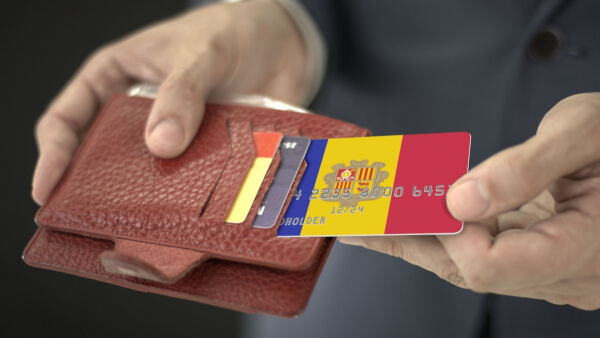
Check out our essential guide on how to open a bank account in Andorra as a British expat, including documents, fees, banks and much more.

Read our rundown of the best Nationwide USD account alternatives available in the UK, including HSBC, Lloyds, Wise, Barclays, Revolut and more.











