Is there stamp duty in Ireland? Guide for Brits
Complete guide to stamp duty in Ireland for British buyers. Check current rates, the 15% surcharge, new build VAT rules, and when the tax is due.


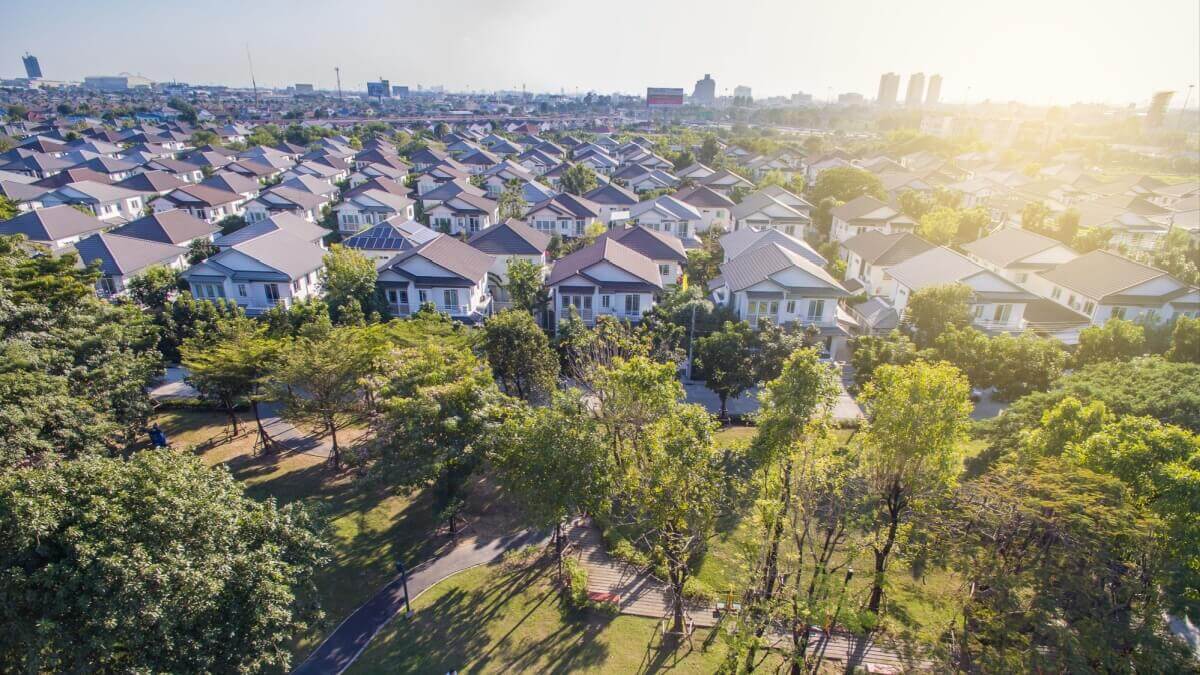
Moving to Thailand from the UK, and want a plot of land to build your own home? It might be a holiday home, so you can escape the cold British winters - or perhaps an investment property.
Whatever your plans, we’re here to help with a practical guide on how to buy land in Thailand as a foreigner. We’ll take a look at the legal situation on owning land in Thailand as a foreigner, along with info on land prices, fees and taxes. Plus, how to find a suitable plot of land and the pitfalls to avoid as a UK buyer.
We’ll also introduce a reliable and cost-effective way to send large sums internationally from the money services provider Wise. Over 14.8 million people worldwide use Wise to move £36 billion every quarter.
With low, transparent fees, great mid-market exchange rates, and secure, trackable transfers, Wise makes international money transfers simple and stress-free. Plus, you’ll get dedicated support and volume discounts when sending large amounts.
Get expert support for your large transfer 📞
| Please see the terms of use and product availability for your region or visit Wise fees and pricing for the most up to date pricing and fee information. |
|---|
Foreigners aren’t permitted to own land in their own name in Thailand. This is due to the restrictions of the Land Code Act, where only Thai nationals can legally buy and own land outright.¹
There are still some options open to you, however. These include:¹
You can also buy certain types of property in Thailand as a foreigner, such as condominiums in larger complexes, where you don’t own the land.
Here’s a quick look at the steps involved in buying land in Thailand as a UK buyer:
If you do find a route to legally buy land in Thailand as a UK citizen, you’ll also need to sort out your financing.
You may also face stumbling blocks here too, as most Thai banks and lenders will only issue mortgages on property where the borrower legally owns the freehold title.²
Some lenders may only consider applications from Thai citizens and permanent residents, so you may need to be living in Thailand before exploring financing options.
This may mean the only available option is self-financing, where you have enough funds to buy your property without a mortgage, possibly from the sale or remortgaging of another property back in the UK.
However you plan to finance the purchase, it’s best to get concrete arrangements in place before starting your search for a plot of land to buy.
Land prices in Thailand vary considerably across the country, but here’s a look at average prices in popular areas as of 2024, including average lease prices (where available):³
| City/area | Average land price per sq m (THB) | Average lease price (THB) |
|---|---|---|
| Bangkok | 82,450 | 50,850 |
| Phuket | 36,404 | 20,000 |
| Chiang Mai | 11,215 | 31,880 |
| Pattaya | 22,424 | - |
| Ko Samui | 18,684 | - |
Some of the cheapest areas to buy land in Thailand include:
Looking to buy land in Thailand and need a secure, low-cost way to pay your deposit or final balance? High street banks often add a markup to the exchange rate, which can be costly on large sums.
The Wise account, from the money services provider Wise, offers a modern alternative. You’ll get the mid-market exchange rate (close to the one you see on Google) with no hidden markups and low, transparent fees.
It's not a bank account but offers some similar features, and your money is safeguarded.
| Here’s an overview of the main benefits of using Wise: |
|---|
|
**Investments in funds are never guaranteed and your capital can be at risk. In the UK, Interest and Stocks are provided by Wise Assets — this is the trading name of Wise Assets UK Ltd, a subsidiary of Wise. Wise Assets UK Ltd is authorised as an investment firm and regulated by the Financial Conduct Authority (FCA). Our FCA number is 839689. We do not give investment advice, and you may be subject to pay tax. If you're not sure, seek qualified advice. You can find more information about the funds on our website.
Alongside the land price, you also need to factor taxes and fees into your buying budget. Here’s a look at the main costs to expect as a buyer:
| Tax/fee name | Rate/fee |
|---|---|
| Land transfer tax | 2%⁴ |
| Legal fees | Varies, around 20,000 to 30,000 THB⁴ |
| Annual property taxes | - 0.02% to 0.1% for personal residence - Up to 0.7% for rental or commercial use⁵ |
You may also have these additional costs to pay:
| 📚 Read more: Paying property tax in Thailand |
|---|
There are a few ways you can find land to buy in Thailand. The easiest way is to use the services of a real estate agent, although this is likely to come with a commission fee.
However, a specialist with knowledge of the local property market could be useful in helping you find what you’re looking for, navigate the purchase process and negotiate on price.
You can also start your search online, using popular Thai property websites such as:
You’ll also need to know what type of land you’re looking for.
In Thailand, land for sale is categorised as either residential, commercial or agricultural - meaning it is zoned for each of these specific uses.
Another useful thing to know is that land tends to be measured not in acres or square metres, but in:⁶
You’ll see these measurements on everything from title deeds to survey documents and Land Registry records.
Before buying land in Thailand, there are a few crucial things to check (or have your solicitor check):
It’s recommended to use professional services to help you, such as an architect/building surveyor and a qualified real estate solicitor.
Yes, you can build on your own land in Thailand, as long as you own it outright as the freeholder. As we’ve discussed so far, this isn’t always possible for foreign buyers - unless buying through a Thai Limited Company or a Thai spouse.
You can build on leasehold land, but you will need explicit and documented construction approval from the landholder. You’ll also need to get all the required permissions and permits under your name, and complete other legal formalities.
| 📚 Read more: How to build or renovate a house abroad (UK guide) |
|---|
When buying land overseas, one of the biggest pitfalls to watch out for is scams.
The best way to protect yourself is to work with trusted, qualified and credible professionals. This means a realtor and independent solicitor licensed in the province where you’re buying.
Other important things to remember include:
Sources used:
Sources last checked on date: 09-Mar-2026
*Please see terms of use and product availability for your region or visit Wise fees and pricing for the most up to date pricing and fee information.
This publication is provided for general information purposes and does not constitute legal, tax or other professional advice from Wise Payments Limited or its subsidiaries and its affiliates, and it is not intended as a substitute for obtaining advice from a financial advisor or any other professional.
We make no representations, warranties or guarantees, whether expressed or implied, that the content in the publication is accurate, complete or up to date.

Complete guide to stamp duty in Ireland for British buyers. Check current rates, the 15% surcharge, new build VAT rules, and when the tax is due.

Read our essential guide to buying land in Spain as a UK foreigner, covering land prices, fees and taxes, land types, and where to start your search.
Read our essential guide to buying land in Turkey as a UK foreigner, covering land prices, fees and taxes, land types, and where to start your search.

Read our guide to find out where’s the cheapest place to buy a house in the world and make the most of your property search.
Read our guide to discover the cheapest country to buy land and explore the best locations abroad.

Read our essential guide to buying land in Canada as a UK foreigner, covering land prices, fees and taxes, land types, and where to start your search.