
Is there stamp duty in Ireland? Guide for Brits
Complete guide to stamp duty in Ireland for British buyers. Check current rates, the 15% surcharge, new build VAT rules, and when the tax is due.


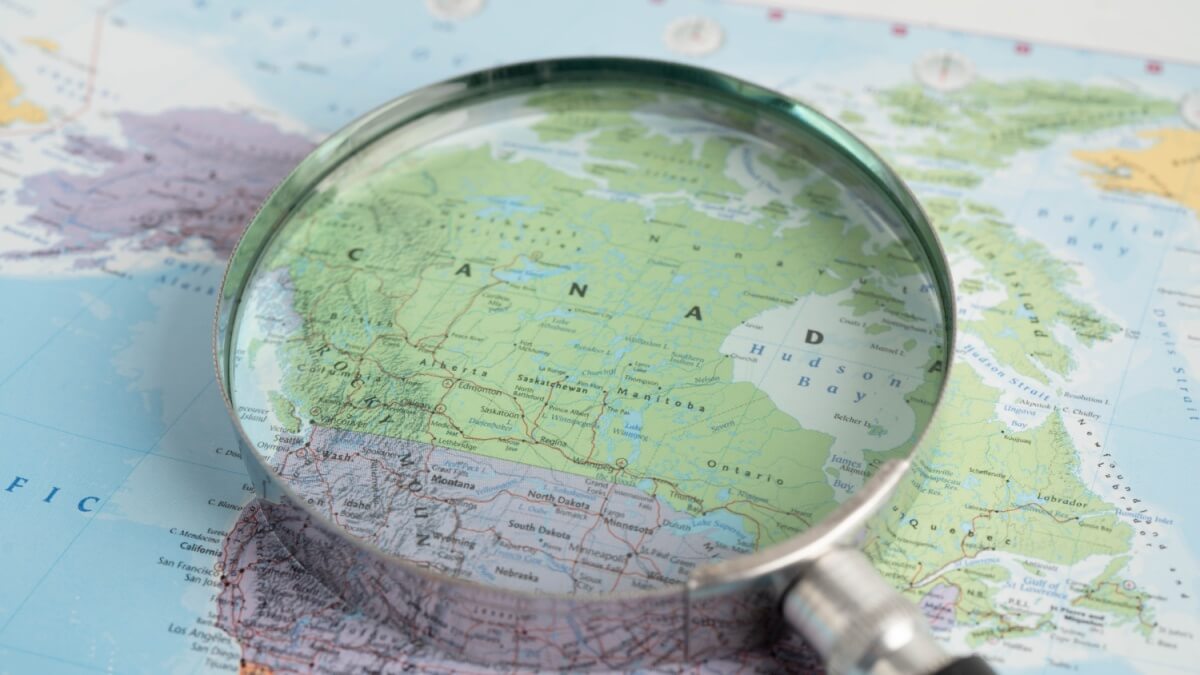
Dreaming of building your own home in Canada? You might be thinking of moving there permanently from the UK, looking ahead to retirement or researching investment opportunities.
Whether you have your heart set on homesteading in Saskatchewan, a coastal holiday home in Nova Scotia or a city-adjacent development plot near Ontario - you’ll firstly need to know how to buy land in Canada.
We’re here to help, with a practical guide for UK buyers covering everything you need to know. We’ll look at the legal situation on owning Canadian land as a foreigner, along with info on land prices, fees and taxes. Plus, how to find a suitable plot of land and the pitfalls to avoid as a UK buyer.
We’ll also introduce a reliable and cost-effective way to send large sums internationally from the money services provider Wise. Over 14.8 million people worldwide use Wise to move £36 billion every quarter.
With low, transparent fees, great mid-market exchange rates, and secure, trackable transfers, Wise makes international money transfers simple and stress-free. Plus, you’ll get dedicated support and volume discounts when sending large amounts. On a £50,000 transfer, you could save up to £1,000 with Wise vs your bank.
Get expert support for your large transfer 📞
| Please see the terms of use and product availability for your region or visit Wise fees and pricing for the most up to date pricing and fee information. |
|---|
Yes, UK nationals and other foreign citizens can legally buy and own land in most provinces of Canada. You’ll still need to check local rules in the province you’re interested in.
A new law passed in 2023 - the Prohibition on the Purchase of Residential Property by Non-Canadians Act - effectively bans most foreigners from buying property in Canada until at least 2027.
However, this law no longer applies to land, so non-Canadians are currently permitted to buy vacant land that is zoned for residential or mixed use.¹
Here’s a quick look at the steps involved in buying land in Canada as a UK buyer:
As well as checking whether you can legally buy land in Canada as a UK citizen, you’ll also need to sort out your financing. There are a few options available, such as:²
If you need a mortgage to purchase your plot of land, it’s best to get an agreement in principle in place before you start your search.
As Canada is such a vast country with many provinces and a wide variety of land types, it’s unsurprising that land prices vary depending where you look.
To give you a rough idea of how much you’ll be spending, here are the average prices per acre for land in Canada in 2024:³
| Province | Average land price per acre (CAD) |
|---|---|
| Ontario (Southern cash crop areas) | $17,000 to $27,000 |
| British Columbia (Fraser Valley and Okanagan) | $15,000 to $25,000 |
| Alberta | $3,800 to $6,500 |
| Manitoba | $2,000 to $4,000 |
| Saskatchewan | $1,800 to $3,200 |
| Nova Scotia & New Brunswick | $2,500 to $5,000 |
It’s worth noting that the above prices are for farmland, so the prices for buying urban plots of land that are zoned for residential development are likely to be quite different.
The cheapest province in Canada for land is Saskatchewan, but you can also find affordable plots in rural parts of Manitoba and Nova Scotia.
Looking to buy land in Canada and need a secure, low-cost way to pay your deposit or final balance? High street banks often add a markup to the exchange rate, which can be costly on large sums.
The Wise account, from the money services provider Wise, offers a modern alternative. You’ll get the mid-market exchange rate (close to the one you see on Google) with no hidden markups and low, transparent fees. On a £50,000 transfer, you could save up to £1,000 with Wise vs your bank.
It's not a bank account but offers some similar features, and your money is safeguarded.
| Here’s an overview of the main benefits of using Wise: |
|---|
|
**Investments in funds are never guaranteed and your capital can be at risk. In the UK, Interest and Stocks are provided by Wise Assets — this is the trading name of Wise Assets UK Ltd, a subsidiary of Wise. Wise Assets UK Ltd is authorised as an investment firm and regulated by the Financial Conduct Authority (FCA). Our FCA number is 839689. We do not give investment advice, and you may be subject to pay tax. If you're not sure, seek qualified advice. You can find more information about the funds on our website.
Alongside the land price, you also need to factor taxes and fees into your buying budget. Here’s a look at the main costs to expect as a buyer:
| Tax/fee name | Rate/fee |
|---|---|
| Land transfer tax | 0.5% to 2.5%, varies by province⁴ |
| Legal fees | $1,500 to $3,000 CAD⁴ |
| Annual property taxes | 0.5% to 2.5%⁵ |
There is also a non-resident speculation tax (NRST) in some provinces, which can potentially apply to land as well as property. This can be expensive, especially in cities like Toronto which has a 10% tax on top of Ontario’s NRST of 25%.⁶
You may also have these additional costs to pay:
There are a few ways you can find land to buy in Canada. The easiest way is to use the services of a real estate agent, although this is likely to come with a commission fee.
However, a specialist with knowledge of the local property market could be useful in helping you find what you’re looking for, navigate the purchase process and negotiate on price.
You can also start your search online, using popular Canadian property websites such as:
You’ll also need to know what type of land you’re looking for.
In Canada, land for sale is categorised as follows:
Before buying land in Canada, there are a few crucial things to check (or have your solicitor check):
It’s recommended to use professional services to help you, such as an architect/building surveyor and a qualified real estate solicitor.
Yes, you can build on your own land in Canada - as long as your project complies with all local restrictions and zoning laws. You will also need to get planning permission and other building permits as required.
| 📚 Read more: How to build or renovate a house abroad (UK guide) |
|---|
When buying land overseas, one of the biggest pitfalls to watch out for is scams.
The best way to protect yourself is to work with trusted, qualified and credible professionals. This means a realtor and independent solicitor licensed in the province where you’re buying.
Other important things to remember include:
Sources used:
Sources last checked on date: 09-Mar-2026
*Please see terms of use and product availability for your region or visit Wise fees and pricing for the most up to date pricing and fee information.
This publication is provided for general information purposes and does not constitute legal, tax or other professional advice from Wise Payments Limited or its subsidiaries and its affiliates, and it is not intended as a substitute for obtaining advice from a financial advisor or any other professional.
We make no representations, warranties or guarantees, whether expressed or implied, that the content in the publication is accurate, complete or up to date.

Complete guide to stamp duty in Ireland for British buyers. Check current rates, the 15% surcharge, new build VAT rules, and when the tax is due.
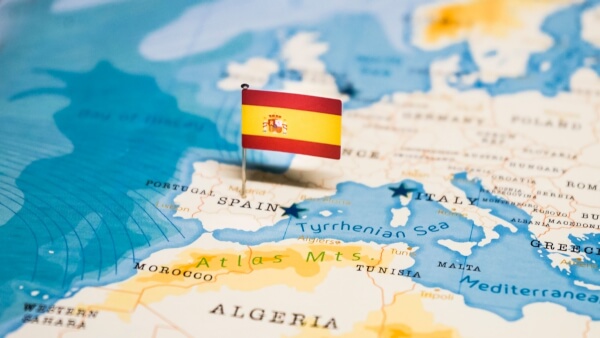
Read our essential guide to buying land in Spain as a UK foreigner, covering land prices, fees and taxes, land types, and where to start your search.
Read our essential guide to buying land in Thailand as a UK foreigner, covering land prices, fees and taxes, land types, and where to start your search.
Read our essential guide to buying land in Turkey as a UK foreigner, covering land prices, fees and taxes, land types, and where to start your search.

Read our guide to find out where’s the cheapest place to buy a house in the world and make the most of your property search.
Read our guide to discover the cheapest country to buy land and explore the best locations abroad.











