
Cost of sales: Formula, calculation, and tips for SMEs
Learn how to calculate cost of sales for Australian SMEs. Discover the standard formula, key direct inclusions, FX landed costs, and common mistakes to avoid.


Looking to bulk-buy products at super-low prices? Look into Alibaba. The platform is one of the world’s largest business-to-business (B2B) wholesale marketplaces – a haven for Aussie entrepreneurs seeking affordable foreign-made products.
In this post, we’re covering all things Alibaba, including safety considerations, tips for Aussie businesses, and how to slash foreign exchange fees.
| Table of contents |
|---|
Founded in China in 1999, Alibaba has grown from a small, China-only marketplace to a global B2B behemoth. Around 1.31 billion active annual consumers1 trade on the Alibaba ecosystem, making it a global e-commerce leader.
With a 2025 worldwide revenue of A$215.202 billion and 200 million products3 from 200,000 suppliers3, Alibaba has become a one-stop shop for Aussies sourcing low-cost products from abroad.
The vast majority of Alibaba suppliers are based in China. Others come from elsewhere in Asia – Pakistan, Turkey, Vietnam, India – where manufacturing costs remain low.
Few Australian businesses sell products on the platform. Aussie sellers are typically limited to niche industries or handmade boutiques.
Alibaba helps manufacturers and wholesalers sell products in bulk to businesses around the world, including Australia. The brand doesn’t hold any warehouses or stock – it’s a tech company acting as a middleman.
Minimum order requirements (MOQs) and lengthy shipping times discourage everyday consumers from purchasing single products on the platform.
The buyer process looks something like this:
Many suppliers will send a sample so you can assess quality before committing to a big order.
Given Australia’s high manufacturing costs, locally-made products often aren’t financially viable. Aussie businesses primarily use Alibaba to bulk-buy cheap Chinese products and resell them in Australia with a tidy markup.
Both online stores and major brick-and-mortar retailers source goods from Alibaba, often negotiating discounts for large or repeat orders. Low overheads, economies of scale, and modest manufacturing costs allow Alibaba suppliers to offer competitive rates.
Most suppliers tend to provide customisations. A fashion retailer, for example, could have their brand imprinted onto a pair of sandals for a tiny cost per item when ordering in bulk. Larger orders also open more doors for complex customisations, with suppliers potentially adjusting sizes, colours, or materials to align with Australian tastes.
But you don’t have to be a bigwig to jump on the Alibaba bandwagon. Many sellers happily trade with smaller players, including dropshippers and budding e-commerce entrepreneurs.
While Alibaba has cornered the B2B wholesale market, its sister platform, AliExpress, exclusively does business-to-consumer (B2C) sales. Much like Amazon or eBay, everyday consumers can get single-unit orders delivered directly to their door.
Alibaba and AliExpress form part of the Alibaba Group, a ginormous Chinese tech and finance conglomerate covering everything from cloud computing to QR payments. Leading Alibaba Group entities include:
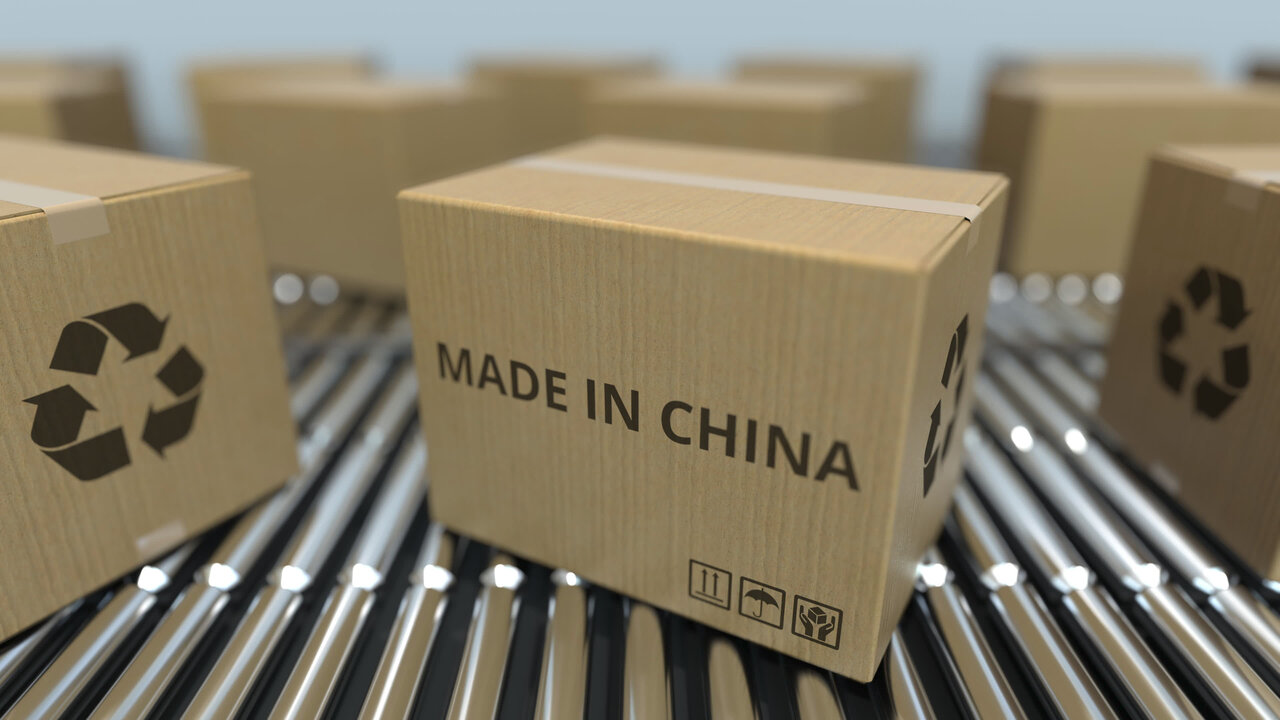
Alibaba has been trading since the late 90s and is a well-established company listed on the New York Stock Exchange. The platform has a solid reputation as a legitimate marketplace specialising in low-cost Chinese products for B2B sales.
But Alibaba’s hard-earned rep doesn’t extend to all its independent suppliers. Horror stories abound of terrible products and snail-paced shipping, making it crucial to vet every supplier before signing a deal.
Here’s how to do your due diligence when dealing with Alibaba suppliers.
Alibaba has a Verification Program,4 where sellers can obtain a “Verified Supplier” badge after undergoing an extensive third-party audit. Independent consultants evaluate production capability, quality control, inventory management, product certifications, and after-sales support. Audits may include on-site inspections, licensing checks, and documentation reviews.
Look for the “Verified Supplier” icon on the seller’s Alibaba page, or filter the search results to show only verified vendors.
Unverified suppliers aren’t necessarily dodgy. But they do entail more risk.
Alibaba also offers a free Trade Assurance service that holds payment in escrow until the product is delivered.
If the order doesn’t meet quality or shipping minimum standards, buyers can raise a dispute with the supplier, who has 2 days to respond. Should the dispute remain unsolved, Alibaba will mediate and provide a refund if it rules in the buyer’s favour.
Not all sellers sign up for Trade Assurance. Again, look for the “Trade Assurance” icon on the seller’s profile, or filter your search to exclusively include the program.
All sellers have a Company Profile – a client-facing webpage within the Alibaba ecosystem. Gloss over the marketing jargon and skip straight to the customer feedback. Recent reviews provide insight into real customer experiences. Look for complaints regarding product quality, shipping timeframes, and customer support.
If applicable, review the fine print, including patents, trademarks, testing reports, and certifications.
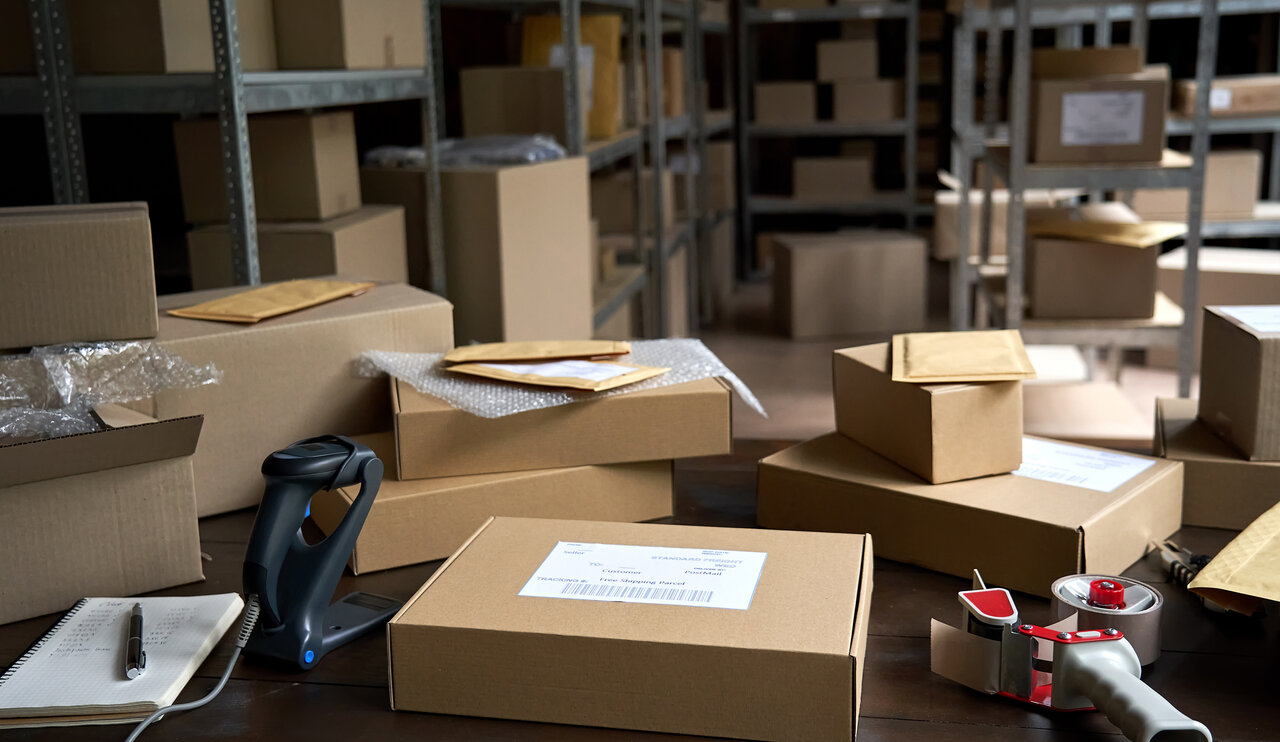
Virtually every conceivable product is for sale somewhere on Alibaba, including the kitchen sink.
Use filters to sift through its 200+ million products. The main Alibaba categories include:
Consider the following before cutting a deal on Alibaba.
Three shipping methods are available for getting Alibaba products to Australia.
Actual delivery timeframes can differ considerably. Shipping costs depend on weight, dimensions, method, supplier, and destination.5 Confirm these details with the seller, as well as any additional costs, such as taxes or duties.
Most good suppliers provide tracking numbers.
Alibaba offers a range of payment methods, each with distinct fees, processing timeframes, and conditions.
| Method | Processing time | Fees |
|---|---|---|
| Visa/Mastercard | 24-48 hours6 | 2.95% to 3.5%; FOREX fees apply6 |
| Bank Wire Transfer (TT) | 3-7 business days6 | Charges vary; FOREX fees apply |
| PayPal | 1-2 hours6 | 2.99%,7 plus FOREX fee |
| Digital wallets, including Google Pay, Apple Pay, AliPay | Instant or within minutes/hour | Low but variable charges; FOREX fees apply |
The Trade Assurance program accepts all payment methods8 and enhances security by holding funds in escrow.
Credit cards are convenient, and PayPal offers solid buyer protections. However, both have fees and may add extra FOREX charges.
Bank transfers can work out cheaper for big orders, but have fewer buyer protections, making them less attractive for first-time orders. Significant FOREX charges may also apply.
Regardless of the payment method, you’re going to get stung with nasty FOREX fees when converting Aussie dollars into Chinese Yuan, or another foreign currency. But there is a simple, cost-effective workaround.
With Wise Business, you can pay Alibaba suppliers by card or bank transfer using the mid-market exchange rate. That means no hefty hidden FOREX fees and better profit margins on your newly acquired merchandise.
Wise Business helps streamline overseas business payments without foreign transaction fees, saving up to 3x compared to other providers.
Tired of hidden fees and complex processes when making overseas payments?
Start sending with a Wise Business account! 🚀
This general advice does not take into account your objectives, financial circumstances or needs and you should consider if it is appropriate for you.
1. Is Alibaba and AliExpress the same?
No. Alibaba focuses on bulk B2B sales for companies, while AliExpress is a B2C marketplace for individual consumers.
2. Does Alibaba hold any inventory, or do products ship directly from the factory?
Alibaba doesn’t hold any inventory. Its independent sellers ship products directly to customers.
3. Is Alibaba a direct supplier or a marketplace for third-party sellers?
Alibaba is a marketplace for third-party sellers.
4. Why do shipping costs on Alibaba sometimes exceed the cost of the products themselves?
High shipping costs on Alibaba may be due to long distances, freight type (air vs. sea), product dimensions and volume, fuel surcharges, buyer location, low product value-to-weight ratios, or import taxes.
Sources:
*Please see terms of use and product availability for your region or visit Wise fees and pricing for the most up to date pricing and fee information.
This publication is provided for general information purposes and does not constitute legal, tax or other professional advice from Wise Payments Limited or its subsidiaries and its affiliates, and it is not intended as a substitute for obtaining advice from a financial advisor or any other professional.
We make no representations, warranties or guarantees, whether expressed or implied, that the content in the publication is accurate, complete or up to date.

Learn how to calculate cost of sales for Australian SMEs. Discover the standard formula, key direct inclusions, FX landed costs, and common mistakes to avoid.

Learn how to calculate your break-even point. Discover the standard formula, step-by-step methods, and managing global costs.
Learn about expense reimbursement in Australia. ATO rules, FBT compliance, setting up a clear policy, and streamlining business payouts.

Understand the meaning of liquid assets, how they differ from illiquid holdings. Optimizing business cash flow and global liquidity buffer. Read here

Learn how to build a global go-to-market framework. Discover step-by-step strategies, key operational components, and common financial pitfalls to avoid.

Learn the types of business liquidation, the step-by-step winding up process, asset realization, and proactive financial strategies for directors.











