
Guide on selling a business in Australia: Tips, steps & more
Considering selling a business in Australia? From valuations to negotiating with buyers and fulfilling tax obligations, we’re covering the need-to-know info.



Nowadays, there’s many ways that you can commission help for the tasks required by your business. It’s important to understand which category each worker falls in as it can have a big impact on your business structure, taxes, and legal responsibilities.
In this article we will cover the difference between an independent contractor vs an employee in Australia and a way to pay your employees anywhere in the world with the Wise business account.

| Table of contents |
|---|
A contractor is a self-employed person who is commissioned to do specific tasks for your company. They can be part of an entity or just invoice as an individual but the most important part is that they work independently, not as a part of your organisation. They have the right to work from anywhere and decide how they work.
The main difference between an employee and an independent contractor is that an employee serves your business and represents your business. An independent contractor works for themselves and for their own business, they only lend their work for agreed periods of time or projects. They often have to sort out their own taxes, insurance, and invoices for example.
It’s important to understand what type of employees you have working for you to understand what are your legal rights and obligations as an employer. These are usually determined in the contract of each worker, which can be a number of combinations between written, verbal, and implicit agreements. You might want to consider employing contractors for seasonal work or for high expertise that you know you won’t be needing long term or past a specific project.
As both options have both pros and cons, it will really depend on the needs and resources of your business. Some of the main considerations for you to take into account are listed below.
| 💸 When paying international contractors, as platforms like the Wise Business account can help you save significantly on international transfer fees compared to traditional banks. Get started with your Wise Business account to make transfers at the mid-market exchange rate with no hidden fees |
|---|
Sign up for the Wise Business account! 🚀
To make it easy, we’ve compiled some of the main considerations that Australian businesses need to keep in mind when considering the difference between independent contractors and employees.
| Employees | Independent Contractors | |
|---|---|---|
| Payroll |
|
|
| Tax obligations |
|
|
| Superannuation |
|
|
| Paid leaves |
|
|
| Management |
|
|
To decide which type of employees your business needs comes with significant tax and legal implications, so it’s important to map out the specific needs that need to be covered and understand what those implications mean. Both options come with many advantages and disadvantages so it will also depend on the financial capability of your business and what brings least strain on your operations.
In the case of any concerns for meeting different legal obligations, it’s always best to seek professional help to navigate the Australian system and make sure everything stays compliant.
For businesses that frequently engage with contractors, especially those overseas, a tool like the Wise Business account can be invaluable. It allows for transparent, low-cost international payments allowing you to pay contractors in over 150+ countries with the real exchange rate.
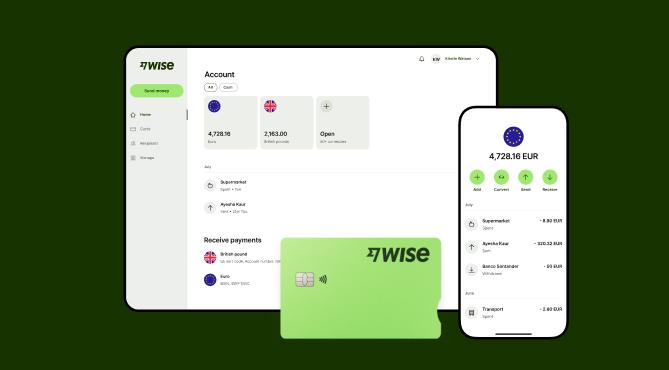
In addition, the Wise Business account offers features like batch payments to streamline payouts to multiple contractors at once. This can significantly reduce administrative burden and save on currency conversion fees.
Here's what you get with a Wise Business account:
Sign up for the Wise Business account! 🚀
*Please see terms of use and product availability for your region or visit Wise fees and pricing for the most up to date pricing and fee information.
This publication is provided for general information purposes and does not constitute legal, tax or other professional advice from Wise Payments Limited or its subsidiaries and its affiliates, and it is not intended as a substitute for obtaining advice from a financial advisor or any other professional.
We make no representations, warranties or guarantees, whether expressed or implied, that the content in the publication is accurate, complete or up to date.

Considering selling a business in Australia? From valuations to negotiating with buyers and fulfilling tax obligations, we’re covering the need-to-know info.

Searching for the best small business payment gateway in Australia? We’re comparing the top options in this explainer guide.

Compare Pty Ltd vs sole trader in Australia. Learn the key differences, tax implications, and costs, and how to choose the right structure for your business.

Learn how to secure a small business loan in Australia. Explore loan types, eligibility requirements, and a guide to preparing your application and docs.

Learn about retained earnings, the formula, balance sheet impact, and how to use accumulated profits for sustainable growth. Read here.

Learn how to calculate GST in Australia. Understand inclusive vs exclusive pricing, claim GST credits, and avoid common pitfalls to ensure business compliance.











