
Best Wholesale eCommerce Platforms for B2B Businesses
Find the best wholesale ecommerce platform for your business. Compare top-rated B2B solutions to streamline bulk orders, pricing, and inventory management.


Global expansion requires funding. The global trade finance market was valued at $9.7 trillion in 2024, and it’s growing fast. According to industry sources, the CAGR for trade finance is projected at 3.1% between 2025 and 2034.¹ This article explains how your company can benefit from trade finance solutions.
Some key takeaways:

The term “trade finance” is a descriptor for the financial instruments and products that facilitate international commerce. It’s the key to connecting buyers and sellers across the globe, bridging the gap between payment and delivery in cross-border transactions. That’s particularly important when you’re dealing with multiple languages and currencies.
The Asian Development Bank recently released a survey that revealed a $2.5 trillion shortfall in the global supply of trade finance.² That’s bad news for expanding businesses because the World Trade Organization estimates that 80% to 90% of global trade relies on outside funding. Fortunately, digital lenders and fintech platforms have picked up some of the slack.
Understanding how trade finance works is essential for acquiring the funds your company needs to compete internationally. Some of the key elements of a trade finance contract are payment guarantees, credit terms, insurance, and document handling. The right combination of these components should create a safety net that protects buyers and sellers.
Global trade finance deals are more complex than domestic arrangements because they involve multiple parties. A US business can acquire funds from a domestic bank and handle local trade arrangements directly. International trade requires an exporter (seller), an importer (buyer), banks in both countries, insurance companies, and government agencies.
Letters of credit are popular in international trade finance because they provide a written guarantee of payment to the exporter. The letter typically comes from the importer’s bank, and it’s based on the creditworthiness of the company you’re doing business with. Your bank guarantees delivery, so letters of credit protect both parties in the deal.
Bank guarantees are not the same as letters of credit. LCs focus on document compliance. Guarantees ensure the terms of the contract will be honored. They’re most common in construction projects, equipment sales, and service contracts. These are all areas where performance risk is high, so bank guarantees are generally required.
The Export-Import Bank of the United States is the export credit agency you’ll want to contact if you’re looking for all-in-one trade finance services.³ They can provide loans, guarantees, and insurance products that traditional banks and private lenders might not be willing to offer. There’s substantial paperwork involved, so contact them as early as possible.
Suppliers receive early payment, and buyers can get more extended payment terms when you use supply chain financing. This is categorized as “structured trade finance” because the contracts contain extensive terms and guarantees. Unfortunately, supply chain financing is also difficult to get because supply chains are easily disrupted by politics and world events.
The four primary risks in international commerce are the buyer's inability to pay (commercial risk), government actions affecting trade (political risk), currency fluctuations (foreign exchange risk), and goods lost or damaged in transit (transportation risk). Financial institutions assess these risks and structure trade finance products accordingly.
Obviously, the levels of risk in each category can be compounded when dealing with certain nations. One example of this is the recent tariffs imposed by US President Donald Trump. Doing business in countries with lower tariffs increases the buyer's ability to pay. Operating in countries with high tariff rates and unstable currencies involves a much higher level of risk.
The trade finance process flow typically begins when an exporter and importer agree on transaction terms. The importer's bank issues a letter of credit or other financing instrument, which the exporter's bank confirms or denies. Once goods are shipped and documents presented, payment is processed according to the agreed terms.
This is where currency conversion rates come into the picture. Banks may charge a markup over mid-market rates. Wise Business offers currency conversion at mid-market rates. That can make a significant difference in larger deals where thousands or tens of thousands of dollars are changing hands.
Find out more about Wise Business
This is the question you’ve probably been asking yourself since you started reading this article. Trade finance banks are the main providers of trade finance. The global players are banks like JPMorgan Chase, Citi, and HSBC, but they’re not the only options. That’s good news if your business is new or hasn’t yet built a sufficient credit history.
Has your company been denied by “Big Banks?” Alternative lenders and fintech platforms have been providing trade finance to countless small businesses in recent years. Some specialized lenders deal with specific industries. Finding one of these trade finance solution providers can be extremely valuable for your global expansion.
Exporters should ensure their cash flow is solid before attempting international trade. Efficient cash flow management minimizes payment risk and provides a cushion when you enter new markets. Banks won’t offer trade finance or letters of credit if your company’s financials aren’t in order. This is common sense for anyone running a successful business.
Trade finance itself can help you improve your cash flow management, but don’t rely on that if you’re struggling to keep things profitable at home. There are several financing options once you’re established on a global scale. One of them is commodity trade finance, which is beneficial for exporters dealing with price-volatile products.
The primary risk to importers is getting quality and timely deliveries. Certain trade finance solutions provide protection in this area. For instance, using a letter of credit that makes payment conditional upon delivery can provide some security. Most exporters will accept a letter of credit if it comes from a reputable financial institution.
Trade finance facilities can help you set up early payment discounts or seasonal purchasing opportunities without disrupting cash flow. You also might want to consider alternative sourcing in case things go wrong with your primary supplier. Global weather events and political upheavals can disrupt supply chains, so it’s good to have options.
Banks profit from trade finance through fees, spreads, and cross-selling opportunities. Trade finance processing generates consistent revenue streams while building long-term customer relationships. Trade finance transactions are typically self-liquidating and secured by underlying goods, making them relatively low-risk assets, which makes them a worthwhile endeavor.
Traditional banks and credit unions may already have systems and processes in place to handle international transactions. Many are also open to creating new processes if they have the right business client in front of them. That’s become more common in recent years with the increase in competition from digital banks and fintech platforms.
Like every other financial activity, trade finance in banking has been subjected to increased scrutiny in recent years. The US Government has instituted stricter anti-money laundering laws and know-your-customer (KYC) requirements. These changes have increased the cost of compliance for banking institutions, which raises your costs as an importer or exporter.
Traditional trade finance processing involves a lot of paperwork. Many banks are still using non-digital recordkeeping and manual signatures. Digital trade finance solutions are more efficient and simpler for doing business overseas. Virtually everything regarding your trade finance and international trading contracts can be done electronically.
No one importing into the United States needs to be reminded about geopolitical risk. The Trump administration has turned international trading on its head this year. The political tensions and trade disruptions resulting from that have created some uncertainty in global trade finance. This is particularly true in emerging markets finance and trade.
Blockchain technology is no longer considered a “new” development. It’s been a key player in the financial space since 2008, the year Bitcoin was introduced.⁴ In 2025, we have already seen several US Bank blockchain trade finance initiatives. Two recent introductions to trade finance are blockchain-based immutable transaction records and smart contracts.
Environmental, social, and governance (ESG) factors are increasingly important in trade finance decisions. Green trade finance products support environmentally sustainable projects, while social impact financing addresses development needs in emerging markets. Collaborative trade finance is emerging to address sustainability challenges across global supply chains.
Managing international payments doesn't have to be complicated. Trade finance helps businesses manage financial risks, but you also need efficient, cost-effective ways to handle day-to-day international transactions.
Wise is not a bank, but a Money Services Business (MSB) provider and a smart alternative to banks. The Wise Business account is designed with international business in mind, and makes it easy to send, hold, and manage business funds in multiple currencies. You can get major currency account details for a one-off fee to receive overseas payments like a local. You can also send money to 140+ countries.
Open a Wise Business account online
| Some key benefits of Wise Business include: |
|---|
|
Open a Wise Business account online and start saving on international transactions.
---Sources:
*Please see terms of use and product availability for your region or visit Wise fees and pricing for the most up to date pricing and fee information.
This publication is provided for general information purposes and does not constitute legal, tax or other professional advice from Wise Payments Limited or its subsidiaries and its affiliates, and it is not intended as a substitute for obtaining advice from a financial advisor or any other professional.
We make no representations, warranties or guarantees, whether expressed or implied, that the content in the publication is accurate, complete or up to date.

Find the best wholesale ecommerce platform for your business. Compare top-rated B2B solutions to streamline bulk orders, pricing, and inventory management.

Choosing between an LLC and a sole proprietorship in Florida? Learn the key differences in asset protection, taxes, and FL registration.

Discover effective ways on how to reduce shipping costs for small business. Compare carriers, negotiate rates, and optimize packaging to save money today.

Choosing between an LLC and a sole proprietorship in Texas? Compare asset protection, TX franchise tax impacts, and how to launch your business.
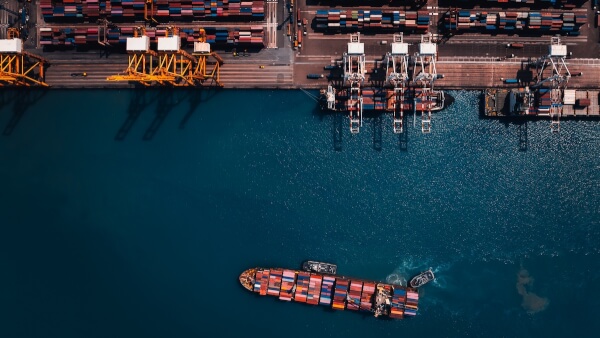
Find the best shipping for small business. Compare top carriers, rates, and delivery options to save money and streamline your shipping logistics today.
Discover the best ecommerce platform for your business. Compare top-rated features, pricing, and scalability.











