
How to Expand Your Business Internationally: A US Guide
Discover actionable steps for US businesses to expand internationally; research markets, plan effectively, and manage finances to achieve global growth.


For many U.S. business owners, the Philippines has become an increasingly attractive destination for both dropshipping and wholesale partnerships. With a shared language, growing digital infrastructure and competitive manufacturing base, this Southeast Asian country is worth serious consideration.
In this guide, we’ll walk through exactly how to find suppliers in the Philippines, what to watch out for and how to build strong, long-term supplier relationships, even from halfway around the world. We'll also discuss the Wise Business account. The global account that can help your company with all things cross-border.
Do you send and receive global payments?
Wise Trustpilot Score: 4.3 stars on 230,000+ reviews
No minimum balance requirement and no monthly fees
Integrates with QuickBooks, Xero, Sage, and more
Before we dive into the steps, let’s quickly highlight why American entrepreneurs are sourcing from the Philippines in the first place. One major advantage is the country’s English fluency, which makes communication much easier compared to other manufacturing hubs. There’s also strong cultural alignment, with U.S. business practices being well understood and commonly followed.
The Philippines offers skilled labor and is known for niche manufacturing, with many wholesalers producing everything from handmade goods to electronics at competitive prices. On top of that, its location near major global shipping routes and growing e-commerce infrastructure make logistics more manageable.
The first step is to get clear about what type of supplier you’re after:
Your business model (e.g., Shopify, Amazon FBA, Etsy or a standalone store) will influence your decision.
Once you’ve defined your needs, explore platforms and directories specifically featuring suppliers in the Philippines. Here are some useful options:
A careful vetting process is important for ensuring you’re working with a reliable, legally registered and responsive partner who can meet your quality and delivery expectations. Be sure to check:
For dropshipping, ask if they support U.S. shipping, offer branded packaging and integrate with e-commerce platforms like Shopify.
Start by negotiating minimum order quantities that align with your initial launch plans or trial runs. Then, agree on payment terms. Most Filipino suppliers accept PayPal, Wise or direct bank transfers. It’s best to avoid paying the full amount upfront for large orders until you’ve built some trust.
Next, have a clear discussion about quality control measures. You’ll want to establish how returns, refunds or defective products will be handled in advance to avoid confusion later. Once everything is agreed upon, put it all in writing. Your contract should include pricing, delivery timelines, dispute resolution and any exclusivity arrangements. Even if you’re working with a small or informal supplier, a written agreement helps protect both sides and sets the tone for a professional relationship.
The best suppliers will be your long-term partners. Stay in regular contact, give clear feedback and be upfront about changes in order volume. Paying on time also builds trust and helps you get priority when it matters. A strong relationship can lead to better prices, faster service and more flexibility as your business grows.
Success comes down to setting clear expectations, communicating consistently and thoroughly vetting each supplier. When you take the time to do it right, you don’t just cut costs; you build strong, reliable partnerships that help your business grow steadily over time. With the Philippines offering a mix of affordability, accessibility and product variety, it’s a smart sourcing destination for U.S. entrepreneurs ready to scale.
Success comes down to setting clear expectations, communicating well and vetting suppliers carefully. When done right, you’ll build strong partnerships that support long-term growth along with lower prices.
Yes. Many U.S. entrepreneurs travel to Manila, Cebu or Davao to meet suppliers. Face-to-face meetings can fast-track trust and negotiations, though it’s not required for smaller e-commerce operations.
As with any overseas supplier, risks include delays, quality inconsistencies or miscommunication. Vet thoroughly, ask for samples and clarify expectations up front.
Some do, especially manufacturers and larger wholesalers. You’ll need to ask directly, and they may require higher MOQs for custom branding.
It depends. Labor costs are competitive, but selection and infrastructure may be more limited than in China. Cultural compatibility and easier communication often offset these limitations.
Yes. Many U.S.-based sellers import goods via air or sea freight, store them in domestic warehouses, and fulfill orders via platforms such as Amazon FBA, ShipBob or Deliverr.
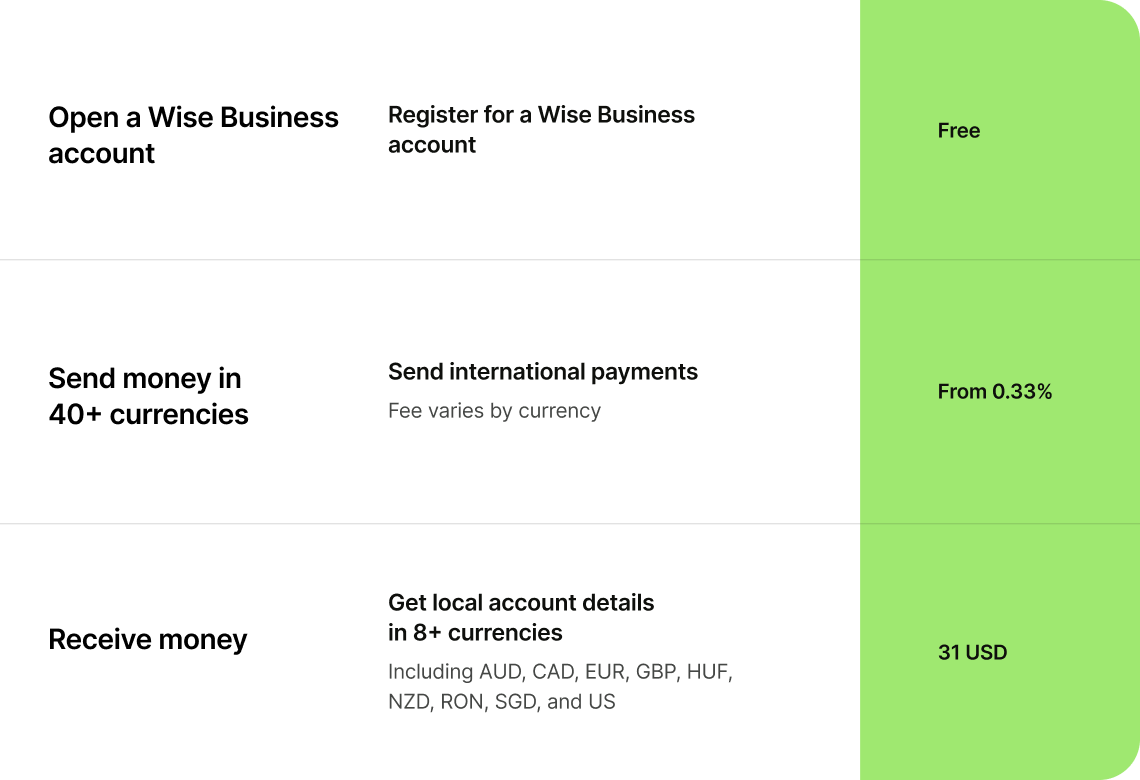
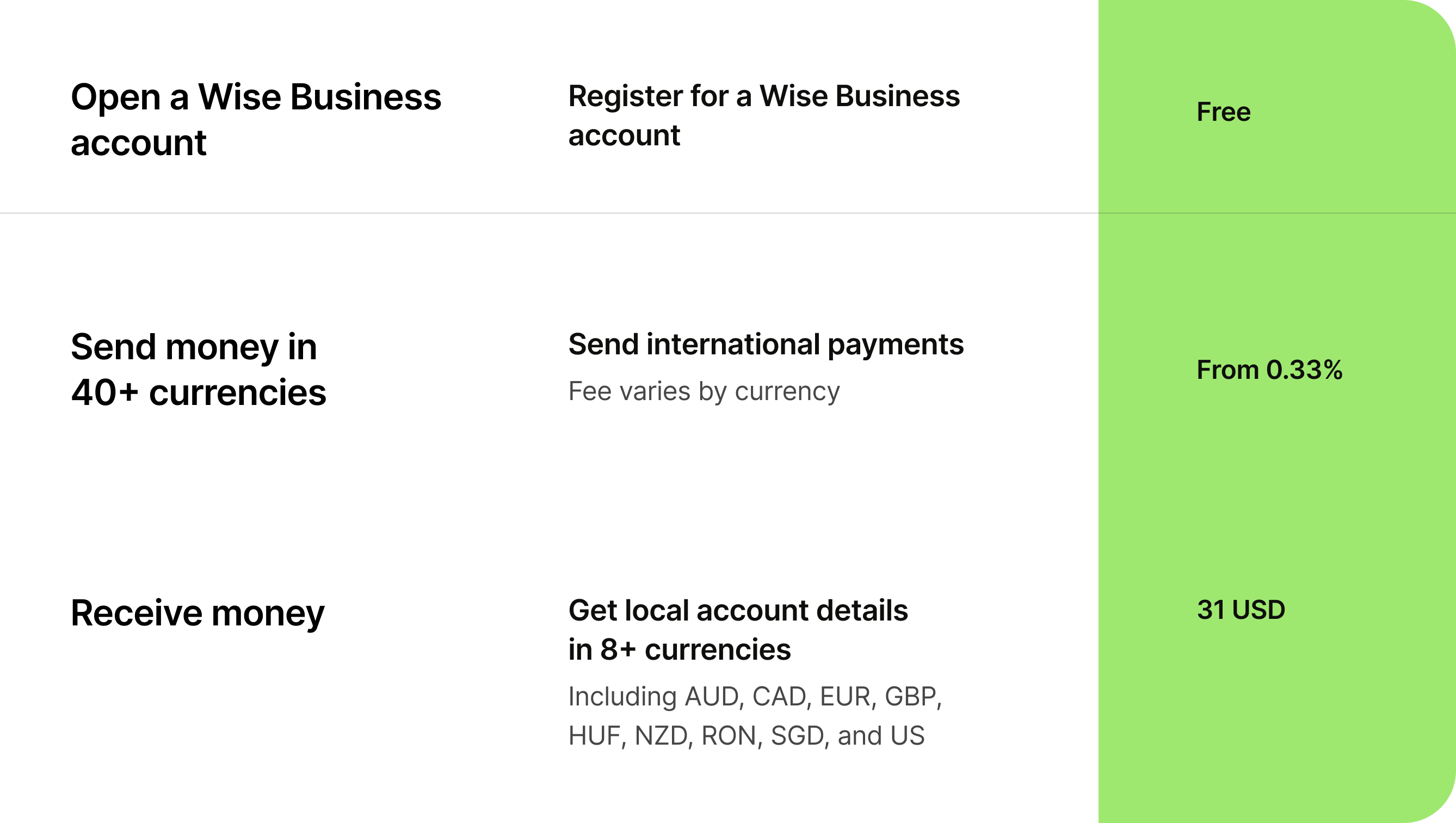
Wise is not a bank, but a Money Services Business (MSB) provider and a smart alternative to banks. Wise makes it easy to send, hold, and manage business funds in 40+ currencies. You can get major currency account details for a one-off fee to receive overseas payments like a local. Simply add the local account details when billing international customers to receive international payments with no fees.
Account opening is 100% online, with no need to visit a branch or book appointments.
Once you’re set up, you can connect to software such as Wave, FreshBooks, and more. You can also withdraw funds from Stripe without currency conversion fees.
Open a Wise Business account online
| Some key benefits of Wise Business include: |
|---|
|
*Please see terms of use and product availability for your region or visit Wise fees and pricing for the most up to date pricing and fee information.
This publication is provided for general information purposes and does not constitute legal, tax or other professional advice from Wise Payments Limited or its subsidiaries and its affiliates, and it is not intended as a substitute for obtaining advice from a financial advisor or any other professional.
We make no representations, warranties or guarantees, whether expressed or implied, that the content in the publication is accurate, complete or up to date.

Discover actionable steps for US businesses to expand internationally; research markets, plan effectively, and manage finances to achieve global growth.

Looking for a Philippines Business Visa? Our guide for US citizens covers requirements, fees, and processing steps for a smooth trip.

Learn how to register a US business in Australia. Navigate legal requirements, foreign company registration with ASIC, and the Australian tax system.

Understand Australia's corporate tax rates for 2025-26: a base rate of 25% for small businesses and a standard 30% for all other entities.

Learn how to register a business in India from the US. Our guide details steps, documents, and key financial considerations for aspiring entrepreneurs.

Learn how to get your India business visa. A step-by-step guide for US professionals on requirements, applications, and costs.











