
How to Expand Your Business Internationally: A US Guide
Discover actionable steps for US businesses to expand internationally; research markets, plan effectively, and manage finances to achieve global growth.



India’s manufacturing ecosystem is vast, diverse and cost-competitive, which makes it an increasingly attractive sourcing hub for U.S. entrepreneurs, expats and established businesses. For American buyers, the challenge is rarely finding a supplier but rather finding the right one, someone who can deliver consistent quality, meet deadlines and comply with U.S. regulations.
In this guide, you will learn how to identify reliable Indian suppliers, verify their legitimacy, negotiate favorable terms and understand the local trade environment. It also explores sourcing channels unique to India that can give U.S. buyers a competitive edge. We'll also discuss the Wise Business account. The global account that can help your company with all things cross-border.
Do you send and receive global payments?
Wise Trustpilot Score: 4.3 stars on 230,000+ reviews
No minimum balance requirement and no monthly fees
Integrates with QuickBooks, Xero, Sage, and more
India’s appeal in the global supply chain comes from a mix of cost benefits, industry expertise and government support. Labor and production costs are often significantly lower than in the United States, which can translate into higher margins for U.S. importers. Certain industries, such as textiles, leather goods, jewelry and IT-enabled manufacturing, benefit from decades of accumulated skill and innovation.
The government actively supports exporters through the Export Promotion Councils (EPC), which maintain databases of verified suppliers and often help facilitate introductions at trade fairs.1 Buyers also benefit from India’s diversity in manufacturing capabilities, which range from small, family-run workshops producing unique, handcrafted items to large factories capable of fulfilling bulk international orders.
Before reaching out to potential suppliers, take time to define exactly what you need. This goes beyond just naming the product. Write out detailed specifications such as size, material, color and packaging requirements. Decide on your minimum order quantity and clarify your quality standards.
U.S. businesses must also confirm whether the product will need to meet specific compliance requirements. For example, food items may need to be cleared by the U.S. Food and Drug Administration (FDA), while certain consumer goods may need to follow Federal Trade Commission (FTC) labeling rules.
There are several platforms that connect international buyers to Indian suppliers, but not all are created equal. IndiaMART and TradeIndia are two of the largest domestic B2B marketplaces, with thousands of verified listings across a wide range of categories.2,3
If you want to act fast and identify reliable suppliers on the spot, consider visiting India for a trade fair. The India International Trade Fair (IITF) covers multiple industries and attracts both domestic and international buyers.4 Sector-specific events such as IndiaWood, Leatherworld India and the IHGF Delhi Fair allow you to focus on your niche and connect with suppliers who specialize in your product type.
Not all suppliers you encounter will be manufacturers. Many are trading companies that act as intermediaries between you and the actual factory. This can be beneficial if you want a variety of products from different sources, but it often comes with higher prices.
Manufacturers typically offer better customization options and direct communication, while trading companies may be able to source a broader range of items but at the expense of longer lead times and less control over production.
| Feature | Manufacturer in India | Trading Company |
|---|---|---|
| Direct production | Yes | No |
| Customization level | High | Medium |
| Price | Lower | Higher |
| Range of products | Narrower | Broader |
| Communication speed | Direct | Through middleman |
Always request copies of the supplier’s business license, tax identification number and export certificates. Check whether they are listed with the relevant EPC, which adds an extra layer of assurance.
If you cannot visit in person, consider hiring a third-party inspection agency to perform a factory audit. Ask for references from past clients, preferably those in the United States or with similar compliance requirements, to confirm the supplier’s track record.
Pricing in India is often negotiable, but it is important to know the cost components before you start. Production costs are generally competitive but can vary by region and raw material availability. Shipping and insurance must also be factored in, as these can significantly impact the final landed cost. The shipping terms you choose, such as FOB (Free on Board) or CIF (Cost, Insurance, Freight), will determine who covers certain expenses.5
Import duties will depend on your product category, so consult the U.S. Harmonized Tariff Schedule. For many buyers, small-batch orders are a good way to test a supplier’s reliability, although the per-unit cost is usually higher. Larger orders can secure lower prices and better terms.
Strong business relationships can lead to better prices, priority scheduling, and more flexibility during peak production periods. In India, personal rapport often plays a bigger role than in purely transactional business cultures. Regular communication, fair payment terms and repeat orders show that you value the relationship.
When possible, visit your suppliers in person. Attending local festivals, touring factories and sharing meals can all help strengthen trust. These gestures may seem small but can make a meaningful difference in long-term cooperation.
Dropshipping from India can be a good option for U.S. e-commerce businesses looking for unique products without committing to large inventory purchases. Popular categories include home décor, fashion accessories and wellness products, many of which offer cultural appeal to U.S. consumers.
This model reduces upfront investment and allows businesses to test multiple products at once. However, delivery times can be longer than domestic fulfillment, so set clear expectations with customers and consider using suppliers who offer expedited shipping options.
India offers U.S. businesses competitive prices, skilled suppliers and a wide product range. With clear requirements, proper vetting and strong relationships, you can source reliably and grow your business.
Request business documentation, verify EPC membership and consider using a third-party inspection service.
This varies by product. India often has a cost advantage in textiles, leather and handicrafts, while China may be more competitive for electronics.
Yes, although many have minimum order quantities. Trading companies and dropshipping suppliers may be more flexible for smaller orders.
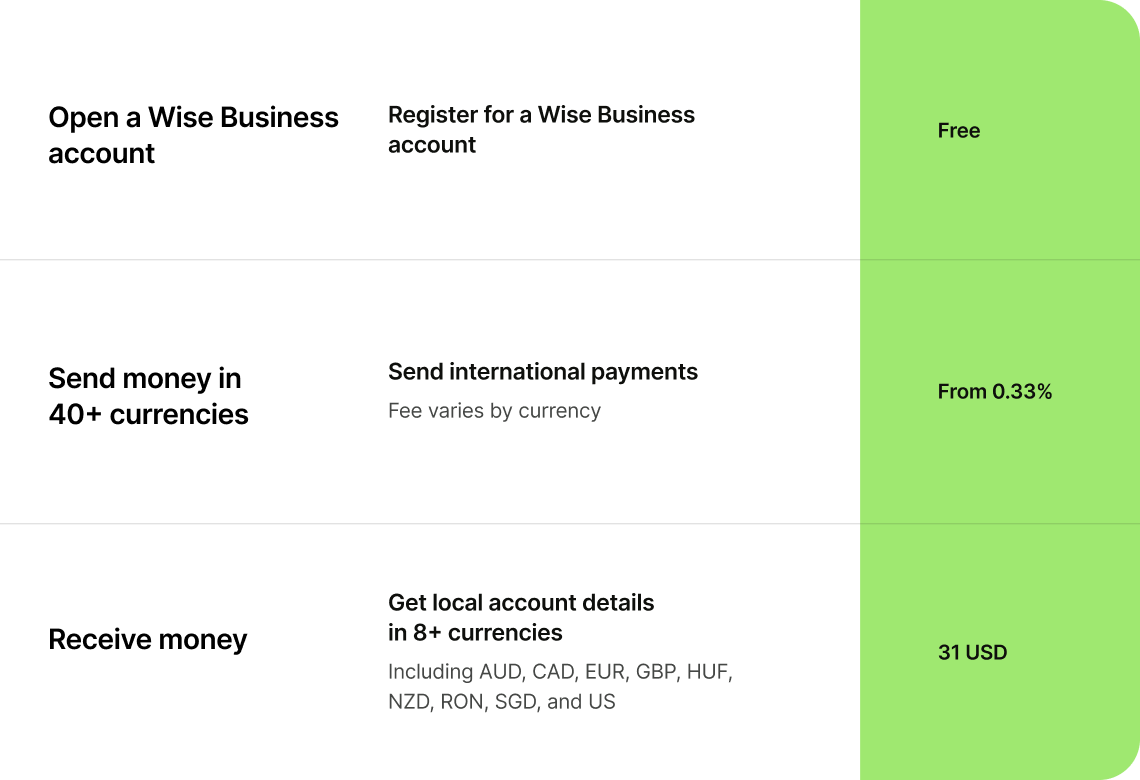
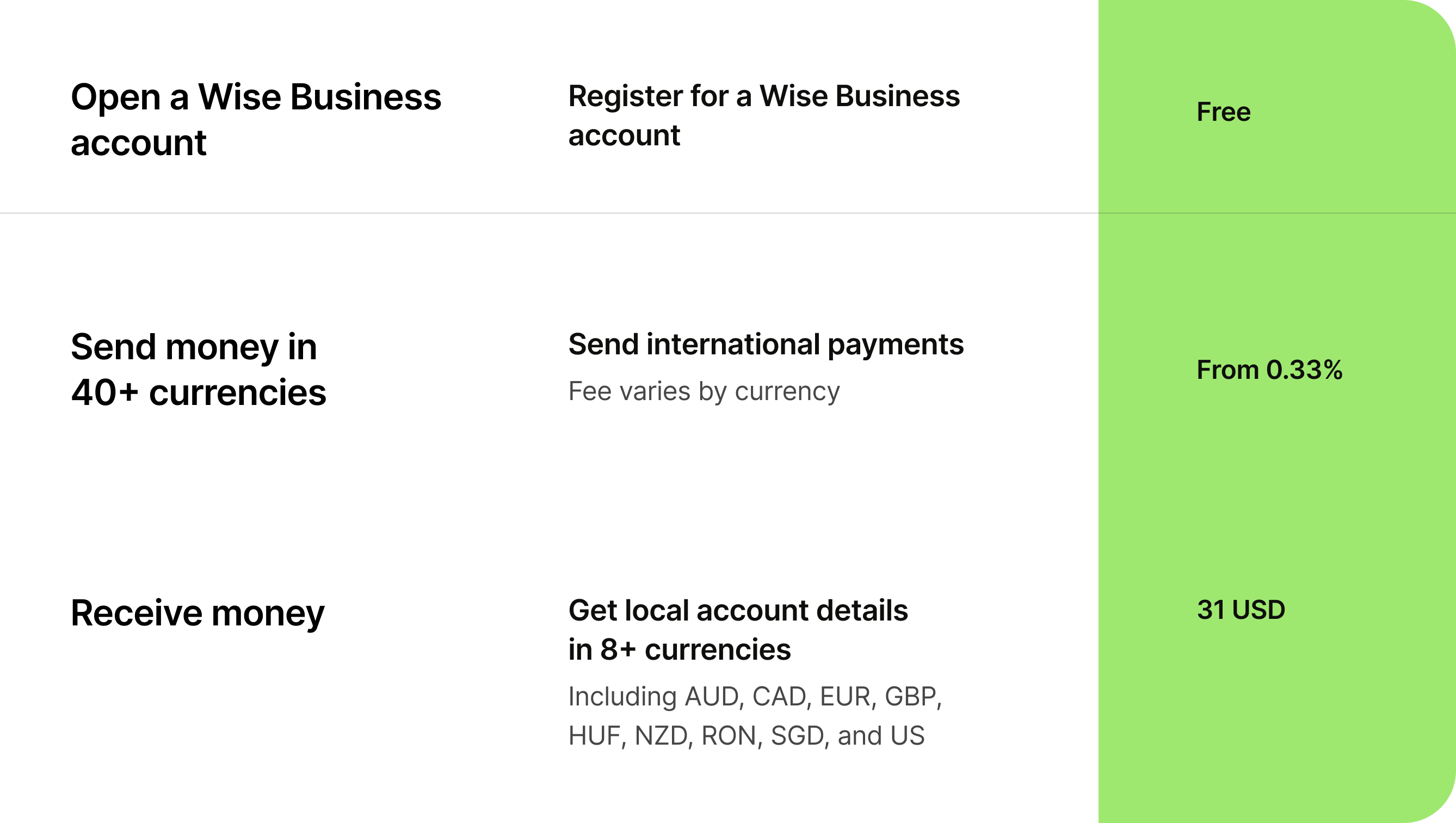
Wise is not a bank, but a Money Services Business (MSB) provider and a smart alternative to banks. Wise makes it easy to send, hold, and manage business funds in 40+ currencies. You can get major currency account details for a one-off fee to receive overseas payments like a local. Simply add the local account details when billing international customers to receive international payments with no fees.
Account opening is 100% online, with no need to visit a branch or book appointments.
Once you’re set up, you can connect to software such as Wave, FreshBooks, and more. You can also withdraw funds from Stripe without currency conversion fees.
Open a Wise Business account online
| Some key benefits of Wise Business include: |
|---|
|
*Please see terms of use and product availability for your region or visit Wise fees and pricing for the most up to date pricing and fee information.
This publication is provided for general information purposes and does not constitute legal, tax or other professional advice from Wise Payments Limited or its subsidiaries and its affiliates, and it is not intended as a substitute for obtaining advice from a financial advisor or any other professional.
We make no representations, warranties or guarantees, whether expressed or implied, that the content in the publication is accurate, complete or up to date.

Discover actionable steps for US businesses to expand internationally; research markets, plan effectively, and manage finances to achieve global growth.

Looking for a Philippines Business Visa? Our guide for US citizens covers requirements, fees, and processing steps for a smooth trip.

Learn how to register a US business in Australia. Navigate legal requirements, foreign company registration with ASIC, and the Australian tax system.

Understand Australia's corporate tax rates for 2025-26: a base rate of 25% for small businesses and a standard 30% for all other entities.

Learn how to register a business in India from the US. Our guide details steps, documents, and key financial considerations for aspiring entrepreneurs.

Learn how to get your India business visa. A step-by-step guide for US professionals on requirements, applications, and costs.











