
Buying property in Montenegro
Can US citizens buy real estate in Montenegro? Discover progressive property taxes, foreign ownership restrictions, and how to safely secure a deed.


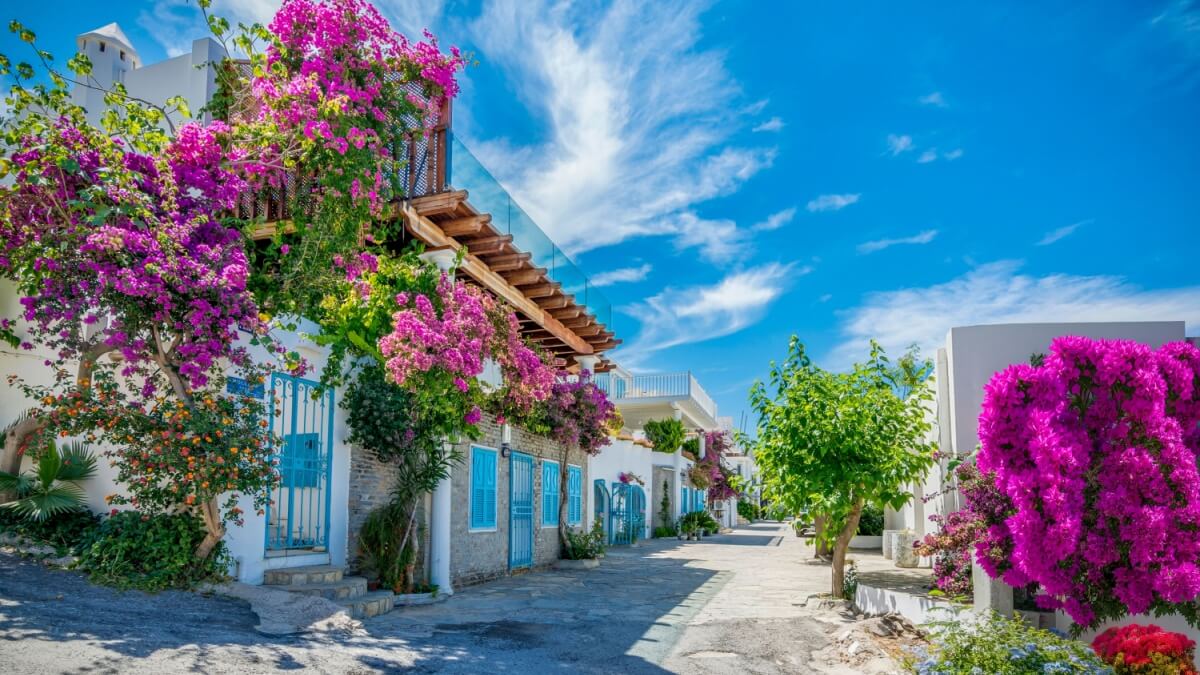
Turkey has been drawing increasing attention from American buyers who are enticed by its Mediterranean coastline, relatively low property prices, and a pathway to citizenship for larger investments.
But buying property in Turkey also raises all sorts of questions.
Can US citizens own property there? How much does it cost, and are there any hidden fees? Is it safe to buy? What does the process look like?
Whether you're thinking about purchasing a vacation home, a rental apartment, or a property where you're going to live long-term, the process works differently than it does in the US.
Here's what you need to know before you start.
We'll also introduce Wise — your international money transfer alternative. Use Wise to send stress-free transfers to over 140 countries - all at the standard mid-market exchange rate.
Yes, US citizens can buy property in Turkey with very few restrictions.
Since Turkey removed its reciprocity rule, most foreign nationals (including Americans) have nearly the same property rights as Turkish citizens.
That said, a few limits do apply:¹
For most US citizens buying a vacation or investment property, none of these restrictions will come into play. They're mostly relevant to large-scale land acquisitions or properties near sensitive zones.
In fact, you can actually qualify for Turkish citizenship as a result of your property purchase.
Purchase a property worth 400,000 USD or more, and you're eligible to apply for the Turkish citizenship by investment scheme, which is one of the more straightforward citizenship-by-investment programs available to Americans.²

Before you start looking at properties, get clear on what you're buying them for. In Turkey, this usually comes down to three situations:
Each has different implications.
For example, if you're buying to rent, you'll want to think about location from a tenant's perspective, such as proximity to tourist areas and transport links. If you’re buying a house for yourself, make sure you enjoy the neighborhood and amenities around it.
Turkey doesn't limit how much foreign buyers can spend, but it's important to make a budget for your purchase. Make sure to factor in not just the purchase price, but also Turkish taxes, legal fees, and ongoing costs (more on those later).
Turkey has a wide range of different real estate markets.
Istanbul is the largest city, with a mix of new developments and older properties across many neighborhoods. Antalya and Bodrum draw buyers looking for coastal living and warm weather. You can also buy apartments, villas, townhouses, or even land.
Once you know what you're looking for, there are a few ways to find properties:
Try to visit in person before making any offers. Properties often look very different in real life than they do in photos.
Before signing anything, verify a few key things:
Most American buyers hire a qualified Turkish lawyer at this stage to run all these checks and make sure that the property won't bring you any problems.
Once you're satisfied, the process moves to a preliminary sales agreement, which outlines the agreed price, payment schedule, and delivery date.
A deposit of 5% to 10% is usually paid at this point to secure the property.³
Have your lawyer review the contract before signing, paying attention to what happens if either party defaults, what's included in the sale, and how disputes will be handled.
Generally speaking, you can either pay cash or get a mortgage to finance your property purchase.
If you're paying cash, you'll transfer funds to a Turkish bank account and get a foreign exchange document (Döviz Alım Belgesi), which is required by Turkish law for all real estate purchases by foreign buyers.⁴
This document confirms that the purchase funds were converted from a foreign currency into TRY through a Turkish bank.
If you're using a mortgage, Turkish banks do offer loans to foreign buyers, but terms are generally less favorable than in the US. You can expect higher interest rates, shorter loan terms, and down payments ranging from 30% to 50%.¹³
The closing process is handled at the Land Registry Office, where the tapu (title deed) is officially transferred into your name.
That's the moment you legally become the owner of the property.
Once the tapu is in your name, there are a few practical steps to take care of:
If you're planning to go back to the US after closing, getting DASK sorted, utilities transferred, and a property manager in place before you leave Turkey will save you a lot of back-and-forth from abroad.
Property prices in Turkey depend a lot on where you buy.
On average, apartments in city centers run around 162 USD per square foot, and outside city centers, closer to 101 USD per square foot.⁶
But these country-wide averages change depending on the city.
Here's a snapshot of what to expect:
| City | City center (per sq ft) | Outside center (per sq ft) |
| Istanbul⁷ | 292 USD | 155 USD |
| Bodrum⁸ | 292 USD | 242 USD |
| Antalya⁹ | 224 USD | 126 USD |
| Ankara¹⁰ | 157 USD | 108 USD |
| Izmir¹¹ | 146 USD | 100 USD |
Istanbul and Bodrum sit at the top of the market, with Bodrum notable for how high prices stay even outside the center. It's a reflection of its appeal as a luxury coastal destination.
Izmir and Ankara are a lot more affordable and worth considering if budget is a priority for you. They’re not high-end destinations like Bodrum, but they still offer a great quality of life.
You should also budget for Turkey property purchase fees that can add a meaningful amount to your total outlay.
Here's what buyers typically pay at closing:
| Cost | Amount¹ |
| Property transfer tax | 4% |
| Agent fee (buyer) | 2% |
| Legal fees | ~0.5% |
| Notary fee | 0.1%-0.2% |
Total buyer-side costs typically run 6.6% to 6.7% of the purchase price.¹
There's also a VAT that applies to newly built properties that you buy from developers, but foreigners are often exempt as long as they're not Turkish residents, transfer funds through proper channels, and keep the property for a specified period of time.¹
Buying is a one-time event, but owning is ongoing, and it comes with regular bills.
Here's what to factor into your budget:
| Cost | Amount |
| Annual property tax | 0.1%-0.2% for residential properties¹ |
| Rental income tax (if applicable) | 15%-40% on a sliding scale based on net income¹ |
| DASK earthquake insurance | 30-100 EUR per year, depending on property size and location¹² |
| Building/HOA fees | Varies |
There may be other ongoing costs depending on your setup for the property.
For example, if you hire a property manager to take care of it while you're in the US or help manage rentals, you'll usually pay them a monthly fee.
Buying a property in Turkey is generally a safe and regulated process, but some risks come with the purchase, just like in any other place in the world.
Here's what to watch out for:
Working with a qualified Turkish lawyer from the start will help you avoid most of these issues.
A lawyer can run title checks, review contracts, flag clauses that favor the other party, and verify that the property is free of debts and properly permitted. All of these things are difficult to do on your own in a foreign market, especially if you don't speak Turkish.

Istanbul is Turkey's largest city and its most active real estate market.
You can find both historic apartments and modern new-builds there, and it's the only major Turkish city that has consistent year-round rental demand. Because of that, property in Istanbul tends to hold value better than in purely seasonal markets.
Istanbul property sits at the higher end of the Turkish market, with city center apartments averaging around 292 USD per square foot. Outside the center, prices drop to around 155 USD per square foot.⁷
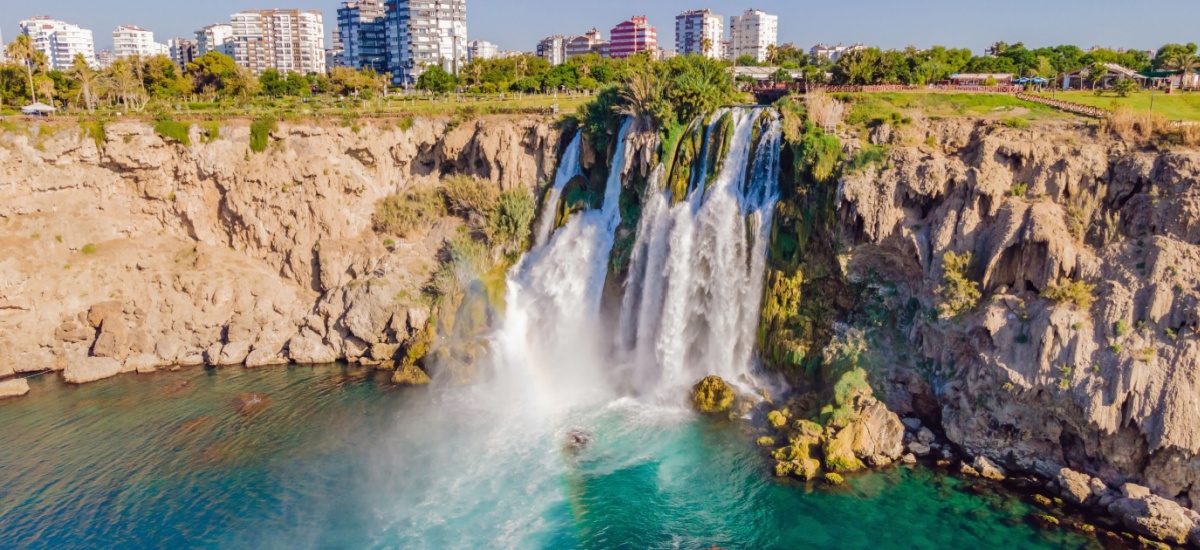
Antalya is one of the most popular cities for foreign buyers in Turkey.
It sits on the Mediterranean coast, has a large international community, and benefits from a long tourist season. A rental yield for a 1-bedroom apartment averages 6.68%.¹
Property in Antalya is more accessible than in Istanbul, with city center apartments averaging around 224 USD per square foot and outside-center properties getting closer to 126 USD.⁹
It can be a good place to buy if you want a vacation home that can also generate income.

Bodrum is Turkey's most upscale coastal destination with a strong luxury market and high demand from foreign buyers. It draws comparisons to high-end destinations like St. Tropez, but the prices, while high for Turkey, are still (more or less) affordable for Americans.
At 292 USD per square foot in the center and 242 USD outside it, Bodrum is the most expensive market outside Istanbul. But if you're looking for a luxurious home, this may be just the spot for you.⁸
Moving money internationally for a property purchase can be complicated.
You need to time the transfer correctly and coordinate payments to multiple parties, such as agents and lawyers. If you're carrying a mortgage from your home country, you'll also be managing ongoing payments across two currencies for years.
All of that comes with a cost.
Banks typically charge transfer fees and apply exchange rate markups that can quietly add up to a significant amount, especially on a transaction as large as a property purchase.
But luckily, there's a way to avoid that: Wise.
Now that we covered some of the basics, the only question left is how to send money to pay for your property overseas.
Wise offers you a quick, secure and transparent way of sending money abroad. You get the mid-market exchange rate for your payments and see how much it’s charged for the transfer before sending the money from your bank.
With the Wise Account you can also hold 40+ currencies, spend money in 150+ countries, and receive like a local in 8+ different currencies.
Please see Terms of Use for your region or visit Wise Fees & Pricing for the most up to date pricing and fee information
Buying property in Turkey gives you access to lower prices than comparable Mediterranean markets and a straightforward path to citizenship for investments over 400,000 USD.¹²
One thing that often catches American buyers off guard is how much they lose on the money transfer. Sending funds from a US bank to Turkey comes with high transfer fees and exchange rate markups that can cost you thousands of USD on a large transaction.
Wise is one way to avoid that.
With Wise, you can send secure and trackable large amount transfers to 140+ countries worldwide with transparent fees and the fair mid-market exchange rate.
Have a look at the main benefits for using Wise to send large transfers:
*Please see terms of use and product availability for your region or visit Wise fees and pricing for the most up to date pricing and fee information.
This publication is provided for general information purposes and does not constitute legal, tax or other professional advice from Wise Payments Limited or its subsidiaries and its affiliates, and it is not intended as a substitute for obtaining advice from a financial advisor or any other professional.
We make no representations, warranties or guarantees, whether expressed or implied, that the content in the publication is accurate, complete or up to date.

Can US citizens buy real estate in Montenegro? Discover progressive property taxes, foreign ownership restrictions, and how to safely secure a deed.

Can foreigners own land in Thailand? Learn what US buyers can do, key risks, typical costs, and how to handle large international transfers for property.

Can US citizens buy real estate in Cyprus? Learn about Council of Ministers approval, property taxes, and the complete buying process in our guide.

Foreigners owning land in the Philippines: a practical guide for US buyers on property rules, buying steps, costs, and large international transfers.

Can US citizens buy real estate in Switzerland? Learn about strict Lex Koller restrictions, residence permit rules, cantonal quotas, and the buying process.

Renovating a house in Sicily? Plan scope, budget, and living considerations for US buyers-plus how to manage international transfers for renovation payments











