
France tax residency rules explained
France tax residency rules: understand what it entails, exceptions, and who does it apply it to – plus practical examples to help you assess status.


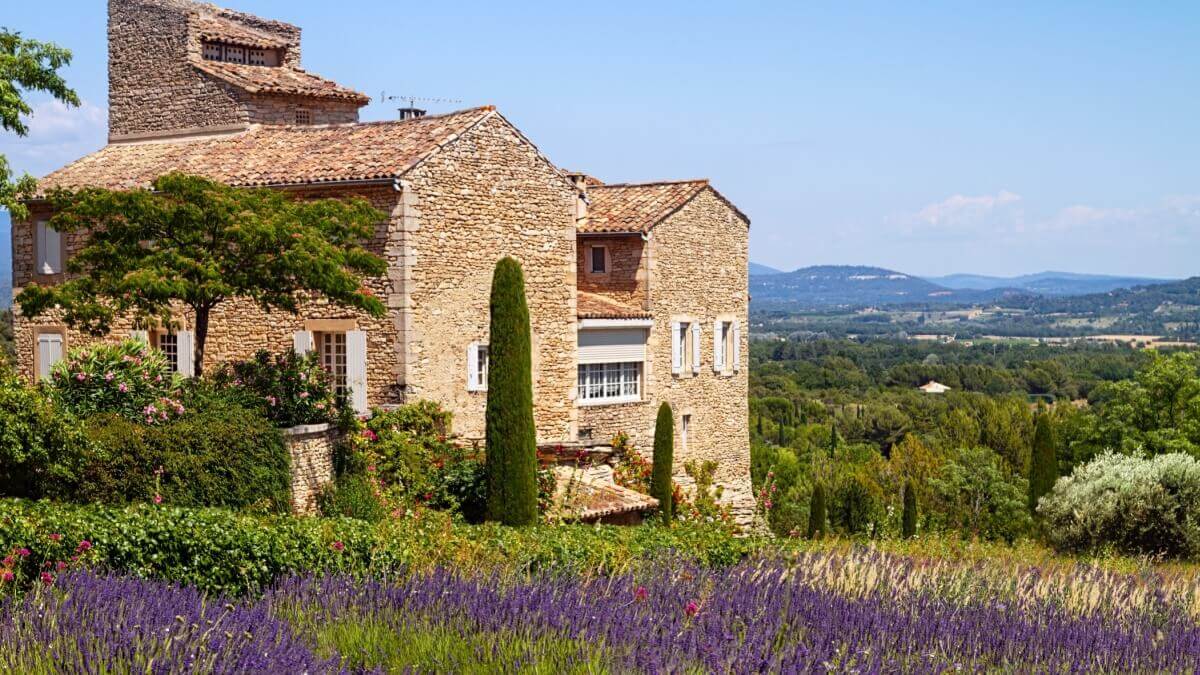
Buying land in France is an enticing prospect for foreigners who want to invest in tourism or build their dream home abroad.
We take a look at how to buy land in France as a foreigner. How much is land in France? Where is the best place to find land for sale? Here’s everything you need to know!
We'll also introduce the Wise account, which allows you to send, spend, and receive your money across the globe in over 40 currencies – all at the fair mid-market rate.
| Table of contents |
|---|
US citizens can buy land in France, but you’ll need to understand any national or local restrictions before going ahead with your purchase.
The French government restricts building on coastal land under the Loi Littoral, so you’ll need to look into any regulations in these restricted areas. For example, you may not be able to build within 100 meters of the shoreline.
The process of buying and selling land may also vary by region, so you should check with a local surveyor or real estate agent for more information.
For example, Alsace-Moselle uses a different land registration system from the rest of France, known as the livre foncier.¹
No, simply buying land in France won’t give you residency. If you want to move to France, you’ll need to look into your visa options.
France doesn’t currently offer any “Golden Visa” real estate programs for foreigners who want to purchase residency in the country.¹
However, buying property in France may support your visa application, as you can prove that you have adequate financial resources and a stable home.
If you want to apply for citizenship in France, you’ll typically need to live in the country for 5 years. You’ll also need to submit a naturalization application.²
So, how much is land in France? The price of an acre of land in France can vary hugely by region and land type, so you’ll need to do your research.
The sale price of unleased agricultural land has increased in recent years. In 2024, the average plot of agricultural land in France was 6400 EUR per hectare³ (7501.44 USD).⁴
Let’s take a look at the price of agricultural land per hectare in a range of popular French regions. These prices will vary depending on location, land type, and the purpose of your purchase.
| Region | Price in EUR | Price in USD |
|---|---|---|
| Brittany | 6520 EUR³ | 7650.24 USD⁴ |
| Normandy | 9340 EUR³ | 10,947.41 USD⁴ |
| Metropolitan France | 6400 EUR³ | 7501.44 USD⁴ |
| Ile-de-France | 7750 EUR³ | 9083.78 USD⁴ |
| Grand Est | 6810 EUR³ | 7982 USD⁴ |
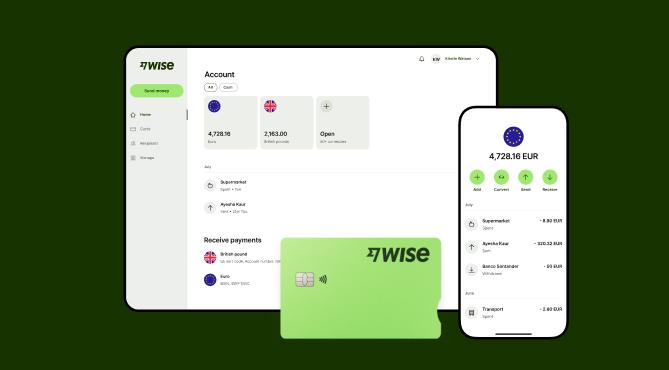
A smart option if you’re sending money overseas: meet Wise.
| With Wise, you can send up to 1,000,000 USD per wire transaction to 140+ countries, with the mid-market exchange rate and low, transparent fees. |
|---|
Over 70% of Wise payments arrive instantly* — and all Wise transfers are deposited directly into your recipient's bank account for convenience.
No ongoing fees, no hidden charges and no hassle — just fast, transparent international transfers that can beat the banks.
🚀Get started with high amount transfers
| See how Wise compares with international bank transfers in our full guide |
|---|
*Transaction speed claimed depends on funds availability, approval by Wise’s proprietary verification system and systems availability of our partners’ banking system, and may not be available for all transactions.
As well as the price of land, you’ll also need to cover some fees and taxes for your purchase. Let’s take a closer look at how much it costs to buy land in France.
| Cost type | Price |
|---|---|
| Closing costs – this typically includes notary fees, French property transfer tax, and any other transaction charges | Varies by region – typically around 7.5% of your purchase price¹ |
| Land survey fees | Roughly 2000 EUR to 3000 EUR for a basic survey⁵ (2344.20 USD to 3516.30 USD)⁴ |
| Building costs | Varies by project scale and region⁶ – anywhere from 1300 EUR/m² to 1850 EUR/m² (1523.73 USD to 2168.38 USD)⁴ |
| Exchange rate costs | If you spend money in France using your US bank account, you’ll need to look out for exchange rate charges — Most banks add a markup to the standard ‘fair’ mid-market exchange rate for foreign currency transactions Open a bank account in France or use a digital money transfer provider like Wise to save on currency conversion |

Here are some tips for finding land for sale in France:
- Browse reputable real estate agency websites for land listings
- Speak to your region’s town hall (known as a mairie)
- Drive around the French countryside to spot land plots for sale
- Contact local communities for updates on nearby listings
You can use the French cadastre map to find land. This is an official public record of all land parcels in the country. However, you may need to request a boundary survey from a local surveyor to better understand what you can do with the plot.¹
Buying land in France as a foreigner can be a tricky process. You need to do your research and find the right support for your project.
Here’s a step-by-step guide to buying land in France, including the documents you’ll need and how long it will take to complete your sale.
First, you’ll need to find your land plot. You’ll need to consider exactly what you want to do with your land before choosing a plot.
For example, if you want to build on your land, look out for land that’s zoned for development. Some land is reserved for agriculture or other purposes, so make sure to look out for any local restrictions.⁷
You’ll also need to consider any building regulations for coastal land purchases under the Loi Littoral.
It may be easier to buy land that already has building permission, but you may still need to apply for the appropriate building permits before starting your work.⁵ This will ensure your property meets any local planning requirements.
Work with a licensed surveyor to confirm that your land is suitable for your project. Whether you want to build a new property or start a farm, your survey can give you all the information you need.
A land survey or site appraisal will check the quality of your soil, identify key property boundaries, flag any problems, and map utilities like water pipes, electricity lines, and sewers.
Once you’ve chosen your land and identified any problems, you’ll need to sign a preliminary contract to start the official purchase process.
Known as the compromis de vente, you’ll get a cooling-off period of 10 days to change your mind with no repercussions.¹
However, this may only apply if you intend to build on your land. If you want to use your land for agriculture, for example, you may be committed to the purchase.⁷
You’ll need to provide some key documentation for your land purchase, including a passport. You shouldn’t need a visa or permit to complete the transaction, but you’ll need residency rights to live or work in France long-term.¹
Next, you’ll need to complete a *notaire *due diligence for your land purchase. You can do this at your local notary's office in France.
The notary will research any debts or issues with the land, including previous registered charges and any existing permits.
This will ensure you go into the final stages of your purchase with a clear idea of what to expect. You should never try to bypass this step by paying a seller directly, as this can lead to legal consequences further down the line.¹
You may need to organize financing for your land purchase. If you don’t have available funds, you could borrow against your current assets to pursue your investment in France.
Alternatively, you can apply for a mortgage in France to cover your land purchase costs. This is often a complex process, particularly for foreigners, so make sure to prepare evidence like proof of income, bank statements, and tax filings.
You may also want to work with a translator or interpreter if you don’t speak French. This will ensure you understand the ins and outs of your loan.
Also known as the acte authentique, you’ll need to sign the final deed for your land at your local *notaire’s *office. This will officially transfer ownership of the land.
Here are the key documents you’ll need to sign for your purchase:
- Preliminary contract (compromis de vente)
- Final notarized deed (acte authentique)
- Any French mortgage or loan documents
The purchase process typically takes up to 12 weeks, depending on whether you need to apply for financing or meet any additional requirements.¹
If you want to buy land in France, you may need to look into your financing options. This includes finding local grants, mortgages, or loans for your project.
The mortgage application process can be longer and more complex for non-residents in France. This is because your bank or lender won’t have access to your full financial history.
Here are some of the things you’ll need:
- Proof of income from a job, self-employment, or pension
- A good credit history in the US
- Low or no existing debt
- A French bank account
You may also need to provide a substantial down payment for your property or land purchase, typically 20% to 30% of the value.
As a non-resident, you’ll likely get more stringent loan terms than a French citizen. You may be offered a shorter mortgage term, for example, or a higher rate of interest.⁸
If you don’t want to apply for a mortgage in France, you could release equity in your US home to pay for your land. You could also sell other financial assets to raise funds for your new project.
France has a highly regulated real estate market. You’ll need to follow the government’s regulations and explore all your options before choosing the right financing route for you.
Buying property or land in France is a great opportunity for foreigners to earn tourist income, build their dream vacation home, or pursue new farming prospects.
However, you’ll need to do your research. You’ll need to complete the French notary process and get all the necessary permits before starting to build.
You’ll also need to consider your bank’s exchange rate charges, especially if you plan to send money between the US and France for your land purchase. These costs can really add up!
With Wise, you can send secure and trackable large amount transfers to 140+ countries worldwide with transparent fees and the fair mid-market exchange rate.
Have a look at the main benefits for using Wise to send large transfers:
Sources
*Please see terms of use and product availability for your region or visit Wise fees and pricing for the most up to date pricing and fee information.
This publication is provided for general information purposes and does not constitute legal, tax or other professional advice from Wise Payments Limited or its subsidiaries and its affiliates, and it is not intended as a substitute for obtaining advice from a financial advisor or any other professional.
We make no representations, warranties or guarantees, whether expressed or implied, that the content in the publication is accurate, complete or up to date.

France tax residency rules: understand what it entails, exceptions, and who does it apply it to – plus practical examples to help you assess status.

Take a look at the full in-depth guide for Long Stay Visa France requirements and prepare for the next exciting international chapter of your life.

Moving to France? Navigate financial changes seamlessly with insights from our blog. From banking to budgeting, prepare for your move with confidence.
Read on for a step-by-step guide to selling property in France, including fees, taxes, and timelines.

Learn all about buying a car in France as an American, including costs, requirements, and how to import your vehicle back to the US.

Are you looking for the best Airbnb management companies in Paris? Find out all about the top local providers to take care of your rental property overseas.











