
How to open a bank account in Japan as a foreigner: US guide
Learn all about opening a bank account in Japan as an American, including costs, requirements, and alternatives.


Japan's public transportation system is excellent, but you might still need a car to explore rural areas, to commute to work outside major cities, or if you have a family.
If buying a car in Japan is something you're considering, you're likely wondering about the process and if there are any requirements you need to be aware of as a foreigner.
As an American in Japan, buying a car is possible as long as you're in a proper residency status and can go through all the necessary steps, such as getting a parking space certificate.
Here's how to buy a car in Japan and successfully navigate all of the requirements.
We'll also introduce Wise — your international money transfer alternative. Use Wise to send stress-free transfers to over 140 countries - all at the standard mid-market exchange rate.
| Table of contents |
|---|
Technically, yes. However, it can be hard or impossible to do as a tourist.
There's no law preventing foreigners from buying cars in Japan, but the practical requirements mean that you'll need residency status to complete the purchase.
The main barrier is the parking space certificate, or shako shomeisho.
Japanese law requires every car owner to prove that they have a designated parking spot before they can register a vehicle. To get this certificate, you need a registered address in Japan, which typically means having at least a mid-term visa.
In other words, tourist visas usually won't work for buying a car. You'll need to be living in Japan on a work visa, student visa, spouse visa, or another long-term residency status.
Before you start shopping for a car, make sure you already have or can get the following documents:¹
Valid residency card (zairyu card): This proves your legal status and permission to stay in Japan for an extended period
Registered address in Japan (juminhyo): This certificate of residence from your local ward office proves where you live and is required for the parking certificate
Parking space certificate (shako shomeisho): You must prove you have a parking spot within 2 kilometers of your registered address, verified by police²
Valid driver's license: You'll need either a Japanese driver's license or an International Driving Permit along with your US license (IDPs are valid for 1 year)³
Personal seal (inkan or hanko): Japan uses registered seals instead of signatures for official documents, so you'll need to register yours at your local ward office and get an inkan certificate
These requirements apply whether you're buying new or used, from a dealership or from a private seller.
You'll also need to buy car insurance, or JCI (Japanese Compulsory Insurance), to protect yourself on the road.
Kei cars are small fuel-efficient vehicles, such as the Honda N-Box and the Suzuki Every Kei Van. They're the most affordable option for buying, insuring, and maintaining a car in Japan.
You'll recognize them by their yellow license plates. They're popular in cities because they're easy to park and qualify for reduced taxes and insurance rates.
Standard cars are compact, mid-size, and full-size vehicles with white license plates. They offer more space and power than kei cars but come with higher costs for everything from purchase price to taxes.
Many foreign buyers choose this category because that's what they're usually most used to.
You can buy both new and used cars in Japan.
New cars come with full warranties and the latest features, but they're also much more expensive. Used cars offer better value, and Japan's strict inspection system (shaken) means even older vehicles are usually well maintained.
Many foreigners opt for used cars because they're more affordable and lose less value if you need to sell before leaving Japan.
You have a few different options for buying a car in Japan:
Official dealerships: New car dealers like Toyota, Honda, and Nissan offer brand-new vehicles with full warranties and financing options (though financing is difficult for foreigners)
Used car dealerships: Shops specializing in pre-owned vehicles offer a wide selection with some warranty protection and help with paperwork
Online marketplaces: Websites like Goo-net list thousands of vehicles, so you can compare prices and features before visiting in person
Private sellers: Buying directly from other car owners can save money, but you'll handle all the paperwork yourself and won't have warranty protection
Dealerships are usually the easiest option for foreigners because they handle most of the registration paperwork and can sometimes provide English-speaking staff.
Buying cars in Japan comes with pretty high costs.
In addition to paying for your car, you'll also have to budget for registration, insurance, inspection, and various taxes that apply when you buy and own a vehicle.
Here's what to expect:
| Expense | Cost (USD)¹⁴ |
|---|---|
| Volkswagen Golf 1.5 (new compact car) | 22,039 USD |
| Toyota Corolla Sedan 1.6 (new mid-size car) | 15,761 USD |
| Used kei car (3-5 years old) | 6,452 USD to 14,444 USD |
| Annual tax | 70 USD to 645 USD |
| Shaken | 258 USD to 806 USD per year |
| Insurance (mandatory) | 75 USD per year |
| Insurance (voluntary) | 323 USD to 645 USD per year |
| Parking | 1,549 USD to 3,872 USD per year |
These costs are approximations, and places like Tokyo and other major cities will usually have higher parking fees and taxes compared to rural areas. Most of these costs also depend on your car's age, size, and engine capacity.
The shaken inspection is a big ongoing expense that occurs every 2 years for used cars and every 3 years for new cars.¹ Many Americans are surprised by this requirement, since it doesn't exist in the US.
| Need to send a large amount? With Wise, you can send up to 1,000,000 USD per wire transfer to 140+ countries — and we automatically apply a discount when you send over 25,000 USD (or equivalent)*. |
|---|
🚀Send high-amount transfers with Wise
*For more information, please visit https://payout-surge.live/us/large-amounts/%3C/a%3E.%3C/small%3E%3C/p%3E
It's a good idea to secure a parking spot and get your shako shomeisho before you even start shopping for a new car. To do this, contact your landlord or find a nearby parking lot and submit the parking space form to your local police station for verification.
Visit dealerships and browse online marketplaces to find a vehicle that fits your budget and needs. You can test-drive any car you're seriously considering and ask about its maintenance history and shaken inspection status.
Once you've found your car, negotiate the final price with the seller.
Make sure you understand what's included. For example, some dealers bundle insurance or shaken inspection into the total cost, but that's not always the case.
Most foreigners need to pay in full because financing is nearly impossible to get without permanent residency or a Japanese guarantor.
So, be prepared to make a bank transfer or pay in cash. Some dealerships also accept credit cards, but they may charge additional fees.

The dealer will help you fill out registration forms, but you'll need to provide your inkan seal, juminhyo, parking certificate, and residency card. If you're buying from a private seller, you'll need to submit these documents to the land transport office yourself.
The dealer typically handles registration at the local transport bureau. You'll receive your license plates and vehicle registration certificate once the process is complete.
Purchase mandatory JCI insurance (compulsory insurance) and optional car insurance before you drive. Many people buy insurance through their dealer, but you can also shop around for better rates.
Once the registration is complete and your insurance is active, you can pick up your car and start driving. Just make sure that you understand when your next shaken inspection is due so you can budget for it.
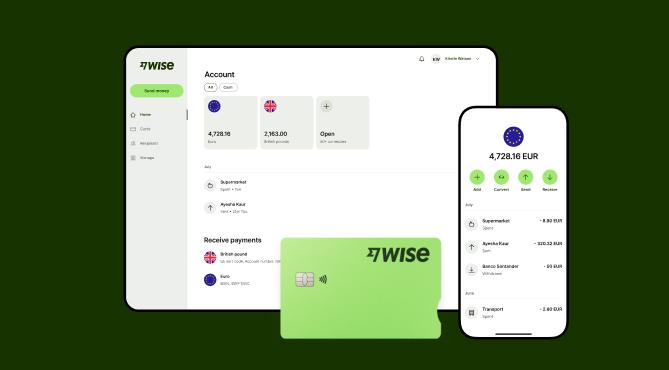
A smart option if you’re sending money overseas: meet Wise.
| With Wise, you can send up to 1,000,000 USD per wire transaction to 140+ countries, with the mid-market exchange rate and low, transparent fees. |
|---|
Over 70% of Wise payments arrive instantly* — and all Wise transfers are deposited directly into your recipient's bank account for convenience.
No ongoing fees, no hidden charges and no hassle — just fast, transparent international transfers that can beat the banks.
🚀Get started with high amount transfers
| See how Wise compares with international bank transfers in our full guide |
|---|
*Transaction speed claimed depends on funds availability, approval by Wise’s proprietary verification system and systems availability of our partners’ banking system, and may not be available for all transactions.
Once you have your car, make sure you understand how driving in Japan works before you get behind the wheel. Here are some things to keep in mind:
You should also carry your license, vehicle registration, and proof of insurance at all times while driving because the police can stop you for random checks, and they expect you to have these documents.
Can I import a car from Japan? The answer is yes, but the process is quite complicated and comes with many regulations and costs that make it worthwhile mainly for specialty or classic vehicles.
The car must be at least 25 years old to qualify for import under US regulations, unless it meets Federal Motor Vehicle Safety Standards and EPA requirements.⁵
You'll also need to work with a registered importer who can handle customs clearance, and you'll pay import duties, shipping costs, and any modifications needed to meet US safety and emissions standards.
Overall, most Americans in Japan find it more practical to buy a car locally and sell it before returning to the US rather than go through the import process.
Buying a car in Japan for foreigners is possible, but it can be tricky.
You'll likely need a long-term residency status to navigate the requirements, like the parking space certificate, registered address, and personal seal.
On the upside, if you have a long-term visa and plan to stay in Japan for a while, owning a car can give you the freedom to explore the country without having to rely on public transportation.
Paying for a car in Japan makes the process a bit more complicated, too.
You'll likely have to pay in full, since financing is difficult for foreigners, and international bank transfers often come with high fees and unfavorable exchange rates that can add hundreds of dollars to your total cost.
When you're already spending thousands on a vehicle, these extra charges make an expensive purchase even more costly.
With Wise, you can send secure and trackable large amount transfers to 140+ countries worldwide with transparent fees and the fair mid-market exchange rate.
Have a look at the main benefits for using Wise to send large transfers:
Sources
*Please see terms of use and product availability for your region or visit Wise fees and pricing for the most up to date pricing and fee information.
This publication is provided for general information purposes and does not constitute legal, tax or other professional advice from Wise Payments Limited or its subsidiaries and its affiliates, and it is not intended as a substitute for obtaining advice from a financial advisor or any other professional.
We make no representations, warranties or guarantees, whether expressed or implied, that the content in the publication is accurate, complete or up to date.

Learn all about opening a bank account in Japan as an American, including costs, requirements, and alternatives.

Moving? Explore our blog for key insights on managing expenses, currency, and more adjustments for a successful move.

Wondering if you're eligible for Japanese citizenship? Find everything you need to know in this handy guide.
Americans love Japan. They love the unique culture, cherry blossoms, the never ending nightlife of Tokyo and of course, sushi. Japanese culture fascinates...
Whether you’re an expat already, looking for a second home for family vacations, or want a smart investment, buying real estate in Japan can be a good move....

Japan is a country with a rich history and growing economy. In certain industries, like the tech sector, booms are starting to happen. Japan is quickly...











