
Buying property in Germany as a foreigner: US guide
Thinking about buying property in Germany? Learn all about step-by-step processes, average prices, taxes, and legal requirements in our guide.


Costa Rica is a popular place with Americans because of its beautiful beaches, relaxed way of life, and stable political climate. Costa Rica also has one of the most developed infrastructures in Central America and a relatively big expat community.
So, you may be considering buying land in Costa Rica. Americans can freely purchase most properties, but there are a few important things that you need to be aware of for a smooth transaction.
Here's everything you need to know about buying land in Costa Rica as an American. You'll also learn about Wise, an easy and fast way to send money to Costa Rica, even for large transfers.

Yes, Americans and other foreigners can buy property in Costa Rica with virtually no restrictions. The only thing that you need to be aware of is that certain types of coastal land come with specific regulations that affect your ownership rights.
The first 50 meters from the high tide line is public land. It's protected by law and impossible to own privately.¹
Beyond this public zone, the next 150 meters inland are known as the Maritime Zone or Concession Land. This area has special ownership rules - foreign buyers can only own up to 49% of the land in this zone.¹
There are very few exceptions to these rules, but 5% of Costa Rica's beaches have special titling that allows private ownership closer to the shoreline.¹
Buying land in Costa Rica doesn't automatically make you a citizen, but it can open a path to legal residency in the country. With a real estate investment of 150,000 USD or more, you can qualify for Investor Residency status.²
You can also meet this investment threshold through other options, such as investing in shares of an operational Costa Rican corporation or the Costa Rican stock market.
You can include your spouse, children under 18 years old, and single, dependent children up to age 25 on your application.²
💡 After maintaining Costa Rican residency for 7 years, Americans become eligible to apply for Costa Rican citizenship.²
Land prices in Costa Rica can vary a lot depending on the location.
Popular coastal areas like Tamarindo and Guanacaste come with premium prices because they have strong infrastructures and are generally popular with expats. Your land will appreciate faster in these areas, and there will be better resale opportunities.
More remote locations have lower price tags. You'll get more land for your money and more privacy, but the property will typically appreciate more slowly and can take longer to sell when you're ready to move on.
As of February 2025, Realtor.com, one of the leading real estate websites in Costa Rica, lists plots of land for sale for as low as 9,500 USD and as high as 93,000,000 USD.³
You can expect Costa Rican real estate listings to be in USD instead of CRC since most of them are targeting foreign buyers.
Here's a breakdown of the main taxes and fees that you can expect when buying land in Costa Rica as an American.
| Tax/fee type | Rate¹⁴ |
|---|---|
| Municipal property tax | 0.25% |
| Luxury property tax | 0.25%-0.55% |
| Closing costs | 3.6% |
| Rental income tax | 15% |
The property municipal tax is based on your property's value.
As a property owner, you're responsible for declaring your property's value every 5 years by submitting a property valuation form to your municipality.⁴
The luxury property tax applies to properties that are valued at over 148,000,000 CRC (about 250,000 USD).⁴ If you only own land, you don't have to pay this tax at all. But once you build on the land, you'll pay the luxury tax on the total value of both your land and building.
If you want to build a house on your land, you can save money by managing the project yourself instead of hiring a general contractor. By buying your own materials and hiring workers directly, you could save 20-30% on construction costs.⁵
Just keep in mind that this means you'll need to spend more time overseeing the project and will need some local connections.
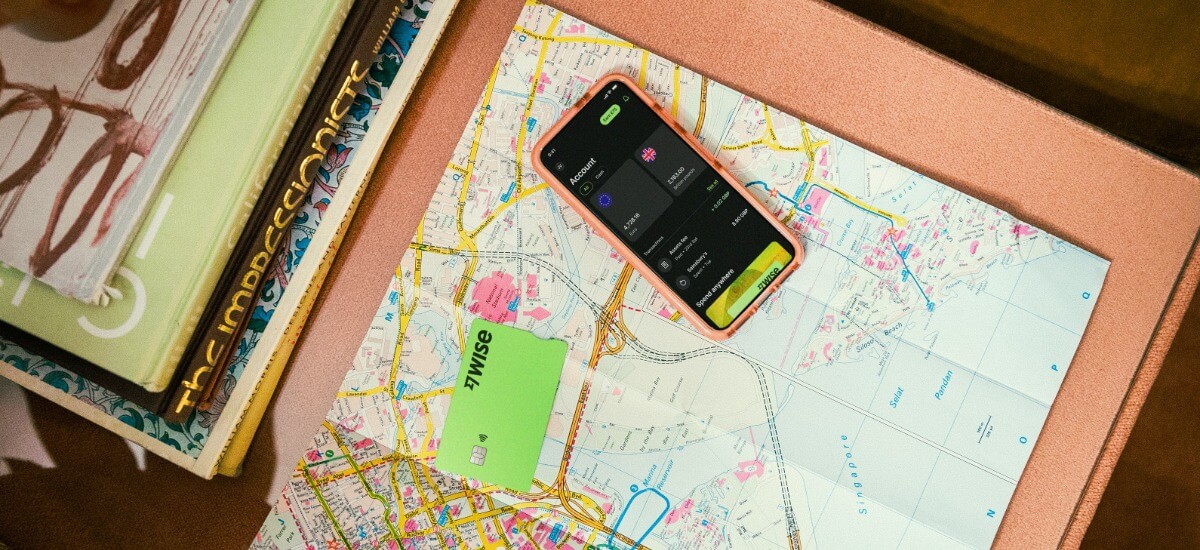
Now that we covered some of the basics, the only question left is: how to send money to pay for your property overseas?
Wise offers you a quick, secure and transparent way of sending money to Costa Rica. You get the mid-market exchange rate for your payments and see how much it’s charged for the transfer before sending the money from your bank.
With the Wise Account you can also hold 40+ currencies, spend money in 150+ countries, and receive like a local in 9 different currencies.
Please see Terms of Use for your region or visit Wise Fees & Pricing for the most up to date pricing and fee information
Costa Rica has many different areas where you could explore buying land, such as:
Tamarindo: A popular beach town with excellent surfing and a strong expat community. The land here comes with relatively high prices but also has strong investment potential
Manuel Antonio: This area is known for its national park and stunning beaches, and you can find plots of land with ocean views or in a jungle
Playa Hermosa: A quieter coastal area perfect for those looking for a more peaceful setting. You'll find both beachfront and hillside lots with ocean views here
Jaco: A beach city with strong infrastructure and year-round tourist activity
Escazu: An upscale suburb of San José, a great option if you want the urban convenience of being close to the capital
If you want to own land right on the shore, it may be possible to find titled plots of land at Jaco Beach and Los Suenos Beach.
You can also start your search on local real estate websites, including:
Take your time choosing the right agent. Look for someone with expert knowledge of your target area and a strong track record of land sales in Costa Rica.
Your real estate agent should be registered with SUGEF, Costa Rica's financial regulation authority. It’s also a good sign if they belong to organizations like the National Association of Realtors (NAR), the Costa Rican Real Estate Association (CCBR), and the Costa Rican Guanacaste Association of Real Estate (CRGAR).
Your real estate agent should have strong local ties, so look for someone who's been living in Costa Rica for at least a few years. Also, it's helpful if they own property in Costa Rica themselves.
In addition to a real estate agent, you should also hire a qualified real estate attorney. Choose one who's also a public notary - they're the only ones who can record your purchase in the National Registry.
Your attorney will protect your interests and spot potential problems with the land. The property market in Costa Rica isn't very regulated, so it's important to have a strong legal team.
Once you find a few land lots that you like, schedule your viewings.
It's a good idea to see the land at different times of day and in various weather conditions, especially after rainfall. Heavy rains can reveal potential flooding issues or drainage problems that you won't be able to see in dry weather.
You should also get a professional site assessment to check soil quality and rule out contamination.
Before you commit to anything, have your attorney run a thorough title search.
The Costa Rican property market isn't as regulated as in the US, so it's important to make sure that the land you want to buy has a clean title and that the person who's selling it is actually authorized to do so.
In other words, you should be wary of scams.
You should also make sure that the land isn't in the Maritime Zone (unless you're prepared for the special requirements that come with buying that type of coastal property) or public land.
Your agent will help you write up a formal offer.
Once you reach an agreement with the seller, your attorney will create a purchase-sale agreement - a document that clearly spells out all terms and conditions of the land sale.
Your land purchase will typically require a 10% deposit, and the purchase agreement only becomes binding after your deposit is in escrow.¹
You'll need to decide if you want to register your land in your name or create a Costa Rican corporation. Many Americans choose to form a Sociedad Anónima (SA) or Sociedad Limitada (SRL) - legal structures similar to an LLC in the US.
Sometimes, buying land through a corporation can make the transaction more simple and provide some tax benefits. Your attorney will help you figure out which option best fits your situation and goals.
Closing typically happens 30-60 days after signing the purchase agreement.¹
You'll need to pay the remaining property price and cover closing costs and legal fees. Your attorney will register the purchase in the National Registry (if they're a notary public). If your attorney isn't a notary public, you'll need to find one to close the sale.

Americans can apply for mortgages in Costa Rica, but local banks rarely approve these applications. Even if you have a large down payment and a good financial history, you'll likely need to find an alternative for financing.
You can try using an international lender that specializes in overseas property purchases. Another option is using retirement funds to purchase land through a self-directed IRA.
Some Costa Rican property owners also offer financing directly to buyers, but these are typically short-term arrangements.
Overall, Costa Rica is a great place for Americans to own land.
The buying process is generally straightforward, but you'll need a good attorney and a knowledgeable real estate agent.
For an easy time sending money to Costa Rica, use Wise and save on fees.
Sources
*Please see terms of use and product availability for your region or visit Wise fees and pricing for the most up to date pricing and fee information.
This publication is provided for general information purposes and does not constitute legal, tax or other professional advice from Wise Payments Limited or its subsidiaries and its affiliates, and it is not intended as a substitute for obtaining advice from a financial advisor or any other professional.
We make no representations, warranties or guarantees, whether expressed or implied, that the content in the publication is accurate, complete or up to date.

Thinking about buying property in Germany? Learn all about step-by-step processes, average prices, taxes, and legal requirements in our guide.
Thinking about buying property in Spain? Learn all about step-by-step processes, average prices, taxes, and legal requirements in our guide.

Learn all about different ways to get an overseas property mortgage as an American and gain unique insights to prepare yourself for the whole process.

Get a full overview of the best property management software systems for small landlords to easily track and manage their overseas property.
How to buy your first rental property overseas? Here's a detailed guide that can help you understand the challenges and steps for making an investment.

What are the best property management software systems for managing student housing? Take a look at our list and choose the most suitable option for you.











