
Guide on small business invoicing software in the Philippines
Compare the best invoicing software for small businesses in the Philippines and learn which ones fit your needs best.


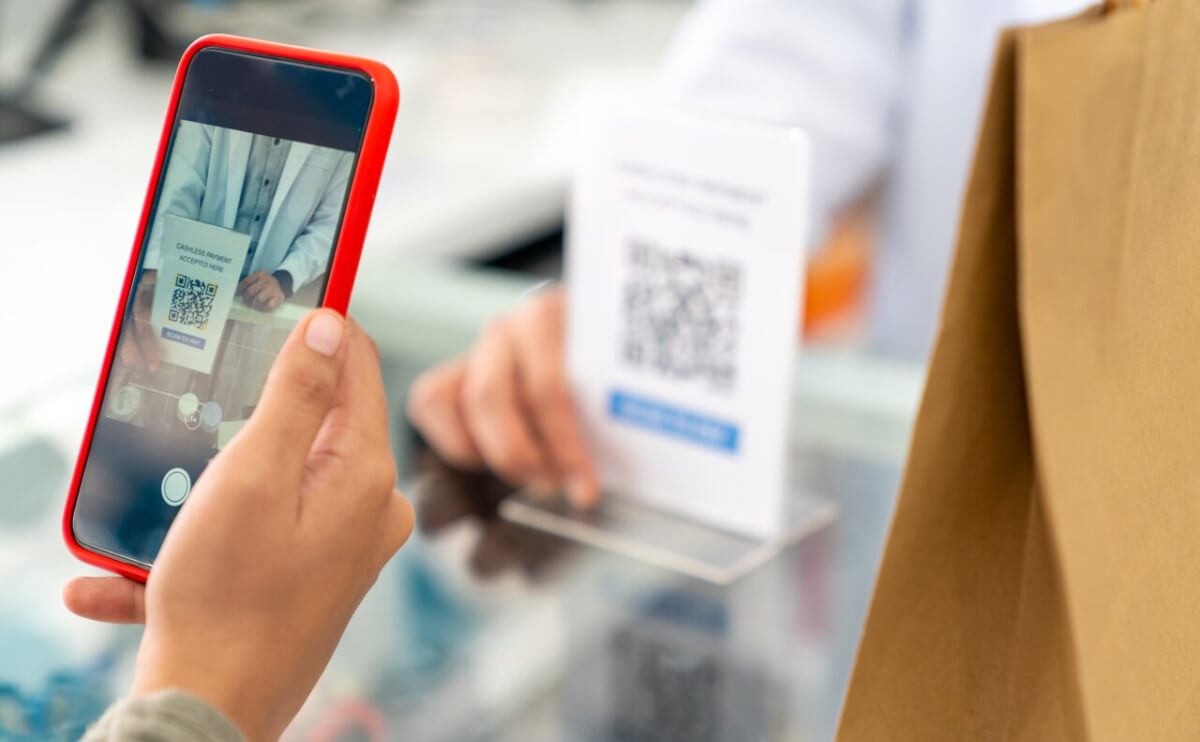
The days of "cash is king" in the Philippines are slowly being challenged. While bills and coins still have their place, the local economy is rapidly shifting toward a "cashless-lite" reality. If you're a Filipino business owner, whether you're running a boutique in Makati or a freelance agency serving clients in New York, being able to accept credit card payments isn't just a "nice-to-have" anymore—it could very well be your competitive edge.
This article will cover the fundamentals on how to accept credit card payments in the Philippines, and different solutions available. We’ll also touch on how Wise Business can be a great alternative method to receive payments from customers in multiple currencies easily, without the usual headaches of currency conversions loaded with hidden exchange rate markups and hidden fees.
| Table of Contents |
|---|


In a nutshell, credit card processing is the secure system businesses use to accept card payments. It moves through three main phases - authorization and authentication, followed by clearing and settlement - to ensure the money gets from the customer to the merchant.
Key players in the card payment chain
The card payment chain includes:
Whether you have a physical storefront or a purely digital setup, there are several methods available for your workflow.
Online shopping is booming, but the Philippine retail and F&B sectors still thrive on face-to-face interaction.
Before you figure out how to accept credit card payments online, you first need a few things in place on your online store⁶:
| 💡Pro Tip: If your processor doesn't include a merchant account, you'll need to open one separately. However, most modern "all-in-one" providers include both. |
|---|
Local Payment Gateways in the Philippines:
For businesses with a global footprint, Stripe and PayPal remain the industry standards. PayPal is a trusted global payments provider for reaching international customers and local users in the Philippines, backed by strong buyer/seller protection. Stripe offers a highly customizable platform with robust APIs, making it the go-to for tech-savvy businesses with complex payment needs. Both platforms provide advanced security and support a wide variety of global and local payment methods¹¹.
If you’re a weekend market vendor or a service provider on the go, a mobile POS is your best friend. To set this up, simply download the provider’s app and pair a small Bluetooth reader to your smartphone or tablet. During a sale, you enter the amount in the app and the customer taps or inserts their card into the reader to pay. It’s great for markets or on-the-go services.
Sometimes, a customer might want to pay while speaking to your sales rep. This is common for hotel bookings or specialized B2B orders.
This setup requires no extra hardware; you simply log into your payment processor’s secure web dashboard from any browser. While on the call, you manually type the customer’s card number, expiry date, and CVV into the digital form to process the charge. Because the card isn't physically present, you’ll often provide the customer's billing address to help verify the transaction and mitigate fraud risks.
If you sell through Viber, Instagram, or Facebook Messenger, payment links and QR codes are convenient ways to collect payments in the Philippines.
You generate a unique payment link from your provider and send it directly to the customer. When the customer clicks the link, they are taken to a secure page where they can enter their card details.
Before you sign up, let’s review the situation and look at the fine print. You'll likely encounter:
If you’re working with international clients or B2B partners, instead of asking for a credit card swipe, you can provide your client with local account details provided by Wise Business. Your client pays you via a standard local bank transfer in their own currency, and you receive the funds hassle-free, without having to pay any card processing fees.


If you're a business in the Philippines trying to go global, you've probably hit a wall of confusing foreign exchange fees when collecting payments from international customers. Wise Business helps you cut through all that complexity—be it a local bank transfer or a wire transfer. By simplifying how you receive payments, you're free to pursue what matters—growing a local brand with global sights.
➡️Get started with Wise Business today
Wise Pilipinas Inc. is regulated by the Bangko Sentral ng Pilipinas. You may visit the BSP website for more information about its regulatory framework and consumer protection policies. To reach Wise, visit help center here.
1. How to accept credit card payments without a merchant account?
You can use payment processors like Stripe⁶ which allow you to accept payments under their umbrella merchant account, so you don't have to go through the long process of opening a separate merchant account elsewhere.
2. Can I pass the processing fees on to my customers?
Technically, "surcharging" is often discouraged, and in some jurisdictions, it’s restricted. A better alternative is to bake the cost of processing into your overall pricing strategy rather than adding a separate "card fee" at checkout, which could frustrate customers¹⁷.
3. How long does it take to receive the money in my account?
While Maya Business follows a next-business-day schedule, other payment gateways might have different settlement windows which depend on the time taken for clearing between your processor, the card networks, and local banking cycles. International providers like PayPal might hold funds longer for new accounts, sometimes up to 21 days, before they become "available" for withdrawal¹⁸,¹⁹,²⁰.
4. What should I do if a card is declined?
Don't panic! It’s often a simple issue like an incorrect OTP or a temporary bank limit. Politely ask the customer to check their mobile app for a notification or offer an alternative payment method.
Sources
*Please see terms of use and product availability for your region or visit Wise fees and pricing for the most up to date pricing and fee information.
This publication is provided for general information purposes and does not constitute legal, tax or other professional advice from Wise Payments Limited or its subsidiaries and its affiliates, and it is not intended as a substitute for obtaining advice from a financial advisor or any other professional.
We make no representations, warranties or guarantees, whether expressed or implied, that the content in the publication is accurate, complete or up to date.
Compare the best invoicing software for small businesses in the Philippines and learn which ones fit your needs best.

Find the best payment gateway in the Philippines for your business needs. Compare available payment methods, fees, security and integrations.

Discover how payment links work, and how they help businesses get paid faster and more securely, and ensure smooth online transactions.
GCash QR allows merchants in the Philippines to accept local payments easily. This guide shows you how to get GCash QR code for your business.

Learn the best ways to receive Upwork payments in the Philippines. Compare bank transfers and alternatives to save on fees and get paid faster.











