
Stamp duty in France: Complete guide for UK buyers
Yes, you need to pay stamp duty in France. Here’s what UK buyers should know about registration duties, notary fees, and tax rates for new and existing homes.


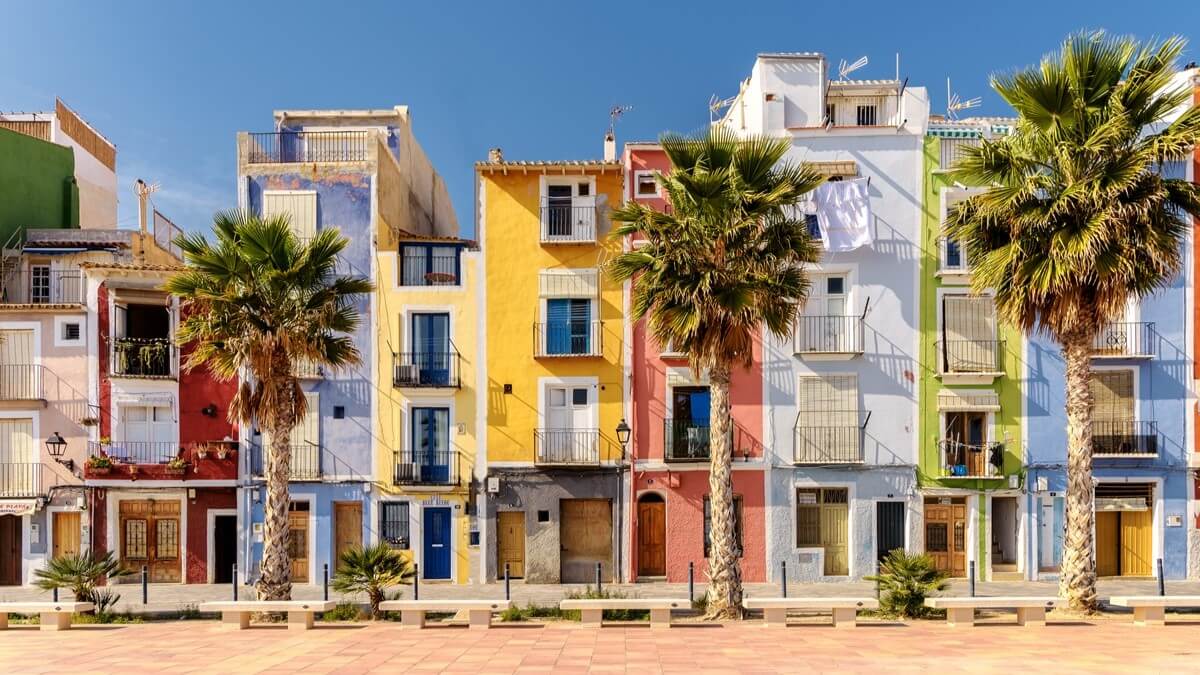
Do you enjoy restoring homes and unlocking their true potential? Or are you exploring the idea of your first renovation project in Spain? We’re here to walk you through the entire process and equip you with everything you need to know along the way.
In this guide, we’ll look at the pros and cons of renovating property in Spain, explain the costs involved, and help you put together a renovation schedule. We’ll also share what you need to think about before taking the first step.
Finally, since renovation can be chaotic and costly, you may want to make the financial part of the process less stressful. The Wise account will allow you to send large amounts of money between the UK and Spain for transparent, low fees*. Wise can even auto-convert your pounds to euros at the mid-market rate and help you save even more.
With low, transparent fees*, great mid-market exchange rates, and secure, trackable transfers, Wise makes international money transfers simple and stress-free. Plus, you’ll get dedicated support and volume discounts when sending large amounts. On a £50,000 transfer, you could save up to £1,000 with Wise vs your bank.
Get expert support for your large transfer 📞
| Please see the terms of use and product availability for your region or visit Wise fees and pricing for the most up to date pricing and fee information. |
|---|
People have different motives for buying and renovating houses in Spain. Sometimes the goal is to make a holiday home or even a second home. Some opt to renovate in order to rent or eventually sell property in Spain.
If you’re unsure about renovating, remember it requires careful planning and a clear budget, just like building a new home.
To help you decide, here’s a summary of the main pros and cons of renovating property in Spain:
Pros:
Cons:
If you’re unfamiliar with the Spanish real estate market, hiring an agent can help you find the right house. However, if you’d rather look on your own, here are some popular Spanish property websites:
There are also several support programmes available in Spain to help improve energy efficiency. One of the most significant is the Next Generation EU programme, which can cover up to 80% of renovation costs.1
Some municipalities, such as Catalonia and Andalusia, run their own schemes.1
Home renovations are challenging even in the UK, so they can be even more complex abroad. You may encounter issues with permits or struggle to keep to your schedule.
Before you start, make sure you’re prepared for the full process, including any potential setbacks. Here are some key points to consider to make your renovation easier:
A protected property in Spain is known as Bien de Interés Cultural (BIC). If you buy it, this might include additional obligations and rules for you, even regarding minor renovations.2
To find out whether a property is protected, check its status with the local town hall or ayuntamiento and review the Spanish Historical Heritage register. If you want extra certainty, consider hiring a local lawyer with experience in historic buildings.2
There are three types of permits available depending on the scope of work. Licencia de obra mayor is required for projects that modify the structure of the building or involve significant changes. Licencia de obra menor and Declaración responsable are used for smaller works such as painting, replacing windows or minor repairs.3
The process usually involves hiring an architect to create a project plan. You will typically need to provide the title deed, an estimated budget and sometimes an urban planning certificate. Applications are submitted to the local town hall (ayuntamiento).3
Although property surveys are not compulsory in Spain, they are important for uncovering structural issues or other problems that may not be visible. Surveys are carried out by licenced property surveyors.4
Creating a detailed renovation schedule is very important in order for it to be successful. Here’s what it roughly looks like:
The quality and pace of your renovation will depend heavily on your contractor team. Make sure you ask for local recommendations and check their previous experience. It’s also important to request quotes in advance so you can compare them and choose the best option.
Consider hiring a translator, especially in the initial stages or when talking about international invoices.
All-risk construction insurance is recommended, but it’s not mandatory. It protects you against accidental damage during the renovation, as well as design errors and theft.5
Your contractor is required to have public liability insurance, so make sure you check that they’re properly covered.5
Even if you create a perfect renovation schedule, some unforeseeable things can delay it, from the weather to sourcing materials.
That’s why you should always have a backup plan. For example, consider change orders or amendments to the original contract.
The main fees you’ll have are necessary building permits. Using Wise to pay them can be helpful, since your pounds will be automatically converted at the mid-market exchange rate.
The standard VAT rate is 21%, but you can get a reduction to 10% by refurbishing a property primarily intended for housing. The renovation must be completed at least two years after the start of the renovation.6
You’ll also need to pay a Construction, installation and works tax (Impuesto sobre Construcciones, Instalaciones y Obras - ICIO). The tax rate depends on the municipality, but it doesn’t exceed 4% of the cost of the refurbishment.7
If you can, it’s better to hire professionals to help you with renovating property in Spain. At least try to consult someone when it comes to making sure all the work meets legal requirements.
In case you encounter a problem, make sure you seek independent legal advice immediately.
Keep in mind that the Foreign, Commonwealth & Development Office (FCDO) can’t directly get involved in private legal issues abroad. However, they could give you a list of translators and English-speaking lawyers.8

Now that we’ve covered some things you should consider, let’s look at the actual costs of renovating property in Spain. We’ll go through individual refurbishment expenses and their average costs.
An average price is €70–€200 per square metre or between £60 and £173. The price varies based on the quality of materials.9
The average price of new flooring is €30–€70 per square metre (£26–£60). For example, wooden parquet costs up to €80 per square metre or around £70, while porcelain floors cost €15–€35 per square metre on average (£13–£30).10
In Spain, a full kitchen renovation typically costs between €4,000 and €10,000 or approximately £3,450–£8,630. Smaller, partial upgrades average about €2,000 (£1,730), while high-end or luxury refurbishments can reach €15,000 (£12,950).11
The average cost of remodelling a bathroom in Spain ranges from €5,000 to €10,000 (£4,320–£8,630). Choosing luxury finishes, including stone surfaces and custom-made furniture, can increase the overall budget to around €15,000 (£12,950).12
On average, exterior painting costs between €12 and €35 per square metre (£10–£30), with prices reaching up to €40 per sq.m in some cases.13 Interior painting is generally cheaper, averaging €4–€14/sq.m, depending on the condition of the surfaces and the preparation involved (£3–£12).14
You can expect to pay between €1,000 and €3,500 for rewiring a house in Spain, or £863–£3,022. More complex projects can cost up to €6,000 (£5,180).15
This can vary significantly, since it involves all of the other costs we’ve listed. On average, renovating a loft costs €2,000–€12,000 or between £1,730 and £10,360.16
Since villas tend to be larger in size, the prices we’ve listed so far will be higher when remodelling them. The price also greatly depends on the location, as buying property in Barcelona or other popular or larger cities will likely be more expensive.
Remodelling a rural house in Spain generally costs between €35,000 and €85,000 (£30,200–£73,400). However, this greatly depends on its condition, size and the materials you choose.17
Let’s list the main expenses in your Spanish renovation:
| Renovation type 🔨 | Average cost 💶 |
|---|---|
| New roof | €70–€200/sq.m. (£60–£173) |
| Flooring | €30–€70/sq.m. (£26–£60) |
| New kitchen | €4,000–€10,000 (£3,450–£8,630) |
| Bathroom renovation | €5,000–€10,000 (£4,320–£8,630) |
| Painting | €12–€35 per sq.m. (£10– £30) for exterior €4–€14 per sq.m. (£3– £12) for interior |
| Rewiring | €1,000–€3,500 (£863–£3,022) |
That covers the main points you should be aware of before renovating property in Spain. You should have a better idea of how much it costs and what the process can look like.
Renovating comes with various expenses, from paying contractors to permits and materials. A Wise account can aid you in avoiding any additional hidden fees and help you cut costs on currency exchange.
The Wise account is an alternative to traditional bank accounts. It will allow you to send money between the UK and Spain easily and securely.
With low, transparent fees*, great mid-market exchange rates, and secure, trackable transfers, Wise makes international money transfers simple and stress-free. Plus, you’ll get dedicated support and volume discounts when sending large amounts.
Get expert support for your large transfer 📞
Let’s answer some common questions about renovating a house in Spain:
When buying property in Spain, fees include property transfer tax, stamp duty, notary and land registry fees, property survey and home insurance.18
Yes, you could sell your Spanish renovation project and make a profit.
Since housing prices are rising and rental yields remain strong, buying property in Spain can be a good investment. However, you should always seek professional financial advice before investing in real estate both at home and abroad.19
At the moment, some of the municipalities with the lowest property prices are Almadén, Alcaudete de la Jara, Vilamarín, Malagón and Vélez Blanco.20
On average, contractors in Spain get paid €33/hour (£29) or around €69,350 (£59,900) per year.21
If they charge a fixed fee, architects in Spain usually charge between 7% and 15% of the total renovation costs.22
Sources used:
1. Terreta Spain - energy renovation in Spain
2. Baleario - listed buildings in Spain
3. Terreta Spain - permits in Spain
4. Valencia Surveyor - house survey report
5. Chubb - construction insurance
6. Tax Agency - VAT on renovations
7. Fuster Arquitectos - ICIO
8. Gov.uk - UK guidance for buying property abroad
9. CronoShare - average roof price
10. CronoShare - average flooring price
11. CronoShare - average kitchen installation costs
12. CronoShare - average bathroom installation costs
13. CronoShare - exterior painting costs
14. CronoShare - interior painting costs
15. CronoShare - rewiring costs
16. CronoShare - loft renovation costs
17. To Be Studio - renovating a country house
18. Idealista - property buying costs in Spain
19. Idealista - property market in Spain
20. Idealista - cheapest towns in Spain
21. ERI - contractor salary
22. Fran Cortés Arquitectos - architect fees
Sources last checked on date: 02-Feb-2026
*Please see terms of use and product availability for your region or visit Wise fees and pricing for the most up to date pricing and fee information.
This publication is provided for general information purposes and does not constitute legal, tax or other professional advice from Wise Payments Limited or its subsidiaries and its affiliates, and it is not intended as a substitute for obtaining advice from a financial advisor or any other professional.
We make no representations, warranties or guarantees, whether expressed or implied, that the content in the publication is accurate, complete or up to date.

Yes, you need to pay stamp duty in France. Here’s what UK buyers should know about registration duties, notary fees, and tax rates for new and existing homes.

Stamp duty in Australia explained for UK buyers. Check transfer duty rates by state, foreign buyer surcharges, and first home buyer duty rules in Australia.

Stamp duty in Spain explained for UK buyers. Learn the difference between AJD and ITP, how much you’ll pay, and the property taxes to expect.

Complete guide to stamp duty in Ireland for British buyers. Check current rates, the 15% surcharge, new build VAT rules, and when the tax is due.

Read our essential guide to buying land in Spain as a UK foreigner, covering land prices, fees and taxes, land types, and where to start your search.
Read our essential guide to buying land in Thailand as a UK foreigner, covering land prices, fees and taxes, land types, and where to start your search.











