Employee relocation: how it works, costs, and best practice
A comprehensive guide to employee relocation, including how relocation packages work, UK costs, tax considerations and best practices for staff support.


The London Stock Exchange (LSE) saw just 18 IPOs in 2024, raising £777.7 million, the lowest volume of listings since 2010.¹ But when companies do go public, there's a restriction most people don't know about. IPO lockup periods stop company insiders from selling their shares for months after listing, and when these restrictions are lifted, it can affect share prices and investor returns.
This guide explains how lockup periods work and what happens when they expire. If you're managing equity compensation across borders, Wise Business handles multi-currency payments in 40+ currencies without the fees traditional banks charge.
💡 Learn more about Wise Business
Disclaimer: The contents of this article is for informational purposes only and does not constitute legal or tax advice. Decisions related to tax should be made after thorough research, consultation and verification from a qualified financial and legal advisor.
An IPO lockup stops company insiders from selling their shares for a set period after going public. Insiders include founders, employees, venture capitalists, and other early investors who held shares before the listing.
These agreements aren't required by law, but they're nearly universal. Investment banks build them into underwriting deals, and the Financial Conduct Authority (FCA) requires companies to spell out the terms in their prospectus.² That way, you'll see exactly how long the restriction lasts and what exceptions exist for early sales.
UK lockup periods vary depending on who you are and which market you list on. For premium listings on the LSE, shareholders who sell in the IPO typically face a 180-day restriction. Directors and senior managers get longer restrictions, usually 365 days.³ Companies listing on AIM, the exchange's market for smaller firms, often impose even longer lockups with additional restrictions to keep the market stable.
The timing matters more than you'd think. If your lockup expires during a mandatory trading blackout period (when the company's releasing earnings, for instance), you can't sell even though the lockup technically ended.
Some shareholders negotiate special carve-outs that let them sell earlier than others, though companies weigh this carefully since preferential treatment can upset other invest
Lockups do more than just delay when people can sell. They shape how the market reacts to a new stock, protect early buyers, and signal whether insiders genuinely believe in the company. Here's why they exist.
Insiders own far more shares than the public gets to buy. A company might float 10 million shares in its IPO while founders and early investors hold another 40 million. If everyone sells immediately, the price collapses.
The IPO creates a specific level of buying interest at a set price. Flood the market with four times that many shares and there aren't enough buyers to absorb them. The price drops until new buyers find the shares attractive enough to step in.
Newly listed stocks swing around while the market figures out what they're worth. Lockups keep insiders from making those swings worse by selling into the volatility.
There's a tradeoff. Fewer shares available for trading can actually increase volatility during the lockup period. But that beats the alternative, which is insiders bailing out and triggering a wider sell-off.
When the lockup ends, volatility spikes. Traders anticipate this. Some sell ahead of the expiration date to avoid the drop. Others wait for the price to fall before buying in.
Without lockups, insiders could exploit the IPO for quick profits. Promote the company, price shares high, sell everything on day one, then walk away. Public buyers take the losses.
Insiders also know things the public doesn't. They've seen the internal numbers and know which products are struggling. Lockups typically span at least one earnings report, sometimes two. That forces some of that information into public view before insiders can exit.
Protection doesn't guarantee profits. Prices often drop when lockups expire. It just prevents insiders from dumping shares the moment trading begins.
Agreeing to a lockup sends a message. Founders and executives demonstrate they believe in the company enough to keep their capital at risk. If they won't hold for six months, why should anyone else buy?
Investors watch this closely. Insiders staying locked in suggests confidence. Insiders pushing back against standard lockup terms raises doubt.
The signal works both ways. When the lockup expires and insiders sell immediately, the market assumes something is wrong. Even if insiders simply want to diversify or need liquidity, rapid selling gets interpreted as lost faith in the company's prospects.
| 💡 You may also like our guide on: the complete IPO process |
|---|
Lockup expirations create decisions for everyone connected to a newly listed company. Share prices move, traders position themselves ahead of the date, and employees holding company stock face timing questions about selling.
The numbers are straightforward. If 10 million shares traded publicly during the IPO and 40 million insider shares suddenly become available, supply just quintupled. Demand doesn't automatically rise to match.
Everyone knows the expiration date months in advance. It's in the prospectus but prices still drop. The decline often starts before the actual date as traders sell early to avoid the rush.
Not all declines last. Sometimes, the pre-expiration selloff gets so dramatic that it creates a temporary bounce on the actual expiration day.
For founders and executives, lockup expiration is the first real chance to access the value they've built. Most held their shares for years before the IPO, often without taking much salary.
But selling immediately sends a signal. Markets interpret mass insider selling as lack of confidence, even when the real reason is diversification. Some insiders stagger their selling across several months to soften that perception.
Venture capital firms need to return cash to their own investors, which creates selling pressure at lockup expiration regardless of their confidence in the company.
Short-term traders treat lockup dates as tactical opportunities. Some short the stock days before expiration, betting the price will fall. Others wait for the drop and buy in, expecting recovery once the selling pressure fades.
The strategy depends on how the stock performed since listing. Strong gains usually mean heavier selling as insiders cash out. Poor performance might mean lighter selling because insiders hope for recovery.
Long-term investors often wait for lockup expiration before building positions. The temporary price drop can create entry points if you missed the IPO. Timing matters. Volatility usually settles a few days after expiration once the market absorbs the extra shares.
Employees typically hold stock options or restricted stock units, so the tax treatment differs completely. You can't sell during the lockup period, which creates a timing problem where you might owe tax before you can access cash.
In the UK, restricted stock units (RSUs) get taxed as employment income when they vest, whether you sell or not.⁴ For instance, if your RSUs vest during an IPO at £45 per share but the stock drops to £30 by lockup expiration, you've paid tax on £45 and can only sell at £30.
Stock options work differently. You pay tax when you exercise them. Many employees exercise before the IPO to start the clock on capital gains treatment. Some pre-IPO companies use double-trigger RSUs that only vest when both your time schedule completes and the company goes public.⁵ The IPO can trigger years of unvested RSUs at once, creating a large tax bill while you're still locked from selling.
Markets watch employees selling closely. Mass sales on day one look like panic, even when people just want to diversify. Quarterly blackout periods around earnings announcements can overlap with lockup expirations, extending the effective lockup by weeks.
If you're selling your stocks in a different currency, the money services provider Wise can help convert your money to the British pound. With low, transparent fees, great mid-market exchange rates, and secure, trackable transfers, Wise makes international money transfers simple and stress-free. Plus, you’ll get dedicated support and volume discounts when sending large amounts.
Learn more about the Wise account
Two LSE listings show how different lockup periods play out depending on a company’s fundamentals.
Deliveroo’s debut ranks among the worst IPO performances in LSE history.⁶ The food delivery company priced shares at £3.90, valuing itself at £7.6 billion.⁷ They plunged 26% to £2.87 on day one.⁶ ⁷
When the 180-day lockup expired in October 2021, the stock barely moved. The damage was already done and the company was still unprofitable and burning cash.
Raspberry Pi went the opposite direction when it listed in June 2024. The Cambridge computer maker priced shares at 280 pence,⁷ and hit 392 pence the same day.⁸
The company raised £166 million from the IPO, with a valuation of around £541.6 million.⁷ The difference came down to fundamentals. A company with solid numbers survives the extra supply when lockups expire. A company with shaky fundamentals struggles regardless.
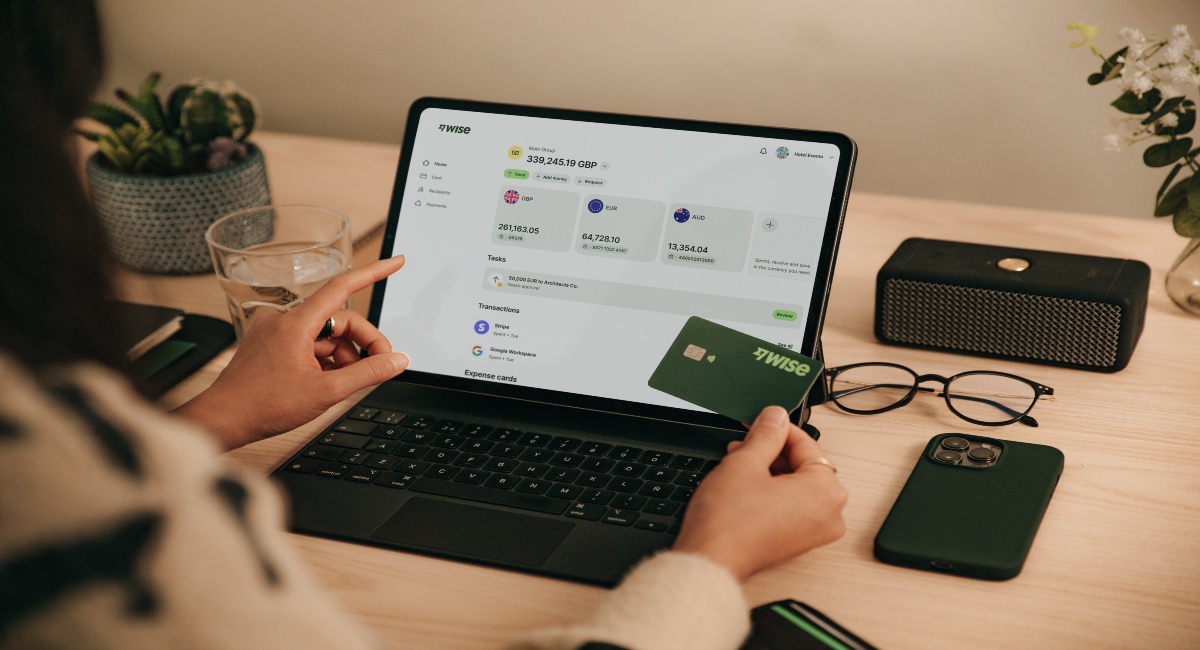
IPO investments often involve currency conversions. UK investors buying shares on foreign exchanges may face exchange rate risk between trade and settlement. Employees at US-listed companies receiving stock sale proceeds in USD may need to convert to GBP eventually. You can sign up to a Wise account as a personal customer here.
Are you a business going through an IPO? Wise Business can help you gain control over when and how you move funds across borders. You can hold 40+ in one account. That means keeping sale proceeds in the original currency until rates improve, then converting when it suits you. No rush to accept whatever rate applies on settlement day.
Wise Business lets you send money to 140+ at the mid-market exchange rate. Wise shows you exactly what you pay. Get local account details for 8+ to receive dividends or sale proceeds without international transfer fees eating into your return (only with Wise Business Advanced). Also,everything connects to your accounting software, so you can track multi-currency transactions automatically from one dashboard instead of juggling multiple bank accounts.
*Disclaimer: The UK Wise Business pricing structure is changing with effect from 26/11/2025 date. Receiving money, direct debits and getting paid features are not available with the Essential Plan which you can open for free. Pay a one-time set up fee of £50 to unlock Advanced features including account details to receive payments in 22+ currencies or 8+ currencies for non-swift payments. You’ll also get access to our invoice generating tool, payment links, QuickPay QR codes and the ability to set up direct debits all within one account. Please check our website for the latest pricing information.
It usually drops. How much depends on whether the stock went up or down since the IPO. Big gains mean heavier insider selling. The price often starts falling a few days early as traders position ahead of the date.
Yes. Lockups are contracts, not legal requirements. Companies negotiate early releases tied to performance targets, like the stock staying above a certain price for 10 straight days. Some allow partial releases where insiders can sell some of their shares if conditions are met. The terms show up in the IPO prospectus.
It depends on your employment agreement and whether you were terminated for cause. Most lockup agreements stay in effect even after you leave, so you'll still need to wait until the expiration date to sell.
Sources used
Sources last checked: 19/12/2025
*Please see terms of use and product availability for your region or visit Wise fees and pricing for the most up to date pricing and fee information.
This publication is provided for general information purposes and does not constitute legal, tax or other professional advice from Wise Payments Limited or its subsidiaries and its affiliates, and it is not intended as a substitute for obtaining advice from a financial advisor or any other professional.
We make no representations, warranties or guarantees, whether expressed or implied, that the content in the publication is accurate, complete or up to date.

A comprehensive guide to employee relocation, including how relocation packages work, UK costs, tax considerations and best practices for staff support.

Learn a few quick tips to improve and maintain accounting accuracy, from choosing the right software, managing FX and more.

Learn how to structure and manage relocation packages, including costs, policies, implementation steps and global considerations for employers in the UK.

An essential guide to sending bulk payments internationally as a UK business, including best providers, fees, and steps to send your first bulk transfer.
Learn how invoicing management works, how to optimise it, and how Wise Business can help you streamline international payments.

Learn what the payment approval process is. And, top tips to streamline it to maximise efficiency and reduce errors.