Guide to relocation packages for employers
Learn how to structure and manage relocation packages, including costs, policies, implementation steps and global considerations for employers in the UK.


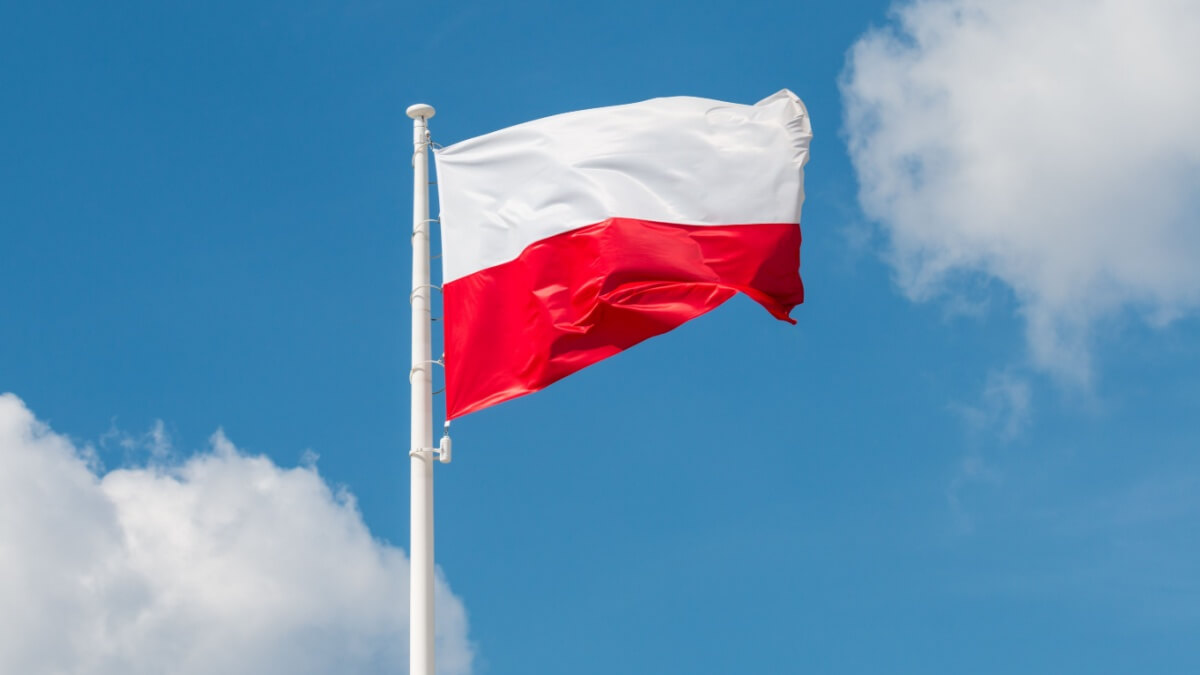
If your UK business is eyeing the EU, Poland can feel like the practical choice that still has room for big ambition. It offers stable economic growth, easy routes into neighbouring markets, and a talent pipeline that suits everything from product teams to operations centres.
This guide covers the Poland market from a UK perspective, including opportunities, challenges, best locations to do business in, and the business culture you’ll want to understand before you land the first deal.
When money starts moving in multiple directions, though, the admin can get messy fast. That’s where Wise Business fits in: one place to receive, hold and pay in multiple currencies, with the mid-market exchange rate and fees shown separately before you convert or send.
Poland has become a serious European hub for business. It’s large enough to support growth without relying solely on exports, but central enough to act as a launchpad into other EU markets. When UK founders talk about expanding business in Poland, the appeal usually comes down to three things: customers, capability and controllable costs.
Here are the biggest opportunities for you to consider.
Poland offers a domestic market of around 38 million consumers and access to the EU Single Market of almost 500 million customers.1 For many UK businesses, that means you can test product-market fit locally, then scale distribution across the region without reinventing your operating model. Poland is already plugged into wider trade flows, with main export partners being Germany (27.2%), the Czech Republic (6.1%), France (6.1%) and the UK (5.2%) in 2024, highlighting how connected the economy is to established European demand.1
Location only matters if things can actually move. Poland offers a developed infrastructure, including multiple airports and major ports, plus extensive rail and road networks.
Globally, the World Bank’s Logistics Performance Index ranks Poland 26th out of 139 countries in 2023, with an overall score of 3.6.2 For ecommerce, manufacturing, or any business juggling suppliers and delivery promises, that ranking helps explain why Poland is often viewed as a reliable operations base.
Poland’s workforce is one of its most reputable advantages - it is an academic hub, with over 350 higher-education institutions, over 1.2 million students, and nearly 300,000 graduates each year.1
It also highlights a mature business services sector, with more than 1,300 centres and employment exceeding 300,000 people, around 70% of all BSS centres in CEE.1 The number of ICT specialists in the EU rose 62.2% from 2014 to 2024, signalling sustained demand and a strong ecosystem for digital roles.3
Poland’s corporate tax is commonly 19%, but smaller taxpayers and new businesses may qualify for 9% on income other than capital gains if they meet the EUR 2 million threshold.4
Poland’s special economic zones are also integrated into the Polish Investment Zone, making certain tax exemptions and investment support available nationwide.5
Taken together, these can improve the cost-to-scale equation for startups and SMEs that want a base in the EU with relatively low operating costs compared to Western European countries.
| 💡 Read our international expansion checklist |
|---|
Whilst Poland is attractive, it can be operationally demanding, especially for UK businesses used to less complex tax and regulatory compliance rules. If you’re weighing up the pros and cons of doing business in Poland, these are common challenges worth planning around early.
Many regulatory changes have come into force in the past year which have been designed to simplify and modernise the Polish tax and corporate compliance regimes. However, even as the changes are making their way through the system, the regulatory environment remains highly complex. This can be seen in reporting timelines, documentation standards, and regulations from VAT registration, relatively strict Anti-Money Laundering (AML) and Know Your Customer (KYC) requirements, to consumer protections.
E-invoicing became obligatory for enterprises with annual revenue exceeding PLN 200 million from 1 February 2026.5 Even if your business sits below that threshold, it’s a signal that Poland is pushing toward more structured, digital compliance, which can affect invoicing systems and customer billing expectations.
Even if your meetings run in English, paperwork often won’t. It’s crucial to note that legal documents and contracts often need to be written in Polish.
For UK companies, that can mean slower legal review cycles, added translation costs, and more back-and-forth to ensure commercial terms survive the trip between languages. This is manageable, but businesses should probably consider using a professional translation service as an on-going expense.
Employment law in Poland is governed by the Labour Code and requires contracts to be prepared in writing with specific details such as type of contract, start and end dates, terms of employment and remuneration, type of work, place of work and working hours .5 There are also labour-law and payroll-related reforms that have increased complexity in recent years such as an overhaul of the taxation system for corporations, entrepreneurs and employees, in addition to the way in which salaries are calculated .5
If you’re building a team on the ground, you’ll want local HR and payroll expertise early, plus realistic timelines for hiring, onboarding, and compliant salary calculations.
Poland uses PLN, so part of the Poland market experience will invariably be dealing with multiple currencies. If your UK entity sells in EUR, pays Polish suppliers in PLN, and reports in GBP, FX can quietly chip away at margins. A clean, repeatable approach to conversions, settlement timing and supplier payments can help avoid expensive last-minute transfers.
Using a platform like Wise Business makes it easy to manage international finances. A multi-currency account allows businesses to pay for incorporation costs, registration fees, and government taxes in local currency without paying high exchange rate fees.
💡 Learn more about Wise Business
Setting up business in Poland is usually straightforward when you follow the expected order and bring in local support early.
You’ll still want local professional legal and tax advice, but the steps below help UK businesses understand what the setup typically involves, from registration to payments: 1,5
| 💡 See our full guide to full guide to starting a business in Poland 🇵🇱 |
|---|
The best locations in Poland for business depends on what you’re building: a sales office, a tech hub, an operations centre, or a logistics base. That said, some cities consistently score highly on the things startups and scaling SMEs care about such as talent, connectivity, business environment, and investment momentum.

Warsaw is Poland’s biggest business hub and a natural choice if you need proximity to national institutions, large corporations, and international networks. In fDi’s 2025 ranking, Warsaw places in the top three among major cities, and ranks second in both Human Capital and Lifestyle and Business Friendliness, sitting just behind London in those subcategories.6
If you’re expanding business in Poland with a focus on enterprise deals, partnerships, or a regional HQ model, Warsaw can offer the best of all worlds.

Kraków is reputable for business services and skilled talent.
Krakow’s business services and technology sectors are among the fastest developing in Central Europe.7 It is a major hub for shared services centres, which is relevant if your UK business wants to scale finance operations, customer support, or IT services with multilingual capability. For startups, Kraków often feels like the best fit: strong employer brand, good talent density, and a mature services ecosystem.
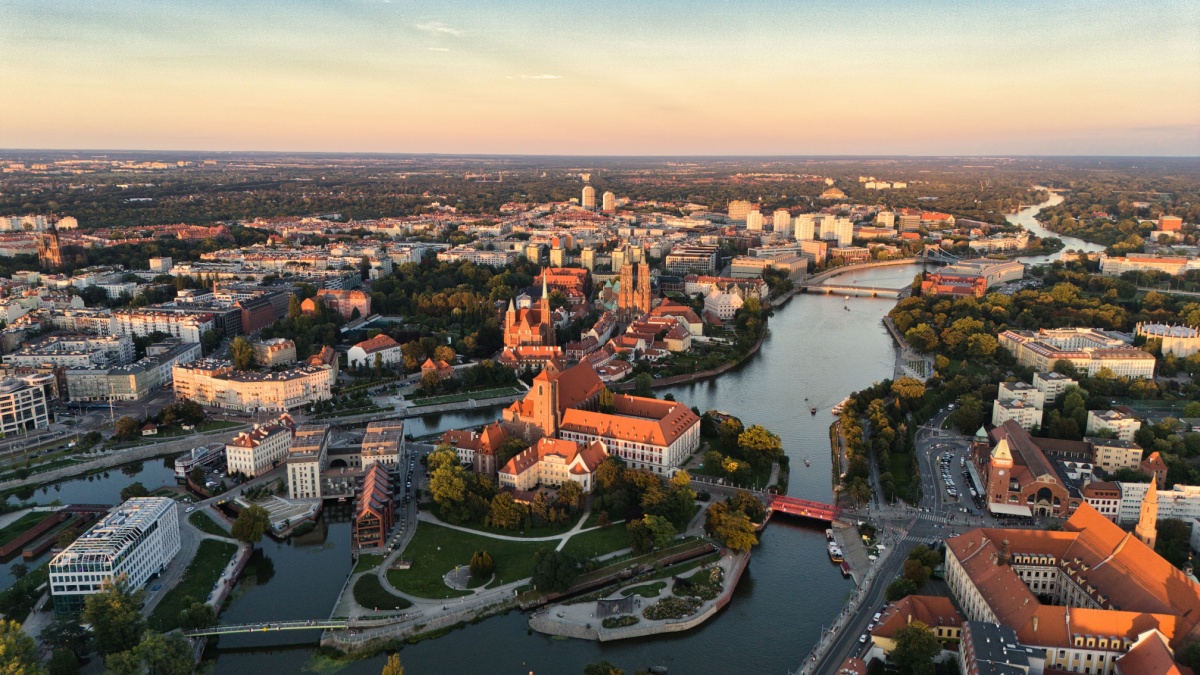
Wrocław retains its title as the winner of fDi’s European City of the Future in the mid-sized cities division. Wrocław is frequently associated with engineering and tech-led growth, and it has even gained the nickname of the Polish Silicon Valley. It attracts the second-largest capital investment among all the Polish cities.6
Wrocław can be a compelling option, especially for product development, QA, and technical operations. The city’s investment profile and competitiveness make it a strong candidate for businesses prioritising execution and hiring velocity.
Business culture in Poland often starts more formally than in the UK, then relaxes once relationships are established. Getting the etiquette right helps you move faster in negotiations, avoid unforced errors, and build credibility with partners who prefer clarity over hype.
Here are some business etiquette tips to handle business right in Poland.8
Doing business in Poland goes more smoothly when you design your processes around how the market actually works: PLN pricing, structured compliance, and relationship-building that rewards consistency.
Here are practical tips UK businesses use to reduce friction and grow faster, without overcomplicating the first six months.
If you plan to sell locally, pricing in PLN is often the simplest path for customers, but it introduces FX exposure. Define who owns FX decisions, when conversions happen, and which currency you keep reserves in. This avoids panic conversions that happen after a busy sales month, when rates are least convenient. A Wise Business account allows your business to be paid in the currencies you need.
A Poland launch often means paying suppliers in PLN while receiving revenue in GBP or EUR. The smarter move is to set up a system that lets you hold and pay in the currencies you actually use, rather than converting every invoice on arrival. That can help keep margins stable, especially for agencies, importers, and subscription businesses with predictable outgoings. 40+ currencies.
Poland’s compliance and documentation expectations reward standard templates. Build Polish-language invoice formats where needed, clarify payment terms, and keep a clean record of VAT-related details. With VAT registration and AML/KYC compliance requirements, clean documentation is a necessity.
Warsaw, Kraków and Wrocław all have strong business cases, but the best city in Poland for business depends on your needs. Run a pilot recruitment campaign before committing to a longer lease. You’ll learn salary ranges, candidate availability and time-to-hire faster than any spreadsheet can tell you.
Opening a business account is a required step in most markets, especially once you’re paying staff or suppliers and collecting revenue across borders. Wise Business can help by letting companies create local account details in 8+ currencies and hold and manage money across 40+ currencies.
This makes it easier to receive and send money like a local business and to set up quickly online, which is useful when your expansion plan moves faster than traditional banking timelines.
| 💡 You may also like: navigating risks of international expansion |
|---|
Expanding into the Poland market usually means running a mixed-currency operation from day one, from PLN supplier bills, EUR customer contracts, to GBP reporting back home. Wise Business helps UK companies keep that complexity under control without slowing growth down.

Wise shows the mid-market exchange rate and Wise’s fee separately before you convert or send, so pricing and cashflow decisions can be based on clear numbers. Businesses can also hold money in 40+ currencies and get local account details in 8+ currencies, which helps Polish payments behave more like domestic transfers and keeps collections simpler for customers.
If your next step is setting up and growing a business in Poland, Wise Business can support the whole payment process, from getting paid, to paying suppliers and managing multiple currencies in one account.
Be Smart, Get Wise
*Disclaimer: The UK Wise Business pricing structure is changing with effect from 26/11/2025 date. Receiving money, direct debits and getting paid features are not available with the Essential Plan which you can open for free. Pay a one-time set up fee of £50 to unlock Advanced features including account details to receive payments in 22+ currencies or 8+ currencies for non-swift payments. You’ll also get access to our invoice generating tool, payment links, QuickPay QR codes and the ability to set up direct debits all within one account. Please check our website for the latest pricing information.
Sources used:
Sources last check: 31-Mar-2026
*Please see terms of use and product availability for your region or visit Wise fees and pricing for the most up to date pricing and fee information.
This publication is provided for general information purposes and does not constitute legal, tax or other professional advice from Wise Payments Limited or its subsidiaries and its affiliates, and it is not intended as a substitute for obtaining advice from a financial advisor or any other professional.
We make no representations, warranties or guarantees, whether expressed or implied, that the content in the publication is accurate, complete or up to date.

Learn how to structure and manage relocation packages, including costs, policies, implementation steps and global considerations for employers in the UK.

In today’s economy, there’s one thing business owners can be certain of: uncertainty. Volatility has fundamentally changed the way businesses operate. And...

Compare Revolut GlobalHire and Papaya Global across features, pricing and payroll capabilities to find the right solution for your business.

Learn how much it can cost to outsource social media in the UK. Our guide explains average rates, pricing models, cost drivers, and more.

Startups today have never faced tougher competition. With investor expectations as sky high as valuations, nearly 20% fail because they are outcompeted and...

Learn how much it costs to start a business in Japan as a UK entrepreneur. Our guide breaks down setup fees, capital needs, and ongoing expenses.