Getting a mortgage in Poland as a foreigner: UK guide
Read our comprehensive guide to getting a mortgage in Poland from the UK, covering everything you need to know.


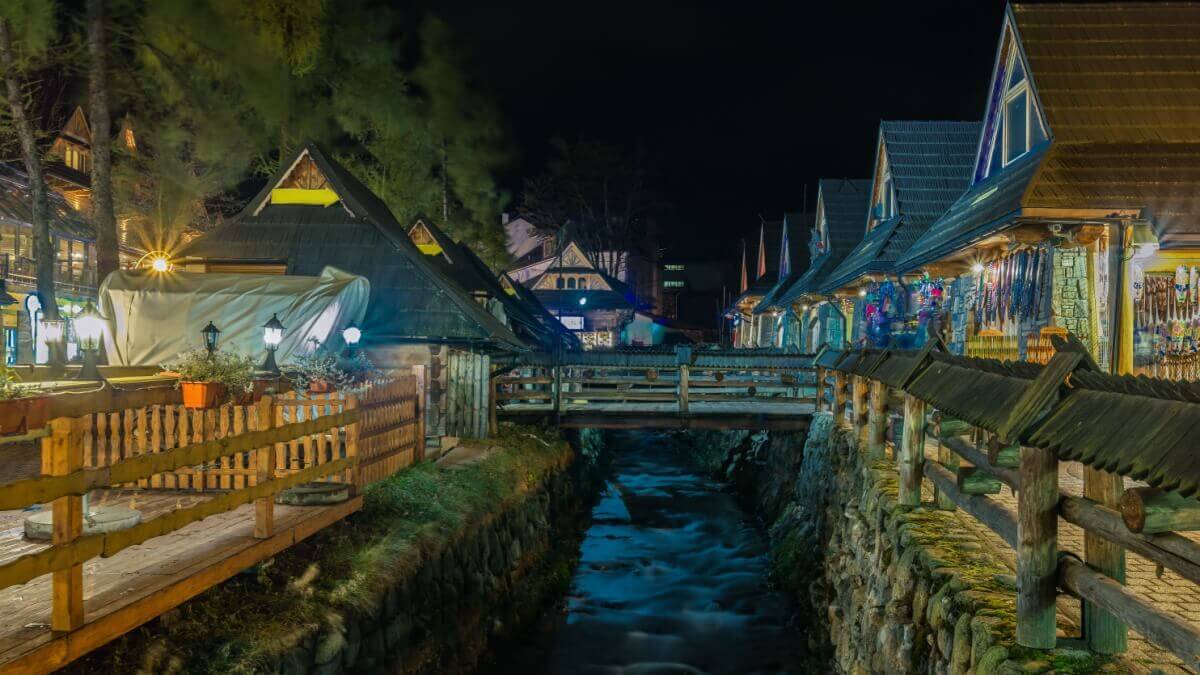
Planning a move to Poland from the UK? Perhaps you’re relocating for work or business, to study or be closer to family. You may simply be looking to spend some time in the country, and are looking for a holiday home.
Whatever your plans, we’re here to help - with a practical guide to buying property in Poland for foreigners. This includes info on the buying process, mortgages, taxes and fees, the latest Polish property prices and much more.
After reading this, you’ll know what to expect and be ready to start your property search.
We’ll also introduce a reliable and cost-effective way to send large sums internationally from the money services provider Wise. Over 14.8 million people worldwide use Wise to move £36 billion every quarter.
With low, transparent fees, great mid-market exchange rates, and secure, trackable transfers, Wise makes international money transfers simple and stress-free. Plus, you’ll get dedicated support and volume discounts when sending large amounts. On a £50,000 transfer, you could save up to £1,000 with Wise vs your bank.
Get expert support for your large transfer 📞
| Please see the terms of use and product availability for your region or visit Wise fees and pricing for the most up to date pricing and fee information. |
|---|
Yes, foreigners can buy property in Poland, but the process and requirements vary for UK citizens compared to buyers from the EU/EEA.
EU/EEA citizens can buy property just like a local, which includes both residential and commercial real estate. The process should be pretty straightforward.
But for non-EEA/EU countries like the UK (since Brexit), it’s more complicated. It’s likely that you’ll need to apply for a permit from the Polish government’s Ministry of Interior.¹
If it’s residential property you’re buying, you should find the process relatively hassle-free. You’ll need to check, but you shouldn’t need a permit if you’re buying an apartment.
But you might find it more complex if you’re buying commercial property or land (especially agricultural land). On average, getting a permit for a property with land can take between 2-4 months,¹ so you’ll need to apply early or risk holding up your property purchase.
There’s no direct route to permanent residency through investment in property in Poland.
So if you’re looking to move to Poland permanently, you’ll need to pursue another visa pathway. For example - employment, starting a business, studying or having family ties in Poland.
| 📚 Read more: Countries that offer citizenship by investment visa |
|---|
The Poland property market is in a period of rebalancing at the moment, with price growth stabilising after rapid increases in 2023 and 2024.
As of Q3 2025, average prices across the country rose just 0.11% compared to the year before. However, prices in the largest urban markets (such as Warsaw, Gdańsk, Gdynia, Kraków, Łódź, Poznań, and Wrocław) fell by 0.91% in the same period.²
Analysts are predicting a moderate upward trend for prices, as supply is constrained while demand is consistent.
If you’re looking to buy a property to rent out, it’s useful to know that the average rental yield for apartments was 6.17% in September 2025. The highest yields were found in Warsaw (7.07%).²
Poland is generally considered to be a good place to buy property abroad, but there are still some pros and cons to consider.
Pros:
Cons:
So, how much is property in Poland? This is an essential thing to know as you set your budget and start your search.
Generally speaking, Polish property prices are between 33% and 39% lower than in the UK,³ depending on whether you buy inside or outside of a city centre. It’s also much cheaper than many other Western European countries.
The average house price is around 720,000 PLN.⁴
If you're wondering where to buy a house in Poland, here are the average property prices per square metre in a few of the country’s major cities:⁵
| City | Average property price per sq.m (PLN) - city centre | Average property price per sq.m (PLN) - outside city centre |
|---|---|---|
| Warsaw | 23,291 | 14,716 |
| Gdańsk | 21,188 | 12,556 |
| Krakow | 20,838 | 13,900 |
| Wroclaw | 17,210 | 12,615 |
| Poznań | 13,580 | 9,926 |
| Szczecin | 12,559 | 8,958 |
| Lodz | 11,696 | 8,883 |
| Katowice | 11,270 | 7,742 |
Remember that if you’re arranging your property purchase from the UK, you’ll need a safe, reliable and preferably low-cost way to send over fees, deposits and other payments.
The Wise account could be a great solution, with transparent, low fees, and multiple layers of security, so you can transfer large amounts both in the UK and overseas.
➡️ See how Wise compares with other providers
Of the major cities in Poland, Szczecin, Lodz and Katowice tend to be the cheapest for property prices.
But for the lowest prices, you may want to look at smaller towns as well as rural areas of eastern Poland, such as Podkarpackie and Lubelskie.
The best place to buy property in Poland all depends on why you’re buying.
If you’re looking to live and work there, major cities like a Warsaw and Krakow
Will offer all you could want in terms of lifestyle, job opportunities, amenities and connections to the rest of Europe and the UK.
You’ll also find the highest rental yields in these cities, although the Tri-City (Gdańsk, Gdynia, Sopot) area is also considered an up-and-coming one for buy-to-let investors.
If you’re looking for a holiday home or a holiday let, you might want to consider the Tatra Mountains (for skiing and hiking) or Baltic coastal towns such as Sopot, Gdańsk and Świnoujście.
Wanting to retire abroad? Poznań is popular due to its green spaces, walkable centre and lower cost of living. But you’ll also find expat communities in most of the country’s major cities.
If you’re new to the Polish property market, it could be worth using a specialist real estate agent to help you find the right property.
They’ll have knowledge of the local market, as well as the rules and restrictions for foreign buyers. This service is likely to come with a fee, however.
You can also start the search online yourself, using one of these Polish property websites and portals:
Before buying a property in Poland, it’s important to check the following:
Now, let’s run through the steps involved in buying property in Poland as a foreigner:
Before you do anything, it’s a good idea to get your finances sorted. This means setting a budget, getting a mortgage offer (approval in principle) and getting all your paperwork together.
You’ll also need to open a Polish bank account, to facilitate easier payments later on.
Now it’s time to start searching for your dream home. You can use online property portals and/or local estate agents to find properties.
If you’ve found somewhere you like, arrange a viewing as soon as you can, and start researching the area in the meantime.
Once you’ve found your dream home, you’ll need to make a competitive offer or bid to the real estate agent or directly to the seller. You can negotiate, just like in other countries.
You might be asked for evidence of how you’ll finance the purchase at this stage, such as your mortgage agreement or a letter from your bank or lender.
While it’s not mandatory, it’s a good idea to find and appoint a property lawyer. They will help to prepare the Purchase Agreement (Umowa Sprzedaży), as well as checking over and translating all other documents and contracts.
They’ll also carry out due diligence throughout the transaction, including the all-important step of checking the legal status of the property in the Land and Mortgage Register.
To find a solicitor, start with this list of English-speaking property solicitors on the UK Government website.
If your offer is accepted, the next step is for both parties to sign the preliminary contract.
You’ll also arrange a transfer for the deposit, which is usually around 5% to 10% of the purchase price.¹
Consider using the Wise account here to convert your pounds to Polish zloty, avoiding hidden fees and getting the mid-market exchange rate.
At this stage, you might want to contact your mortgage provider to finalise the financing for your purchase.
If you need to apply for a permit to buy property in Poland as a foreign citizen, now is the time to submit the application to the Ministry of Interior.
A completion date will be set for the signing of the Purchase Agreement in the presence of a notary public, along with the transfer of the remaining balance. You’ll get the keys to your new home and your lawyer will register the sale with the land registry.
At this stage, you’ll need to transfer funds to pay the final balance and pay all taxes and fees.
Buying property in Poland typically takes:¹
Here are the main fees and taxes for buying property in Poland, which you’ll need to factor into your budget:⁶
| Fee/tax | Amount |
|---|---|
| Property transfer tax - PCC (Podatek od czynności cywilnoprawnych) | 2% - on second homes only |
| VAT (new build properties) | Usually included in the price |
| Notary fees | 0.3% to 1.2% +VAT |
| Legal fees | Around 1,500 to 6,000 PLN |
| Mortgage valuation | 500 to 1,500 PLN |
You may also need to budget for:
Once you’ve bought your Polish property and paid all those initial costs, you’ll also have some ongoing fees and taxes to cover as a property owner.
The main one is an annual property tax, which for 2026 is capped at 1.25 PLN per usable square metre.⁶
The exact rate varies by municipality, but you can expect to pay around 50 to 150 PLN a year for a typical apartment and around 200 to 500 PLN per year for a house with land.⁶
If you own an apartment, you may also pay HOA or cooperative fees (czynsz) for building maintenance and common areas. And if you rent out the property, you may be liable for personal income tax as a landlord.
Polish banks and providers do offer mortgage loans to foreigners, but the conditions, requirements and rates may differ compared to how it works for locals.
You’re likely to be asked for a valid residence permit as part of your application.¹ So, this could make it impossible to get a Polish mortgage if you’re living in the UK or another country.
Foreign buyers and non-residents also tend to face stricter lending criteria, and you may only be able to borrow between 50% to 80% of the total property value.¹ This means you’ll need a larger deposit.
For your best chance of getting a mortgage in Poland, try foreigner-friendly banks such as PKO Bank Polski, mBank and Santander Bank Polska.¹
One of the main things to watch out for when buying or selling property in Poland - or anywhere else in the world - are scams.
To avoid these, it’s strongly recommended to work with qualified and credible professionals such as real estate agents and solicitors.
Ideally, you should also check for membership of a professional body when working with any property experts, brokers or agents.
Other important things to remember include the following:
Before you can get the keys to your new home, you’ll have a final few tasks to check off your list.
It’s strongly recommended to take out a buildings insurance policy starting from your completion date. In fact, you might find it's a mandatory condition of your mortgage offer.
If you know when your completion date will be, it makes sense to get some essentials set up in advance of moving in.
A prime example is utilities, such as heating, power and water. Get these sorted as early as you can, and the moving process should be a little smoother.
If you’ve bought an older Polish property, you might want to make some energy efficiency improvements to it. For example, upgrading the insulation, replacing the windows or installing an efficient modern heating system.
Need a secure, convenient and low-cost way to send large sums of money internationally? Take a look at the Wise account from the money services provider Wise. It's not a bank account but offers some similar features and your money is safeguarded.
With Wise, you can send large amount transfers worldwide to 140+ countries for low, transparent fees and the mid-market exchange rates with no markup.
| Here’s an overview of the main benefits of using Wise: |
|---|
|
**Investments in funds are never guaranteed and your capital can be at risk. In the UK, Interest and Stocks are provided by Wise Assets — this is the trading name of Wise Assets UK Ltd, a subsidiary of Wise. Wise Assets UK Ltd is authorised as an investment firm and regulated by the Financial Conduct Authority (FCA). Our FCA number is 839689. We do not give investment advice, and you may be subject to pay tax. If you're not sure, seek qualified advice. You can find more information about the funds on our website.
Sources used:
Sources last checked 17-Feb-2026
*Please see terms of use and product availability for your region or visit Wise fees and pricing for the most up to date pricing and fee information.
This publication is provided for general information purposes and does not constitute legal, tax or other professional advice from Wise Payments Limited or its subsidiaries and its affiliates, and it is not intended as a substitute for obtaining advice from a financial advisor or any other professional.
We make no representations, warranties or guarantees, whether expressed or implied, that the content in the publication is accurate, complete or up to date.
Read our comprehensive guide to getting a mortgage in Poland from the UK, covering everything you need to know.
Discover everything you need to know about inheritance tax in Poland. Our comprehensive guide covers the rates, who pays, how to calculate, and much more.

Everything you need to know about moving to Poland from the UK. Read about visas, popular expat destinations, healthcare and more.
The government of Poland has opened its borders to refugees arriving from the ongoing war in Ukraine. So anyone who is escaping from Ukraine and reaches the...
Poland, as well as other EU member states on the border with Ukraine, opened on February 24, 2022 to receive refugees. The Government of Poland, state...
A complete guide to selling your property in Poland, including the process, fees, taxes and more.