
Is there stamp duty in Ireland? Guide for Brits
Complete guide to stamp duty in Ireland for British buyers. Check current rates, the 15% surcharge, new build VAT rules, and when the tax is due.


Disclaimer: The information in this article is for reference purposes only. All information on this page should not be considered financial or tax advice. All tax saving strategies or decisions should be made after thorough research and consultation with a qualified financial advisor.
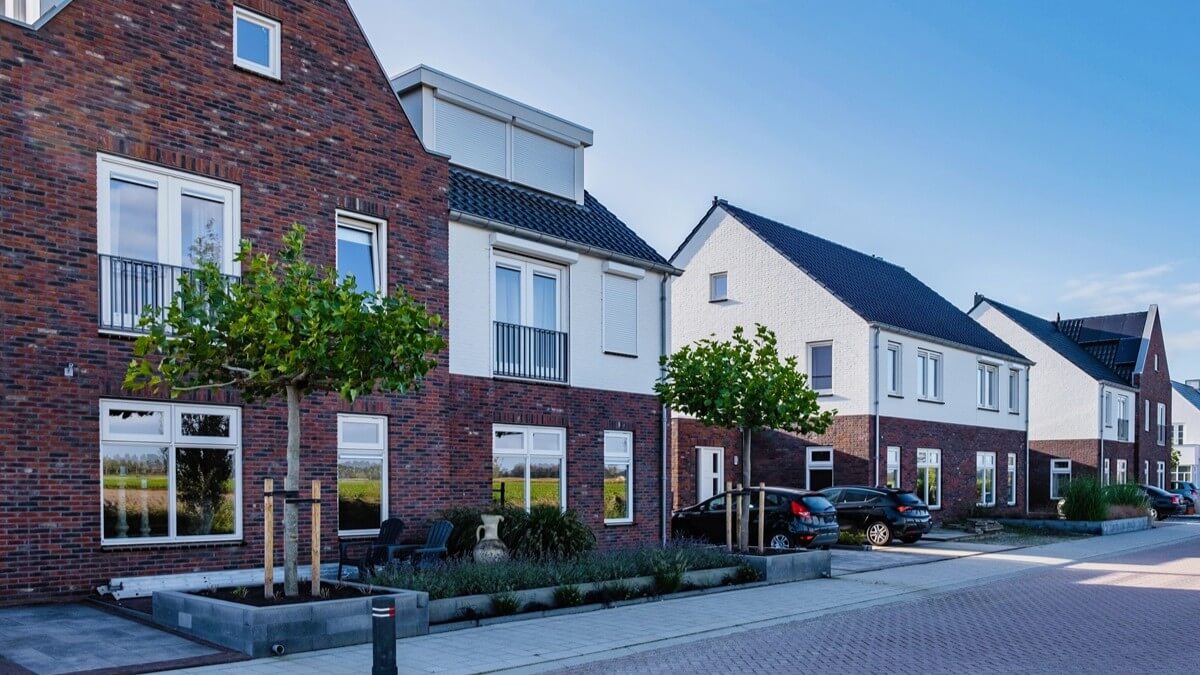
If you're eyeing a move across the Channel, you're likely thinking about housing. Whether you're chasing a career opportunity with a Dutch company or simply seeking a change of scenery, moving to the Netherlands could be a great option. If you’re buying a new build house in the Netherlands you’ll need to navigate the unique Dutch bidding systems and construction timelines.
While they lack the character and reliability of established housing stocks, buying a new build home might be a good option as they are ideal for investors or those looking to adapt their home to their lifestyle choices. These houses come with many benefits, including energy efficiency, modern design standards and low maintenance costs in both the short and long-term.
In the Netherlands, the housing market is absolutely booming, with prices continuing to surge. Although that momentum is slowing due to secondary homes entering the market, it’s high demand that ensures it remains an active space.1
If you are considering an international move, consider setting up a Wise account. With low transparent fees* and mid-market exchange rates, Wise offers a reliable and alternative way to safely move money abroad.
With trackable transfers, Wise makes international money transfers simple and stress-free. Plus, you’ll get dedicated support and volume discounts when sending large amounts. On a £50,000 transfer, you could save up to £1,000 with Wise vs your bank.
Get expert support for your large transfer 📞
| Please see the terms of use and product availability for your region or visit Wise fees and pricing for the most up to date pricing and fee information. |
|---|
Buying a new build home is a very specific choice for a certain type of buyer. Before deciding on your new home, you need to put together a list of criteria that summarises what you are looking for. New build homes may tick many of those boxes.
The number of new build homes in the market in the Netherlands is reason enough for this move to be a viable option. The domestic government has plans in place to build 100,000 new built properties in each calendar year. And in 2025, there were 80,000 new build homes added to the market.2 With construction continuing, new stock means there are new opportunities.
Asides from availability there are other good reasons for choosing a new build home. They are often more energy efficient, ensuring that you are saving the planet and your wallet. They enjoy modern design bonuses too, ensuring that the property is an appropriate long-term investment.
These houses might not quite boast the character of traditional homes, especially if you’re looking for something in the classic Dutch style. Those classic-build homes may be in a better location too, having had years to build up a surrounding community.
However, new build homes offer a chance to be a part of the building process, allowing you to tailor a house to your needs. Regardless of the pros and cons, if you are looking to buy a property abroad, it’s important to consider what is the right move for you. And a new build home may fit perfectly into your lifestyle plans.
You might have made your decision to buy a new build home in the Netherlands already. But doing this means you’ll need to learn to navigate an international market. To fully understand the process and the costs involved, it’s vital to look at the potential purchase prices and any “hidden” fees that are not included within that.
It’s also useful to understand if there is any help you can access via grants or incentives. Often, these grants mean you may find that a move to the Netherlands is more reasonable than you initially thought.
If you are looking to make this international move, consider using Wise to transfer money overseas to buy a new property.
📚 Transfer money to buy property abroad
Just like in the UK there are three initial prices that you have to understand, before making a purchase of a house. The first is the market value. This is the value of the house in relation to the rest of the market. Then there’s the estimated guide price. This is the value of the property based on an expert’s evaluation.
Finally, there is the asking price. This is the property’s value based on what the seller is asking for. This can often be negotiated and the purchase price isn’t always the asking price.
However, when it comes to new build homes, the seller is a slightly different entity. There may be less room to negotiate on this asking price here, especially with fierce competition across the market.
The final purchase price will likely reflect the negotiated amount the seller is willing to accept. It will also include any additional elements that the contract accounts for. The average housing price for the Netherlands currently is €480,000 to over €500,000.
That may include the land around the property, any fixtures and outbuildings and anything else that comes with the home, such as a parking spot. The purchase price doesn’t always include taxes and so you will need to explore the necessary payments that must be made to local and national governments.
There will also be “hidden” fees that you will need to adjust for though, that are not covered by tax regulation and are not included in the purchase price and sales contract. These fees are those involved with the house buying process that you may have overlooked.
Moving house is a classic example. The cost of moving, flying your family and your belongings to the Netherlands and any transportation needed, will not be included in the purchase price. Similarly, any required Visas will also need to be paid separately. Options include skilled worker Visas, variations that cover family and partners, and self-employment Visas.
You will also need to cover any legal fees. Those include fees for the legal team working on the case, alongside an evaluation of the property itself. You may also want to consider translation fees, to ensure that the necessary documentation is also in English.
Finally, there will be additional conversion fees on transferring your cash internationally. As on top of paying the deposit, you may need to pay for vendors and other local businesses. This is because some banks and providers hide their fees in the exchange rate they offer, meaning even if their currency conversion fee is low or “free”, you may still be paying more. Consider using Wise to benefit from the mid-market exchange rate to counter those fees.


Governments around the world offer grants and incentives, to help first-time buyers onto the housing ladder. The Netherlands offers some of these same schemes. However, it is important to note that these incentives are sometimes only available to Dutch citizens. It is critical to explore which options apply to UK residents.
The Netherlands does offer a first-time buyer exemption scheme, which is open to anyone between the ages of 18 and 35. Normally, the residential transfer tax is 2% for a property you will live in. However, if you are in the 18 to 35 age group and the property you are buying is less than €555.000, pay 0% on that tax.3
There is also the Vrij op naam (VON) to consider. In English, this roughly translates to ‘free on name’ or freehold. It essentially means that the 2% transfer tax will be waived on new build properties regardless of age, as you will be the first buyer. The seller, in this case a property developer, may also cover other costs like registration fees.4
Whether you’re set on your decision to buy a new build home in the Netherlands, it is helpful to learn about the actual process of buying a property there.
To help you, we'll look at the step-by-step process needed to buy a home in the Netherlands, as well as how to find the right land to develop, how to select the correct developer or builder and an overview of the construction timeline.
To buy a new build home in the Netherlands, follow these steps:
To find the right spot for your new build home, location is the first thing that should be on your mind. Because the local community and the facilities in that area, will have a major impact on how you live your life. Schools, medical facilities and even the shops available are practical considerations you need to make.
Get a sense of which plots of land are already being developed and what else is available in that region. Assess the environmental factors and any dangers or threats that may be associated with a location. Whether it’s high crime rates or a potential for flooding, these considerations are critical.
Most importantly, make sure to visit so you can explore the neighbourhood and assess your options first-hand. Speak with local experts to access their knowledge of the area and follow online listing sites like Funda to get a sense of the property market and what’s on offer.
Choosing where to build a new home is only part of the struggle. Deciding on a reputable developer or builder will shape the whole process. Whether you’re looking to get involved from stage one and are searching for a developer to begin work or you’re looking to buy a complete new build home, you need to trust in the people behind it.
Research local government projects and identify who worked with the authorities on major builds. Explore which developers have been involved in a wide range of properties in the area you’re looking to move to. Speak with Dutch property experts if you can and ask for recommendations.
Regardless of your choice, ensure that the builders you work with have all their paperwork in order and are registered in the correct places.
The timeline of the build will look very different if you are searching for a completed new build home, as opposed to waiting on the construction of one from scratch. Typically it can take anywhere between 16 to 35 months.5
This is a long process, moving slower in urban areas and due to getting all the right permits in place. However, there is also some luck involved as the Netherlands has a lottery allocation system across the property sector, due to the high demand. Essentially, units are either allocated on a first-come first-serve basis or entirely at random.
In the Netherlands there is a construction escrow account or building account, known locally as bouwdépot. This is a bank account linked to a mortgage specifically designed to be applied to a new build construction and it pays out to the builders in stages as they complete specific parts of your house. However, the money in the account must be used within 2 years.6
A new build home in the Netherlands comes with the benefit of increased sustainability, quality building and modern design standards. Learn more about how these elements can have a positive impact on your house’s value, long-term.
In the Netherlands, it is important that a new build house complies with the local energy efficiency standards. In the Netherlands a house must receive an energy label, which measures how efficient it is. Similar to the UK, the rating system starts at G and moves up to A++++.7
The higher the rating, the more energy efficient the house is. The house will then receive a certificate which must be issued by an energy efficiency advisor. Existing buildings must also go through this process.
If you are involved with the building process from the very beginning, you may want to explore customisation options. These decisions can be based on what you may require from your living situation moving forward. It is a way to “future-proof” your home and add value.
Stronger security systems may bring additional protection, while solar panels can provide energy independence. You may also invest in greater energy efficiency with more robust insulation, ensuring that your home is more cost-effective.
You can also protect your home by ensuring that you have a warranty from the builders or developers. In the Netherlands, there is traditionally a 10-year warranty attached to a new build home, meaning that any damage due to poor construction is covered.
If you’ve made your decision to move to the Netherlands, the final decision that must be made is whether you commit to the plan of buying a new build home or decide to move forward with a house from the pre-existing housing stock instead. Both have their advantages and disadvantages.
If you’re an investor considering buying a property abroad, a new build home might be right for you. Although new build houses don’t immediately appreciate in value, in the long-term, the return on investment almost always increases.
To bring additional resale value to a property in the established housing stock, you may need to make additional changes. You can add value by renewing the property, but this will cost more. However, established housing usually has more character and has been a staple of the market for far longer than new build homes.
Buying a new build home can come with challenges that you might not be willing to face. For starters, there can be delays in the construction process, especially if you have involvement in the development from the very start.
Moving into a new build home can sometimes mean you’re moving into a construction zone, with other new properties being built around you. What’s more, the community you will live in is constantly changing. Pre-established houses have a firm community in place already.
A new build home is the right choice for those whose lifestyle it specifically benefits. Families, for instance, can move into a home knowing that they can make it their own, perhaps tailoring the build throughout the construction process.
Retirees may be able to customise a new build home for their later life needs too. Investors will see a good return on their investment long-term, making a new build home in the Netherlands a fantastic asset to utilise.
Regardless of your reasons for buying a new build home and whether you buy a new build home in the Netherlands or make the move to a house in the pre-existing housing stock, consider using Wise to transfer your money abroad to save on currency exchange fees*. With Wise you can transfer large amounts too, perfect for paying a mortgage or setting down a deposit.
After reading this guide, you should have all the essential info you need to start your new build property search in the Netherlands. This includes those crucial first steps such as finding a broker and searching online property portals, and getting your finances in order.
Need a secure, convenient and low-cost way to send a deposit or pay the final balance for your property purchase in the Netherlands? Take a look at the Wise account from the money services provider Wise. It's not a bank account but offers some similar features and your money is safeguarded.
With Wise, you can set up large amount transfers worldwide to 140+ countries for low, transparent fees* and the mid-market exchange rates with no markup.
| Here’s an overview of the main benefits of using Wise: |
|---|
|
**Investments in funds are never guaranteed and your capital can be at risk. In the UK, Interest and Stocks are provided by Wise Assets — this is the trading name of Wise Assets UK Ltd, a subsidiary of Wise. Wise Assets UK Ltd is authorised as an investment firm and regulated by the Financial Conduct Authority (FCA). Our FCA number is 839689. We do not give investment advice, and you may be subject to pay tax. If you're not sure, seek qualified advice. You can find more information about the funds on our website.
Sources used in this article:
1. Global Property Guide - Netherlands residential property analysis
2. Dutch News - tracking new home construction
3. Government of the Netherlands - real estate transfer tax rates
4. Domek - Vrij op naam info
5. NL Times - housing construction projects overview
6. ING - coverage of a building fund account
7. Business.gov.nl - energy labelling in the Netherlands
Source last checked: 24-Mar-2026
*Please see terms of use and product availability for your region or visit Wise fees and pricing for the most up to date pricing and fee information.
This publication is provided for general information purposes and does not constitute legal, tax or other professional advice from Wise Payments Limited or its subsidiaries and its affiliates, and it is not intended as a substitute for obtaining advice from a financial advisor or any other professional.
We make no representations, warranties or guarantees, whether expressed or implied, that the content in the publication is accurate, complete or up to date.

Complete guide to stamp duty in Ireland for British buyers. Check current rates, the 15% surcharge, new build VAT rules, and when the tax is due.

Read our essential guide to buying land in Spain as a UK foreigner, covering land prices, fees and taxes, land types, and where to start your search.
Read our essential guide to buying land in Thailand as a UK foreigner, covering land prices, fees and taxes, land types, and where to start your search.

Read our essential guide to buying land in Turkey as a UK foreigner, covering land prices, fees and taxes, land types, and where to start your search.

Read our guide to find out where’s the cheapest place to buy a house in the world and make the most of your property search.
Read our guide to discover the cheapest country to buy land and explore the best locations abroad.











