
Is there stamp duty in Ireland? Guide for Brits
Complete guide to stamp duty in Ireland for British buyers. Check current rates, the 15% surcharge, new build VAT rules, and when the tax is due.


Disclaimer: The information in this article is for reference purposes only. All information on this page should not be considered financial or tax advice. All tax saving strategies or decisions should be made after thorough research and consultation with a qualified financial advisor.
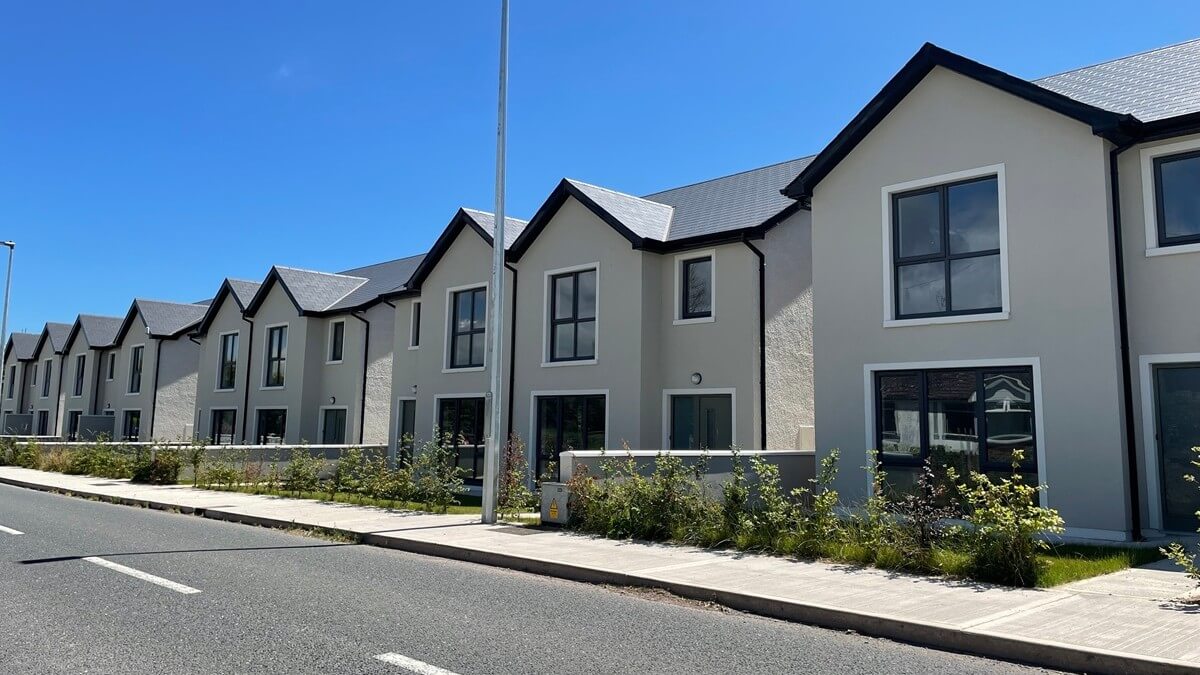
If you’re eyeing a move across the Irish Sea, you’re likely weighing up your housing options. Whether you’re chasing a career opportunity with a multinational in Dublin or simply seeking a change of scenery in the Wild Atlantic Way, moving to Ireland could be a great choice. However, if you are buying a new build house in Ireland, you’ll need to navigate the property market, specific grant schemes and evolving construction timelines.
While some feel they lack the character of period red-bricks, buying a new build home is a great option for those looking to adapt a space to their specific lifestyle. These properties offer significant modern perks, including high energy efficiency ratings, contemporary design standards and substantially lower maintenance costs in both the short and long term.
In Ireland, the housing market remains incredibly competitive, with prices continuing to climb in major hubs. Consistent high demand ensures it remains a competitive and fast-moving space for prospective buyers. Price inflation is also slowing down due to the completion of over 36,000 new build homes in 2025, a huge increase on 2024.1
If you’re looking to make that international move, consider setting up a Wise account. With low, transparent fees* and mid-market exchange rates, Wise might just be the perfect partner for moving your money abroad.
With trackable transfers, Wise makes international money transfers simple and stress-free. Plus, you’ll get dedicated support and volume discounts when sending large amounts. On a £50,000 transfer, you could save up to £1,000 with Wise vs your bank.
Get expert support for your large transfer 📞
| Please see the terms of use and product availability for your region or visit Wise fees and pricing for the most up to date pricing and fee information. |
|---|
New build homes are cost-efficient, have the benefit of modern design and could be tailored by you from the very start of construction. There are pros and cons to buying a new build home, but for some buyers, these customised properties offer everything they’ll need to start that new adventure abroad.
New build homes might not have the character of the established stock. Perhaps they don’t offer the immediate value either. But long-term they may provide an astounding return on your investment, making it a wise choice for those looking for added value on their property.
There’s a thriving Irish property market to enter, with over 36,000 new build homes recently entering the market1 but this doesn’t necessarily mean that potential buyers should shy away from the opportunities available. The increase in new build homes means that new communities will be established across the country, backed by those builds.
Older homes and houses in the established stock may have risks attached to them due to their age such as repairs or maintenance down the line. By comparison, a newly built house will likely have brand-new features. Despite this, established houses are also reliable and have been tried-and-tested over the years.
Either way, there is a lot to consider when weighing up the positives and negatives. If you are set to buy a new build home in Ireland and are therefore planning on buying a house abroad it is so critical that you understand every aspect of that process.
Buying a new build home in Ireland will naturally come with a range of costs. Those are not only the costs associated with the purchase price though. Because there are also those “hidden” fees to contend with, which can impact your budget massively.
Getting to grips with the costs of such a move also requires knowledge of the incentives and grants on offer. You may find that there is a helping hand ready to reach for, which can ease the complications of buying a new build house.
Moving to Ireland from the UK is an exciting journey to make, but this guide will give you the confidence you’ll need to make the correct purchases when the time comes.
📚 Moving to Ireland from the UK
When buying any home, whether it’s in the UK or abroad, there are costs that must be accounted for. The first is the market value of a property. This is the value at which the property is measured, in comparison to the rest of the market.
Then there’s the estimated guide price. This is the cost of the property based on an expert’s evaluation. This information is given to the seller, so that they can come up with the final figure. That last number is the asking price, or the amount the seller is willing to part with the property for.
None of these reflect the final purchase price, as buyers may still be able to negotiate the asking price to something more feasible. That may be true of the traditional housing stock, but for new build homes, there is a difference.
With a lot of competition and a limited number of new build properties available, it could well be that the asking price is the final valuation and that there is no negotiation to be had. The average price of a property in Ireland currently is €375,000.2
Once any negotiations have taken place, the buyer and seller will settle on the purchase price. This is the agreed upon amount for the property, alongside anything else mentioned in the contract. That could include additional fixtures like the land surrounding the property, a parking spot or any outbuildings.
That number does not include the local tax, which must be paid separately. In Ireland, for instance, there is the Local Property Tax to account for.
However, there are also a range of “hidden” fees that you won’t initially plan for, but could make a massive difference to your budget. For starters, there’s moving fees to pay for. That includes the cost of moving yourself, your family and your belongings.
There are legal fees to pay, with the house needing to be evaluated and the paperwork requiring an expert to oversee its completion. You will not need a Visa to stay in Ireland, but you may need additional fees to cover accommodation costs when searching for a new home.
Finally, there will be additional conversion fees on transferring your cash internationally. As on top of paying the deposit, you may need to pay for vendors and other local businesses. This is because some banks and providers hide their fees in the exchange rate they offer, meaning even if their currency conversion fee is low or “free”, you may still be paying more. Consider using Wise to benefit from the mid-market exchange rate to counter those fees.


Moving to any new country can be costly. Luckily, there are incentives and grants that can help someone make that transition. Often, these are specifically designed for first-time buyers and new build home owners may benefit from these schemes.
It is also worth noting that some grants are only available to existing residents. That’s to increase movement within the local market and ensure that international investors are not putting further pressure on a housing stock that is already in high demand.
In Ireland, there is a First-Time Buyer grant for newcomers to take advantage of. The Help to Buy Scheme is on offer for those who self-build a home or are buying a new build home. Properties must be less than €500,000. You can claim a refund of up to €30,000, or 10% of the property’s value. However, this is largely available for residents of Ireland who have paid into the tax system.3
There is also the First Home Scheme. This is an offer by which the government pays up to 30% of the cost of your new home. This can be combined with the Help to Buy scheme. This is a scheme that is available to non-residents, provided they are buying their first home.4
Making the choice to buy a new build property in Ireland is one thing. But starting the process is another entirely. It may seem complicated at first as there’s a lot to account for. That’s why we’ve listed the steps to help you on your journey.
We’ll cover the step-by-step process of buying a new home, as well as how to find the right development or plot of land, a builder for a property and how to navigate the timeline of construction.
To buy a new build home in the Netherlands, follow these steps:
If you want a more detailed breakdown of any of these stages, check out our guide on buying property in Ireland as a UK foreigner.
Just like choosing a house from the pre-existing stock, finding the right development or plot of land to build on is all about location. It’s a good idea to put together a list of criteria for what you are searching for in a home, to guide your journey.
Research the community you will be moving into and where possible visit the area beforehand to get to know if the neighbourhood is right for you and there are all the amenities you need, whether that’s shops, a school or even local employment.
It’s also important to explore any negative factors that may impact your move. Crime rates, environmental factors like flood risks and other such dangers are all worth thinking about. Understanding where new build properties are currently being placed can help with that search.
Speak with local experts to get a good idea of the property market and consult house listing sites such as Daft, to have access to the available information surrounding properties on the market and potential pricings.
Knowing who to buy a new build property from, or understanding who to partner with on the construction, will also make a massive difference in the quality of the build. To get the best results, research the local market to explore which builders and developers are involved in multiple projects.
Investigate who the local government trusts to carry out their own construction plans. It’s also a good idea to ask experts in the region, with property advisors able to present a list of options.
Whoever you choose, ensure that their licences and registrations are up to date and in line with local government demands.
Once a property developer has been chosen and the land has been selected, construction can begin. Though it is worth being mindful of potential factors that can delay that process.
On average, it can take anywhere between 9 and 18 months for a new build home to be completed in Ireland.
In Ireland, one of the earliest stages in the timeline is completing a Reservation Agreement. This is a contract that states that a buyer has registered their interest in purchasing a property and that the developer can’t sell it to anyone else during that period. Buyers typically put down a deposit.5
You may also wish to buy a property Off-Plan. That means that you have agreed to buy a property before the construction has been completed. Some may even buy before the building process has begun at all. That means you have a brand-new home that has the potential for immediate price appreciation.6
One of the major benefits of buying a new build home is its modernity and innovative design elements. A new build home will not only be of high quality but it will also be more energy efficient, meaning it is a reliable investment in the long-term. In Ireland, there is a specific focus on sustainable building now more than ever.
Energy efficiency is an area of great interest for the Irish government at this time. With an eye towards decreasing the country’s carbon footprint and its citizen’s bills, Ireland has strict policies in ensuring that a house meets the correct energy standards.
Quality builds, good insulation and an efficient heating system all go a long way to ensure a house is energy efficient. In Ireland a house must gain a Building Energy Rating Certificate, often referred to as a BER. This is the officially recognised measurement, which scores a house from A to G based on its efficiency.7
If you are involved with the building process from the very beginning, there is an option to “future-proof” your home with additional extras, tailoring it to your needs.
You might invest in a solar panel, for energy independence. You could even increase your insulation to ensure your house gains a higher energy efficiency rating. Any of the changes you make also increases the value of your home, making it a reliable investment.
To really “future-proof” your property, it is important to gain a warranty on your house. In Ireland there is the 10-year HomeBond which means a new build home is protected against construction damage and defects for a decade after it has been built.
After assessing the process of buying a new build home and breaking down the timeline and costs, let’s take a look at whether a new build home offers the right move for you.
If you are exploring the idea of investing in a property abroad, new build homes might be a good option. While they won’t immediately appreciate in value, they can provide a sustainable long-term return on your investment. Their modernity and energy efficiency, coupled with high demand in the market, makes them a valuable asset.
That said, property from established housing stock may already have an increased value and that price could continue to rise, depending on the market. Though to benefit from additional ROI, you may have to invest further in improving or refurbishing your property, which can be an expensive and lengthy process.
A new build’s resale value has plenty of room to grow, while a stock house has the potential to plateau.
Buying a property from established housing stock is carried out around the world in much the same way. However, there are additional complications when it comes to buying a new build home.
For starters, there are always opportunities for delays in the construction schedule. Accessing the right planning permission, weather-related constraints and unforeseen errors can all impact when the build might be finished.
Additionally, when you move into a new build home, you might be moving into a community that is still being built around you. Not only could your property seem as if it is in the middle of a construction zone, but the local area might not provide the facilities you need.
New build homes lack character and can still come with some risk. Those houses from the stock on the other hand are reliable and tested. They are built in existing communities and ready to move into immediately.
To truly decide on if a new build property in Ireland is right for you, you’ll need a list of criteria to analyse what you need from a new home. Families may find that the option to customise a property is particularly helpful.
Investors might enjoy the promise of a return on their investment in the medium-term. Even retirees can see the benefits that a new build home brings, with the property able to be tailored to meet their later life needs.
Regardless of your reasons for a move to a new build home, it could be a smart move to use Wise. A Wise account can be used for large transfers in other currencies, ensuring you have the funds available for those deposits or mortgage commitments to save on currency exchange fees*.
After reading this guide, you should have all the essential info you need to start your new build property search in Ireland. This includes those crucial first steps such as finding a broker and searching online property portals, and getting your finances in order.
Need a secure, convenient and low-cost way to send a deposit or pay the final balance for your property purchase in Ireland? Take a look at the Wise account from the money services provider Wise. It's not a bank account but offers some similar features and your money is safeguarded.
With Wise, you can set up large amount transfers worldwide to 140+ countries for low, transparent fees* and the mid-market exchange rates with no markup.
| Here’s an overview of the main benefits of using Wise: |
|---|
|
**Investments in funds are never guaranteed and your capital can be at risk. In the UK, Interest and Stocks are provided by Wise Assets — this is the trading name of Wise Assets UK Ltd, a subsidiary of Wise. Wise Assets UK Ltd is authorised as an investment firm and regulated by the Financial Conduct Authority (FCA). Our FCA number is 839689. We do not give investment advice, and you may be subject to pay tax. If you're not sure, seek qualified advice. You can find more information about the funds on our website.
Sources used in this article:
1. Central Statistics Office - new house completions in Ireland
2. Central Statistics Office - residential property price index
3. Citizens Information - Help to Buy Scheme
4. Citizens Information - First Home Scheme
5. Thomson Reuters Practical Law - Reservation Agreement
6. Home Owners Alliance - buying ‘off-plan’
7. Sustainable Energy Authority of Ireland - Building Energy Rating (BER)
Sources last checked: 25th Feb 2026
*Please see terms of use and product availability for your region or visit Wise fees and pricing for the most up to date pricing and fee information.
This publication is provided for general information purposes and does not constitute legal, tax or other professional advice from Wise Payments Limited or its subsidiaries and its affiliates, and it is not intended as a substitute for obtaining advice from a financial advisor or any other professional.
We make no representations, warranties or guarantees, whether expressed or implied, that the content in the publication is accurate, complete or up to date.

Complete guide to stamp duty in Ireland for British buyers. Check current rates, the 15% surcharge, new build VAT rules, and when the tax is due.

Read our essential guide to buying land in Spain as a UK foreigner, covering land prices, fees and taxes, land types, and where to start your search.
Read our essential guide to buying land in Thailand as a UK foreigner, covering land prices, fees and taxes, land types, and where to start your search.

Read our essential guide to buying land in Turkey as a UK foreigner, covering land prices, fees and taxes, land types, and where to start your search.

Read our guide to find out where’s the cheapest place to buy a house in the world and make the most of your property search.
Read our guide to discover the cheapest country to buy land and explore the best locations abroad.











