
How much is rent in Japan? Average rent by city and monthly living costs
How much is rent in Japan? See average rent in Japan by city and the cost of living in Japan per month for a single person.


Planning holidays in Japan in 2026 but not sure when peak season hits? This guide breaks down Japanese holidays and key dates with a clear 2026 Japan holidays calendar. From Golden Week Japan to New Year and Obon, we’ll share the dates, traditions, and what they mean for your trip.
Whether you’re mapping holidays to Tokyo or planning holidays to Japan across regions, you’ll learn how crowds and opening hours change, how to travel against the flow, and how to plan ahead with booking windows and checks.
You’ll also find budgeting tips for spending in JPY during busy periods, including how Wise can help you pay with transparent fees.
| Table of contents |
|---|
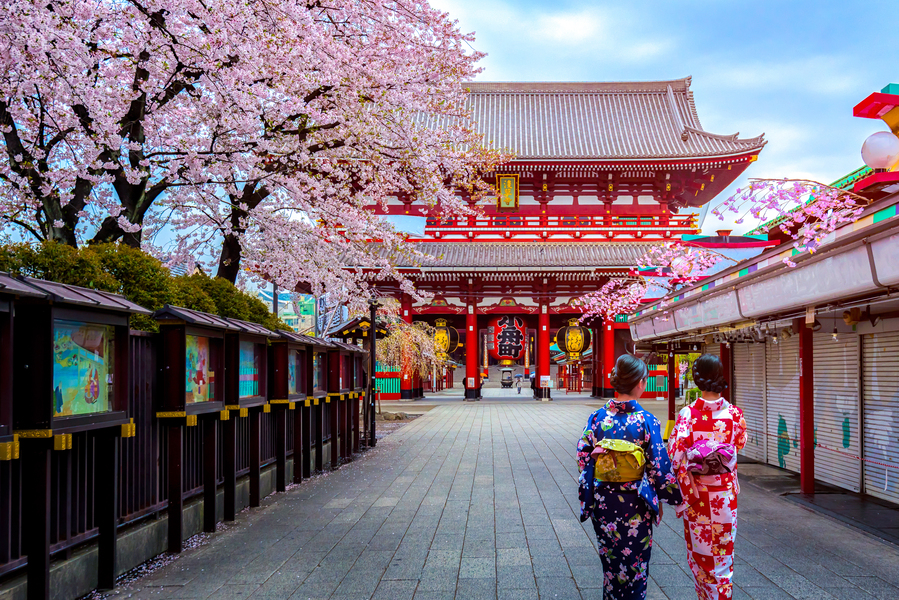
Holidays in Japan are established under Japanese government legislation, and there are currently 16 public holidays (as of October 31, 2025).¹
On top of that, there are unofficial holidays that are culturally observed.
One of them is New Year’s from December 31 to January 3 where the entire period is treated as a public holiday. Another one is Obon, a 3-day period in August or September when people usually return to their hometowns to pay respect to the deceased and honor their ancestors.
Even these unofficial holidays affect Japanese people’s lives and businesses, so it is always a good idea to know about them.

| Name of Holiday | Date | Day |
|---|---|---|
| New Year’s Day | 1 Jan | Thurs |
| New Year | 2-3 Jan | Fri-Sat |
| Coming of Age Day | 12 Jan | Mon |
| National Foundation Day | 11 Feb | Wed |
| Emperor’s Birthday | 23 Feb | Mon |
| Vernal Equinox | 20 Mar | Fri |
| Showa Day | 29 Apr | Wed |
| Constitution Memorial Day | 3 May | Sun |
| Greenery Day | 4 May | Mon |
| Children’s Day | 5 May | Tue |
| Constitution Memorial Day observed | 6 May | Wed |
| Marine Day | 20 Jul | Mon |
| Mountain Day | 11 Aug | Tue |
| Obon※1 | 13-16 Aug | Thurs-Sun |
| Respect for the Aged Day | 21 Sep | Mon |
| Bridge holiday | 22 Sep | Tue |
| Autumn Equinox Day | 23 Sep | Wed |
| Sports Day | 12 Oct | Mon |
| Culture Day | 3 Nov | Tue |
| Labor Thanksgiving Day | 23 Nov | Mon |
※1 Obon is not national holiday but many take leave during this time to visit their hometowns (As of October 16, 2025).
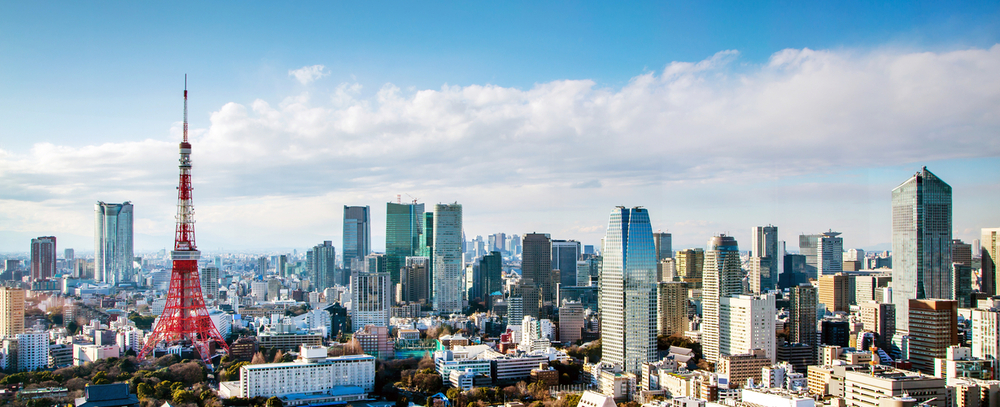
There are a few holidays in Japan that are major and involve massive migration of tourists. The article will mainly focus on the New Years holidays, Golden Week, and the Obon holidays.
Japanese New Year is January 1, however the New Year period typically begins on around December 28 and lasts until January 3 or 5. There is a custom where families clean their homes thoroughly before New Year’s Eve, called ‘Osoji or Susuharai for the purpose of purifying their living space and sweeping away the previous year’s misfortunes.
On New Years, there is a tradition called ‘Hatsumode’ which means “The first shrine visit”, where families and individuals visit a shrine or temple to pray for health and happiness of their upcoming year. Some draw ‘Omikuji’ fortune slips, and buy protective charms to prepare for their year ahead.
Those who value traditions and seek a deeper cultural experience even go to see the first sunrise of the year early in the morning, usually at scenic locations or mountaintops. This is to bring good luck and blessings from the New Year god called ‘Toshigamisama’.
At home, families and individuals receive New Year’s cards (nengajo) through post mail and read them. It’s also quite common for grandparents to give money envelopes called ‘Otoshidaba’ to their grandchildren.
Japanese families eat ‘Osechi ryori’ on the New Years day, which is a meal in tiered boxes prepared before the New Years. Each dish symbolizes wishes for prosperity, health and joy. For example, the traditional food wishing for health is ‘kuromame’ (black beans) while food wishing for fertility is ‘kazunoko’ (herring roe). Since there is a lot of food, families eat Osechi for several days.
The famous traditional food Mochi is also eaten in a soup called ‘Ozoni’, and the year-crossing soba, ‘Toshikoshi Soba’ on the New Years day and New Years Eve.
Stores usually close on the New Years, but the dates depend on each store. Some department stores are only closed on January 1st but some others may close from December 31 to January 2 or 3. Restaurants and private local shops often remain closed until January 4 or 5.
Fukubukuro, so-called “fortune bags” is a bag sealed with various merchandise and sold for a set price without knowing what is inside. Almost like a mystery box, the excitement of getting a *fukubukuro *is a traditional and yet a fun way to welcome the New Years in Japan.
Golden Week is a week in late April to early May, when several national holidays occur closely together. This week is one of the busiest holiday seasons in Japan as people take long breaks to travel and attend festivals.
Golden Week usually starts on April 29, which is the Showa Day and often ends on May 5, the Children’s Day or May 6 if there is an observed holiday. Since everyone will be making plans during this season, make reservations early—especially for airline tickets, hotels, and train or bus seatings.
There are many festivals and events that make Golden Week attractive. If you’re lucky, there can still be Hanami cherry blossom viewing or castle festivals across Japan, Hakata Dantaku Festival down south, and Koinobori Festival on Children’s Day.
Some stores may be closed during the holidays but this depends on the industry or company. For example, car dealers tend to be closed for the week and so as directly operated stores and factory shops.
As mentioned in the introduction, Obon is a 3-day holiday in August or September when families get together to pay respect to the deceased and honor their ancestors. Although Obon is not a national holiday, a lot of people usually take time off to visit their hometowns.
Obon is usually celebrated from 13 August to 16 August in Tokyo, Kyoto and Osaka, for around 3 days. However, other regions like Okinawa celebrate Obon much later with different customs and dances.
Obon is also known as a festival as families visit graves and wear *yukata *to participate in dances. The main purpose of Obon dances and parades are to send off ancestral spirits, expressing respect and gratitude.
The *bon-odori *dance is performed throughout Japan and is usually held on August 15, on the night before the ancestors return to their world, but some festivals may have *bon-odori *events held randomly during the week.
There are big Obon festivals with other dances as well, such as Awa Odori in Tokushima, held from August 12 to 15. It is famous for their vibrant and energetic street dancing and music. Kyoto has the Daimonji Gozan Okuribi Fire Festival and Okinawa has the dynamic Eisa dance that you can see though all towns and villages.

Now that you know the main holiday seasons in Japan, make sure you keep these dates in mind so you don’t miss the best time to visit Japan.
Booking your accommodations and flights in advance
Recommended timing of booking flights and accommodations are listed below. Since holidays involve many Japanese moving across the country, there may be tight availability and peak-season surcharges.
| Holiday | When to book | Typical surcharge |
|---|---|---|
| New Year | 6 months in advance | Flights: + 2-2.5 times Tour buses: + 20-30% Accommodation: + 10-30% |
| Golden Week | 3-6 months in advance | Flights: + 1.5-2.5 times Tour buses: Accommodation: + 1.5-2 times (Cities: + 20-40%) |
| Obon | 2-5 months in advance | Flights: + 20-35% Tour buses: + 20-30% Accommodation: + 10-40% |
Most stores in tourist areas and big cities remain open during major holidays since corporate workers and students have days off and they can expect many customers. However, they may have shorter operating hours, especially on New Year’s Eve. Most shops will close around 5-7 pm (January 1 is usually closed).
Family-run shops and restaurants in more rural, less touristy areas might be closed for the holidays. Even if the website or a map app might say “open” it may not be up-to-date. It’s always best to check either the official homepage or social media page of the specific store or attraction for the latest updates. Banks may close or have shorter operating hours as well.
Train stations and airports will be especially crowded at the start and end of holidays like Golden Week, Obon and New Years as people travel from Tokyo to their hometown and back.
Try to do your cross-country travel before or after those dates if you wish to avoid the crowd. The best seasons are June—right before the rainy season and during the rainy season. Accommodation and transportation congestion is low. Also, mid-January to February, and mid-September to November are also great seasons with less noise and great weather.
Add money to your Wise account from your bank, or using a card, and exchange to JPY in advance to lock in your exchange rate and fix your budget. Or simply let the card convert for you at the point of payment or withdrawal. In either case, you get the mid-market exchange rate and thelowest possible Wise fee※1.
※1 Pricing/fees: Please see Terms of Use for your region or visit Wise Fees & Pricing for the most up to date pricing and fee information
Order a Wise card to link to your account, and make some ATM withdrawals every month with the exchange rate you see on Google, low conversion fee, and no ATM fee※1+※2. You’ll get a fixed free withdrawal allowance every month before the low Wise fees begin, making this a simple and cheap way to get cash when you need it.
| Condition | Fee |
|---|---|
| First 2 withdrawals | Free |
| 3rd withdrawal onwards | 1.95 USD per withdrawal |
| Condition | Fee |
|---|---|
| First 2 withdrawals | 1.95% of withdrawal amount |
| 3rd withdrawal onwards | 1.95 USD + 1.95% of withdrawal amount |
※1 Pricing/fees: Please see Terms of Use for your region or visit Wise Fees & Pricing for the most up to date pricing and fee information
※2 Wise will not charge you for these withdrawals, but some additional charges may occur from independent ATM networks
Tap and pay in person, make Chip and PIN payments, and add your card to a wallet like Apple Pay for easy spending in Japan and countries around the world※1. Easy.
Your trip to Japan will be a memorable experience whenever you decide to go. Use this guide to plan, and get Wise today to make your money go even further during your visit to Japan.
※1 Mobile wallet support isn’t currently available for Wise cards issued in Japan at the time of writing.
Get the most out of your money with Wise!

To summarise, these are the months that are busier:
Expect to pay more for accommodation, highway buses, and flights during this peak season. Availability might run out quickly so it might be better to err on the side of caution when planning a trip for these months.
Moreover, stores in more rural areas might close for the holidays as well so it is recommended to look up their operating hours if you have a specific store you’d like to visit.
Christmas is not a national holiday in Japan, but there are people who celebrate Christmas together with their family, friends and partners.
Cities also put up Christmas decorations around town to create a festive atmosphere. Christmas shopping is also huge as there are many bargains and markets to go to.
As mentioned above, *osechi-ryori and Toshikoshi soba *are traditional meals for the New Years. Other than that, *ohagi *and odango (sweet rice cakes) are popular during the Obon holidays, both to eat and for offerings. At holiday festivals, food stalls serve Takoyaki, Yakisoba, Taiyaki, Kushiyaki, etc.
Transportation means like bullet trains, local trains and buses generally continue to operate. However, the timetables may follow the holiday or weekend times that can differ from regular weekday services, so make sure to check the correct timetable.
During New Years holidays, some local trains and buses may reduce frequency or pause their operations. To travel smoothly during these holidays, make sure to secure early reservations and plan for potential delays.
Sources:
*Please see terms of use and product availability for your region or visit Wise fees and pricing for the most up to date pricing and fee information.
This publication is provided for general information purposes and does not constitute legal, tax or other professional advice from Wise Payments Limited or its subsidiaries and its affiliates, and it is not intended as a substitute for obtaining advice from a financial advisor or any other professional.
We make no representations, warranties or guarantees, whether expressed or implied, that the content in the publication is accurate, complete or up to date.
How much is rent in Japan? See average rent in Japan by city and the cost of living in Japan per month for a single person.

Does Lebara work in Japan? Lenara data roaming plans and how to set up your phone. Alternatives such as eSIMs and rental WiFis with recommendation.
Using T-Mobile in Japan? Learn how to activate data roaming, explore eSIM and pocket WiFi alternatives, and use Wise for seamless travel payments.
Planning a trip to Japan? Explore Verizon's international plans and roaming setup. Find the best ways to stay connected using local eSIMs or SIM cards.
Can foreigners buy property in Japan? This guide explains how to buy property in Japan if you are a foreigner.

Learn how to register and change your address in Japan. Discover key terms, required documents, and when and where to go for a smooth process.











