How much is rent in Japan? Average rent by city and monthly living costs
How much is rent in Japan? See average rent in Japan by city and the cost of living in Japan per month for a single person.


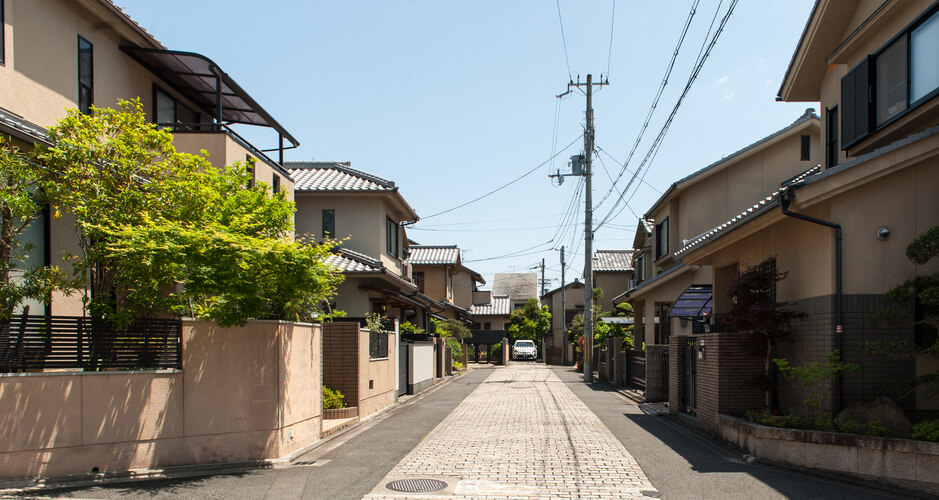
Japan’s real estate market is gaining more attention from foreigners than ever before. Its respected culture and amazing cuisine makes Japan an attractive place to consider living—or even more, buying a property!
But you may wonder, “Can foreigners buy property in Japan? If so, how?” This article will provide answers to your question with details on taxes, fees, housing prices, cautionary points. We have also prepared a list of recommended property listing sites that are in English. The convenient payment option, Wise will also be introduced in the article.
The information in this article is current as of December 18, 2025. We do not represent or warrant that this content is accurate or up-to-date. Furthermore, the contents of this article are intended for reference purposes only. If you require professional advice or opinions, please contact a financial adviser or a qualified specialist.
Below is a chart showing housing property prices by city in Japan. Average price for buying a house in the most recent two months. (As of December 18, 2025).¹
| City | City center (per m²) | Outside center (per m²) |
|---|---|---|
| Tokyo | 58.34 million JPY | 45.28 million JPY |
| Yokohama | 49.53 million JPY | 33.97 million JPY |
| Osaka | 28.24 million JPY | 18.16 million JPY |
| Nagoya | 37.61 million JPY | 31.14 million JPY |
| Sapporo | 26.52 million JPY | 18.25 million JPY |
In Japan, land and building ownership are separate. There are two different types of property ownership: Freehold Ownership* (Shoyuken) *and Leasehold Ownership (Shakuchiken).
Freehold ownership is when you have permanent rights to own both the land and the buildings. You can modify the land and buildings as well as passing the ownership to your heirs in the future.
Basically you’ll have full control of the land and buildings, ideal for investors who wish to have long-term value growth. It is worth noting that Freehold requires a higher initial cost than Leasehold.
Leasehold ownership on the other hand is when you have the right to own a building while renting the land. Oftentimes, Leasehold is seen in cities with high land value. Leaseholders can use the land for a set amount of time.
There is more flexibility and lower initial cost (usually 30% less on average) compared to Freehold ownership.
Keep in mind that you’ll need to pay taxes and fees before (or in order to) buy a property and after you’ve bought the property. In Japan, taxes on land and buildings are assessed separately.
| Type of tax and fees | What is it? |
|---|---|
| Real Estate Acquisition Tax² | One-time tax that the buyer needs to pay to local governments when purchasing real estate. Generally 4% of the property’s appraised value. |
| Registration License Tax | Tax that the buyer needs to pay when registering property ownership. For new properties, 0.4% of appraised value and for used properties, 2.0%. |
| Annual Fixed Asset Tax³ | Annual tax that property owners pay. Notification of the tax is sent to the owner as of the 1st of January every year. \ Typically 1.4% of the appraised value but more % may apply depending on location. |
| City Planning Tax³ | Tax that the owner needs to pay to allot for expenses required for city planning or land readjustment projects. Typically 0.3% assessed value of fixed assets, but it can vary depending on the municipality. |
| Consumption Tax | 10% consumption tax to the building portion of the property that the buyer needs to pay when purchasing a new property. |
| Judicial Scriveners Fees | Fees paid to a judicial scrivener who handles legal paperwork and registration of the property. Generally it costs around 10,000-50,000 JPY. |
| Stamp Duty | Fees on real estate sales contracts and other documents. The amount is set on the sale price. The higher the transaction amount, the higher the tax. |
A foreigner may be able to get a mortgage only if they have the legal right to live in Japan. It can be challenging without the permanent residency or long-term resident status.
There are requirements for foreigners who wish to receive mortgages.
When applying for loans and mortgages from a Japanese bank, the following will be observed by the bank:
Duration of your residence, ideally a minimum of 5 years in Japan under work or residence status, is a plus. In addition, your history of tax compliance without any penalties or fines will show credibility towards the Japanese economy.
Even if you don’t have permanent residency, there are alternative ways you can look into:
Here are some real estate property listing sites that are recommended for foreigners:
As a foreigner, buying a property in Japan may seem complicated with all the tax and fees along with the language barrier. It requires multiple steps and considerations in terms of risks and cautions.
Here is a step-by-step guide for your reference:
Oftentimes, there is a language barrier and limitation to English documents unless it is a global real estate company. Especially if you’re navigating the tax and fees for buying a property, you don’t want to miss out important information. Working with bilingual professionals can help you in these circumstances.
If you purchase used properties, you could expect high maintenance costs. Also depending on the region, there could be higher chances of natural disasters like flooding, typhoons, earthquakes, tsunamis, landslides etc. It is crucial to check the property’s geographical location to consider potential risks.
Keep in mind that buying real estate in Japan does not grant residency, permanent residency or citizenship to the owner. There aren't any visa programs in Japan that provide residency through property investment. You must have a valid visa or residency status to live in Japan long-term.
When purchasing real estate in Japan, you frequently need to send money overseas for down payments, balance payments, and management fee transfers.
However, if you use a typical bank for transfers to Japan, you may incur hidden fees in the exchange rate and high transfer fees, potentially losing a lot of money without realizing it.
That is why we recommend Wise.
With Wise, you can cut the exchange rate markup that banks often add and send money using the real exchange rate (the mid-market rate).
The fees are transparent, and all procedures can be completed online. It is a trusted service used by over 16 million people worldwide.
If you need to send money overseas to Japan, we recommend using Wise to cut high exchange rate markups and transfer fees.
Key takeaways
The information in this article is current as of December 18, 2025. We do not represent or warrant that this content is accurate or up-to-date. Furthermore, the contents of this article are intended for reference purposes only. If you require professional advice or opinions, please contact a financial adviser or a qualified specialist.
Sources:
*Please see terms of use and product availability for your region or visit Wise fees and pricing for the most up to date pricing and fee information.
This publication is provided for general information purposes and does not constitute legal, tax or other professional advice from Wise Payments Limited or its subsidiaries and its affiliates, and it is not intended as a substitute for obtaining advice from a financial advisor or any other professional.
We make no representations, warranties or guarantees, whether expressed or implied, that the content in the publication is accurate, complete or up to date.
How much is rent in Japan? See average rent in Japan by city and the cost of living in Japan per month for a single person.
Does Lebara work in Japan? Lenara data roaming plans and how to set up your phone. Alternatives such as eSIMs and rental WiFis with recommendation.
Using T-Mobile in Japan? Learn how to activate data roaming, explore eSIM and pocket WiFi alternatives, and use Wise for seamless travel payments.
Planning a trip to Japan? Explore Verizon's international plans and roaming setup. Find the best ways to stay connected using local eSIMs or SIM cards.
Plan holidays in Japan 2026: Japanese holidays calendar, Golden Week Japan, holidays to Tokyo tips, crowds, opening hours, and budgeting tips.

Learn how to register and change your address in Japan. Discover key terms, required documents, and when and where to go for a smooth process.