
The Best Coworking Space in Tokyo for Digital Nomads and Locals
Explore top coworking spaces in Tokyo with tips on choosing the right one. Learn about location, amenities, costs, and how to save with Wise!


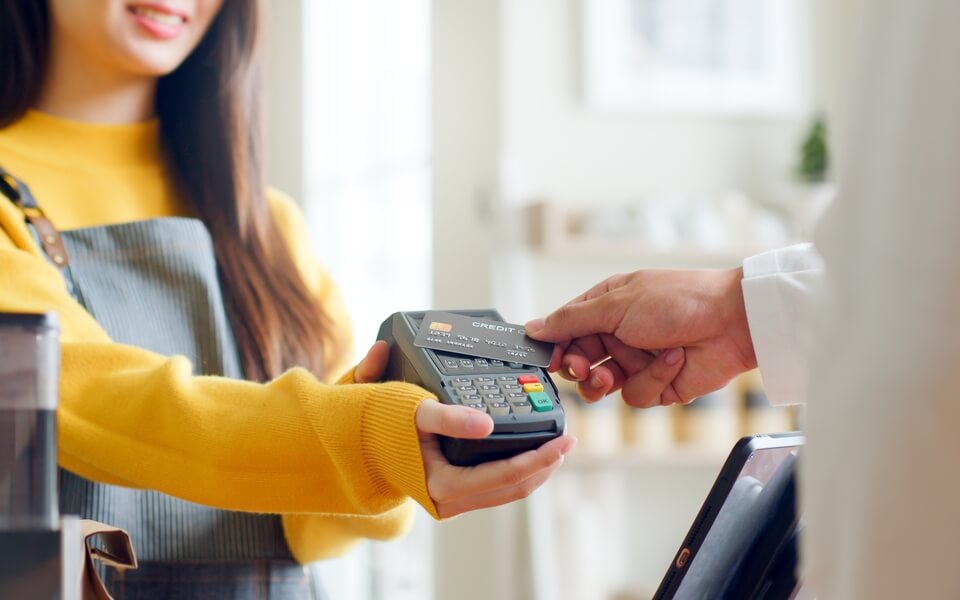
As you may have noticed, cashless payment in Japan is still not a major type of payment method. While cashless payment is popular in major cities, you’ll have a completely different experience in the rural areas where cash payment is required.
This article gives you a glimpse into cashless payment and its different payment systems and methods in Japan. A convenient payment option, Wise, is also introduced later in the article.

| Table of contents |
|---|
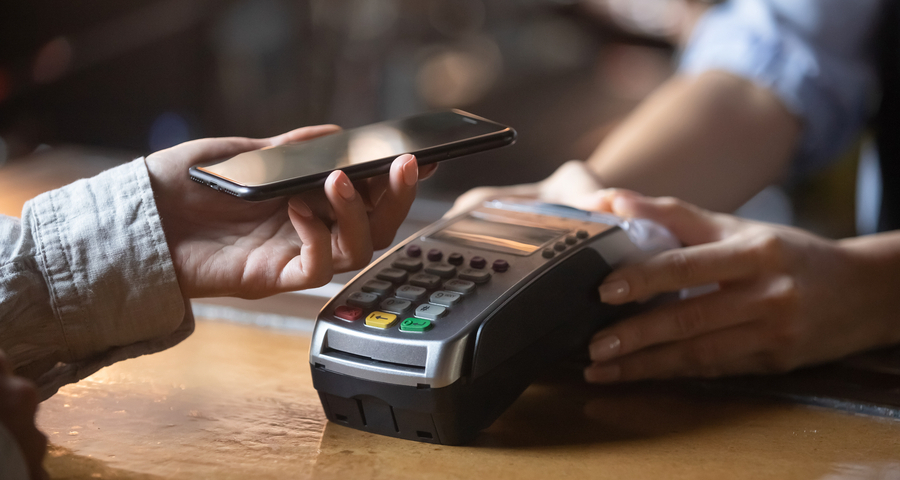
Cashless payment in Japan is still behind compared to other countries. The Payments Japan Association announced the results of the “Cashless Payment Ratio in Major Countries Around the World (2022).” South Korea had the highest cashless payment ratio at 99% followed by China at 83.5%, and Japan at 36.0%.¹
According to the Ministry of Economy, Trade and Industry, the cashless payment ratio in 2024 was 42.8% (cashless payment used by people living in Japan). Over the past two years, the ratio has gone up rapidly, and it is expected to rise in the upcoming years.

If you already own a credit card or debit card, it can be the most convenient method of payment. Credit cards account for the largest share of cashless payments in Japan at 83.5% (Roadmap2024, The Payments Japan Association).²
Payments using credit cards and debit cards are widely accepted in Japan. International cards with major brands like Visa, Mastercard, and JCB are usually accepted at major hotels, department stores, shopping centers and restaurants in urban areas.
However, note that fewer shops accept American Express and Diners Club credit cards. The best way to tell is by checking the logos displayed by the stores.
Japan also has various mobile payments such as Apple Pay, Google Pay, Alipay, etc. Your card must be linked to your smartphone to be able to pay. Mobile payments are convenient when you don’t have your wallet with you, or you prefer contactless payments without entering your PIN code.
However, be aware that some mobile payment systems or apps may not be compatible with non-Japanese models of smartphones, so the payment may not be accepted depending on your mobile phone model.
Travel IC cards such as Suica, PASMO, ICOCA, etc., are also common in Japan. Prepaid IC travel cards can be used on trains, buses, and at stores nationwide that display the IC card’s logo.
There are two types: physical IC travel cards and mobile IC, often referred to as “Mobile Suica” or “Mobile Pasmo”, that work in the same way as IC travel cards. Once you link them to their official apps, you can use them from your smartphone.
These IC cards are also available for tourists, but keep in mind that there is a limit to the period of use, and any money charged onto the card is non-refundable.
The second most popular payment method after credit cards is electronic money, including the Travel IC cards and retail electronic money.
Since retail electronic money is prepaid, users can only spend what they have loaded, which reduces the risk of overspending. Convenient for everyday small purchases.
Popular prepaid contactless payment cards in Japan:
You can easily find QR code payment methods such as PayPay, Line Pay, and Rakuten Pay.
QR code payment methods available in Japan:³
As a matter of fact, PayPay is a commonly accepted contactless payment across Japan. You may notice some stores that do not accept credit cards/debit cards but will accept PayPay.
Among QR code payment methods, PayPay holds a 65.1% share, followed by Rakuten Pay at 36% and d-Payment at 28.6% (according to the Mobile Marketing Data LABO’s survey in Jan 2025).³
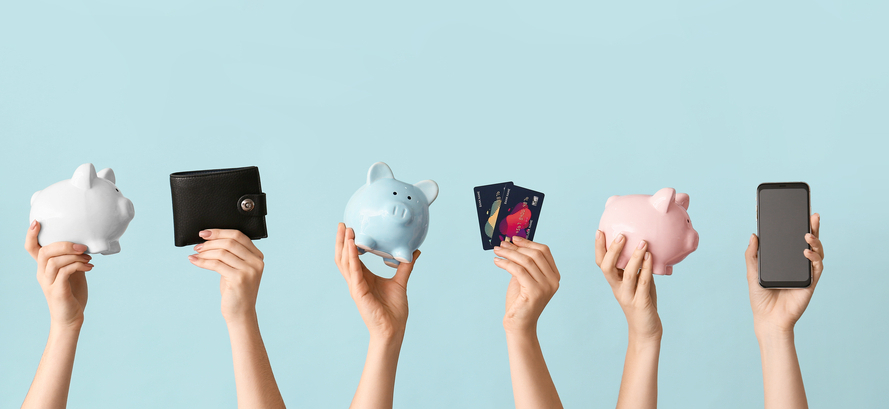
Cashless payments can make payments faster, and you wouldn’t have to figure out the cash—count the coins every time you purchase at the convenience store. Just imagine if you can complete payment with a simple tap with an IC card or scan with QR codes on your smartphone—so much more convenient!
Depending on your credit card, debit card, QR payments, or other systems, you may be offered points or cashback rewards. The points you earn can be used for future payments and you can save costs in the long run.
Using cashless payments instead of cash could save you from ATM withdrawal fees. Depending on your card, especially if you use a foreign credit/debit card, it can lead to an extra service fee that can pile up every time you withdraw cash. Local cashless payment methods could save you unnecessary costs.
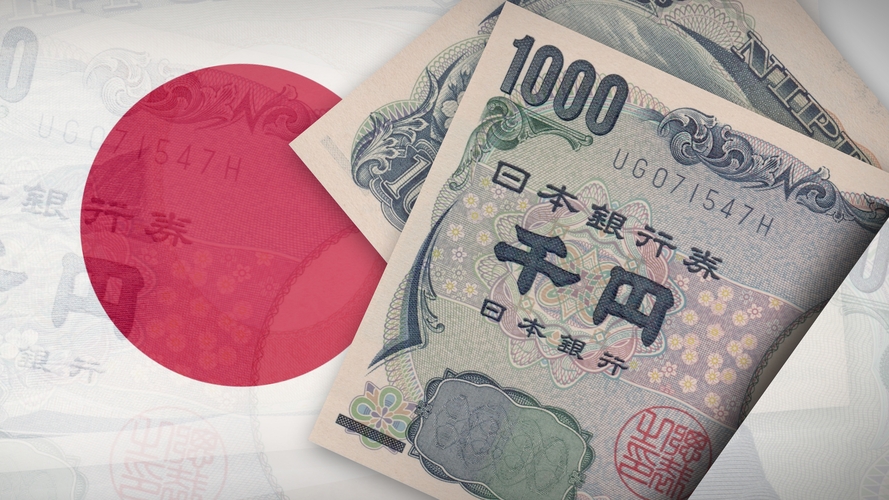
Cash-based payment is still popular in Japan. As mentioned in the beginning, more than half of the payment ratio is cash.
Particularly in the rural areas or prefectures outside of Tokyo or Osaka, cash is needed for certain occasions, including taxis, shrines and temples, public transportation, vending machines, and privately-owned local shops.
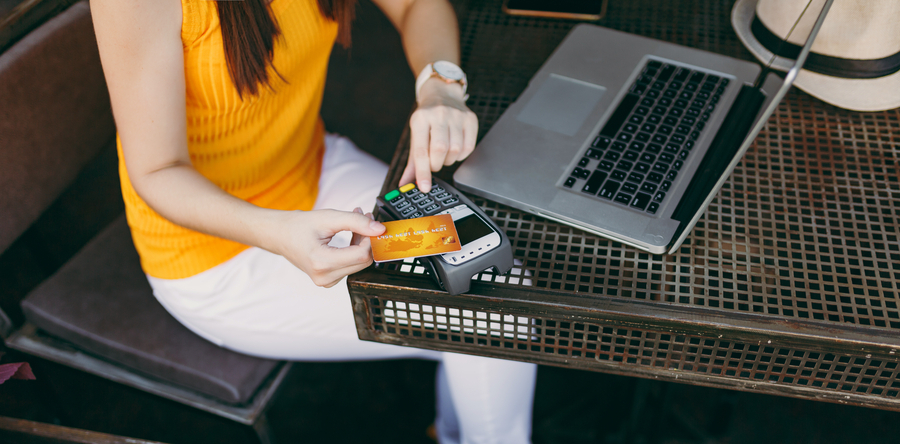
Since there may be cash-only stores or places in Japan, it is best to carry both a cashless payment and cash in Japan. Even depending on the type of transportation, like large buses or small local buses, accepted payment methods could vary.
In the cities, using local cashless payment methods will be the most beneficial, as you can keep the service fees low and earn points and cashback to use later.
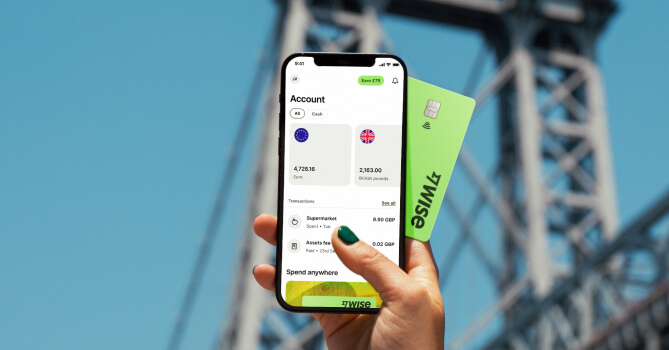
Want to make payments like a local in 150+ countries, including Japan, without worrying about exchange rates and hidden fees? The Wise card might be just the thing you’re looking for.
Wise card can be used for international payments, including accommodation costs and daily expenses. It automatically converts the currency at the mid-market exchange rate with only a small, transparent currency conversion fee*.
You can also use it to easily withdraw JPY from the ATMs in Japan.
Get your Wise card today to pay like a local in Japan!
Key takeaways about the cashless payments in Japan
Sources:
*Please see terms of use and product availability for your region or visit Wise fees and pricing for the most up to date pricing and fee information.
This publication is provided for general information purposes and does not constitute legal, tax or other professional advice from Wise Payments Limited or its subsidiaries and its affiliates, and it is not intended as a substitute for obtaining advice from a financial advisor or any other professional.
We make no representations, warranties or guarantees, whether expressed or implied, that the content in the publication is accurate, complete or up to date.

Explore top coworking spaces in Tokyo with tips on choosing the right one. Learn about location, amenities, costs, and how to save with Wise!

Explore the top coworking spaces in Kyoto with flexible passes, English support, and prime locations. Perfect for digital nomads and business travellers.

Discover Fukuoka's best coworking spaces. Compare prices, locations, and English support at 7 top remote work-friendly venues.
Compare 6 top coworking spaces in Osaka in 2025 with day passes from ¥1,100. Find English-friendly options, 24/7 access, and digital nomad plans.
Discover taxi apps in Japan for foreigners. Compare features and prices, and save on fares with your Wise card for a seamless experience.











