
International transfer blocked from France: possible solutions
What is a blocked international bank transfer? What are the causes of this problem and how can it be fixed? We'll tell you everything in this article!



Zelle is a payment system available in the United States via a mobile app. It allows bank transfers outside the Visa and Mastercard networks. But is it available in France?
If you want to send money abroad from France, consider a Wise account: transaction fees are lower than with most traditional banks, and you’ll benefit from the mid-market exchange rate on conversions. Plus, you can get a US dollar account number and 8+ other currencies.
No — Zelle can only be used within the United States.¹
Zelle itself does not charge any fees for incoming or outgoing transfers.¹
| 💡 You can get your US account number with Wise. |
|---|
There is no direct equivalent to Zelle in France. However, several solutions allow you to make account-to-account transfers in euros — often without fees.
All traditional banks in France have apps that allow account-to-account transfers.
Online SEPA transfers are generally free, but you’ll usually pay monthly account fees for your card and insurance services.
These banks also let you make transfers in branch, which can be useful if your phone or computer isn’t working. However, this option typically involves an extra fee.
Many traditional banks have launched simplified online offers. The main benefit is convenience — you can open an account or make transfers from your smartphone or tablet.
However, prices aren’t always lower than those of the parent bank, as most still charge monthly subscriptions.
SEPA account-to-account transfers are usually free.
Some of the best-known examples include Hello Bank! (BNP Paribas) and Monabanq (CIC).
Online banks provide the same services as network banks, but at lower costs since they don’t have physical branches.
SEPA transfers are typically free and can be made from a computer or smartphone via the bank’s app.
Online banks are also more flexible: you can open an account and manage services entirely from home.
Popular examples include Fortuneo and BoursoBank.
This category includes providers that are not banks but hold financial licenses allowing them to offer similar services.
Revolut and Wise are two well-known examples. They offer flexibility similar to online banks but with more competitive pricing — especially for foreign currency transfers.
Wise, for example, uses the mid-market exchange rate for conversions, helping you save on international transfers.
With a Wise account, you can make SEPA and international transfers at low fees directly from your computer or mobile.

Operators like MoneyGram or Western Union allow you to make account-to-account transfers and pay in cash or by card.
Paying in cash provides flexibility, but transaction fees can be quite high — especially when made at a physical location.
E-wallets let you hold funds online and transfer money between user accounts.
However, not all e-wallets allow direct bank-to-bank transfers. In some cases, you’ll have to send funds to another user’s wallet, who must then request a withdrawal to their bank account — which may incur fees.
Pricing structures vary widely, but wallet-to-wallet transfers are generally free.
The most popular e-wallets include PayPal, Skrill, and Neteller.
No. Zelle is only available in the United States, and the iOS app can only be downloaded from the US App Store.
Not really. Zelle is a payment system that allows direct account-to-account transfers, operating outside Visa or Mastercard networks.
There is currently no identical system in France. Free SEPA transfers are available from many banks or online providers, but they often require a subscription. Otherwise, you’ll be charged per transaction.
To send or receive money between accounts, you can use an online bank, a payment operator, or an e-wallet.
SEPA transfers are usually free with paid plans. Otherwise, expect to pay a small fixed fee per transfer. Always review the pricing carefully before choosing a provider.
Wise is one of the few payment operators that applies the mid-market exchange rate for currency conversions, helping you save on fees.
Another advantage of Wise is that the account gives you access to 8+ local account numbers. This means you can receive transfers in euros, in pounds sterling, and in US dollars (ACH) without hidden fees — just like a local.
Access to Wise is commitment-free: no subscription required, and you can enjoy competitive rates all year round.
Source:
Last verified on September 14, 2025.
This article is a translation of the original article published in French and was translated within 365 days of publication. While the content has been translated for accessibility, the data and sources referenced have not been updated since the original publication date.
*Please see terms of use and product availability for your region or visit Wise fees and pricing for the most up to date pricing and fee information.
This publication is provided for general information purposes and does not constitute legal, tax or other professional advice from Wise Payments Limited or its subsidiaries and its affiliates, and it is not intended as a substitute for obtaining advice from a financial advisor or any other professional.
We make no representations, warranties or guarantees, whether expressed or implied, that the content in the publication is accurate, complete or up to date.

What is a blocked international bank transfer? What are the causes of this problem and how can it be fixed? We'll tell you everything in this article!

Credit card or debit card? How to easily choose? Discover the differences between these two types of cards!

What is a savings account or passbook? What are its main advantages and disadvantages? Can you withdraw your money at any time?
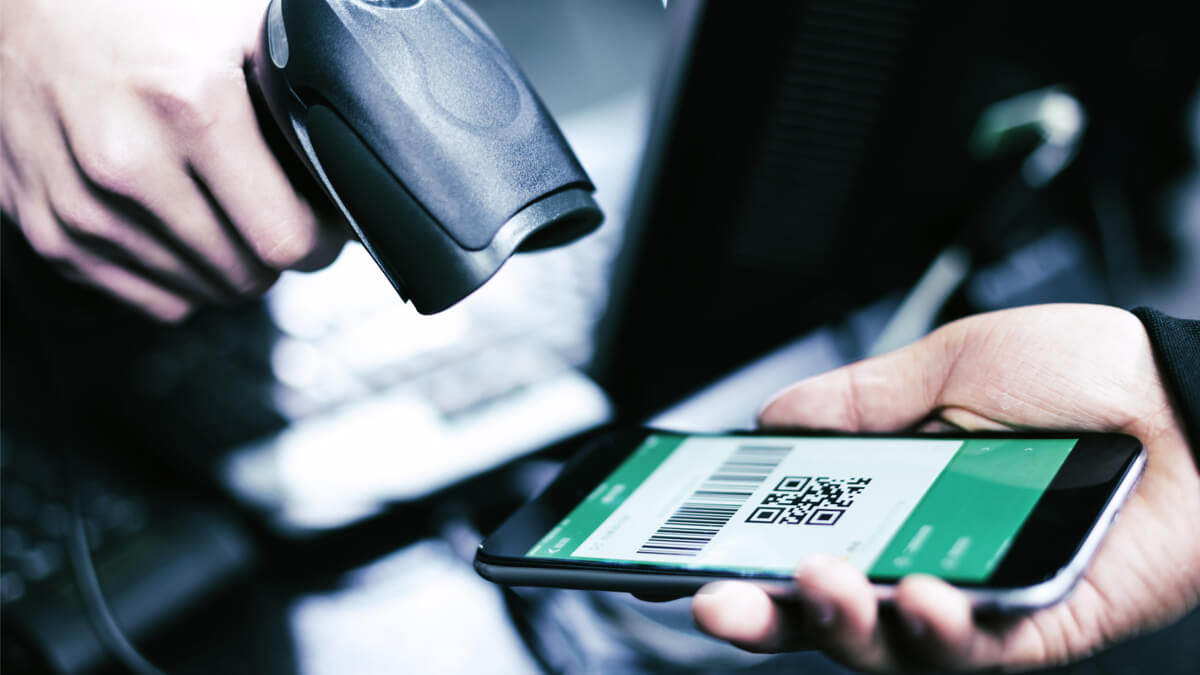
How does QR code payment work for customers and merchants? Which providers offer this type of payment in France?
How to choose your prepaid bank card? What options are available in France? We help you find the best solution.

Summary of limits applicable to Revolut cards: what are the payment, withdrawal, conversion and top-up limits?









