
Is Revolut reliable in France: everything you need to know
Is Revolut reliable? What about its security systems? What do we really know about it in terms of offers and prices? Let's discuss!


Have you spotted a coat you like on an American website? Before entering your card details, ask yourself the right questions: Is the seller trustworthy? And how much will the purchase really cost you in dollars?
For online payments in foreign currencies, traditional banks in France are rarely competitive. They often apply transaction fees plus an unfavorable exchange rate with a markup.
Neobanks and international platforms are usually better adapted to online shopping abroad. For example, Wise offers an international debit card that lets you pay in dollars at the mid-market exchange rate, without hidden markups.
Before buying from an unfamiliar site, check customer reviews. Is the seller reliable? Do they respond quickly to issues?
Avoid clicking directly on links in promotional emails if you haven’t subscribed. It could be a phishing attempt. If you’re interested in an offer, type the site’s address manually instead.
Start by looking at the URL: it should begin with “https,” where the “s” indicates “secure.” You’ll often see a padlock icon next to the address as well.
Next, verify the payment process. Many sites use “3-D Secure” (Visa or Mastercard). After entering your card details, you’ll be asked to confirm with a code sent by SMS.
If payment goes through without this step, be cautious—your bank details could be at risk.
Always confirm that the amount debited matches your purchase. Depending on your bank card, the transaction might take a few days to appear.
If you see a suspicious charge, block your card immediately and inform your bank. To request a refund, you’ll likely need to file a police report.
Each French bank applies its own fees. Some charge fixed costs per transaction, while others adjust depending on the type of card you hold. Premium cards usually mean lower fees. To know the exact costs, check your bank’s fee brochure or ask your advisor.
When paying online in dollars with your euro card, you might face:
In addition, most banks add a hidden cost by using a marked-up exchange rate instead of the mid-market exchange rate.
The mid-market rate is the midpoint between a currency’s buy and sell prices on the global market. It’s the “real” rate you’ll see on currency converters.
However, French banks rarely use this rate for customers. They usually apply a markup or, at best, use Visa/Mastercard’s own rate. The result is that you pay more for your purchase than the mid-market rate suggests.

Some banks in France offer international account options with reduced fees for payments or withdrawals abroad. These are often designed for expats, cross-border workers, or students studying overseas. Ask your bank if such options are available to you.
Virtual cards add a layer of security for online payments. For each purchase, you generate a temporary card number and security code. If compromised, they can’t be reused.
Availability and fees depend on your bank. With a Wise account, you can hold up to three virtual cards at once.
The Wise card makes paying online in dollars simple. It costs just €7 for delivery.
You can add euros to your Wise account, convert them to dollars at the mid-market rate, and then pay directly in USD.
If you already hold US dollars in your account and no conversion is needed, payments are free. Otherwise, Wise automatically converts at the mid-market rate with a small, transparent fee.
Your Wise account also lets you obtain US account details, which can be useful for receiving payments in dollars.
With Wise, paying in dollars online is as secure as with a traditional bank — but usually cheaper, thanks to fair, transparent pricing and the real mid-market exchange rate.
This article is a translation of the original article published in French and was translated within 365 days of publication. While the content has been translated for accessibility, the data and sources referenced have not been updated since the original publication date.
*Please see terms of use and product availability for your region or visit Wise fees and pricing for the most up to date pricing and fee information.
This publication is provided for general information purposes and does not constitute legal, tax or other professional advice from Wise Payments Limited or its subsidiaries and its affiliates, and it is not intended as a substitute for obtaining advice from a financial advisor or any other professional.
We make no representations, warranties or guarantees, whether expressed or implied, that the content in the publication is accurate, complete or up to date.

Is Revolut reliable? What about its security systems? What do we really know about it in terms of offers and prices? Let's discuss!
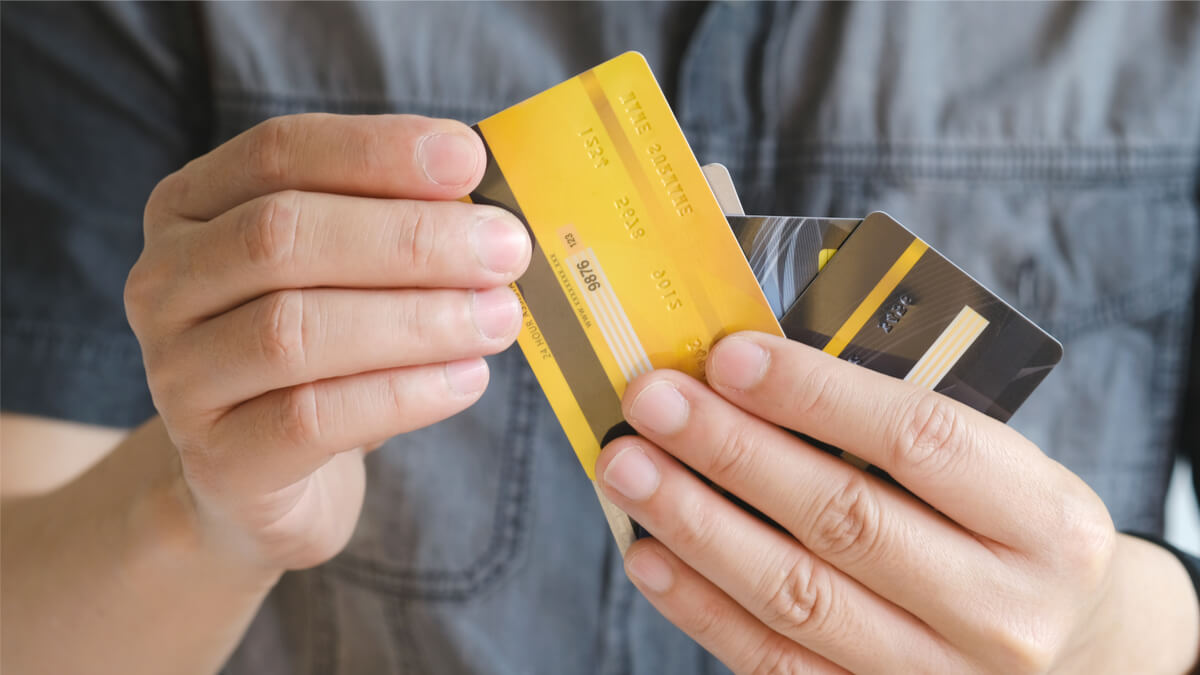
How do you pay online in a foreign currency? What are conversion fees and how can you avoid them? What precautions should you take? Let's take a closer look!

What are the spending limits for the cards offered by BNP Paribas? How can I change the payment and withdrawal limits on the app and website?

Everything you need to know about the international option offered by Société Générale: what are the different offers? How much do they cost?

How do you send money with Sendwave and to which countries? What are the fees and charges? Find out everything in this guide!

What is a commission-free currency exchange? Does it really exist? How do you choose the right currency exchange? Investigation!











