
Guide on selling a business in Australia: Tips, steps & more
Considering selling a business in Australia? From valuations to negotiating with buyers and fulfilling tax obligations, we’re covering the need-to-know info.


Only 18% of small businesses in Australia accept mobile payments1 like Apple Pay or Google Pay, even though that’s how most people pay these days.
When a customer hits “buy” and you’re still waiting for the money to show up, it’s not just annoying; it messes with your cash flow.
Let’s break down the payment options out there and how to find the ones that actually work for your business. Read on.
| Table of contents |
|---|


Payments are how small businesses stay afloat and grow. They keep money moving, cover everyday costs, and support plans. Many clients prefer to make payments through online transfers or international invoices. When these payments are delayed, it can really affect cash flow, making it tougher to pay freelancers or buy new software, etc.
For small businesses, having a smooth payment system means fewer hiccups, greater stability, and the ability to concentrate on what truly matters. Below, you'll find a list of the main payment options available to small businesses:
Credit and debit cards are the most common way Australians pay for goods and services. Credit cards let customers borrow from their card provider. Debit cards deduct money directly from a customer’s bank account. You can accept card payments through an EFTPOS terminal or an online checkout. Transactions are fast and reliable, though most providers charge a service fee of around 1% to 3%.
Contactless payments are also common in Australia. Customers tap a card, phone, or smartwatch for quick, secure transactions. QR payments are also rising, allowing customers to scan a code and pay instantly. Both methods speed up checkout and cut down on cash handling, making them ideal for cafés and mobile businesses.
PoS systems handle cards, contactless payments, and mobile wallets while tracking sales and inventory. Common options in Australia include Square, Tyro, and Shopify POS. They improve accuracy and real-time management, and when linked to international transactions, Wise can simplify settlements and currency conversion.
Online payment platforms make it easy for customers to pay right on your website or through an invoice. You’ve probably heard of PayPal, Stripe, or Wise Business; tools that work well for online stores, freelancers, and any business running on subscriptions. They keep things secure by encrypting payment information.
However, watch out for extra fees, especially if you handle a lot of payments or work with customers overseas.
Direct debit lets you automatically collect payments from a customer’s bank account once they authorise it. It’s useful for recurring payments like memberships or services, though setup costs and processing times vary by provider.
Bank transfers (including EFT, PayID, Osko, and direct debit arrangements) are widely used for B2B and high-value transactions. They are secure and traceable but can take one to three business days to clear. International bank transfers often include extra fees and longer settlement times.
The edge you would have while using Wise is that it offers local account details in several currencies, allowing faster, lower-cost international transfers.
BNPL options, such as Afterpay and Zip, let customers pay for purchases in interest-free instalments. The provider pays you upfront, minus a merchant fee. BNPL can attract customers who prefer flexible payments, but it may increase your costs. It works best for retail or online stores with higher transaction values.

Cash payments are quick and don’t come with any extra fees, so they work well for small sales. But you have to handle the money yourself and keep making deposits, or mistakes and theft can creep in. As digital payments are becoming common these days, relying just on cash can limit customer reach.
Gift cards and vouchers can really give your sales a boost, especially during holidays or major events. They’re also a good way to attract new customers. If you decide to offer gift cards, just be sure to comply with Australian regulations regarding expiry dates, fees, and the information you need to provide to your customers.
Cheques are now rare in Australia, as electronic payments are faster and easier. They require manual processing, attract fees, and typically take around three business days to clear. Cheques are mainly used by some government agencies or older customers, but are being phased out by most businesses.
Money orders instruct a financial institution or post office to pay you a specific amount. They are prepaid, so they can’t bounce due to insufficient funds, but they may still fail due to fraud concerns. Money orders are now uncommon due to the convenience of digital payment options.
Digital currencies like Bitcoin can be used to buy and sell goods or services, but their value changes rapidly compared to regular money. Businesses in Australia are not required to accept them, as they are not legal tender. They may suit businesses familiar with crypto markets, but volatility and lack of regulation make them a niche choice.
Choosing appropriate payment methods influences the money flow through a business, transaction expense per dollar, and how customers make purchases. The ideal mix is determined by business size, customer base, and operational structure.
Important points to keep in mind are:
Customer preference
Payment methods must be consistent with customers' usual way of paying. Card and mobile wallet users assume instant, smooth payments, while others may prefer classic bank transfers. Transaction completion rates and customer experience are impacted by this.
Transaction fees
All payment channels have a service fee, subscription fee, or currency exchange fee. Tracking these charges maintains margins and optimises pricing.
Payment speed
Settlement times vary by method. Real-time payments via PayID or contactless alternatives enhance cash flow, whereas card or foreign transfers can take longer. Faster payments facilitate steady cash management.
Security
Payment systems should safeguard both business and customer information through encryption and authentication. Maximum security minimizes the possibility of fraud, chargebacks, and data breaches.
Integration with systems
Payment instruments connecting to accounting or point-of-sale platforms minimize errors and manual entry. Integrated platforms simplify record-keeping and reconciliation.
International capability
Companies transacting with foreign customers require payment systems that handle numerous currencies and transparent conversions. me, enhancing efficiency for cross-border payments.
Reliability
A payment mechanism must be reliable and work even in the absence of the internet or power supply. Efficient systems minimize failed transactions and loss of revenues.
Mobility and accessibility
Businesses that are on-the-go or mobile use portable or app-based payment devices like PoS terminals and QR codes. They facilitate sales at various locations without having to invest in fixed infrastructure.
Regulatory compliance
All payments made via systems deployed in Australia have to adhere to financial and data protection regulations, such as PCI DSS for card information. Having compliance guarantees legal and safe processing of transactions.
Receiving payments from clients overseas can often feel like a waiting game. Traditional bank transfers can drag on for days, and the intermediary fees or unfavourable exchange rates can really eat into what you actually receive. For Australian freelancers, exporters, and creative agencies, these delays can disrupt cash flow and make financial planning more difficult.
Expanding a business globally opens up exciting opportunities, but also new challenges like receiving payments across borders. Hidden foreign transaction fees and hefty currency conversions involved with international payments can eat into your profits and time.
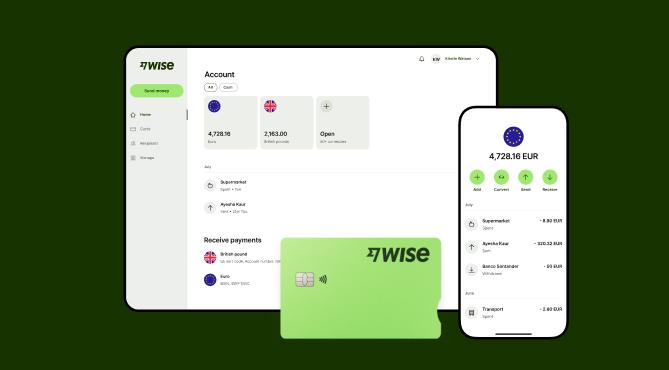
Wise Business serves as a cost-effective solution where you can receive money from around the world at the speed and price of local payments.
Transform the way you receive payments with Wise Business:
Sign up for the Wise Business account! 🚀
This general advice does not take into account your objectives, financial circumstances or needs and you should consider if it is appropriate for you.
1. What’s the cheapest way for a small business to accept payments?
It all comes down to how you run your business. If you’re taking payments locally, PayID and regular bank transfers usually cost the least. For international payments, you’ll want something with clear fees and good exchange rates—Wise Business is a solid pick for that. You’ll dodge a lot of extra charges this way.
2. How fast do you actually get your money after a sale?
It depends on how you’re paid:
If you’re dealing with international transfers, they can drag on longer, depending on the banks and which currencies you’re moving.
3. What’s a chargeback, and how do you avoid them?
A chargeback happens when a customer tells their bank they want a payment reversed, maybe they think it’s fraud, there’s a billing screw-up, or they’re just not happy with what they got. You can cut down your risk by keeping your records straight, giving clear receipts, and using secure payment systems. It’s all about being organized and upfront.
4. Do you get hit with fees for receiving international payments?
Yes, you do. Banks and payment services almost always charge you for processing those payments or converting currencies. The best way is to check the current exchange rates and compare providers before you choose, as some will take a bigger cut than others.
Sources:
*Please see terms of use and product availability for your region or visit Wise fees and pricing for the most up to date pricing and fee information.
This publication is provided for general information purposes and does not constitute legal, tax or other professional advice from Wise Payments Limited or its subsidiaries and its affiliates, and it is not intended as a substitute for obtaining advice from a financial advisor or any other professional.
We make no representations, warranties or guarantees, whether expressed or implied, that the content in the publication is accurate, complete or up to date.

Considering selling a business in Australia? From valuations to negotiating with buyers and fulfilling tax obligations, we’re covering the need-to-know info.
Searching for the best small business payment gateway in Australia? We’re comparing the top options in this explainer guide.

Compare Pty Ltd vs sole trader in Australia. Learn the key differences, tax implications, and costs, and how to choose the right structure for your business.

Learn how to secure a small business loan in Australia. Explore loan types, eligibility requirements, and a guide to preparing your application and docs.

Learn about retained earnings, the formula, balance sheet impact, and how to use accumulated profits for sustainable growth. Read here.

Learn how to calculate GST in Australia. Understand inclusive vs exclusive pricing, claim GST credits, and avoid common pitfalls to ensure business compliance.











