
Moving to Sweden from New Zealand: 2025 Relocation Guide for NZ
Planning a move to Sweden? Explore our guide to what New Zealanders need to know about relocating to Sweden from NZ.


Working overseas can be a rewarding way to grow your career, gain experience, and explore a new lifestyle. Whether you plan to take a short contract, live abroad long-term, or become a digital nomad, it helps to understand the logistics of that change.
This guide explores what New Zealanders need to know before leaving home to work overseas. We’ll investigate how to start the process, share tips for handling the move, and look at the practicalities of earning money abroad, like how to get paid and what Inland Revenue’s position is. We'll also introduce to you Wise that can help you save on international transfers with it's low, transparent fees and mid-market exchange rates.
If you want to work abroad but aren’t sure where to begin, start by looking inward. What skills and qualifications do you have that may provide you with the means to be able to work abroad? Are there any visas or programs you qualify for that would support that move?
There reality is there are many pathways to working overseas, including:
Once you have an idea of what kind of things you want to do, it’s time to think about where it’s possible to do that.
Choosing where you want to live and work is a big decision. The experience in a European city is very different from a Caribbean island, and staying in one place long-term is different to nomadically roaming around. Cost of living, language, weather, workplace culture, and even the strength of the New Zealand dollar to the local currency are all things to think about.
One fundamental fact of working abroad is you need to meet the entry and employment requirements of the places you’re going. This in itself is a big part of picking the destination; you can’t work somewhere if you’re not entitled to.
Think about all the countries that you’d like to live and work in, then take a look at what visa options are available. Some of the common types of work visa are:
- Employer sponsored work visas
- Work visa for in-demand skills
- Working holiday visas
- Digital nomad visas
You will find that each option has different conditions you need to meet, which can include an age limit, proof of funds or income, having a sponsor, and holding international health insurance.
With all the big decisions made, it’s time to start organising documents, insurance, and the logistics of settling into a new place.
Many working visas must be applied for before arriving in the country, so it’s one of the key steps in preparing for your move. Depending on the visa, you may need to apply for jobs, or prove that your existing work can support you. It’s best to read the conditions of the visa you’re applying for carefully, and make sure to follow the process correctly.
Make sure your passport is valid for the required period, and check whether you need medical certificates, background checks, or notarised documents for your visa. Some foreign employers abroad may ask for proof of qualifications, references, police checks, and identity documents, and these are much easier to organise before you leave.
While you get universal healthcare in New Zealand, that’s likely not going to be the case overseas. In fact, there are currently only two countries New Zealand has reciprocal healthcare agreements with.¹
For your health insurance needs, travel insurance might be okay, but if you’ll be working abroad for an extended period of time then international medical insurance may be the better choice. It’s also a good idea to speak to your doctor about any travel vaccines or prescription medications you need.
Research the cost and ease of housing, transport, and essentials in your destination so you can get an idea of a monthly budget, and what’s available. Some employers offer relocation assistance, while freelancers, working holiday visa holders and digital nomads may need temporary accommodation before finding a long-term option.
When you move abroad there will inevitably be things that should be wrapped up in New Zealand. This could include:²
Handling these things in advance can help make the transition to your new life that little bit easier.
Just because you’re overseas doesn’t mean your tax obligations in New Zealand automatically cease. Be aware that depending on your circumstances, you may be considered a:³
Which one you are depends on factors like how long you’re away, your ties to New Zealand, and whether you have a permanent place of residence overseas. You may still need to pay tax and file a tax return in New Zealand, even if you’re paying tax overseas.
On their website Inland Revenue provides guidance on when tax residency ends, double tax agreements, and how overseas income is treated. If you’re unsure about anything, it’s a good idea to speak with a qualified tax professional who’s familiar with the rules and regulations that impact Kiwi’s working abroad.
How you receive your income overseas depends on the type of work you do and where your employer or clients are based. Many employers can only pay into a local bank account, while remote workers and freelancers may receive payments from multiple countries in multiple currencies.
If you’re moving overseas permanently, you may be able to open a local bank account. It’s best to check the requirements early, as some banks need proof of address, proof of a valid visa or a local ID number before you can apply.
Aside from traditional banks, there are also fintech companies out there which specialise in mult-currency accounts and moving money across borders. Wise is one such provider.
The Wise account is an easy way to save up to 7x when you send, spend, and withdraw money internationally. Hold and manage 40+ currencies, including NZD, USD, EUR, and more. All you need to do is sign up for a free account to get started, there's no monthly fees either.
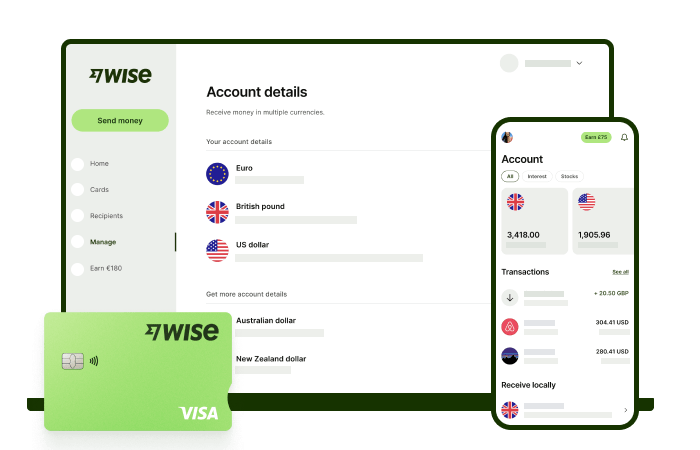
You can exchange currencies at the mid-market rate on every conversion — basically the rate you see on Google. And with zero foreign transaction fees, and low, transparent pricing, Wise usually gives you the best value for your money.
You'll get 8+ local account details in NZD and a selection of other global currencies to get paid conveniently to your Wise account. And when it's time to send money abroad, enjoy fast, low-cost transfers to 140+ countries. Plus, you can get a linked Wise debit card for spending internationally at the same great mid-market rate.
When it comes to managing money globally, the Wise account is a handy tool that makes it easier and simpler.
This general advice does not take into account your objectives, financial circumstances or needs and you should consider if it is appropriate for you. Savings claim based on our rates vs. selected New Zealand banks and other similar providers in Jan 2025. To learn more please visit https://payout-surge.live/nz/compare%3C/a%3E%3C/p%3E
Please see Terms of Use and product availability for your region or visit Wise Fees & Pricing for the most up to date pricing and fee information.
Working overseas from New Zealand is a great way to gain experience and broaden your options, but there are practicalities to keep in mind. Understanding visas, tax rules, cost of living and how you’ll get paid can make your move easier.
With the right preparation, you’ll be ready to start your new role with confidence, settling into your new home with the peace of mind that you’ve done what you can to get ready for life working aboard.
Sources:
Date: 4 December 2025
*Please see terms of use and product availability for your region or visit Wise fees and pricing for the most up to date pricing and fee information.
This publication is provided for general information purposes and does not constitute legal, tax or other professional advice from Wise Payments Limited or its subsidiaries and its affiliates, and it is not intended as a substitute for obtaining advice from a financial advisor or any other professional.
We make no representations, warranties or guarantees, whether expressed or implied, that the content in the publication is accurate, complete or up to date.
Planning a move to Sweden? Explore our guide to what New Zealanders need to know about relocating to Sweden from NZ.

Planning a move to France? Explore our guide to what New Zealanders need to know about relocating to France from NZ.

Planning a move to Japan? Explore our guide to what New Zealanders need to know about relocating to Japan from NZ.

Planning a move to Netherlands? Explore our guide to what New Zealanders need to know about relocating to Netherlands from NZ.

Planning a move to Ireland? Explore our guide to what New Zealanders need to know about relocating to Ireland from NZ.

Learn about withdrawing your KiwiSaver funds while overseas. Understand the rules and procedures for accessing your savings abroad.









