
Understanding Brazilian citizenship: how to become a Brazilian citizen
Discover the different ways to acquire Brazilian citizenship, including by descent, marriage, naturalization, and residency. Uncover the benefits and responsibi


If you're moving to Brazil for work, studying at a Brazilian university, or planning to live there for another reason, you'll likely need a local bank account. It'll help you handle transactions like rent payments, salary payments,, and paying at stores with lower fees.
However, opening a bank account in Brazil as a foreigner comes with quite a few challenges. Brazilian banks typically require residency documents that temporary visitors don't have, so there will be some paperwork you'll have to take care of.
That said, there are still a few solid banking options available for Americans. Here's everything you need to know about how to open a bank account in Brazil.
We'll also introduce the Wise account, which allows you to send, spend, and receive your money across the globe in over 40 currencies – all at the fair mid-market rate.
Yes, but the process depends on your residency status.
If you're a permanent resident with proper documentation — including a CRNM (National Migration Registry Card) and CPF (Cadastro de Pessoas Físicas, Brazil's tax ID number) — opening an account is relatively straightforward.¹
Banks will typically accept your application with these documents.
But if you're not a Brazilian resident, you'll face obstacles. Most Brazilian banks won't open standard accounts without permanent residency documents, so your application will likely be rejected.
That said, there's another route for foreigners who want to open a bank account in Brazil.
Sometimes, you may be able to open a non-resident bank account. However, these accounts may come with limitations, such as restrictions on transfers or online banking features.
Some lawyers can act as facilitators and help you get all the necessary documents, such as a CPF, to set up a non-resident account.
But overall, opening a standard bank account in Brazil is typically only possible if you're a legal resident with the proper documentation.
| 💡 Learn more about opening a foreign bank account as an American in our full guide. |
|---|
Brazil is a big country, and it has many major banking institutions. However, some are more foreigner-friendly than others, particularly when it comes to accepting non-resident applications.
Here are a few Brazilian banks that you may try as an American:
- Banco do Brasil
- Santander
- Itaú
- Bradesco
- Banco Rendimento
Each bank sets its own requirements for foreign customers, and some policies can even vary by branch.
It's worth getting in touch with multiple banks (ideally in person, but you can also try contacting them online) to compare their requirements and fees before making a decision.
The documents you'll need typically depend on whether you're applying as a resident or non-resident.
| For residents: | For non-residents: |
|---|---|
|
|
Some banks require additional documentation, so this is not an exhaustive list.
Generally speaking, you should plan to visit the bank in person and bring original documents along with copies. Most Brazilian banks don't allow foreigners to open accounts remotely, at least for standard accounts.
For a standard bank account as a legal resident, you'll almost certainly need to visit a branch in person. Brazilian banks typically need to do face-to-face verification for foreigners, even if you have all of the necessary documents.
Some banks may allow you to start the application online. However, you'll still likely need to complete the process at a physical branch. So, it wouldn't be a fully remote process that you could do from the US.
Non-resident bank accounts are a little bit more flexible, and you may be able to open one without being physically present in Brazil. If you work with a facilitator or a lawyer, they can often handle this for you remotely.
You usually won't be able to open a regular Brazilian bank account as a non-resident. Most banks require a CRNM, which you can only get with residency status.
You may be able to open a non-resident bank account — you'll still need a CPF, but you won't need a CRNM or proof of a Brazilian address.
However, these types of accounts can often have limited functionality, so ask about the features and potential restrictions before moving forward.

If you’re not living in the US — or if you simply want a more flexible account you can open from anywhere — check out Wise.
Wise isn’t a bank, but a money service business (MSB) that offers an account which allows you to hold, send and receive money. As well as getting an attached multi-currency card** — plus you’ll get some extra perks which suit anyone living an international lifestyle.
You’ll be able to hold 40+ currencies, and get local account details for up to 9 currencies including USD, to get paid easily by wire or ACH.
Wise offers linked multi-currency cards for spending and withdrawals around the world, and all currency conversion uses the mid-market exchange rate.
That means that whenever you send a payment or spend in a foreign currency your dollars are converted with the mid-market rate with low conversion fees from 0.41%*. Easy.
This way to easy
international payments
*Please see Terms of Use for your region or visit Wise Fees & Pricing for the most up to date pricing and fee information
**Wise is not a bank. The Wise Multi-Currency Card is issued by our sponsor Bank(s), member(s) FDIC. Fees and T&C apply. See https://payout-surge.live/ for details.
The first step to opening a bank account for foreigners in Brazil is researching the banks that are most likely to open an account for you. Not all Brazilian banks work with foreigners, so contact several banks, such as Santander and Itaú, to ask about their policies.
It's a good idea to collect all required paperwork before visiting the bank. This typically includes your passport, CPF, proof of address, proof of income, and CRNM.
You need a CPF (Brazilian tax ID) to open any type of bank account.
If you're a non-resident, you can hire a lawyer or a facilitator to help you obtain one legally. Sometimes, it's possible to do this remotely.
Schedule an appointment at your chosen bank branch or do a walk-in. Bring all of your documents with you, but be prepared to potentially need to come back another day with additional paperwork.
Fill out the bank's account opening forms. The staff will verify your documents and may ask questions about your income source and the reason for opening the account.
Usually, most bank employees in Brazil speak at least some English.
Most banks require an opening deposit, but the minimum amount varies depending on the bank and the type of account you're opening.
Once approved, you'll receive your account number, debit card, and online banking access. If you have any questions, the bank workers can help you get set up.
Opening a Brazilian bank account online usually isn't an option for standard accounts. Most banks will require you to come in person, especially if you're a foreigner.
That said, non-resident accounts sometimes allow online applications. Even then, you may need a lawyer or a facilitator to handle at least parts of the process on your behalf, such as helping you get a CPF.
Rendimento is one of the few banks in Brazil that offers non-resident bank accounts that you can open online. You still need a CPF number before applying, but you typically don't have to physically visit Brazil to complete the process.²

Banking fees in Brazil will depend on the bank that you choose, but you can typically expect to pay:
Monthly maintenance fees: Most banks charge a recurring fee to keep your account active, but some non-resident accounts may have fee-free options
ATM withdrawal fees: You'll pay fees when using ATMs outside your bank's network, and these charges can be higher for non-resident accounts
International transfer fees: Sending or receiving money from abroad, such as from the US, typically involves fees
Currency conversion markups: Banks add a margin on top of the exchange rate when you transfer money between currencies, such as from USD to BRL
Sometimes, you may also need to pay a one-time fee to set up your account, but it ultimately depends on the bank.
If you're a non-resident and need help opening your account, you can often hire a lawyer or facilitator to help, but that's another expense.
| Opening a Wise account is another option you can benefit from — it’s quick and simple to do it online with just a few clicks. |
|---|
Sources
*Please see terms of use and product availability for your region or visit Wise fees and pricing for the most up to date pricing and fee information.
This publication is provided for general information purposes and does not constitute legal, tax or other professional advice from Wise Payments Limited or its subsidiaries and its affiliates, and it is not intended as a substitute for obtaining advice from a financial advisor or any other professional.
We make no representations, warranties or guarantees, whether expressed or implied, that the content in the publication is accurate, complete or up to date.
Discover the different ways to acquire Brazilian citizenship, including by descent, marriage, naturalization, and residency. Uncover the benefits and responsibi

Discover what it costs to live in Brazil, from housing and groceries to healthcare and transportation. Compare the cost of living across different cities.

Find everything you need to know about moving to Brazil in this handy guide.
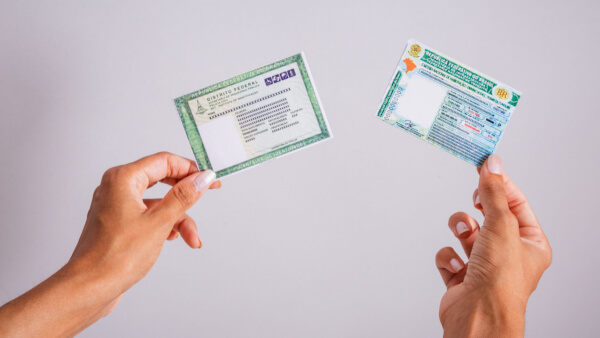
If you’re one of the many people considering a new life as an expat in Brazil, you’ll need a CPF number.

Let’s face it, Brazil isn’t known for their world class education system. Ranked #32 in the world for their schools, the South American country has faced a...

Brazil is the largest country in South America, but most of the nation’s population lives in cities. In fact, about 82 of every 100 Brazilians reside in urban...











