
Family reunification visa in Italy: Requirements for Americans
Applying for the Family Reunification Visa Italy? Learn all about the application process, costs, and processing times to reunite with loved ones.



Buying a 1-euro house is an intriguing prospect for US citizens who want to move to Italy without breaking the bank. Many local towns are enrolled in the program, but is it too good to be true?
We take a look at everything you need to know about 1-euro houses, including pros, cons, and how to buy a 1-euro house in Italy.
We'll also introduce the Wise account, which allows you to send, spend, and receive your money across the globe in over 40 currencies – all at the fair mid-market rate.
| Table of contents |
|---|
The 1-euro house program is just what it sounds like — locals and foreigners can purchase a property in Italy for the symbolic low price of 1 euro.
However, the program isn’t just about finding cheap real estate abroad. It aims to revitalize abandoned houses and boost the local economy of rural regions, particularly small towns at risk of depopulation.
Although you can purchase a beautiful historic villa for a low price, these properties need a lot of work. You’ll likely need to commit to serious renovations.¹
The program first started in Sicily in 2008. Since then, over 70 local towns have enrolled in the scheme, putting beautiful but dilapidated buildings on the market for just 1 euro.²
To buy a house for 1 euro, you’ll need to contact your local council in Italy. You may also need to provide an official declaration of interest and commitment to purchase and renovate your property.¹
Each local town will set its own obligations for buyers, so it’s important to look into any conditions before going ahead with your purchase.²
Anyone can take advantage of Italy’s 1-euro program, including US citizens. The program is particularly intriguing for foreigners who want to enjoy a new pace of life in small-town Italy.²
You can become part of a local Mediterranean community — and help to restore it to its former glory. Many Americans use the program to invest in the local economy, creating jobs and encouraging communities to thrive again.
If you want to buy a 1-euro house in Italy as a foreigner, you’ll first need to do your research. You’ll need to work with local professionals to help you navigate Italy’s complex bureaucratic processes. This includes getting the right building permits.
Italy’s planning permission rules can be restrictive, particularly when it comes to historic properties. For example, Italy’s Code of Cultural Heritage and Landscape dictates how you can alter historically or artistically important buildings.³
If you intend on staying in your home long-term, you’ll also need to get a residence permit, as purchasing property doesn’t automatically guarantee you Italian residency.²
Although buying a house for 1 euro is an exciting and unusual investment opportunity, there are some key things to consider.
You’ll need to think about how much it costs to renovate your new Italian home. Many 1-euro properties also come with strict planning permission requirements. Your exact obligations will depend on the location of your home.
Let’s take a closer look at some pros and cons of 1-euro houses in Italy. How can you make the most of Italy’s affordable property program?
| Pros | Cons |
|---|---|
| Purchasing a home for just 1 euro is a big draw for US citizens who want to build their dream home on a budget | You’ll need to pay for extensive renovations — this could cost anywhere between 20,000 EUR and 100,000 EUR, depending on the condition of your property² |
| Many of the houses are in charming locations, with the opportunity for Americans to enjoy an authentic Mediterranean way of life | You can’t typically demolish your property, as the program aims to preserve historical Italian buildings² |
| It’s a lucrative investment opportunity, as you can sell your renovated home for a profit or rent it out to tourists | You’ll still need to follow Italy’s complex legal and bureaucratic processes to complete your purchase² |
| It’s rewarding to support and revitalize a local community; many Americans use the opportunity to contribute to declining populations | The renovations you can make will depend on your local council — individual towns will set their own renovation restrictions for your purchase² |
| Once renovated, 1-euro properties can be restored to their former beauty | You’ll need to pay a deposit for your property; if you don’t complete your renovations by a set deadline, you may lose your deposit² |
A smart option if you’re sending money overseas: meet Wise.
Register a Wise account online or in the Wise app, and send money to 140+ countries, with the mid-market exchange rate and low, transparent fees.
Wise always shows you the amount you’re paying and how much your recipient will get — and you can even compare against other providers on the Wise app or desktop site.
If another service is cheaper for your particular payment, you’ll be shown — so you can’t lose.
| See how Wise compares with international bank transfers in our full guide |
|---|
Please see Terms of Use for your region or visit Wise Fees & Pricing for the most up to date pricing and fee information
If you want to buy a 1-euro house in Italy, you can choose from a range of eligible locations. Italian towns opt into the scheme, so you’ll need to contact your desired local council to get started with your purchase.
Over 70 towns in Italy have agreed to sell old or derelict houses for 1 euro, including local communities in northern Italy, southern Italy, Sicily, and Sardinia.²
Here are some potential 1-euro locations in Italy, including small towns in a range of attractive Italian regions.
| Northern Italy | Central Italy | Southern Italy | Sardinia | Sicily |
|---|---|---|---|---|
| Pignone | Casoli | Candela | Romana | Sambuca di Sicilia |
| Milan | Penne | Caprarica di Lecce | Nulvi | Salemi |
| Triora | Santo Stefano di Sessanio | Maida | Bonnanaro | Corleone¹ |
| Carrega Ligure | Montieri | Zungoli¹ | Ollolai | Mussomeli² |
| Oyace | Santi Cosma e Damiano | Acerenza² | Montresta | Castiglione di Sicilia¹ |
So, how can you buy a 1-euro house in Italy? Here’s a step-by-step guide to purchasing your Italian home:
Step 1. Select your 1-euro house and apply via the local town council. You may need to speak with the council to determine which houses are part of the program — and some properties will have an auction purchase process.
Step 2. Complete the notarial deed for your property. This is an important step in the Italian house-buying process, so you may want to consult a lawyer for support.
Step 3. Pay your security deposit. This may be as much as 10,000 EUR, and you may need to meet certain requirements to receive your deposit back.
Step 4. You’ll typically need to submit your renovation plan to the council within 12 months. Some councils may prefer local tourist projects or new families over corporate foreign investors.
Step 5. Finally, you’ll need to complete your renovation within 2 to 3 years, or the deadline set by your town.²

You’ll need a few key documents for your Italian house purchase. This includes a proposal with your desired renovations. You’ll need to set out exactly how you intend to change the building while still preserving its historical roots.
You may also need to provide an official declaration of commitment to sign the public deed of transfer of the property. You’ll need to assume responsibility for all expenses.
To buy a house in Italy as a foreigner, you’ll also need to get an Italian tax code. Known as a codice fiscale, this will ensure you pay the correct taxes for your property purchase and any expenses going forward.⁴
Italy’s 1-euro house program is a lucrative opportunity for US buyers and investors. You can purchase a beautiful and historic Italian property for a symbolic price, but you’ll need to make certain commitments.
Your home may need extensive renovations. You’ll also need to show how you can contribute to local or declining community populations. This may be a bigger and more expensive project than you first expected.
If you’re making renovations abroad, use a multi-currency account like Wise to send and spend your money like a local in over 150 countries.
With Wise, you can send secure and trackable large amount transfers to 140+ countries worldwide with transparent fees and the fair mid-market exchange rate.
Have a look at the main benefits for using Wise to send large transfers:
Sources
*Please see terms of use and product availability for your region or visit Wise fees and pricing for the most up to date pricing and fee information.
This publication is provided for general information purposes and does not constitute legal, tax or other professional advice from Wise Payments Limited or its subsidiaries and its affiliates, and it is not intended as a substitute for obtaining advice from a financial advisor or any other professional.
We make no representations, warranties or guarantees, whether expressed or implied, that the content in the publication is accurate, complete or up to date.

Applying for the Family Reunification Visa Italy? Learn all about the application process, costs, and processing times to reunite with loved ones.
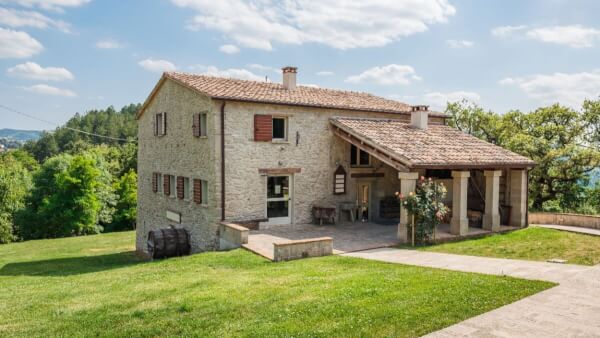
Thinking about renovating a house in Italy? Find out the average costs, required permits, and more in this guide.

What taxes do you need to pay when selling property in Italy? Have a look at our guide to learn all about types, deadlines, and special considerations.
Moving to Italy from the US? This guide covers all the essential information for relocating to Italy as an American, including tips and insights.
Thinking about moving to Italy? This article will tell you everything you need to know about getting an Elective Residency Visa in Italy as an American.

If you're a US expat in Italy, check out this guide to know whether you're subject to Italian taxes and how to fulfill your US reporting obligations.











